

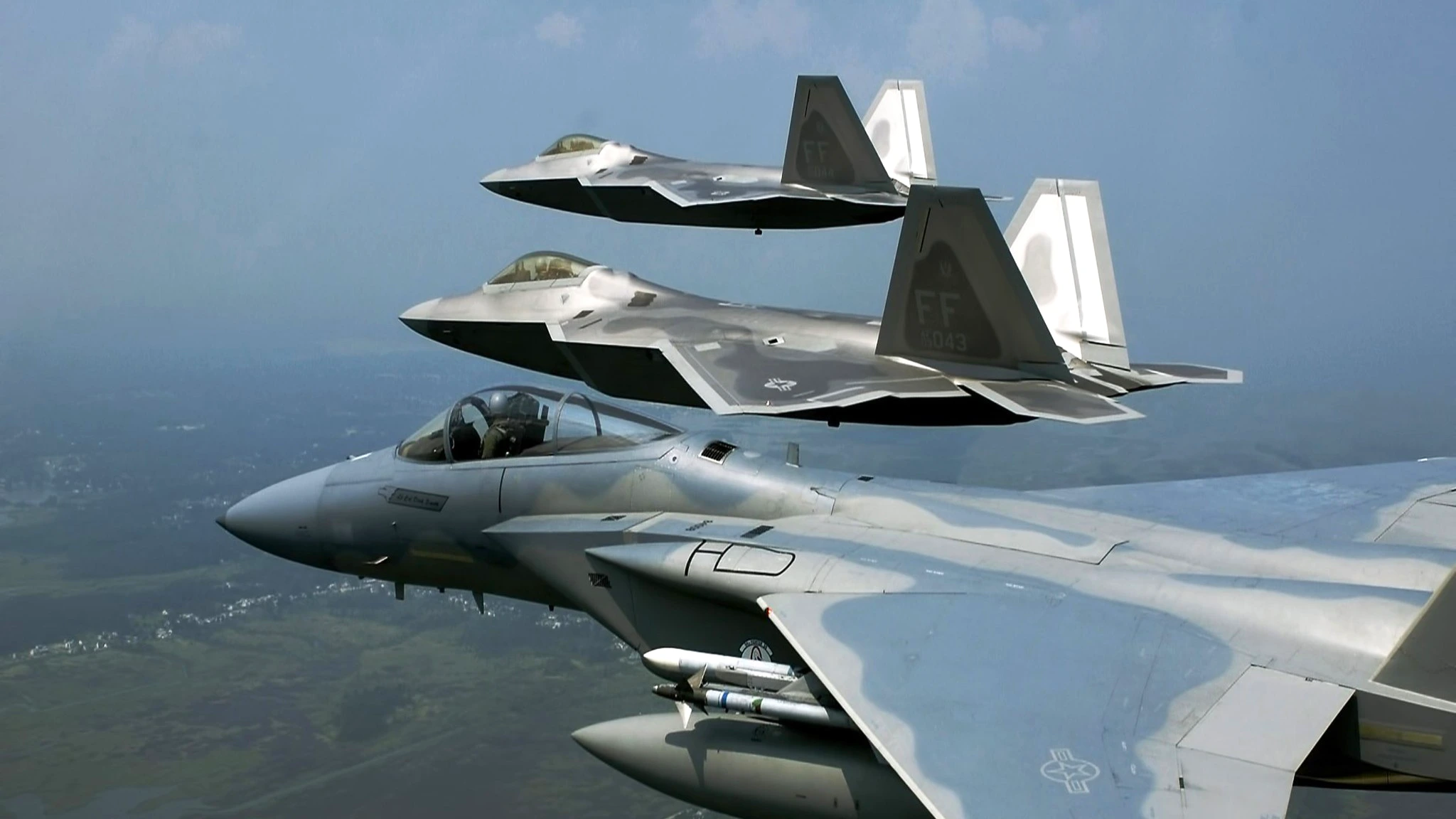
The global race for air superiority has never been more intense. From stealth technology and artificial intelligence-powered sensors to massive weapons payloads and supercruise capabilities, modern fighter aircraft represent the pinnacle of military engineering.
While sixth-generation fighter programs are beginning to emerge in the United States, Europe, China, and elsewhere, today’s battlefields are still dominated by a select group of highly capable operational aircraft.
Some are designed to evade radar, others prioritize raw firepower, while a few seek to balance every aspect of aerial combat. Here are the 10 most powerful fighter jets flying in 2026, as reported by AeroTime.
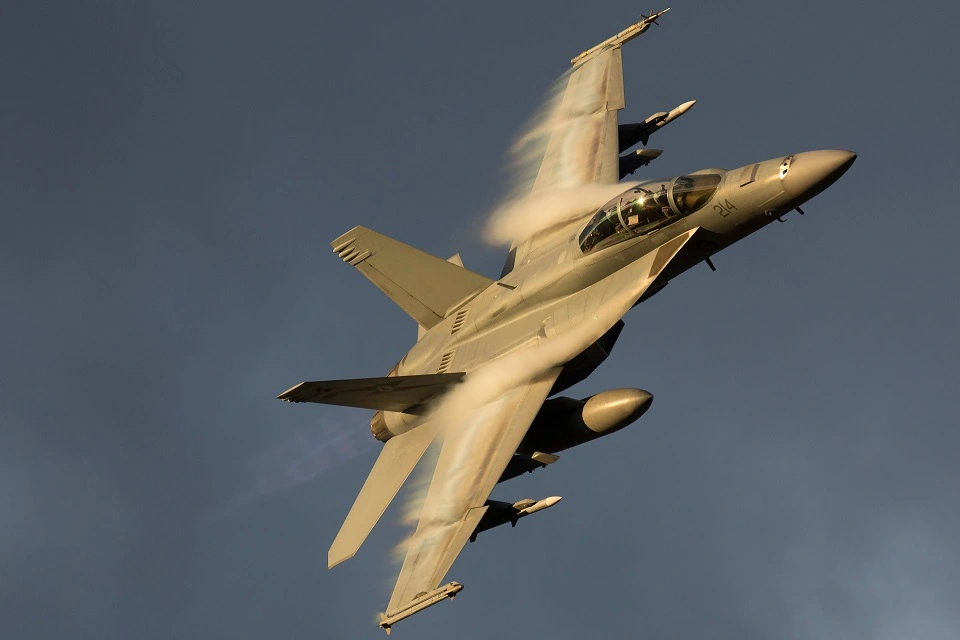
10. Boeing F/A-18E/F Super Hornet
The Boeing F/A-18E/F Super Hornet remains one of the most important carrier-based fighters in service today. As the backbone of the U.S. Navy’s tactical aviation fleet, the aircraft has proven itself across decades of operations.
Unlike many modern fighters that focus heavily on stealth, the Super Hornet emphasizes reliability, versatility, and mission flexibility.
It can perform air superiority, strike, reconnaissance, electronic warfare, and maritime attack missions from aircraft carriers operating thousands of miles from home bases.
Its ability to carry a wide range of weapons and operate in challenging naval environments has ensured its continued relevance despite growing competition from newer stealth aircraft.
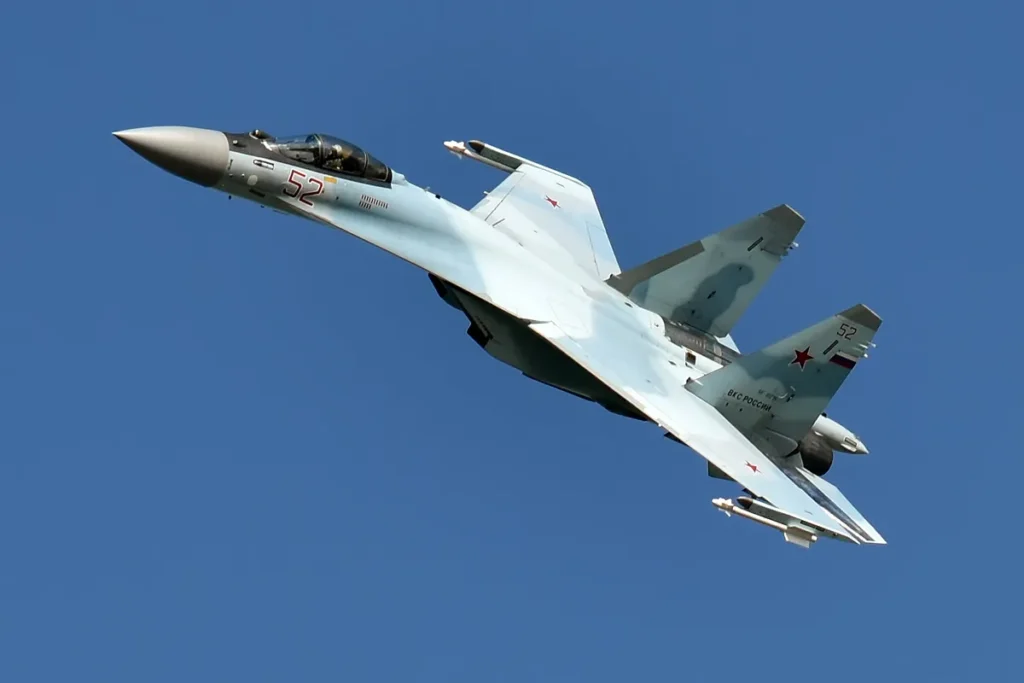
9. Sukhoi Su-35
Russia’s Sukhoi Su-35 is often regarded as one of the most capable fourth-generation fighters ever built.
Although it lacks stealth technology, it compensates with exceptional maneuverability and powerful engines equipped with thrust-vectoring nozzles.
The aircraft’s agility allows it to perform dramatic aerial maneuvers that few fighters can match. Combined with a long combat range and substantial weapons load, the Su-35 remains a formidable air-superiority platform.
In close-range engagements, its maneuverability can provide a significant advantage, making it a dangerous opponent even against newer aircraft.
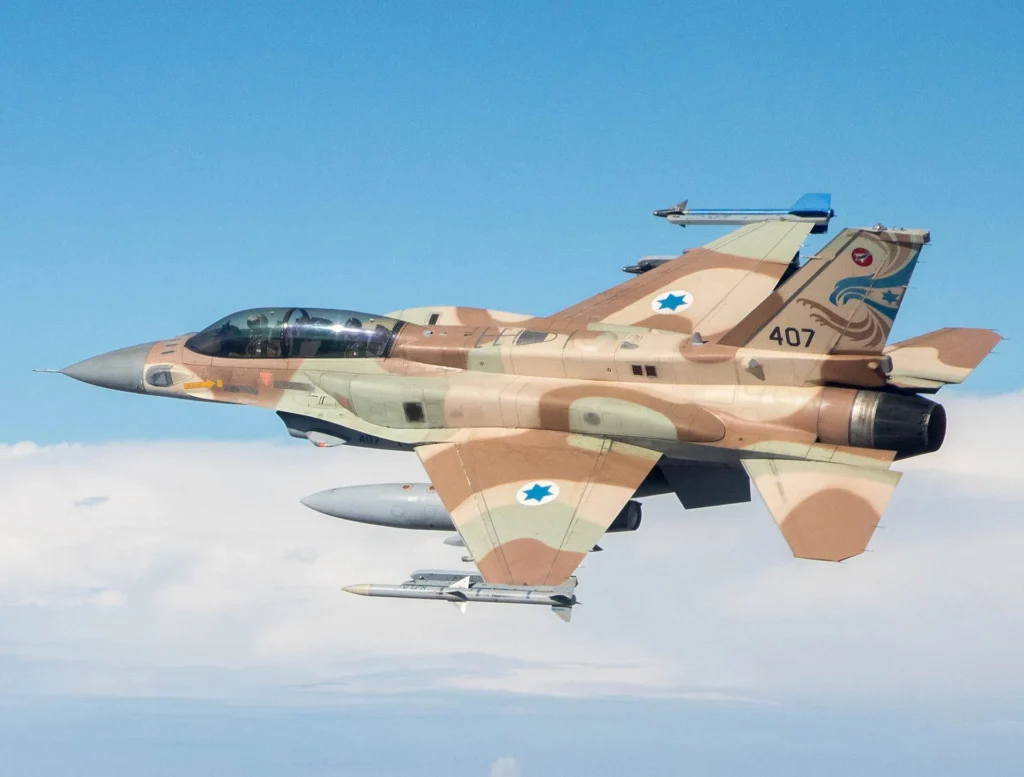
8. General Dynamics F-16 Fighting Falcon
Few fighter aircraft have enjoyed the longevity and global success of the F-16 Fighting Falcon. First introduced in the 1970s, the aircraft remains in active production and continues to serve dozens of air forces worldwide.
Modern F-16 variants bear little resemblance to the original aircraft. Upgraded radars, advanced mission computers, precision-guided weapons, and improved avionics have transformed the platform into a highly capable multirole fighter.
Its widespread use has created a vast support network, making it one of the most cost-effective and combat-proven fighter jets in service today.
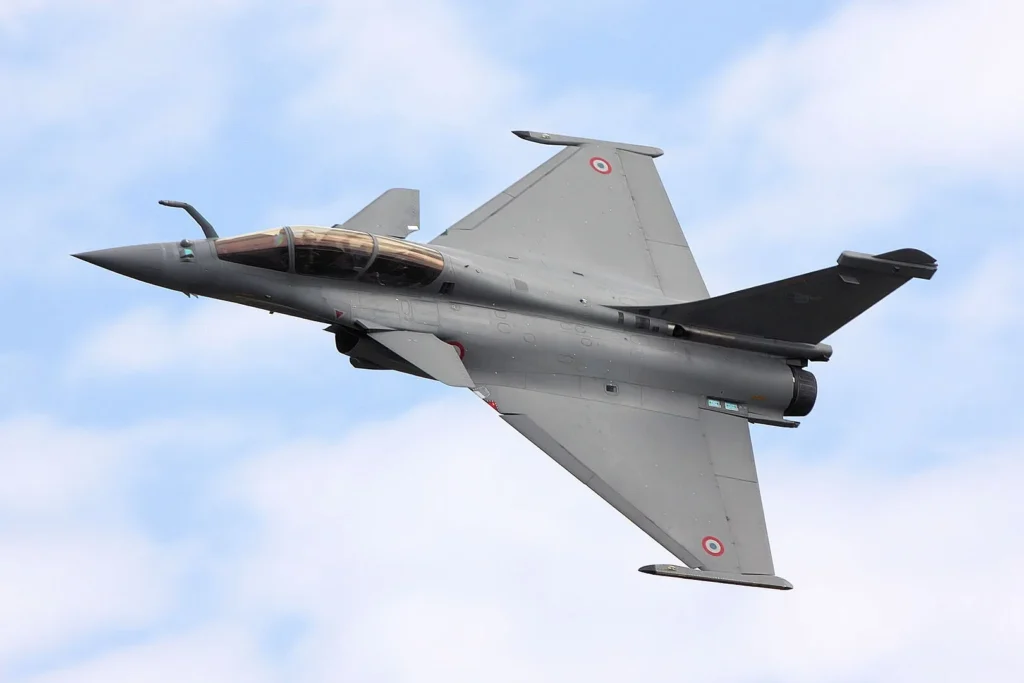
7. Dassault Rafale
France’s Dassault Rafale has established itself as one of the world’s premier multirole combat aircraft. Designed to conduct virtually every type of military mission, the Rafale is often described as an “omnirole” fighter.
What truly distinguishes the Rafale is its advanced electronic warfare capability. The aircraft’s SPECTRA electronic warfare suite provides exceptional situational awareness and survivability, allowing pilots to detect, identify, and counter threats effectively.
Recent export successes have expanded the Rafale’s global presence, with operators spanning Europe, the Middle East, Africa, and Asia. Its combination of combat performance and operational flexibility has made it one of the most sought-after fighter jets on the international market.
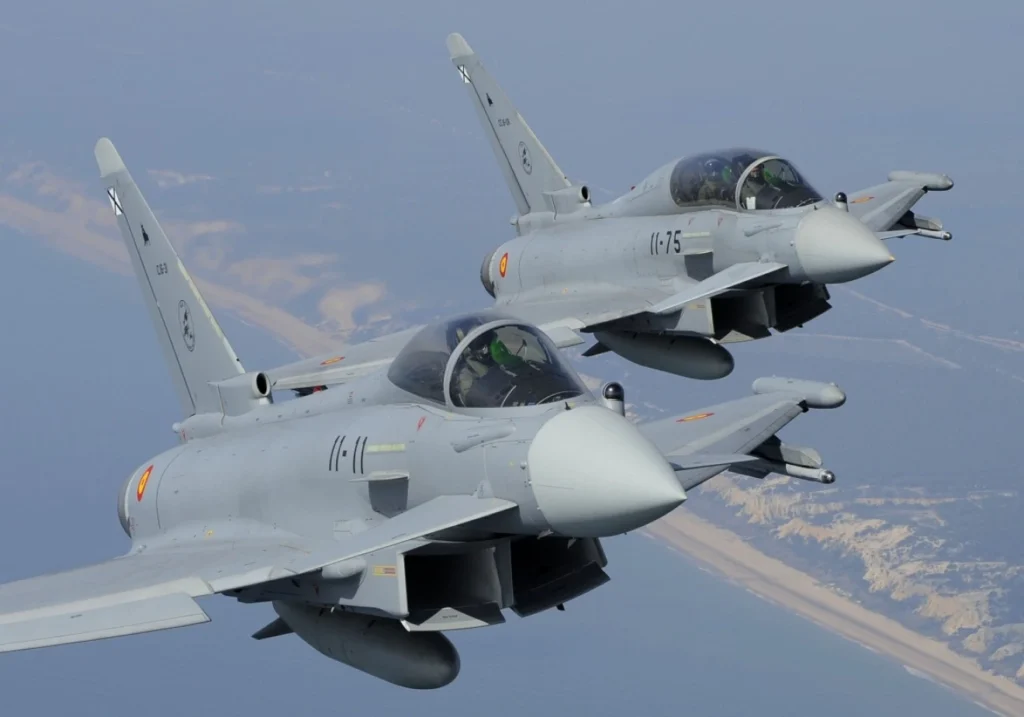
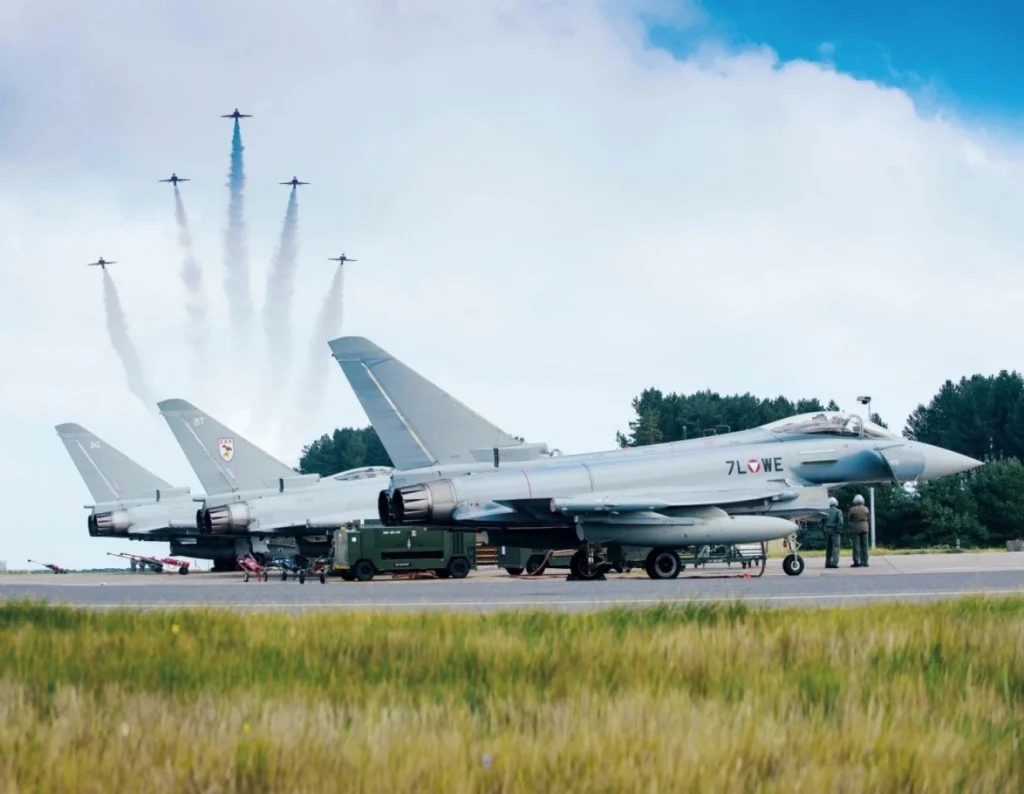
6. Eurofighter Typhoon
Developed by a European consortium, the Eurofighter Typhoon represents decades of multinational aerospace expertise. Originally conceived as an air-superiority fighter, it has evolved into a highly capable multirole platform.
The Typhoon is renowned for its agility and high-performance flight characteristics. Its advanced avionics, sensor suite, and weapons integration allow it to undertake a wide variety of missions ranging from air defense to deep-strike operations.
Continuous upgrades have kept the aircraft competitive, ensuring that it remains a critical component of European and NATO air power well into the future.
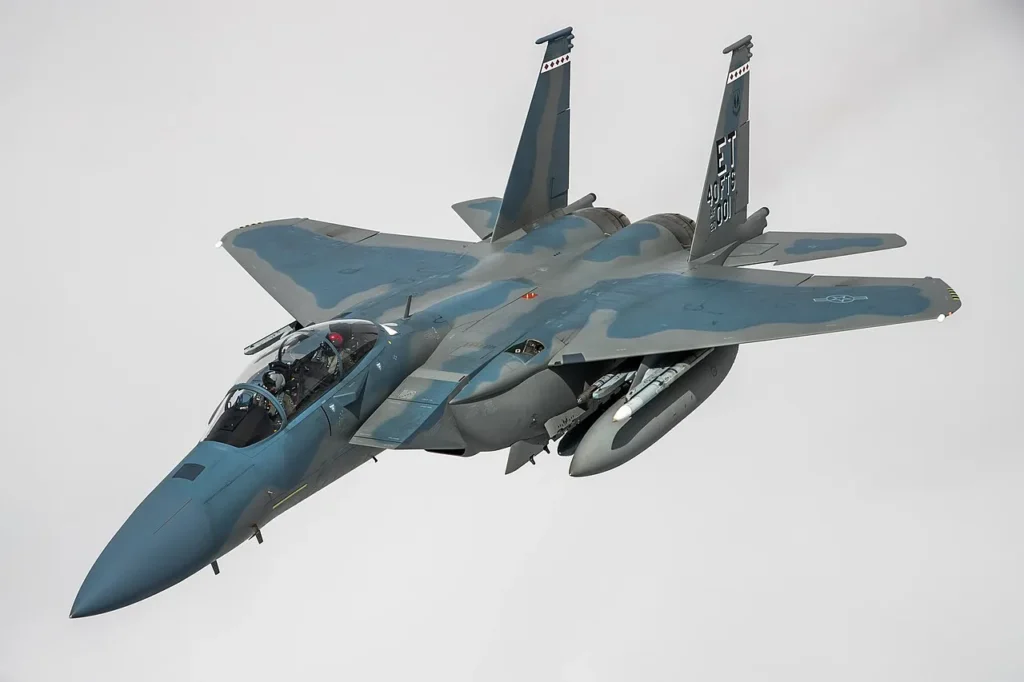
5. Boeing F-15EX Eagle II
The F-15EX Eagle II proves that raw firepower still matters in modern warfare. Based on the legendary F-15 design, the aircraft has been extensively modernized with cutting-edge avionics, radar systems, and mission technologies.
What truly sets the Eagle II apart is its extraordinary weapons capacity. It can carry more missiles and bombs than almost any other fighter currently in service.
Military planners increasingly envision the F-15EX operating alongside stealth aircraft such as the F-35, acting as a heavily armed “missile truck” capable of launching large numbers of weapons while benefiting from targeting data provided by stealthier platforms.
Its combination of speed, range, and payload ensures that it remains one of the most powerful fighters in the world.
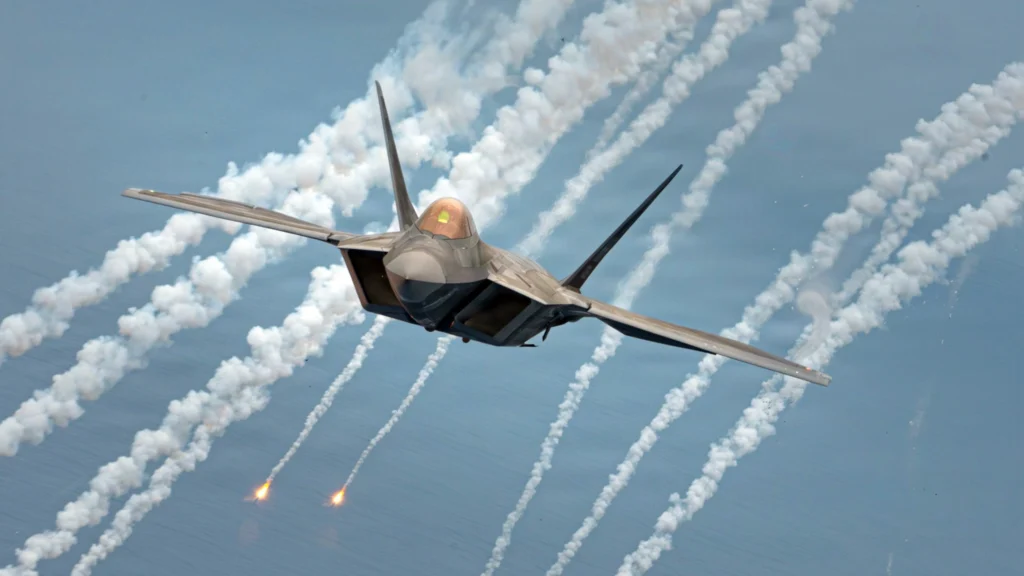
4. Lockheed Martin F-22 Raptor
The F-22 Raptor remains one of the most advanced air-superiority fighters ever produced. Even though production ended years ago, it continues to be a benchmark against which other fighters are measured.
The aircraft combines stealth, supercruise capability, advanced sensors, and exceptional maneuverability into a single platform. It can cruise at supersonic speeds without using fuel-hungry afterburners while remaining difficult to detect on radar.
Designed specifically to dominate enemy aircraft, the F-22 excels in air-to-air combat. Although the fleet is relatively small, its capabilities remain among the most impressive in military aviation.
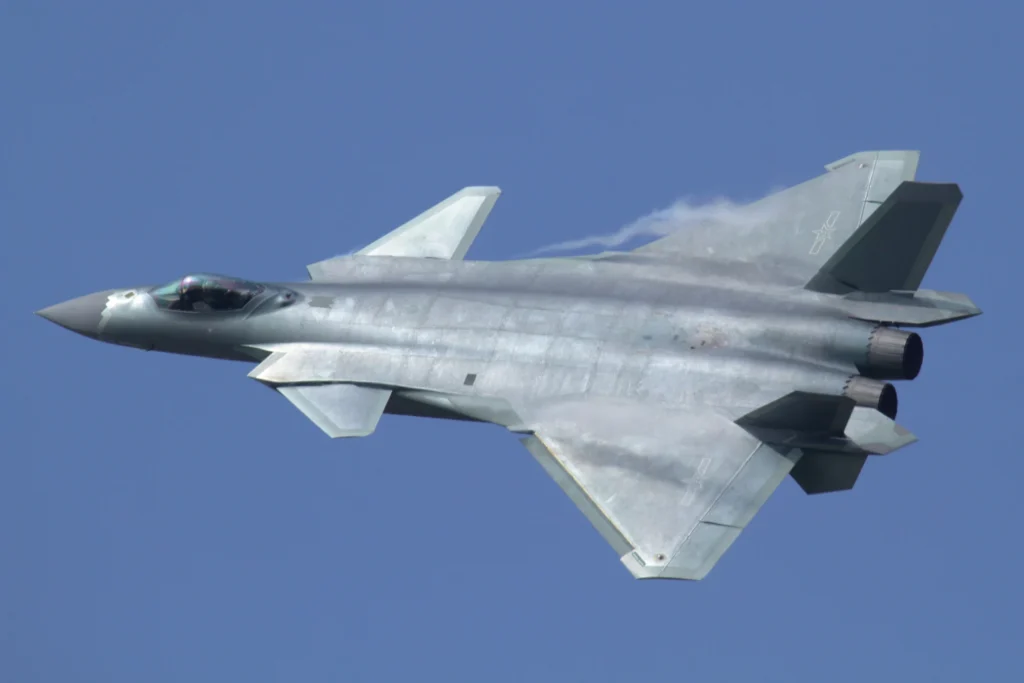
3. Chengdu J-20 Mighty Dragon
China’s Chengdu J-20 has rapidly become one of the most significant fighter aircraft programs in the world. As China’s first operational stealth fighter, it represents a major milestone in the country’s military modernization efforts.
The aircraft was designed with long-range missions in mind, enabling it to operate across vast distances in the Indo-Pacific region.
Its stealth characteristics, advanced sensors, and growing production numbers have made it a central pillar of Chinese air power.
As China continues to expand its fleet, the J-20 is increasingly viewed as one of the most influential fighter aircraft shaping the future balance of air power in Asia.
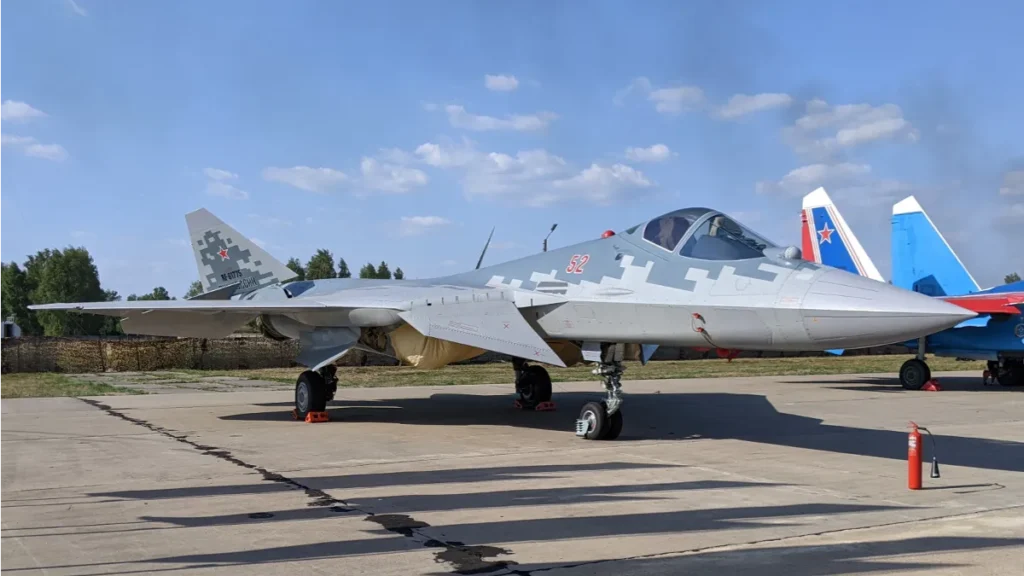
2. Sukhoi Su-57 Felon
Russia’s Sukhoi Su-57 takes a different approach to fifth-generation fighter design than many Western aircraft. Rather than focusing exclusively on stealth, it seeks to combine low observability with exceptional maneuverability and significant weapons capacity.
Its advanced engines and thrust-vectoring technology give it remarkable agility, while internal weapons bays help reduce radar visibility.
The aircraft is designed to engage both aerial and ground targets across a wide range of mission profiles.
Although produced in relatively limited numbers, the Su-57 remains one of the most capable combat aircraft currently flying and represents the pinnacle of Russia’s fighter aviation technology.
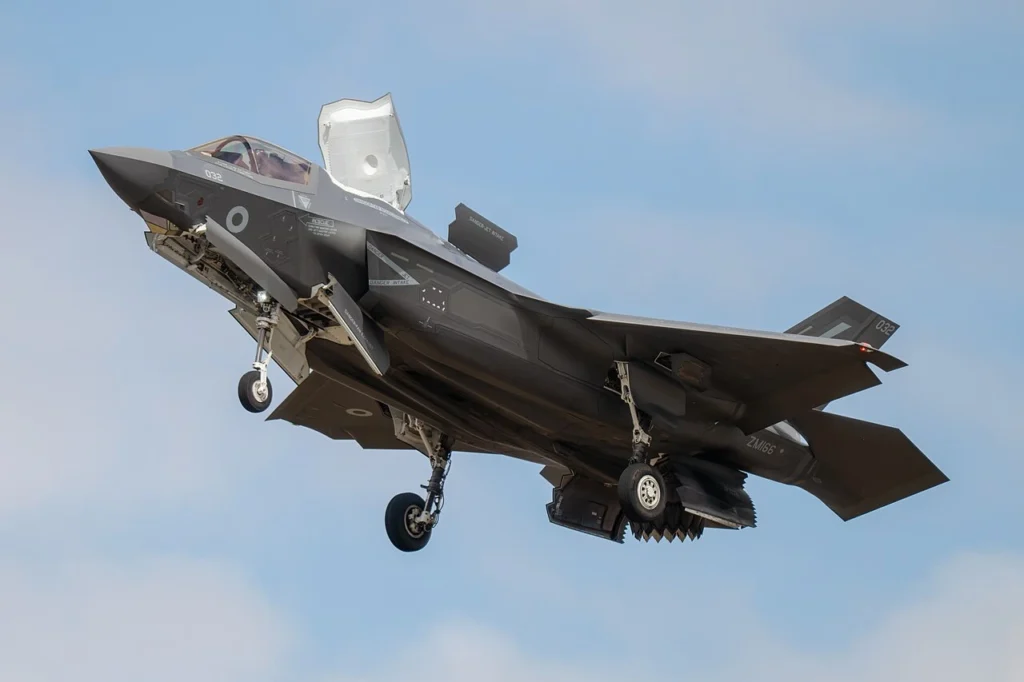
1. Lockheed Martin F-35 Lightning II
At the top of the list is the F-35 Lightning II, the most widely deployed fifth-generation fighter in the world.
Unlike aircraft optimized primarily for speed or maneuverability, the F-35 was built around information dominance. Its sensors continuously collect data from multiple sources, combining that information into a single comprehensive picture of the battlefield for the pilot.
The fighter’s stealth design allows it to penetrate heavily defended airspace, while its advanced networking capabilities enable it to share information with other aircraft, ships, and ground forces in real time.
Available in conventional, carrier-based, and short takeoff and vertical landing variants, the F-35 serves a broad range of missions and operators. Its blend of stealth, sensor fusion, electronic warfare capabilities, and multirole flexibility makes it the most influential fighter aircraft operating today.
The Next Generation of Air Combat
The fighter jets dominating today’s skies may not remain at the top forever.
Programs such as the United States’ Next Generation Air Dominance (NGAD), Europe’s Future Combat Air System (FCAS), the Global Combat Air Programme (GCAP), South Korea’s KF-21 Boramae, and Turkey’s KAAN are already shaping the future of military aviation.
These next-generation aircraft are expected to incorporate artificial intelligence, unmanned teaming capabilities, advanced networking, and even greater levels of stealth.
Until those programs become operational, however, the aircraft on this list represent the world’s most capable fighter jets—and the cutting edge of air combat in 2026.
Stay tuned with us. Further, follow us on social media for the latest updates.
Join us on Telegram Group for the Latest Aviation Updates. Subsequently, follow us on Google News
