

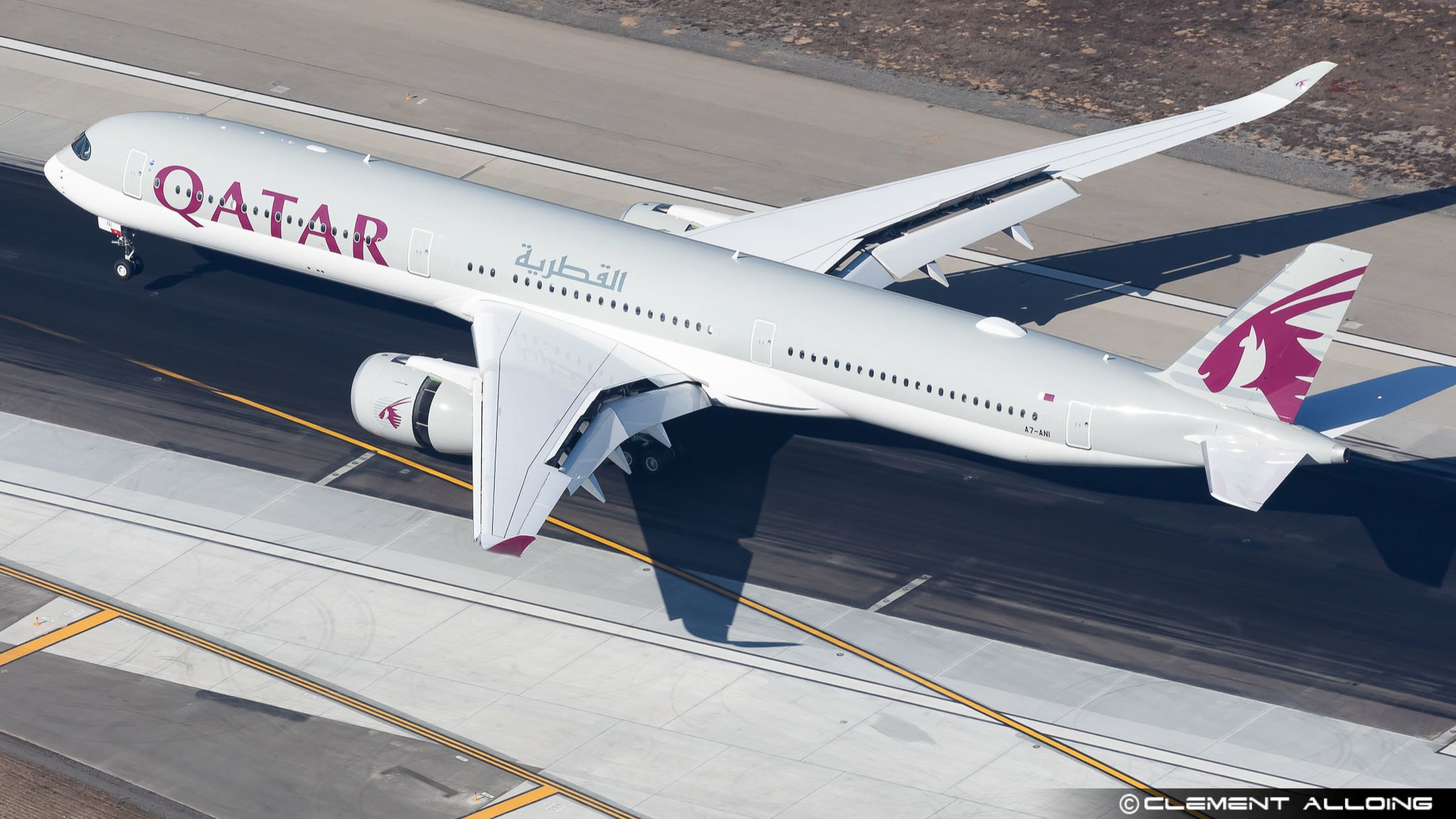
DOHA- Qatar Airways (QR) is preparing for the 2026-2027 winter season as passenger traffic at Hamad International Airport (DOH) recovers to around 90%-95% of last year’s levels.
The airline plans to expand its network beyond 170 destinations, add 138 aircraft over five years and introduce a new generation of Qsuites as it rebuilds capacity after regional disruptions.

Qatar Airways Builds Back Capacity for Winter Demand
Qatar Airways is entering the winter season with a focus on restoring normal operations while preparing for higher passenger demand. Hamad International Airport (DOH) is currently handling more than 140,000 passengers per day, according to Qatar Airways Group CEO Hamad Ali Al-Khater.
The recovery follows months of regional disruption, including the temporary suspension of flights in February. The airline responded by adjusting flight operations, supporting stranded passengers and using alternative routing options when regional airspace restrictions affected established east-west connections.
International airlines are also returning to Doha. British Airways (BA) resumed daily direct flights between London Heathrow Airport (LHR) and Hamad International Airport (DOH) earlier in September.
Al-Khater told euronews that passenger volumes have recovered to approximately 90%-95% of the previous year’s levels, indicating a significant improvement in traffic through Qatar Airways’ Doha hub.
Winter Network to Exceed 170 Destinations
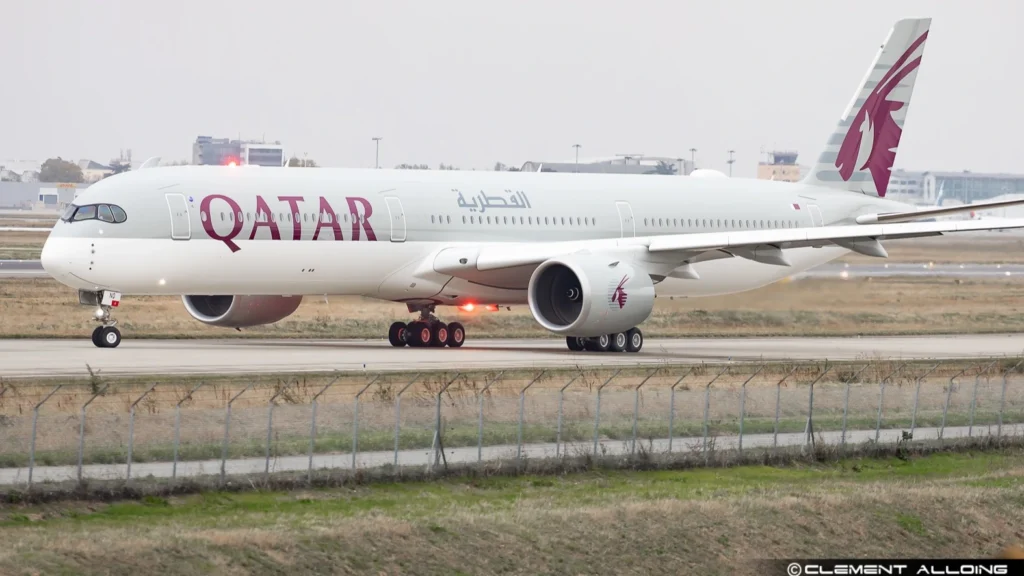
Qatar Airways plans to operate a global network of more than 170 destinations during the 2026-2027 winter season. The schedule includes 186 weekly flights across Africa, Asia Pacific, Europe, the Americas and the Middle East.
The carrier will increase its London Heathrow service from 49 to 56 weekly flights from October 25. Flights between Doha and Frankfurt will also rise from 18 to 21 weekly services from December 7.
The airline has expanded its network in other regions during 2026. Qatar Airways introduced four weekly flights to Helsinki in July and increased the service to seven weekly flights in August.
In South America, the carrier launched services to Bogotá and Caracas in July. The new routes made Qatar Airways the first Gulf carrier to serve Venezuela and the first airline to establish a Middle East connection to both Caracas and Bogotá.

New Long-Range Aircraft to Expand Reach
Qatar Airways is also preparing for a major fleet expansion. The airline expects to receive new long-range aircraft with a new cabin configuration by the end of 2026.
The aircraft will allow the carrier to serve destinations that are beyond the practical range of some of its existing narrow-body aircraft. Qatar Airways said the additional range could also support services to secondary airports that may previously have been difficult to operate economically.
The broader fleet plan calls for 138 new aircraft to join the Qatar Airways fleet over the next five years.
The expansion is expected to support the airline’s long-term network strategy while providing additional capacity for both established markets and potential new destinations.

Next Generation Qsuites Planned for 2027
Qatar Airways is also preparing a major update to its premium cabin offering.
The airline plans to unveil a new generation of its Qsuite business class product in summer 2027. Qsuites are a key part of Qatar Airways’ premium travel proposition, and the next-generation product will form part of its longer-term cabin development strategy.
The introduction will coincide with the airline’s wider fleet renewal and expansion program.
Maintenance Teams Prepare for Higher Aircraft Utilisation
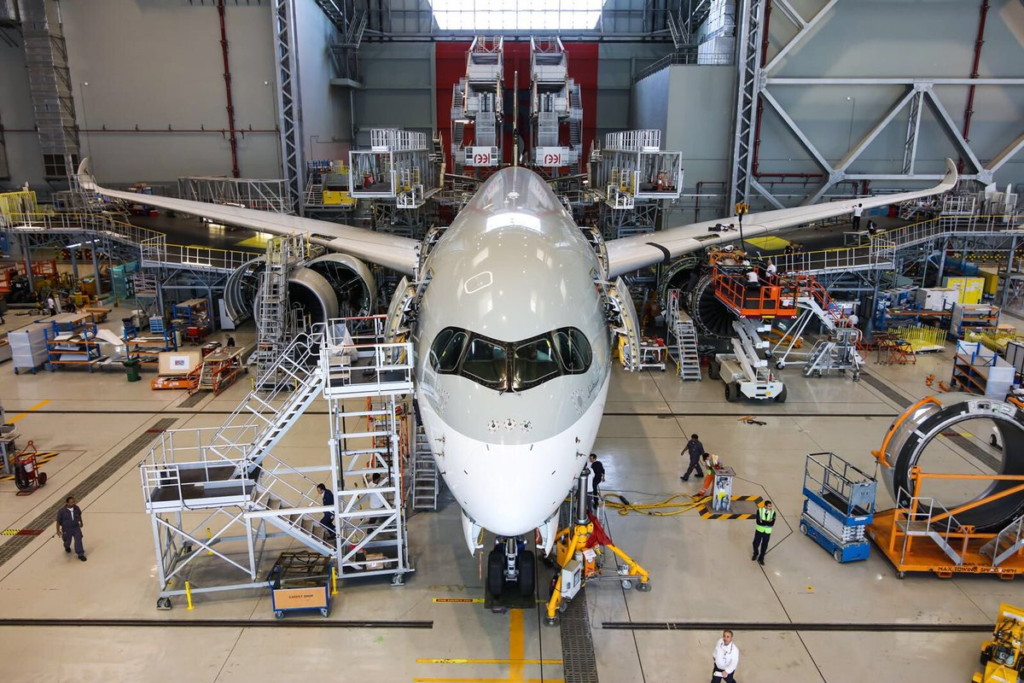
Qatar Airways’ preparations for winter demand extend beyond its flight schedule. Maintenance teams are working ahead of the peak period to ensure aircraft can be utilised at high levels.
The airline’s maintenance, repair and overhaul operation conducts aircraft inspections, cabin maintenance and technical upgrades. The operation is also supporting the carrier’s continuing rollout of Starlink connectivity.
In August, Qatar Airways became the first airline to operate a Starlink-equipped Boeing 787-9. The carrier now has 150 Starlink-equipped widebody aircraft, representing about 83% of its connectivity target.
Hamad Airport Operations Support Recovery
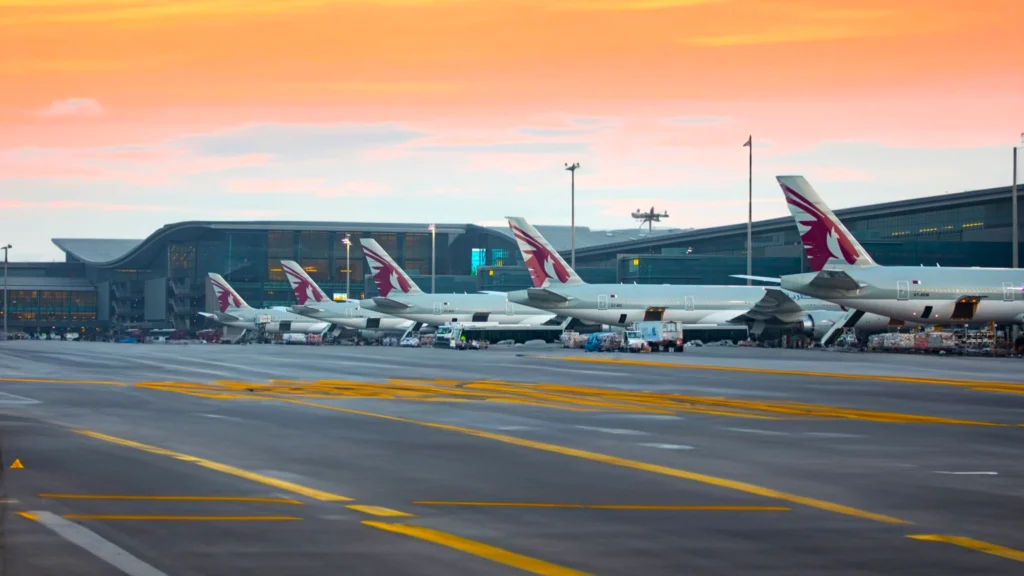
Qatar Airways’ integrated operations centre at Hamad International Airport provides teams with a live view of flight movements and operational conditions.
The centre played an important role when regional airspace restrictions disrupted established routes. Qatar Airways redirected some flights southward because northern routes remained challenging, helping the airline maintain access to important international markets.
The carrier is also discussing additional operating space with partners as it works to manage pressure on its network.

Engine Maintenance Remains Critical in Qatar’s Climate
Aircraft maintenance at Doha also includes specialist engine work. The airport workshop can hold as many as 80 engines at a time.
Sand and dust create particular maintenance challenges in the region. Technicians service engines to remove excess sand that can affect engine components and turbine blades.
The cost of modern aircraft engines makes the maintenance operation especially important. Individual engines can be valued at approximately $20 million to $40 million, while a single engine blade can cost around $250,000.

Passenger Support Remains Part of Contingency Planning
Qatar Airways activated a passenger support centre at Hamad International Airport after the national airspace closure on February 28.
At the time, approximately 8,000 passengers were stranded in Doha, while another 8,400 passengers were affected elsewhere across the airline’s network.
Chief Operating Officer Abdulla Ali said the airline’s integrated structure helped it respond to the disruption because Qatar Airways Group includes the airline, airport operator and ground-handling operations.
The airline is considering keeping the passenger support facility available as part of its longer-term contingency planning. The space could also support other customer-service functions when there is no major disruption.
The experience of previous crises, including the COVID-19 pandemic, has also shaped Qatar Airways’ approach to operational resilience. The airline aims to maintain flexible operations and customer support as it prepares for higher winter demand.
Stay tuned with us. Further, follow us on social media for the latest updates.
Join us on Telegram Group for the Latest Aviation Updates. Subsequently, follow us on Google News
