

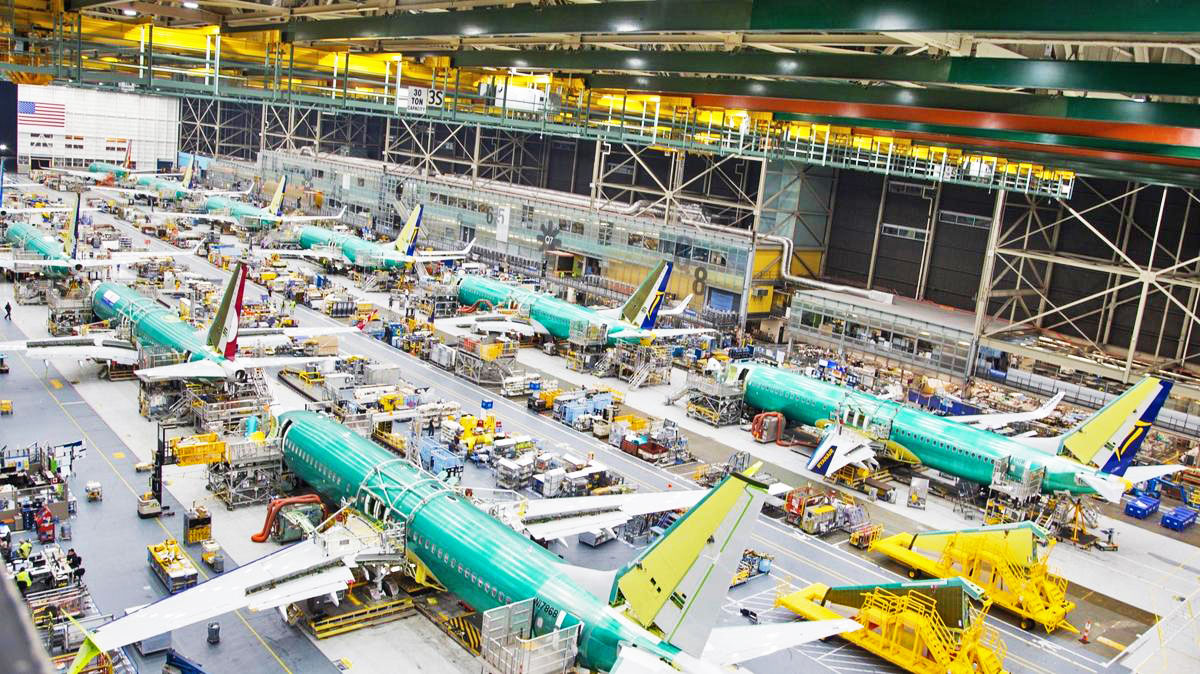
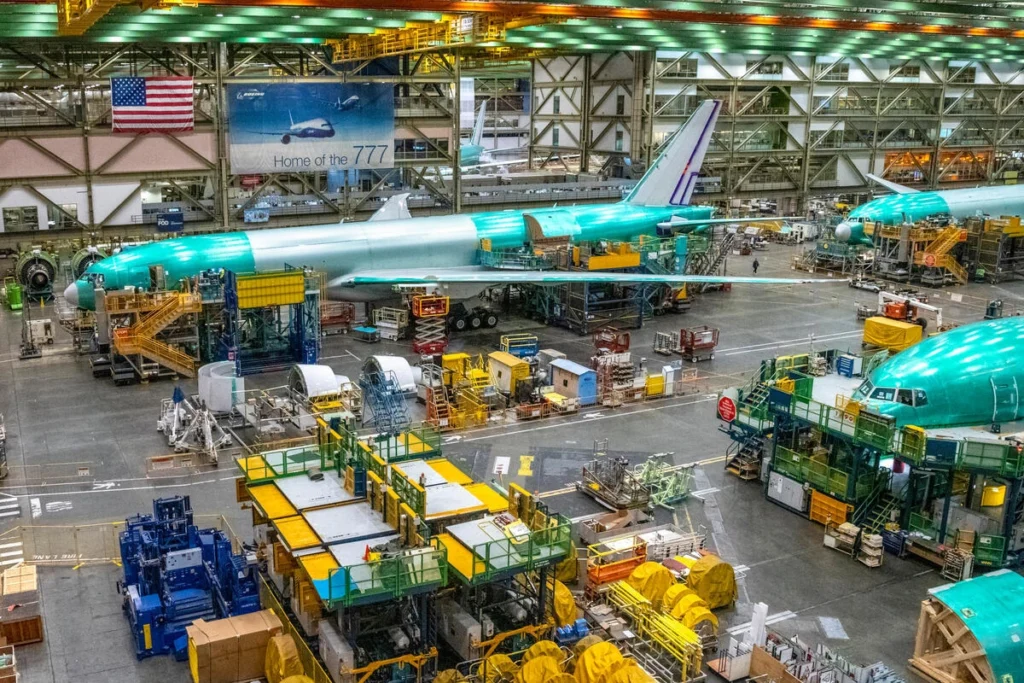
ARLINGTON- Boeing will begin building new 737 Max jets on a fourth final assembly line on July 6 at Everett’s Paine Field, located north of Seattle (SEA). CEO Kelly Ortberg confirmed the timeline in a CNBC interview on Friday.
The new line is set to lift Max output toward 52 jets per month and help Boeing work down a large order backlog.
The expansion comes as the manufacturer operates within production limits the Federal Aviation Administration imposed after a door plug failure on an Alaska Airlines (AS) jet in January 2024.
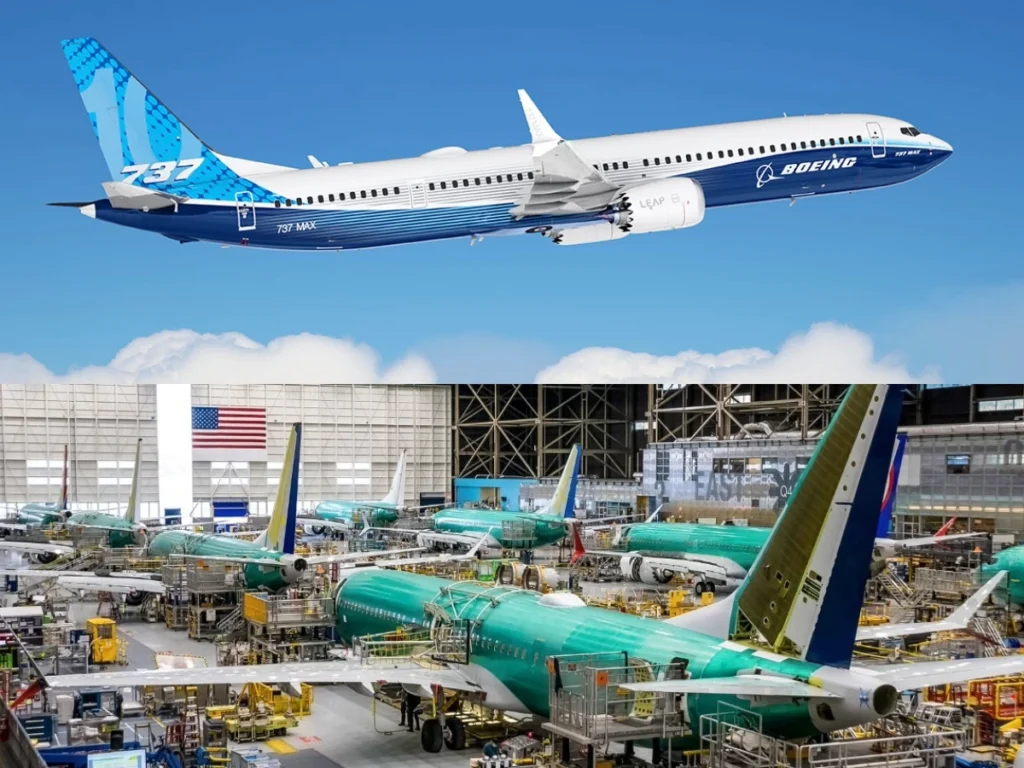
Boeing’s 4th Assembly Line Targets Higher 737 Max Output
Ortberg said the new Everett line copies the existing setup in Renton, Washington. Speaking with CNBC from the Renton site, he described the addition as “really a carbon copy of what you see here in Renton.”
He confirmed the start date directly. “We’ll be loading our first airplane on July 6,” Ortberg said, adding that Boeing would bring the fourth line “alive” about a month from his remarks.
The added capacity is meant to act as a catalyst for raising 737 Max production to 52 jets per month, a rate expected to begin next year.
Boeing currently builds 47 Maxes per month after increasing output from 42 a month earlier in the year.
By basing the new line on a proven manufacturing model, Boeing aims to keep its production methods consistent across both sites.
A standardized setup allows workers and processes to follow the same steps in Everett that already run in Renton, which lowers the risk of new errors as the company scales output.
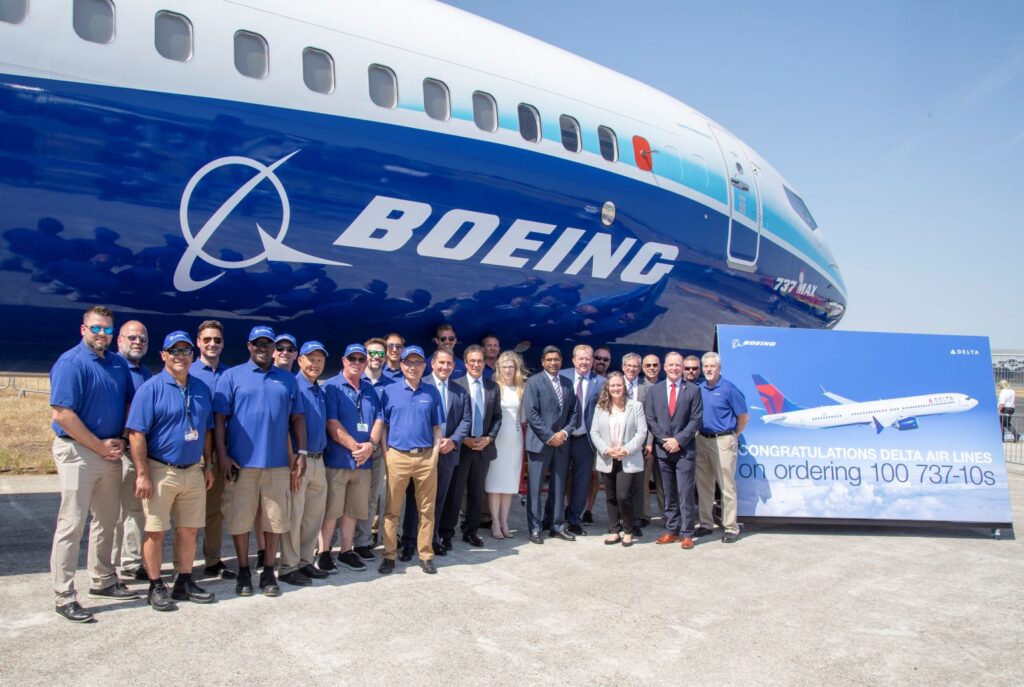
Why Higher Output Matters for Boeing
Stronger production directly supports Boeing’s effort to meet airline demand and reduce its order backlog.
The company holds thousands of unfilled 737 Max orders, and each month of capped output delays deliveries and the revenue tied to them.
A faster, stable build rate also helps Boeing compete with Airbus, which has continued to deliver single-aisle A320 family jets at high volume.
Closing the delivery gap depends on Boeing lifting Max output without repeating the quality problems that drew regulatory scrutiny.
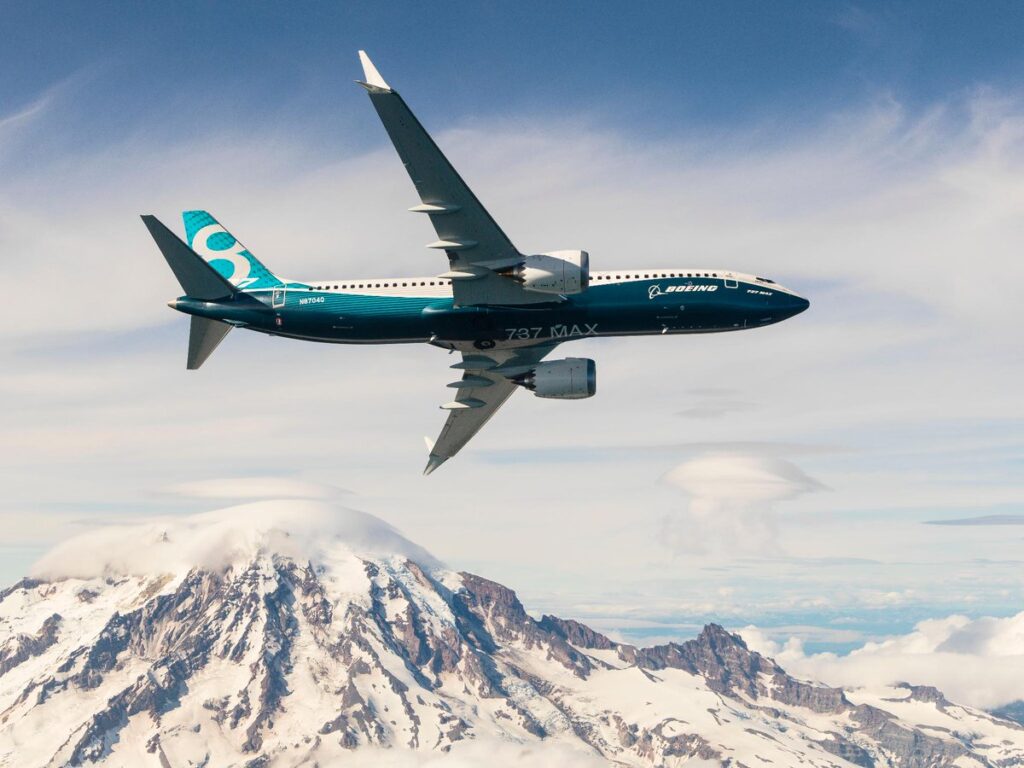
FAA Cap Shapes Boeing’s Production Pace
Boeing wants to build and deliver more 737 Max aircraft, but the FAA caps its manufacturing rate. The regulator set those limits after the January 2024 door plug incident on an Alaska Airlines flight.
That event triggered extended reviews of safety and quality issues across Boeing’s manufacturing process.
According to CNBC, the company has spent the period since then working to rebuild confidence in its production system.
Since the incident, Boeing has worked to address concerns raised by regulators and improve performance across its facilities.
The FAA limit stays in place until the agency is satisfied that the manufacturer can sustain higher output safely.
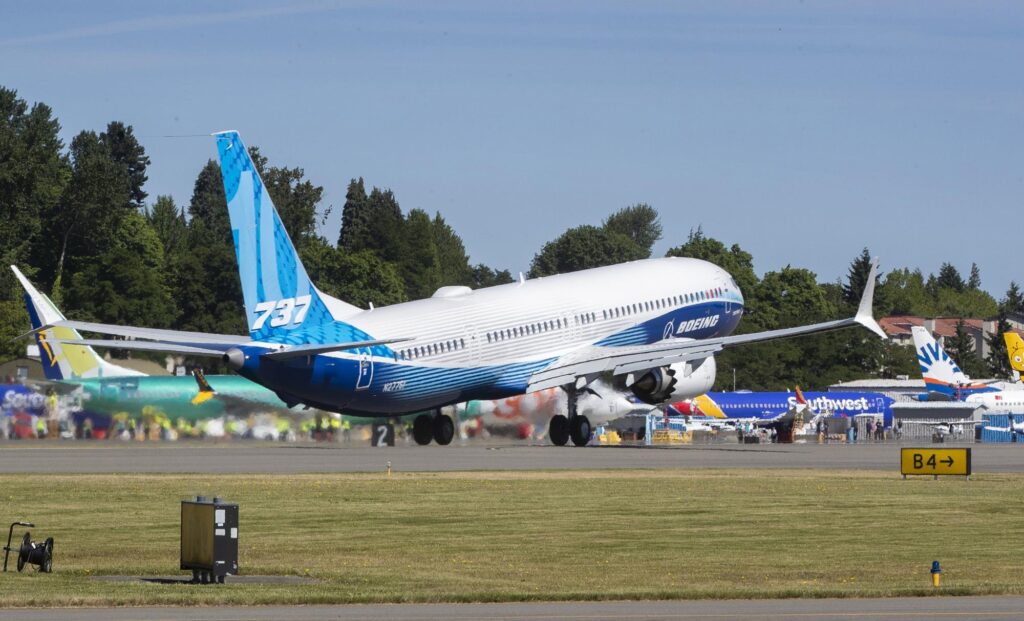
Boeing Focuses on Stability and Quality
Ortberg said Boeing is trying to reset its track record and has increased its rate differently over the last 18 months. He stressed that the company does not move forward until the production system is stable.
“We’re not pushing work down the production line like we were before,” he said, noting that the approach gives the team reason for optimism.
The practice he described, known as traveled work, involves moving unfinished jobs further down the line, where they become harder to track and fix.
Boeing leadership has said these changes strengthen the foundation for future growth. The disciplined pace is meant to prove to regulators and customers that the company can hold quality steady while it adds volume.
Long-Term Goal Set
Ortberg and Boeing leadership have set a long-term target of 63 Maxes per month, provided the supply chain can support the increase.
That ceiling depends on parts suppliers and engine makers keeping pace with Boeing’s assembly lines.
A shortfall from any major supplier would slow the ramp, regardless of how much capacity the new Everett line adds.
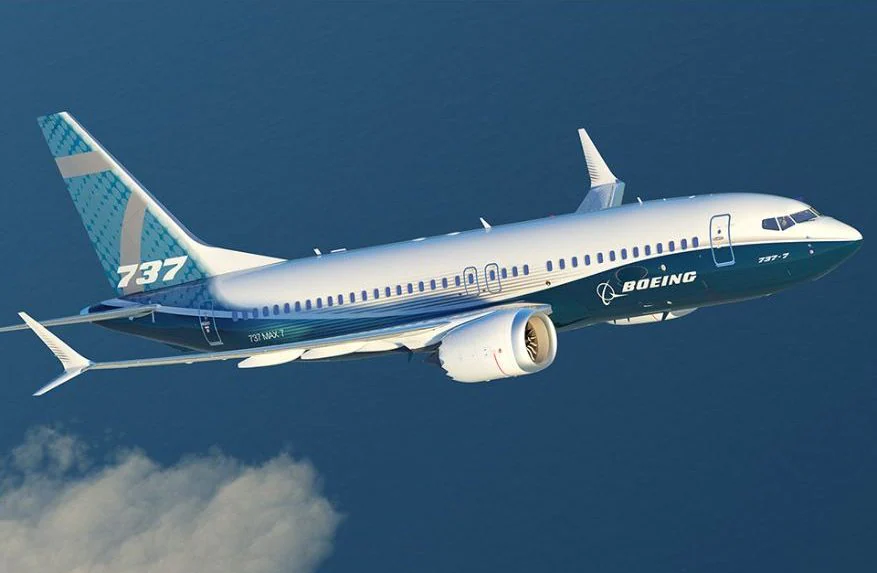
The new assembly line will start with the 737 Max 10, the largest variant in the single-aisle family.
The stretched jet carries more passengers than other Max models, which makes it attractive to carriers focused on high-demand routes.
The FAA is expected to certify the Max 10 before the end of the year. Certification would clear the way for first deliveries, which several airlines have awaited as they plan fleet growth around the larger aircraft.
What the Expansion Means for Boeing
The launch of a fourth 737 Max line shows Boeing’s push to expand capacity while staying inside regulatory limits.
A new Everett facility, a planned move to 52 jets per month, and a 63-per-month long-term target together point toward a steady growth path rather than a sudden surge.
The outcome will rest on four factors: continued manufacturing stability, FAA confidence, supply chain performance, and Max 10 certification.
Progress on all 4 would let Boeing convert its order backlog into delivered aircraft and the revenue that follows.
Stay tuned with us. Further, follow us on social media for the latest updates.
Join us on Telegram Group for the Latest Aviation Updates. Subsequently, follow us on Google News
