

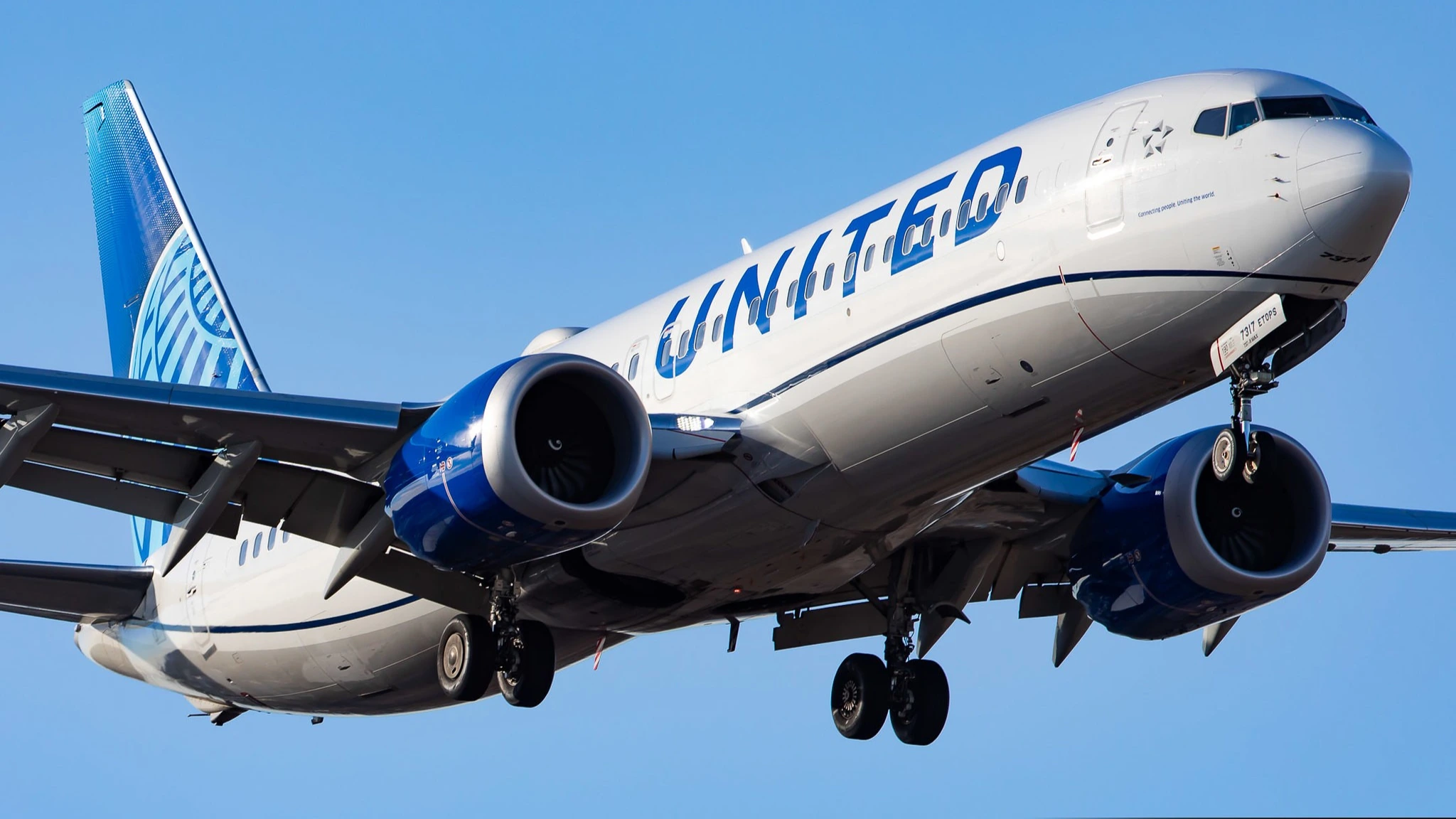
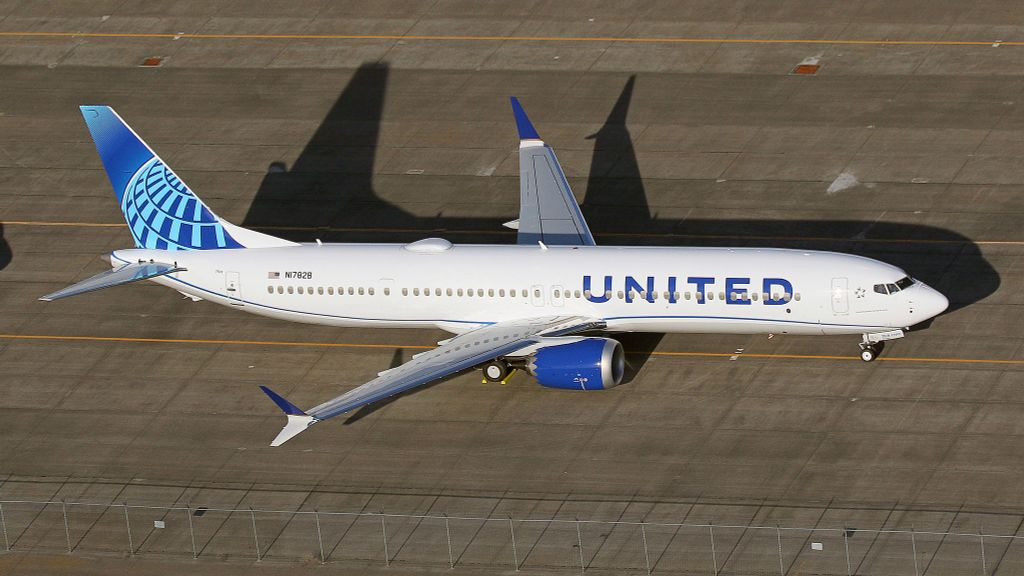
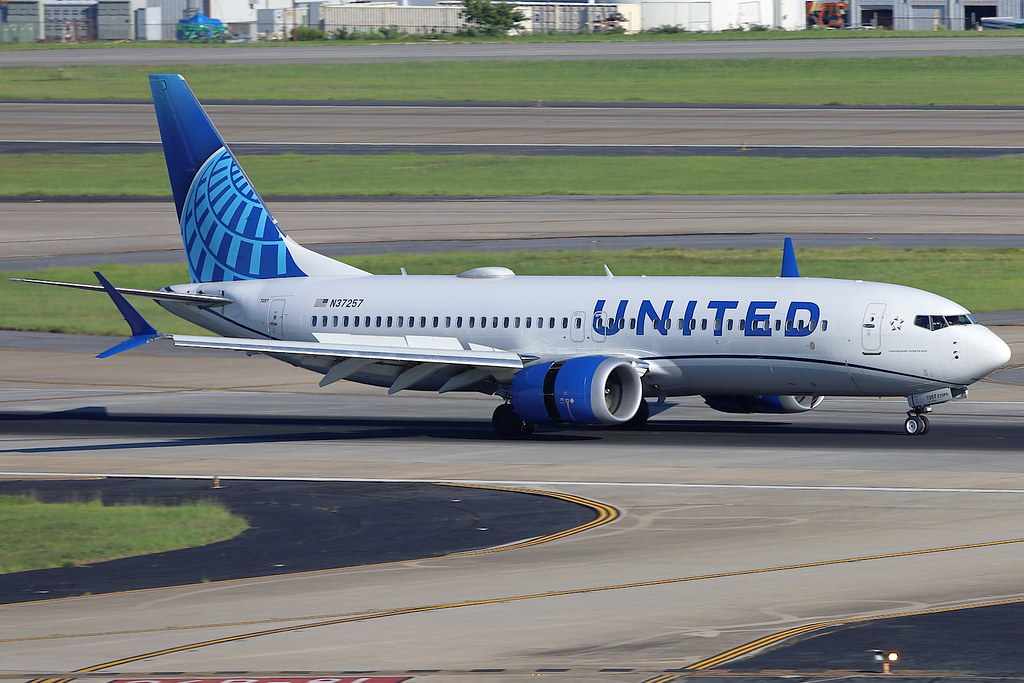
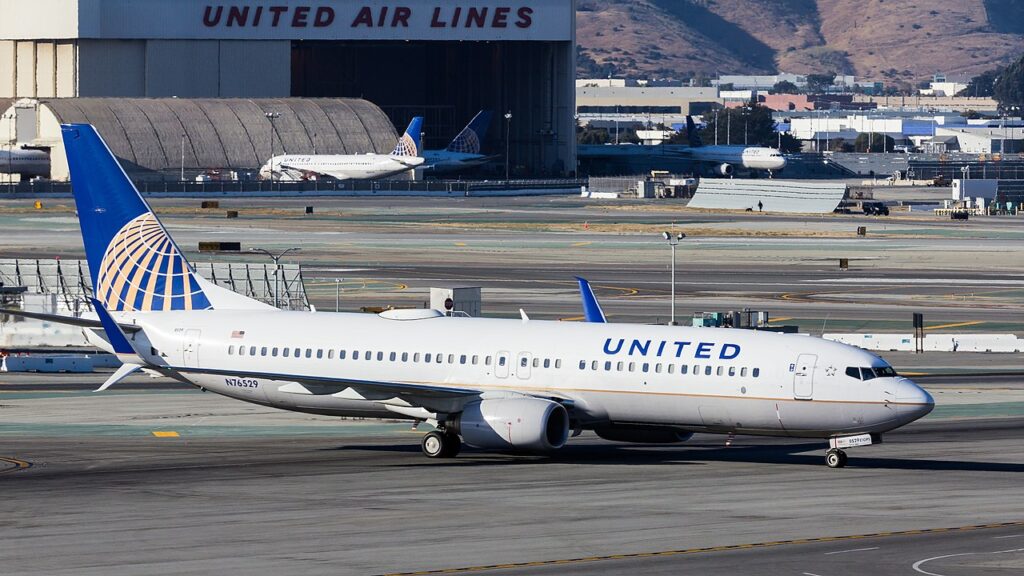
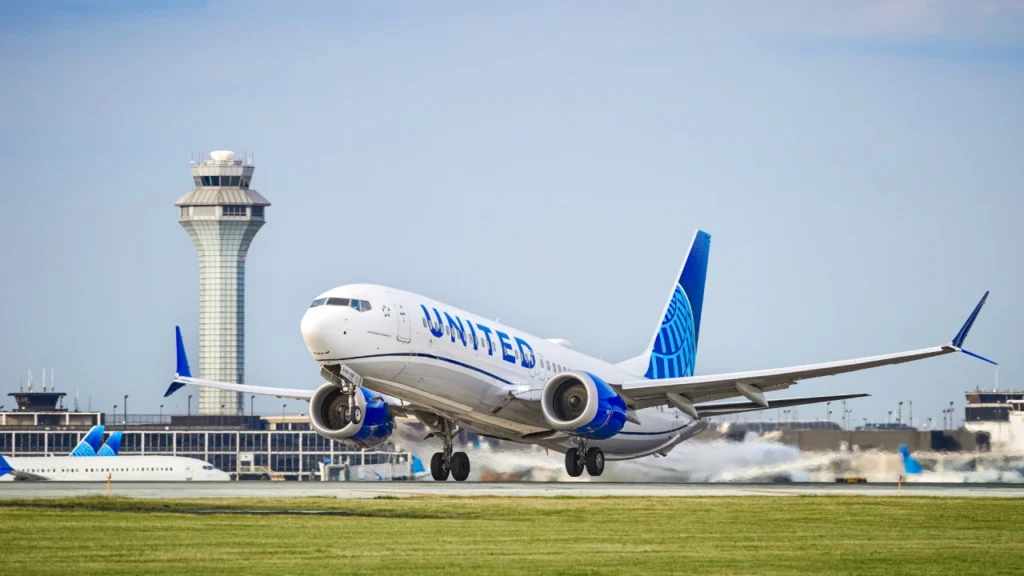
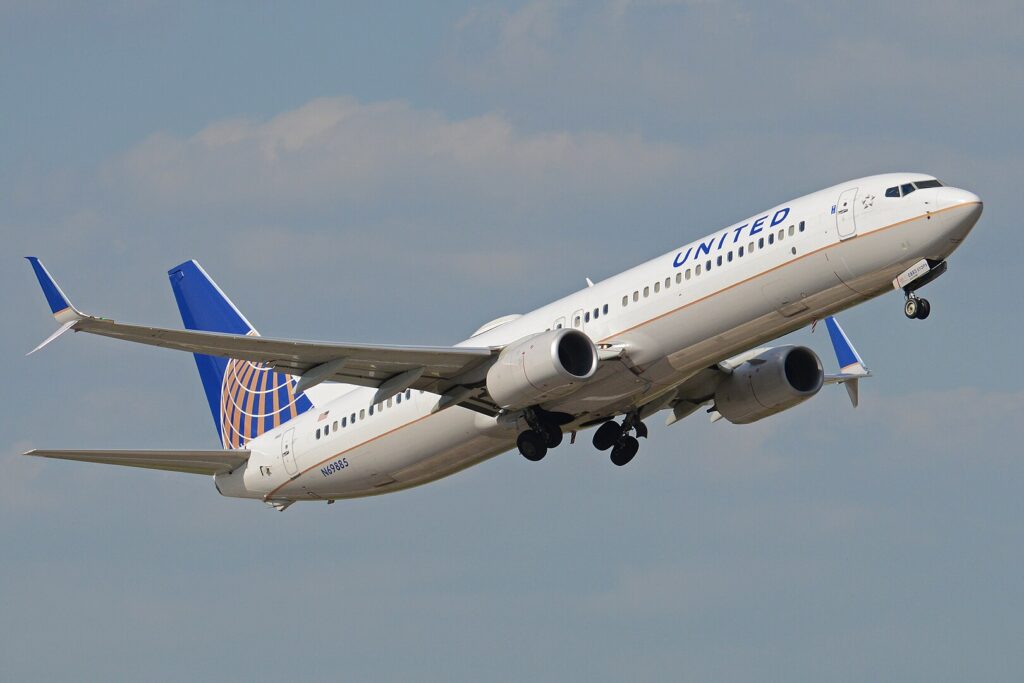
CHICAGO- United Airlines (UA) flight UA2005 was operating from Chicago O’Hare (ORD) to Minneapolis-Saint Paul (MSP) when pilots declared a Level 4 passenger threat.
The Boeing 737 diverted to Dane County Regional Airport, Madison (MSN), after a passenger allegedly attempted to breach the cockpit approximately 20 minutes after takeoff.
The event prompted flight crews to implement the highest level of passenger threat procedures available in commercial aviation.
The incident was treated with significant urgency, leading United Airlines to issue a security alert to other airborne flights across its network.
According to PYOK, the airline warned crews to maintain heightened cockpit security in case the event was linked to a broader coordinated threat.
United Airlines Cockpit Breach
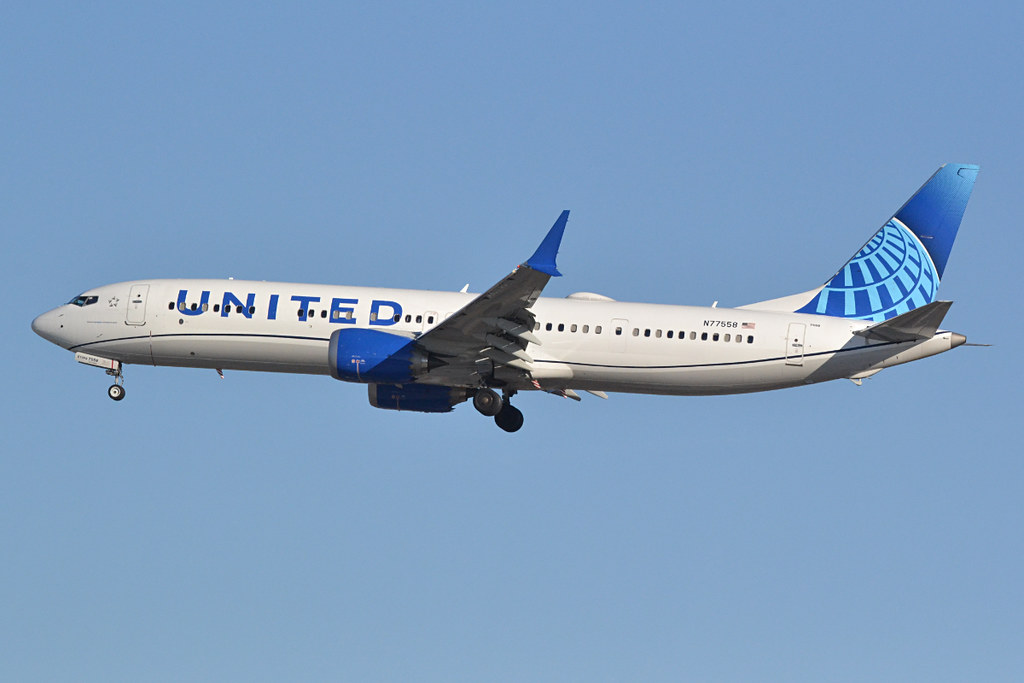
United Airlines flight UA2005 departed Chicago O’Hare International Airport at approximately 8:30 PM on Friday for what was expected to be a routine 2-hour domestic flight to Minneapolis.
The Boeing 737 had climbed to a cruising altitude of around 30,000 feet and was proceeding northwest toward Minneapolis when the situation onboard escalated.
Roughly 20 minutes after departure, the aircraft suddenly veered off course and headed toward Madison as flight crews responded to a developing security threat.
Reports indicate that the passenger involved had already caused concerns before takeoff. He allegedly became upset after flight attendants instructed him to remain seated while the aircraft was taxiing for departure.
Once airborne, the passenger’s behavior reportedly deteriorated further. He allegedly made threats toward fellow passengers and crew members before charging toward the flight deck door, prompting immediate action from the pilots.
Highest Level of Onboard Security Response
Following the alleged attempt to access the cockpit, pilots placed the flight deck into lockdown and declared a Level 4 passenger threat.
A Level 4 classification represents the most serious category of unruly passenger incidents because it involves an attempted or actual breach of the cockpit.
Such events trigger enhanced security measures and hijack response protocols designed to protect control of the aircraft.
The seriousness of the incident also led United Airlines to send a broadcast security message to other airborne flights.
Crews were advised to ensure cockpit security remained uncompromised as a precaution against the possibility of a coordinated attack.
Understanding Passenger Threat Levels
Commercial airlines use an internationally recognized framework to classify unruly passenger behavior and determine the appropriate response.
Level 1: Disruptive Behavior
This category includes verbal aggression, refusal to follow lawful crew instructions, abusive language, and other disruptive actions that affect cabin operations.
Level 2: Physically Abusive Behavior
A Level 2 incident involves physical aggression such as pushing, shoving, striking, or unwanted physical contact with passengers or crew members.
Level 3: Life-Threatening Behavior
This classification covers incidents involving weapons, threats of serious violence, or actions capable of causing severe injury or loss of life.
Level 4: Attempted Cockpit Breach
Any attempt to gain unauthorized access to the cockpit is treated as a Level 4 threat. Because the flight deck controls the aircraft, even an unsuccessful breach attempt is considered a critical security event.
Off-Duty Officers Helped Restrain Passenger
Fortunately, off-duty law enforcement officers were onboard the aircraft at the time of the incident.
The officers assisted crew members in subduing the passenger before the aircraft landed safely in Madison. Upon arrival, law enforcement authorities took the individual into custody.
Their intervention helped prevent the situation from escalating further and allowed the flight to conclude without injuries being reported.
Why Airlines Immediately Secure the Cockpit
Whenever a disruptive passenger incident occurs, flight crews take additional precautions to secure the cockpit door and limit unnecessary access.
Security experts have long warned that one disruptive passenger can sometimes serve as a distraction while another individual attempts to gain access to the flight deck.
As a result, airlines treat all escalating passenger incidents with heightened caution.
This layered security approach is intended to ensure that the flight deck remains protected regardless of the nature of the disturbance occurring inside the cabin.
Modern Cockpit Doors
Modern commercial aircraft are equipped with reinforced cockpit doors specifically designed to prevent unauthorized entry.
These doors are both bullet-resistant and blast-resistant and can only be unlocked from inside the cockpit.
Even emergency access codes entered from outside can be overridden by pilots within the flight deck.
When closed and secured, cockpit doors are considered extremely difficult to penetrate. Aviation security specialists generally regard them as one of the most important safety improvements introduced after major aviation security reforms.
Remaining Vulnerabilities During Flight
Despite the strength of cockpit doors, aviation experts have identified one area that still requires careful management.
Brief periods when the cockpit door must be opened during flight, such as when pilots leave the flight deck for operational reasons, create temporary vulnerabilities.
Although these windows are short, airlines employ strict procedures to minimize associated risks.
Maintaining control of access during these moments remains an important component of airline security planning.
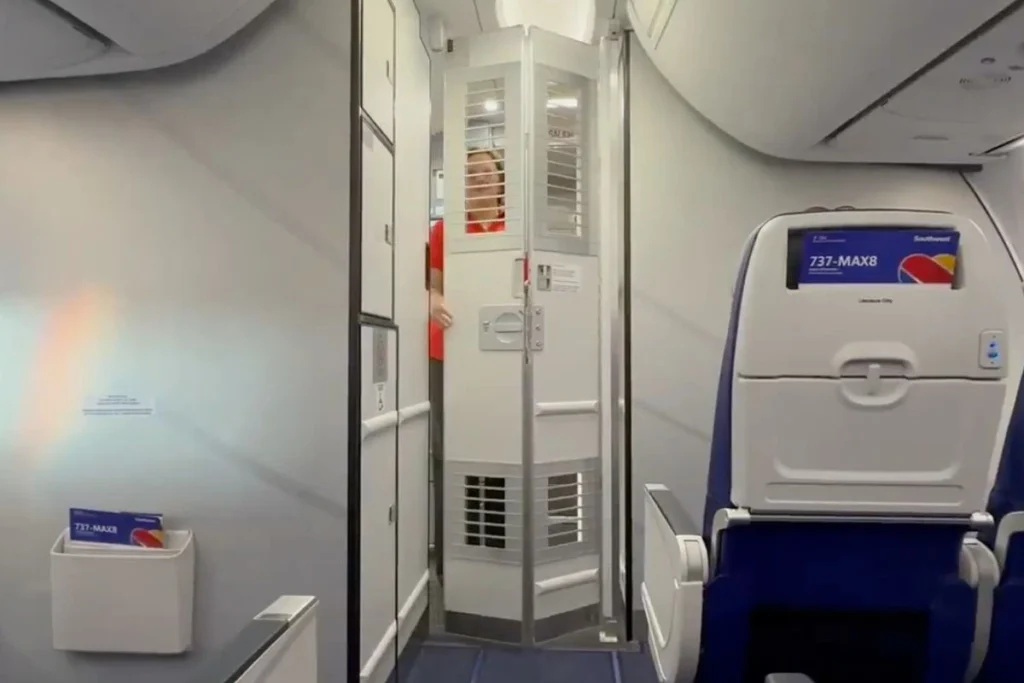
Secondary Cockpit Barriers
To further strengthen flight deck security, US regulations now require newly manufactured commercial aircraft to be equipped with secondary cockpit barriers.
These barriers provide an additional physical obstacle when the primary cockpit door is opened during flight.
While they are not designed to be bullet-resistant or blast-resistant like the main cockpit door, they help prevent unauthorized access during transitional periods.
Full implementation of the requirement has not yet been completed across all eligible aircraft categories.
Current regulations also do not require airlines to retrofit older aircraft with secondary barriers. As of now, no major US airline has publicly announced plans to voluntarily install these barriers across aircraft that fall outside the regulatory mandate.
Ongoing Aviation Security Focus
The diversion of United Airlines flight UA2005 demonstrates the importance of rapid crew response and strict cockpit security procedures when onboard threats emerge.
The successful lockdown of the cockpit, assistance from off-duty law enforcement officers, and safe diversion to Madison helped ensure the incident remained under control.
The event also highlights why airlines continue to invest in layered security measures designed to protect passengers, crew members, and flight operations.
Stay tuned with us. Further, follow us on social media for the latest updates.
Join us on Telegram Group for the Latest Aviation Updates. Subsequently, follow us on Google News
