

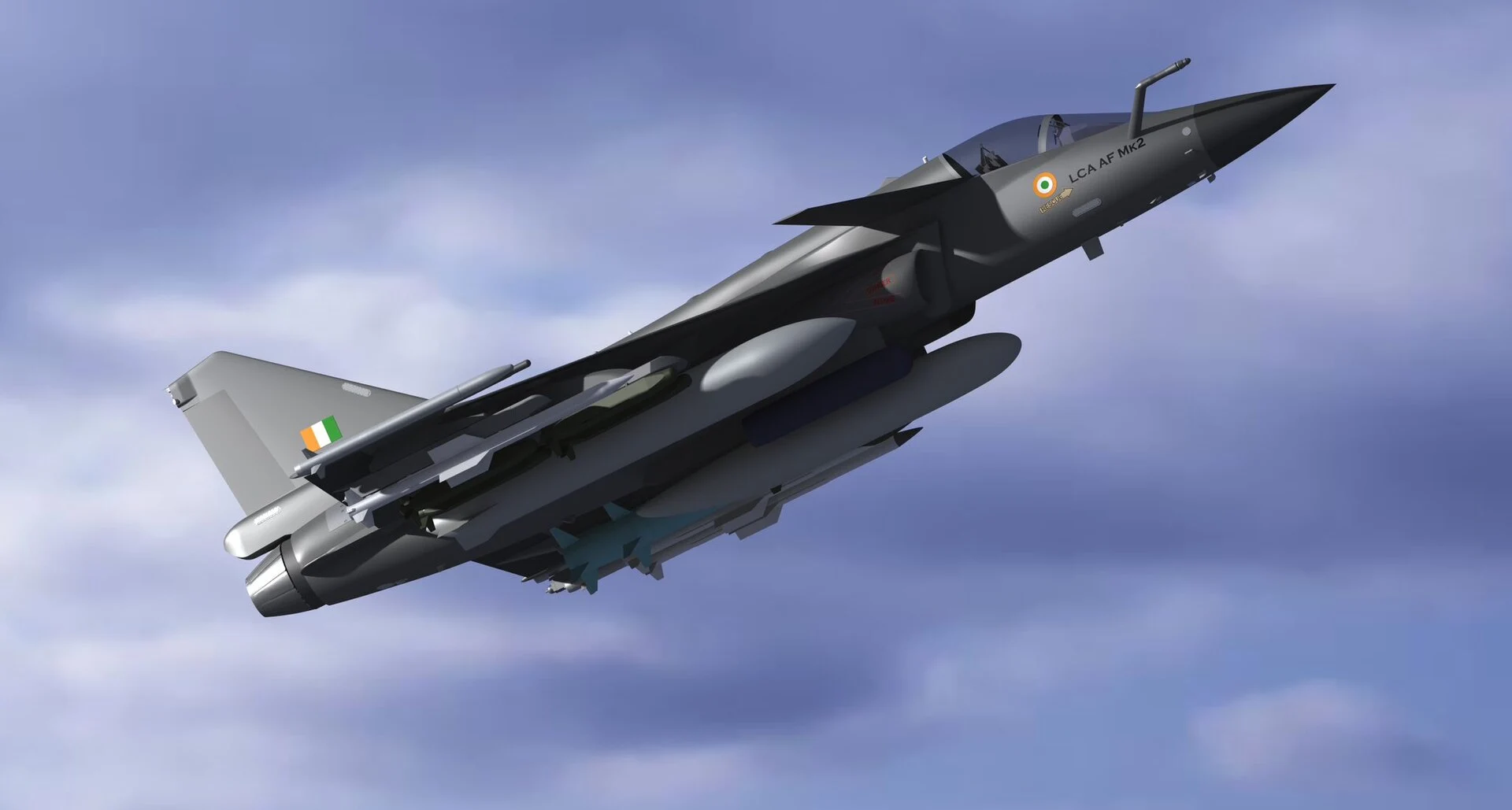
NEW DELHI— India’s indigenous fifth-generation fighter aircraft programme has entered a major new phase after the Ministry of Defence issued a Request for Proposal (RFP) to three shortlisted industry groups for the Advanced Medium Combat Aircraft (AMCA) project.
The shortlisted bidders include Tata Advanced Systems, the Larsen & Toubro-Bharat Electronics Limited consortium, and Bharat Forge in partnership with BEML.
The move represents one of the biggest shifts in India’s aerospace manufacturing strategy, with private firms now competing for a programme historically associated with state-run defence giant Hindustan Aeronautics Limited (HAL).
The AMCA programme is widely regarded as India’s most ambitious combat aircraft development effort. The stealth fighter is expected to become the backbone of the Indian Air Force’s future air combat capability from the mid-2030s as regional military aviation competition intensifies across Asia.
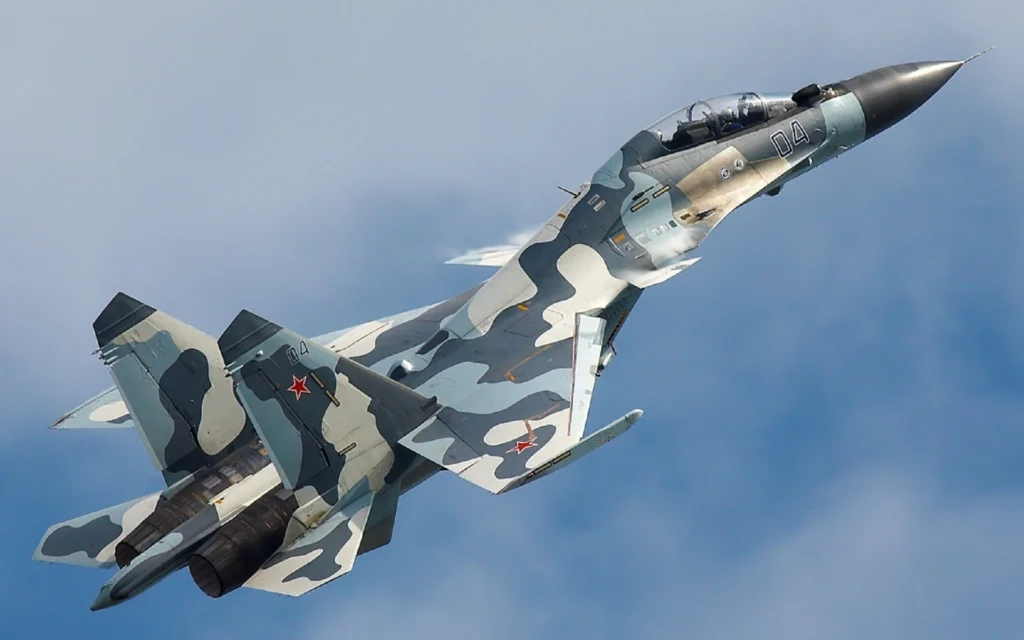
India currently operates mainly fourth- and 4.5-generation aircraft, including the Dassault Rafale, Sukhoi Su-30MKI, HAL Tejas, MiG-29, Mirage 2000, and Jaguar fighters. However, the country does not yet field any operational fifth-generation stealth aircraft.
India’s 5th Gen Fighter Jet: AMCA Development
The Advanced Medium Combat Aircraft is being designed as a twin-engine stealth fighter capable of penetrating heavily defended enemy airspace while surviving against advanced radar and missile systems.
The aircraft will incorporate low-observable shaping, internal weapons bays, advanced electronic warfare systems, sensor fusion, and artificial intelligence-enabled decision support technology.
Officials involved with the programme say the AMCA will also feature network-centric warfare capability, allowing the aircraft to share battlefield data with drones, airborne warning aircraft, and other combat assets in real time.
This capability has become increasingly important in modern air warfare, where information dominance often determines combat effectiveness.
Under current plans, the selected industry partner will work alongside the Aeronautical Development Agency (ADA) to build five AMCA prototypes by 2031. The initial government allocation for the development phase exceeds Rs 15,000 crore.
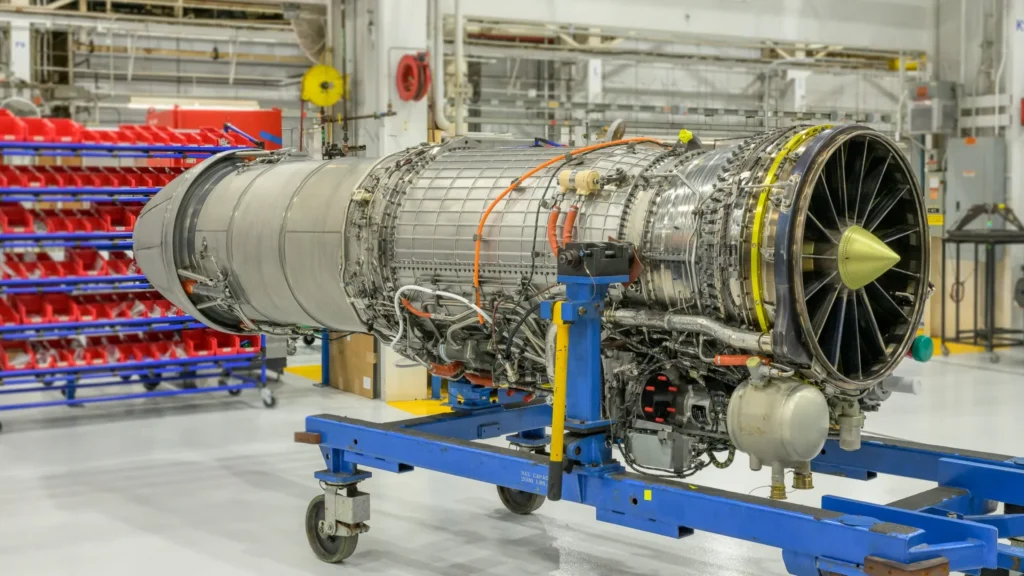
The project is expected to proceed in multiple phases. Early variants will likely use General Electric F414 engines sourced from the United States.
Later versions could feature more powerful next-generation engines developed either domestically or in partnership with international manufacturers such as GE Aerospace, France’s Safran, or Britain’s Rolls-Royce.
Defence analysts believe the AMCA could eventually evolve into a family of stealth aircraft with expanded strike, electronic warfare, and unmanned teaming capabilities.
Private Sector Push
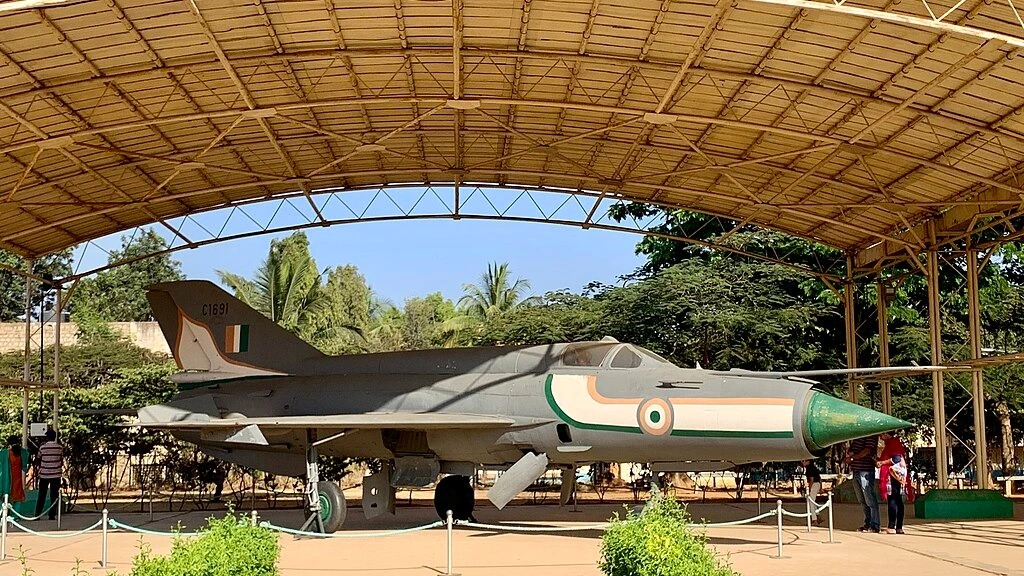
The latest development marks a major transformation in India’s defence production ecosystem. For decades, HAL dominated combat aircraft manufacturing in India, but the AMCA execution model now allows private firms to compete directly for leadership roles in strategic aerospace projects.
The Larsen & Toubro-Bharat Electronics Limited combination brings extensive experience in defence electronics, radar systems, naval engineering, and missile infrastructure.
Tata Advanced Systems has expanded aggressively into aerospace manufacturing over the last decade and already works with global defence firms across military aviation programmes.
Bharat Forge, meanwhile, has emerged as a growing defence manufacturer with increasing involvement in artillery systems, armoured vehicles, aerospace components, and military platforms.
Its partnership with BEML further strengthens its industrial capability for large-scale defence manufacturing projects.
The Ministry of Defence has stated that the new competitive execution model aims to strengthen domestic aerospace manufacturing while accelerating technological innovation under India’s broader self-reliance strategy.
Earlier this month, Defence Minister Rajnath Singh and Andhra Pradesh Chief Minister N. Chandrababu Naidu laid the foundation stone for a Rs 16,000 crore AMCA infrastructure project in Sri Sathya Sai district. Singh described the initiative as a “historic chapter” in India’s defence manufacturing journey.
The project also includes plans to establish a major drone manufacturing ecosystem in Kurnool involving eight drone companies.
Rising Regional Pressure
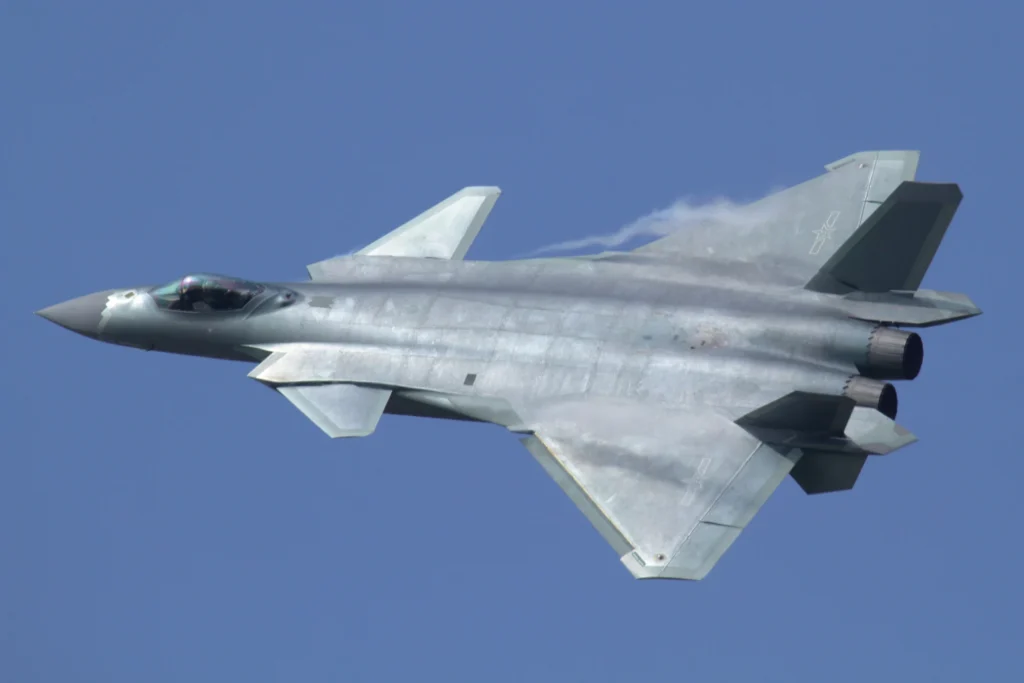
India’s push toward a fifth-generation fighter programme comes amid rapidly evolving military aviation developments in the region. China already operates stealth fighters such as the Chengdu J-20 and has showcased sixth-generation aircraft concepts, including the Chengdu J-36 and Shenyang J-50.
Pakistan is also expected to strengthen its air combat capability with the potential induction of Chinese-origin stealth aircraft in the coming years. These developments have increased pressure on India to accelerate indigenous next-generation fighter development.
At the same time, the Indian Air Force continues to face concerns over declining squadron strength. Delays in aircraft procurement and retirement of older fighter fleets have widened the gap between sanctioned and operational squadron numbers.
The AMCA programme is therefore viewed not only as a technological milestone but also as a strategic necessity for maintaining long-term air superiority in the region.
HAL Questions
The programme has also triggered debate surrounding HAL’s role in future fighter aircraft development. Earlier reports suggesting HAL was not part of the initial AMCA shortlist led to sharp declines in the company’s share price.
HAL later clarified that it had received no official communication regarding exclusion from the programme.
The company reiterated that it remains deeply engaged in multiple major defence aviation projects, including the Tejas Mk-1A, Tejas Mk-2, Combat Air Teaming System (CATS), Light Combat Helicopter, and Indian Multi Role Helicopter programme.
The state-run aerospace manufacturer currently manages significant production commitments, including 180 Tejas Mk-1A fighters and 108 Tejas Mk-2 aircraft, TOI flagged.
HAL has also acknowledged delays in Tejas deliveries due to engine supply constraints from GE Aerospace, but maintains that future schedules are expected to stabilise.
Despite uncertainty surrounding its exact role in AMCA development, HAL is expected to remain closely linked to India’s broader military aviation ecosystem because of its extensive manufacturing infrastructure and operational experience.
If development timelines remain on track, the AMCA could become India’s first operational indigenous stealth fighter by the mid-2030s and significantly reshape the country’s future air combat capability.
Stay tuned with us. Further, follow us on social media for the latest updates.
Join us on Telegram Group for the Latest Aviation Updates. Subsequently, follow us on Google News
