


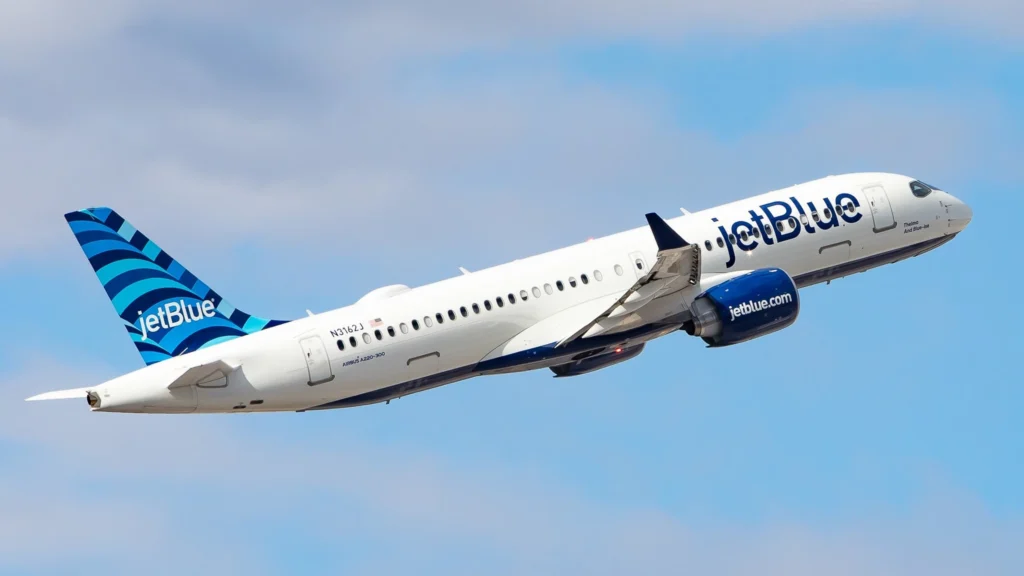
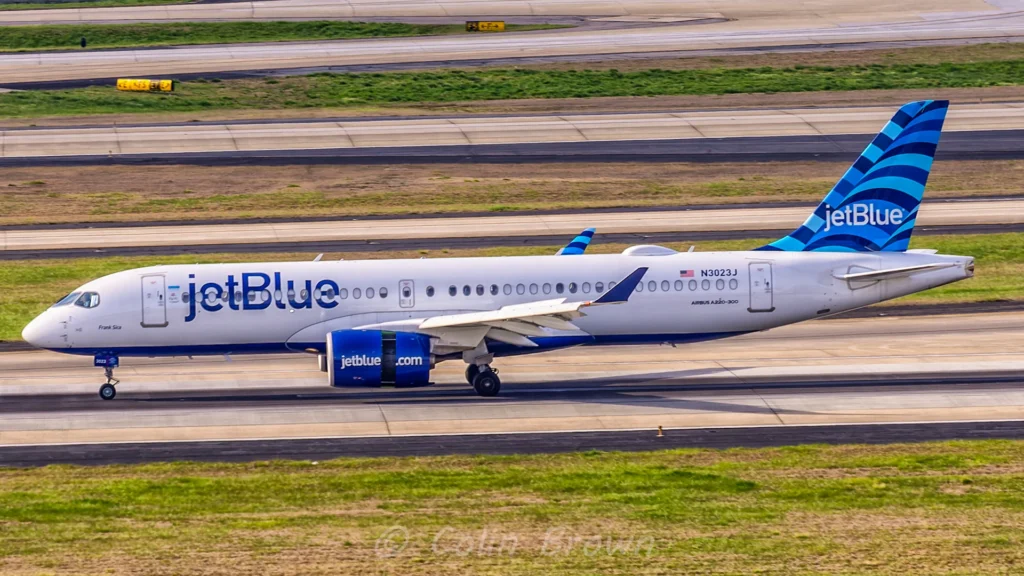
NEW YORK– JetBlue Airways (B6) is facing a proposed class action lawsuit in federal court after allegations emerged that the airline tracked customer behavior online and adjusted ticket prices based on personal data.
The complaint, filed in Brooklyn, has intensified scrutiny around airline pricing practices and digital privacy policies in the United States.
The controversy began after a JetBlue customer publicly complained on social media about a sudden $230 increase in airfare while attempting to book a ticket.
The airline’s customer service account responded by suggesting the traveler clear browser cookies or use an incognito window, a reply that quickly drew widespread attention before being deleted.
JetBlue Lawsuit Targets Pricing
Plaintiff Andrew Phillips filed the lawsuit on April 22 in federal court in Brooklyn, accusing JetBlue of using behavioral tracking tools without adequately informing customers.
The complaint alleges that the airline collected browsing activity and used that data to determine how much certain customers were willing to pay for airfare.
According to the lawsuit, JetBlue worked with technology firms that specialize in real-time pricing systems and customer session analytics.
The complaint specifically names PROS Holdings and FullStory as third-party companies involved in the airline’s digital infrastructure.
The legal filing argues that JetBlue’s privacy disclosures did not clearly explain how customer tracking data could influence airfare pricing. Plaintiffs claim the practice may violate consumer protection and electronic communications laws.
JetBlue has denied the allegations and stated that its fares are based on market demand rather than individual customer profiles. The airline also said the social media response that sparked the controversy did not accurately reflect company policy.

Tracking Technology Scrutiny
The lawsuit has placed renewed attention on “surveillance pricing,” a term used to describe dynamic pricing models that rely on behavioral or personal data.
While dynamic airfare pricing itself is common across the airline industry, critics argue that individualized pricing based on user activity raises transparency concerns.
Consumer advocates have increasingly questioned how airlines, retailers, and online travel companies use digital tracking technology. Many modern booking platforms collect information such as browsing patterns, device types, purchase urgency, and session behavior.
Legal experts note that the case does not directly challenge the legality of dynamic pricing. Instead, the complaint focuses on whether JetBlue sufficiently disclosed how tracking technologies operated on its website.
The case may also influence how companies draft future privacy policies. Businesses across aviation, hospitality, and e-commerce sectors are monitoring the lawsuit closely because similar digital tools are widely used throughout online commerce.
Regulatory Pressure Grows
The JetBlue lawsuit arrives as lawmakers and regulators increase scrutiny of data-driven pricing systems. Maryland recently became the first U.S. state to pass legislation specifically targeting surveillance pricing practices.
Officials in New York and California have also pushed for stronger oversight regarding the use of personal data in consumer pricing decisions.
Several federal lawmakers have reportedly requested clarification from JetBlue regarding whether personal circumstances or browsing behavior could affect airfare costs, LawNews flagged.
Stay tuned with us. Further, follow us on social media for the latest updates.
Join us on Telegram Group for the Latest Aviation Updates. Subsequently, follow us on Google News
