

When people talk about “big airports,” they usually mean passenger numbers or flight movements. But some airports are truly massive in a far more literal sense.
By sheer land area, the world’s largest airports resemble small cities, complete with multiple runways, cargo zones, maintenance bases, staff housing, logistics hubs, and long-term expansion reserves.
These airports were designed with future growth firmly in mind. Many sit far outside city centres, allowing them to grow without urban constraints, while others serve as strategic national assets supporting defence, cargo, energy, or regional development.
Largest Airports in the World in 2026
In 2026, the airports on this list stand out not just for size but for how effectively they use that space to support aviation, trade, and connectivity on a global scale.
1. King Fahd International Airport – Dammam, Saudi Arabia
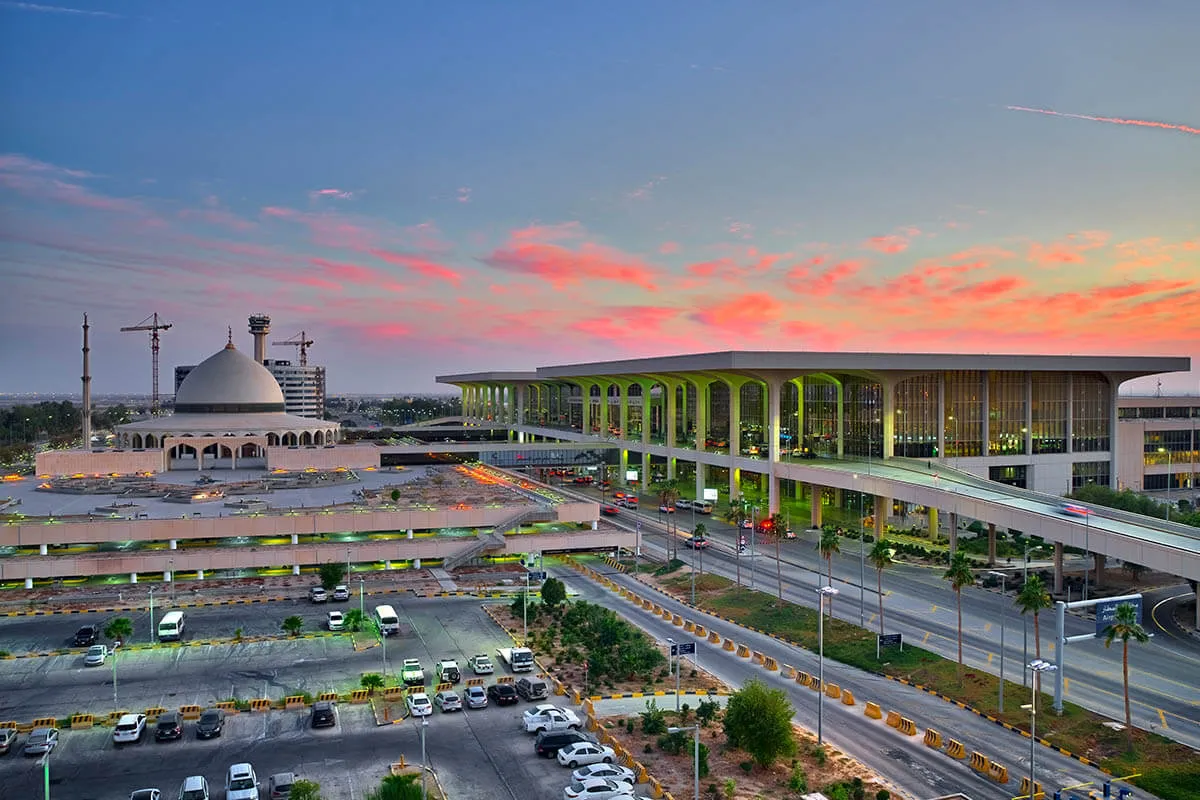
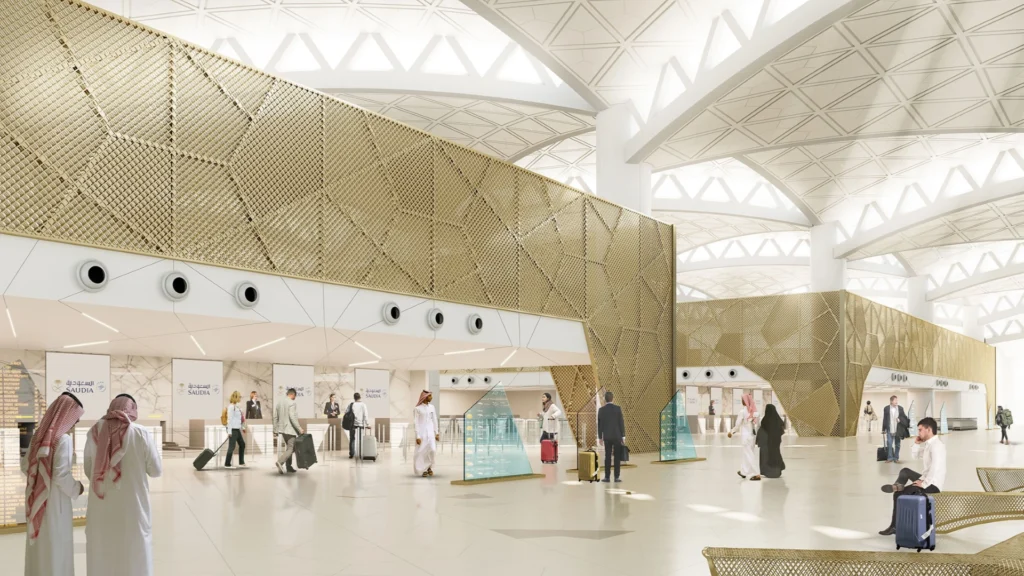
King Fahd International Airport remains the undisputed giant of global aviation by land area. Spread across an astonishing desert footprint, the airport is larger than some entire cities. Its layout includes separate terminals for commercial flights, royal operations, cargo, and energy-sector aviation, reflecting the strategic importance of Saudi Arabia’s Eastern Province.
While passenger traffic is modest compared to global mega-hubs, the sheer space allows unmatched flexibility for future expansion, logistics development, and aviation-linked industries.
Long runways, minimal congestion, and generous airspace make it ideal for wide-body and cargo operations. This is an airport built not for today’s demand, but decades of long-term planning.
2. Denver International Airport – Denver, United States
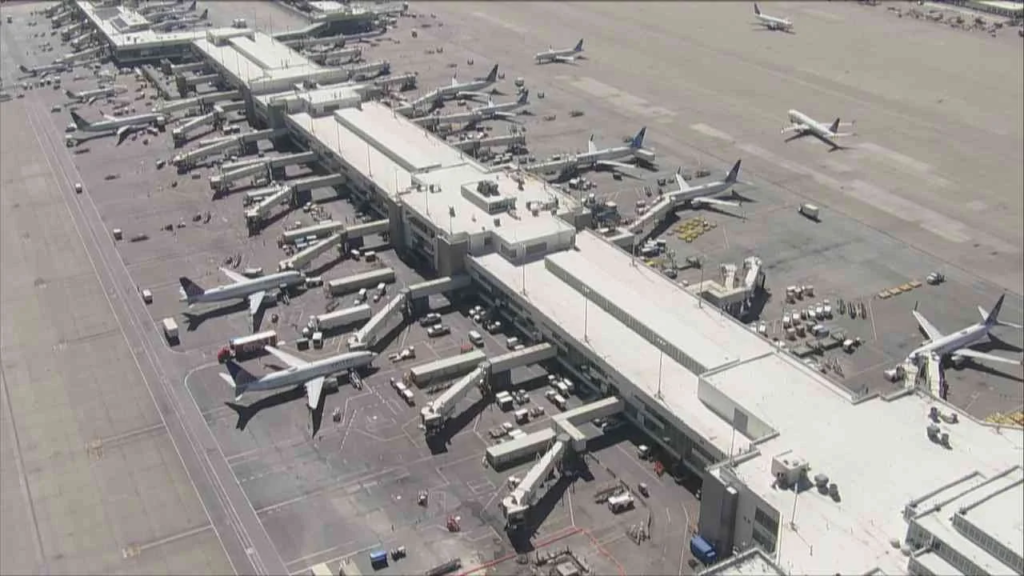
Denver International Airport combines immense scale with striking architecture. Its vast land area was deliberately chosen to allow unrestricted runway development, avoiding the bottlenecks faced by older city-bound airports.
The iconic peaked roof, inspired by the Rocky Mountains, gives it instant visual identity, but behind the scenes, DEN operates like a logistics powerhouse.
Multiple parallel runways allow simultaneous take-offs and landings, even in poor weather. The surrounding land also supports cargo operations, fuel farms, and long-term terminal expansion.
Denver’s position near the geographic centre of the United States further enhances its role as a key domestic and international connector.
3. Kuala Lumpur International Airport – Malaysia
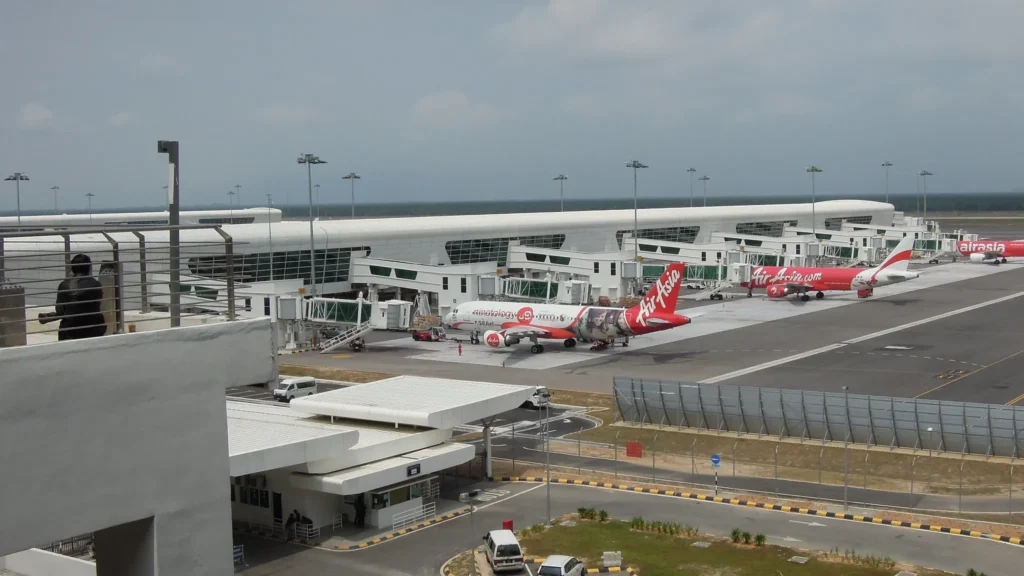
Kuala Lumpur International Airport was designed as an “airport city,” blending vast scale with calm, nature-inspired architecture. Built well outside the capital, it sits within a huge land reserve that provides space for future terminals, runways, and aeronautical development.
The airport’s design integrates natural light, open spaces, and greenery, helping soften the experience despite its size. KLIA supports both passenger and cargo traffic across Southeast Asia and acts as a vital hub linking Asia, the Middle East, and Australia.
Its generous footprint has allowed Malaysia to plan aviation growth without the pressure of surrounding urban sprawl.
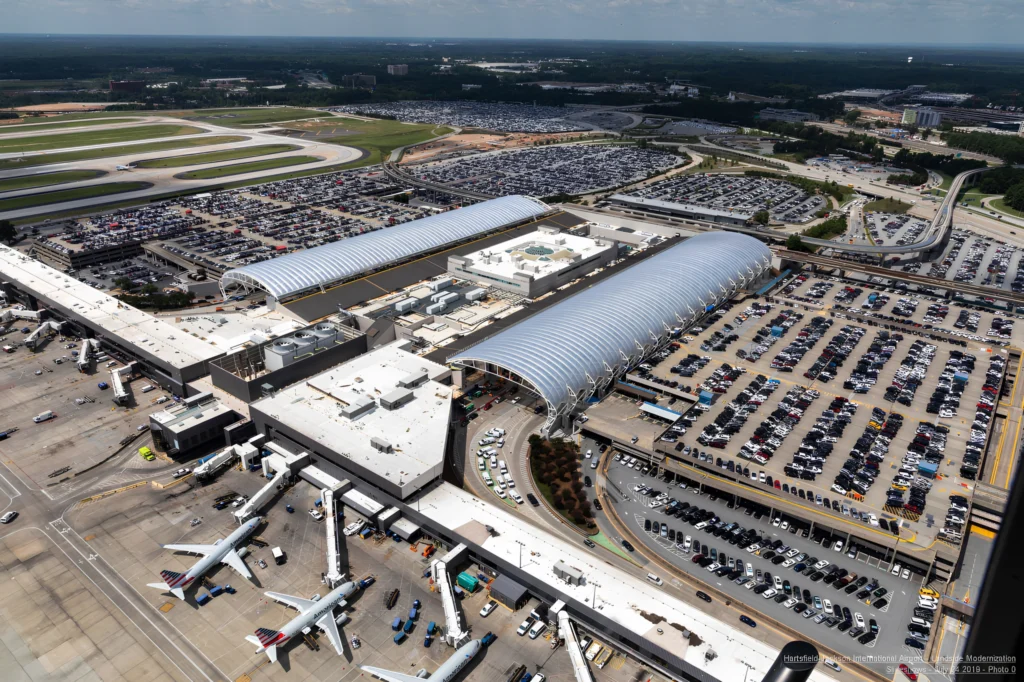
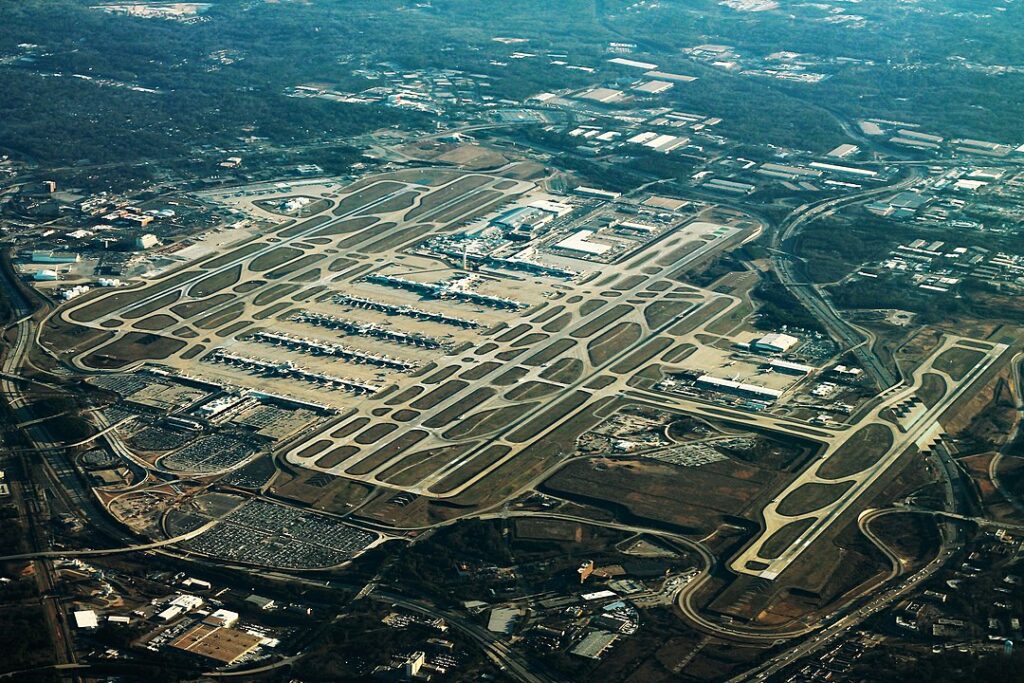
4. Hartsfield-Jackson Atlanta International Airport – United States
Atlanta’s airport is a rare example of immense land area paired with extraordinary passenger throughput. Spread across a wide site, ATL operates multiple parallel runways that keep aircraft moving with remarkable efficiency.
The airport’s scale supports its role as one of the world’s most important airline hubs, particularly for domestic and transatlantic travel.
Despite handling staggering volumes of passengers, the land available allows smooth runway separation, rapid aircraft movement, and constant infrastructure upgrades. Atlanta proves that size, when well managed, can translate directly into operational reliability.

5. Istanbul Airport – Turkey
Istanbul Airport was built with ambition on a grand scale. Positioned between Europe and Asia, its vast land area reflects Türkiye’s vision of becoming a global aviation crossroads. The airport was planned from scratch, allowing runways, terminals, and cargo zones to be optimally arranged rather than retrofitted.
Its monumental terminal design houses enormous passenger flows, while the surrounding land ensures future expansion is already accounted for. Istanbul’s location, combined with its physical scale, allows it to function as both a mega-hub and a long-term strategic aviation asset.
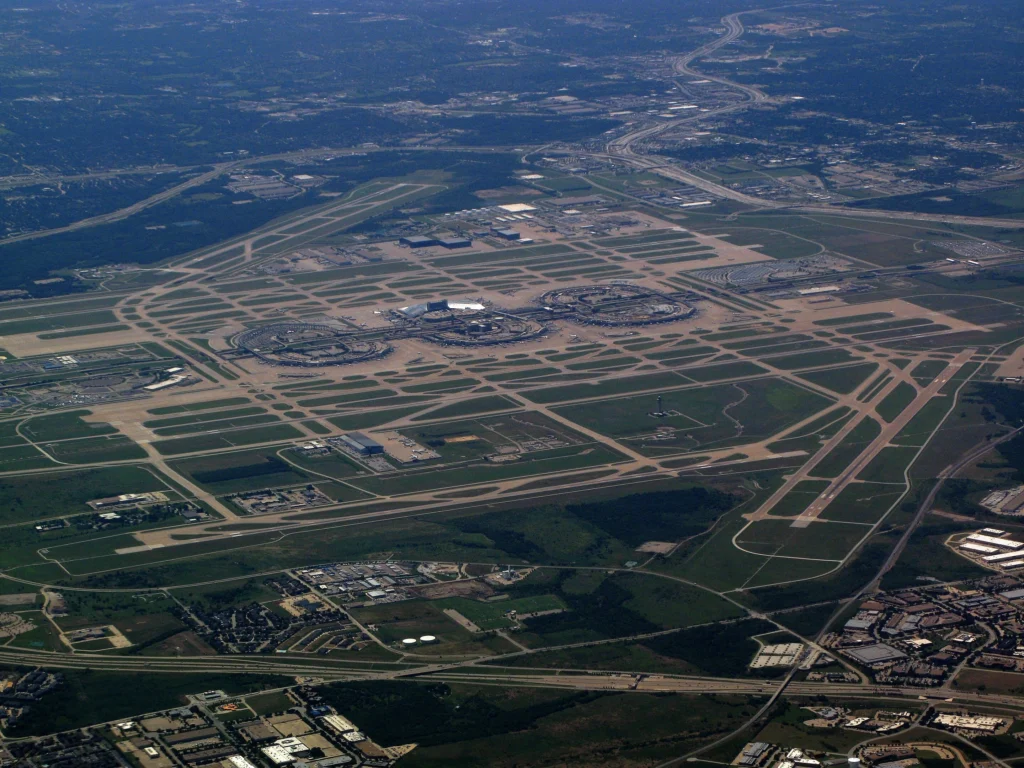
6. Dallas/Fort Worth International Airport – United States
Dallas/Fort Worth International Airport feels less like an airport and more like a fully functioning city. Its expansive land area allows for a unique terminal layout connected by internal transport systems, making aircraft movements efficient despite high traffic volumes.
DFW supports major passenger operations alongside significant cargo and maintenance facilities.
The surrounding space gives airlines flexibility to base aircraft, expand routes, and operate without the congestion typical of older hubs. It remains one of the most adaptable airports in the world thanks to its size.
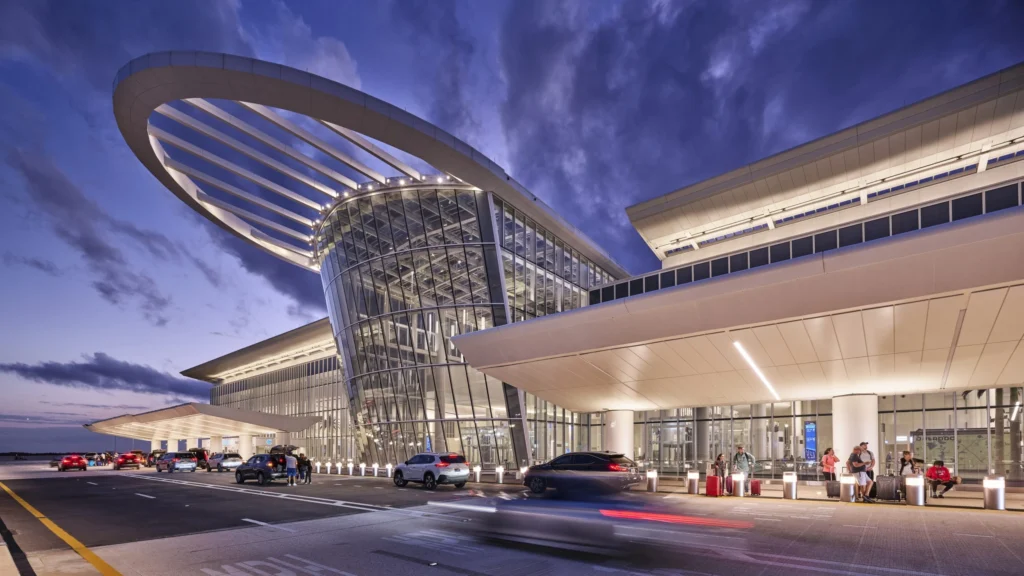
7. Orlando International Airport – United States
Orlando International Airport benefits enormously from its spacious footprint. Originally developed from a military base, the airport has evolved into one of America’s busiest leisure gateways.
The land available has enabled multiple runways, new terminals, and modern transport links without disrupting ongoing operations.
Orlando’s size allows it to handle extreme seasonal peaks tied to tourism while still planning for future growth. Few airports balance high passenger turnover with long-term spatial flexibility as effectively as Orlando.
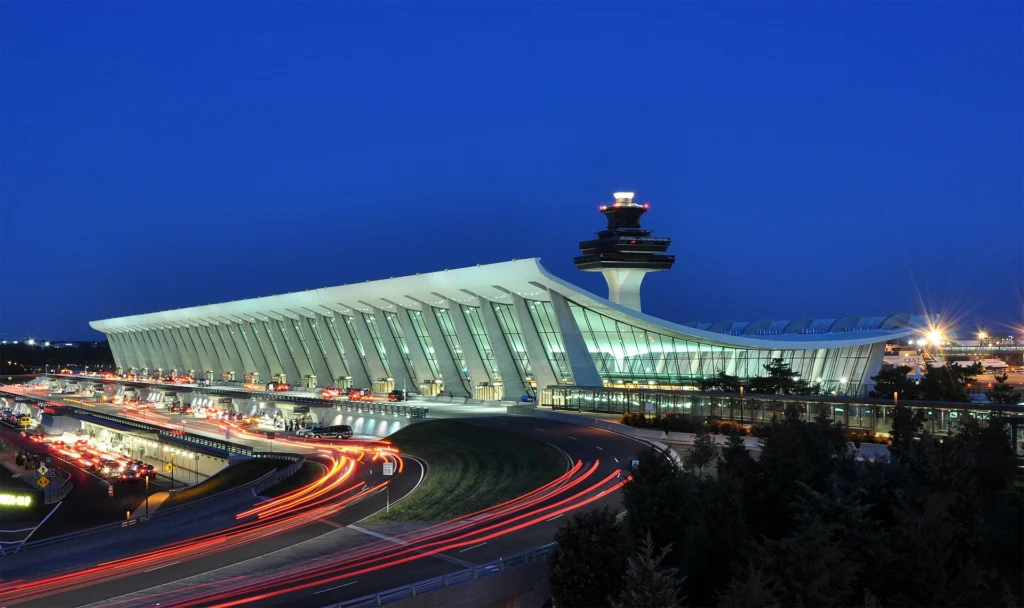
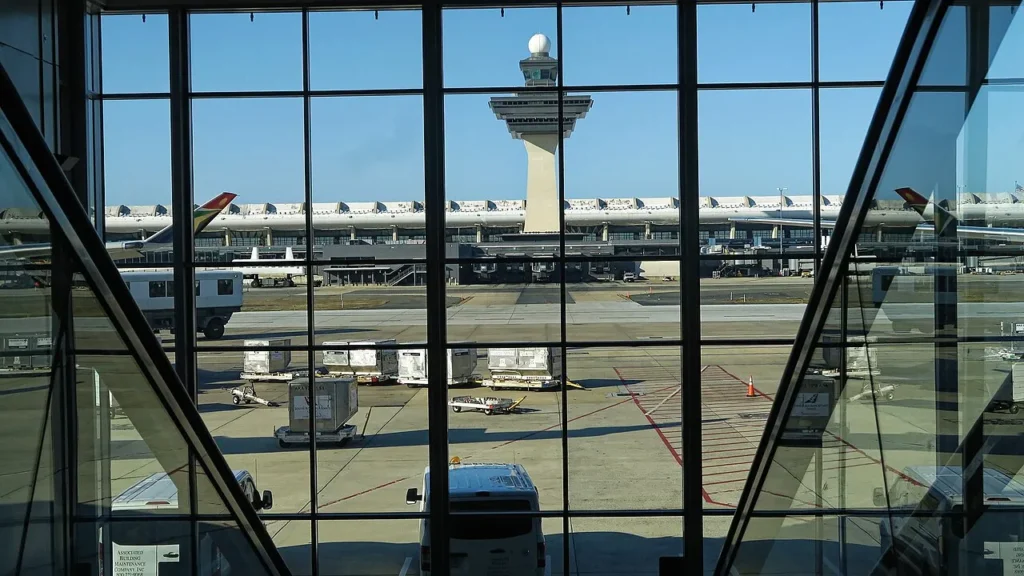
8. Washington Dulles International Airport – United States
Washington Dulles stands out both architecturally and geographically. Its iconic terminal sits within a wide expanse of land that supports long runways, cargo operations, and secure government traffic.
The generous space allows Dulles to accommodate large aircraft and international routes with minimal constraints. Over time, the airport has adapted its layout while retaining the ability to grow outward rather than upward. Its size reinforces its role as a major international gateway serving the U.S. capital region.
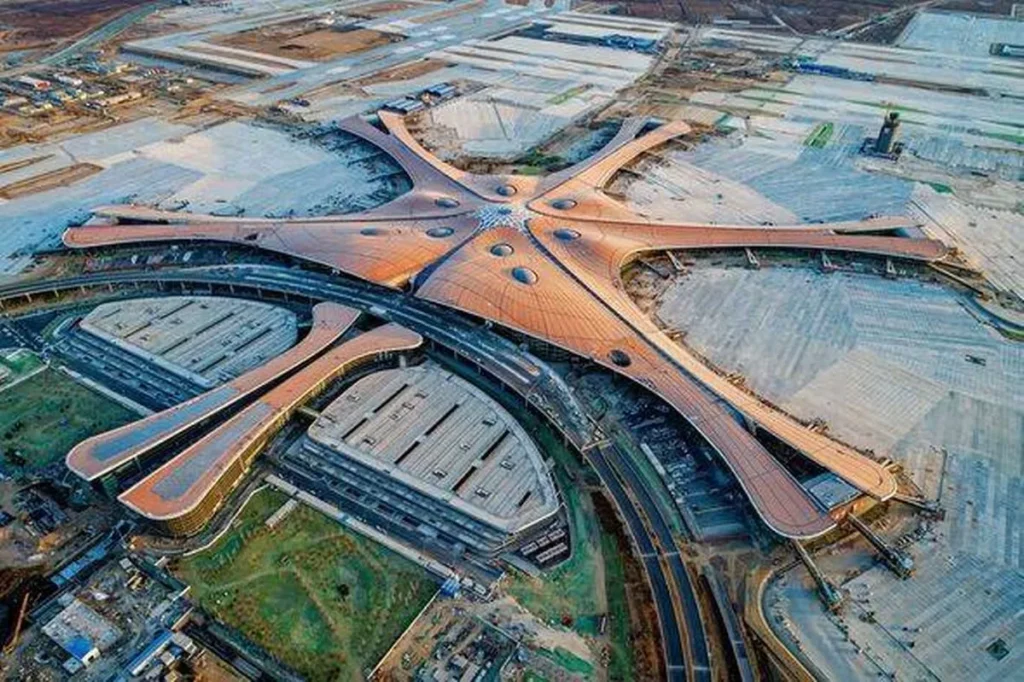
9. Beijing Daxing International Airport – China
Beijing Daxing represents modern aviation planning on a massive scale. While younger than many airports on this list, its land area was carefully allocated to support China’s long-term growth in air travel.
The airport’s distinctive radial terminal design shortens walking distances while surrounding space allows for additional runways and support facilities. Daxing plays a crucial role in relieving congestion from older airports while setting new benchmarks for capacity planning and efficiency in Asia.
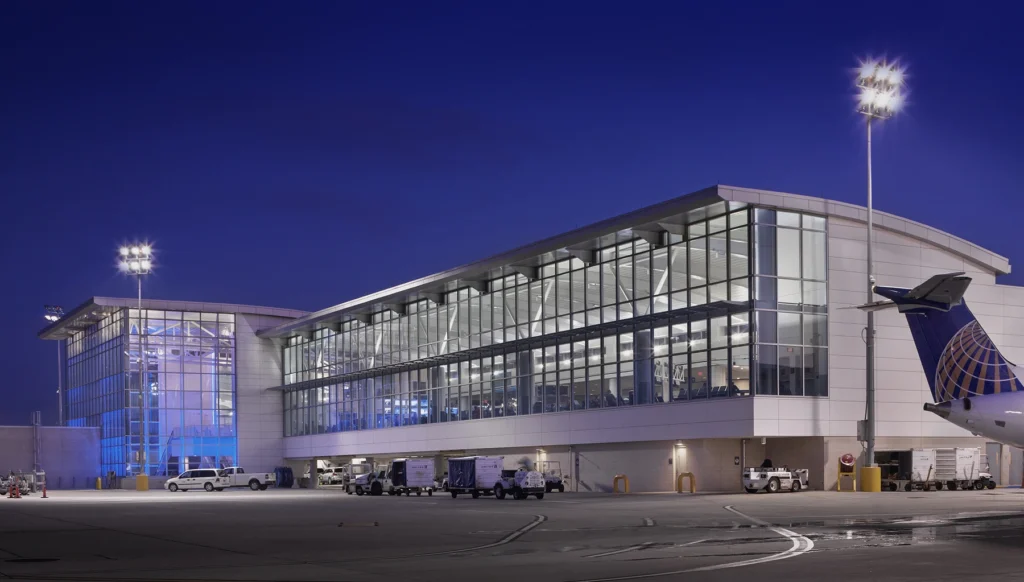
10. George Bush Intercontinental Airport – Houston, United States
George Bush Intercontinental Airport rounds out the list with a land area that supports both passenger and cargo dominance. Houston’s role in global energy, trade, and manufacturing makes IAH a vital logistics hub.
The airport’s spacious site supports multiple terminals, extensive cargo zones, and wide-body operations linking the Americas, Europe, and Asia. Expansion projects continue without spatial limitation, ensuring the airport remains competitive well into the future.
Bottom Line
The world’s largest airports are not defined by terminals alone, but by the space they command and the long-term vision behind them. These vast aviation landscapes enable smoother operations, future expansion, and strategic flexibility that smaller airports simply cannot match.
As global air travel continues to evolve, size remains one of the most powerful tools an airport can have when paired with smart planning and efficient execution.
Largest Airports in the World FAQs
In this context, it refers strictly to total land area, not passenger numbers, terminals, or flight movements.
No. Some extremely large airports handle moderate traffic but maintain vast land reserves for future growth, cargo, or strategic use.
Large airports allow long-term expansion, reduce congestion, support cargo and military operations, and protect aviation infrastructure from urban encroachment.
Stay tuned with us. Further, follow us on social media for the latest updates.
Join us on Telegram Group for the Latest Aviation Updates. Subsequently, follow us on Google News
