


Modern airports are no longer just places where journeys begin or end. The very best airports now function like mini-cities, offering premium lounges, designer shopping, transit hotels, spas, gardens, museums, entertainment zones, family areas, and dining that can rival city restaurants.
For millions of travellers, the airport experience can shape the entire mood of a trip. A chaotic terminal can ruin a journey before boarding, while a smooth and enjoyable one can make travel feel almost luxurious.
That is why the annual Skytrax World Airport Awards attract so much attention across the aviation world.
The rankings are based on global passenger surveys covering check-in efficiency, immigration, security, terminal comfort, cleanliness, shopping, food, signage, transfers, and staff service.
In the 2026 edition, Asian airports again dominate the very top, while Europe remains highly competitive and North America manages one place in the top ten.
Top 10 Airports in the World in 2026
Here are the top 10 best airports in the world in 2026 according to Skytrax.
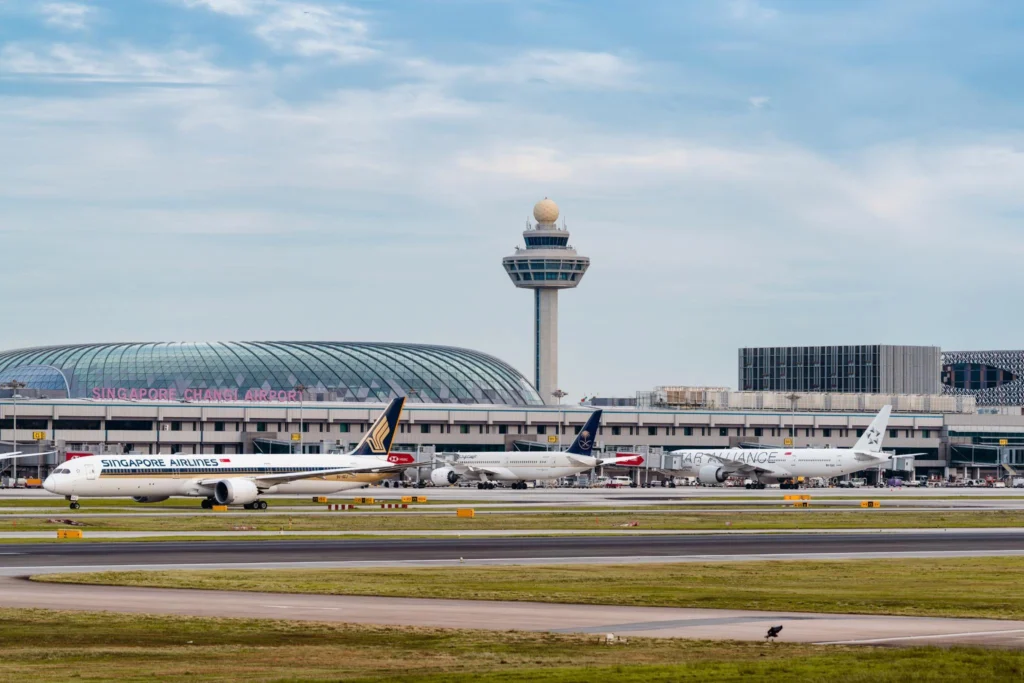
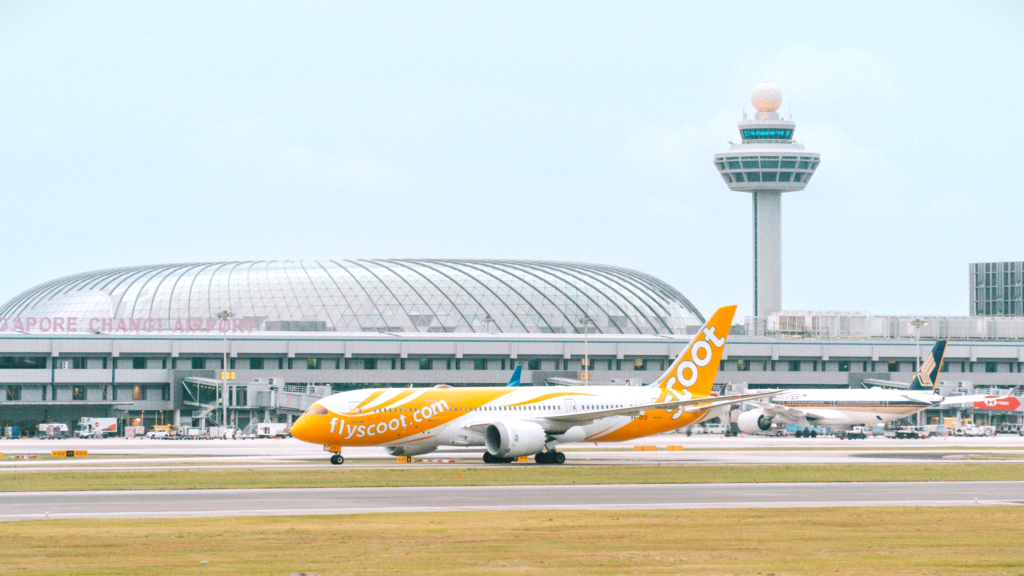
1. Singapore Changi Airport (Singapore)
Singapore Changi remains number one, and frankly, it has become almost unfair to the competition. Changi is more than an airport – it feels like a world-class attraction that also happens to have runways.
It’s famous Jewel complex includes the Rain Vortex indoor waterfall, lush gardens, retail areas, restaurants, walking trails, and entertainment spaces. Beyond that, passengers enjoy butterfly gardens, cinemas, rest zones, showers, excellent lounges, and superb transit convenience.
Efficiency is another reason it keeps winning. Immigration is usually smooth, signage is excellent, and terminals feel calm despite heavy traffic. Cleanliness standards are among the best anywhere.
For transit passengers facing long layovers, Changi is the gold standard. Many travellers actually hope for extra connection time here, which says everything.
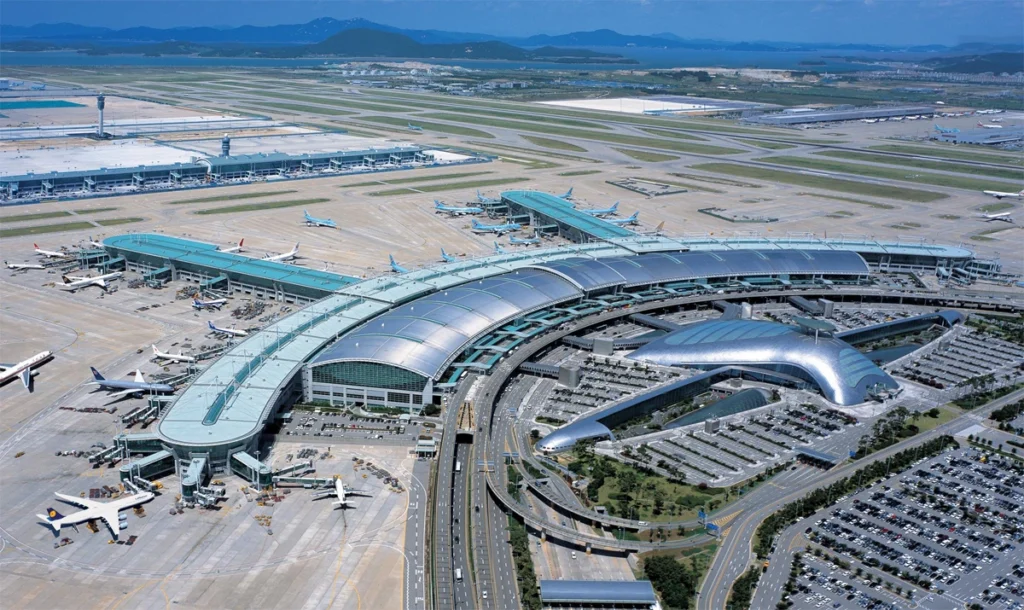
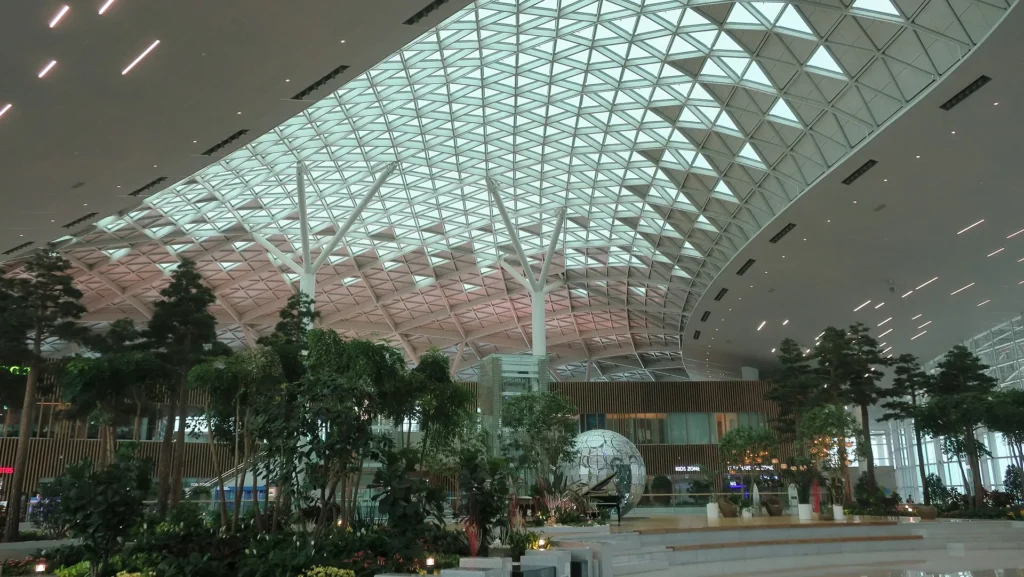
2. Seoul Incheon Airport (South Korea)
Seoul Incheon rises into second place and continues to build a reputation as one of the world’s most user-friendly airports. It is modern, spacious, bright, and designed with passenger comfort in mind.
Travellers regularly praise the airport for clear signage, short walking stress, reliable transfer systems, and consistently high cleanliness. Incheon also offers cultural zones, Korean food choices, relaxation areas, and family-friendly facilities.
It serves as a major hub linking Asia with North America, Europe, and Oceania, so efficiency matters. Thankfully, it usually delivers. Connections tend to be smooth, and staff are often rated highly for professionalism.
Incheon may not have Changi’s showpiece attractions, but for many passengers, it offers one of the easiest and least stressful airport experiences in the world.

3. Tokyo Haneda Airport (Japan)
Tokyo Haneda keeps its elite position thanks to precision, punctuality, and immaculate standards. If you enjoy order and calmness while travelling, Haneda is difficult to beat.
One of its greatest advantages is location. Haneda sits much closer to central Tokyo than Narita, making it highly convenient for business travellers and short-stay visitors. That time saving alone matters hugely.
Inside the terminals, passengers find excellent cleanliness, thoughtful design, dependable services, and classic Japanese efficiency. Queues often move quickly, while staff service is famously polite and professional.
Food options are also strong, blending Japanese quality with international convenience. Haneda proves an airport does not need gimmicks to be world-class. Sometimes, flawless execution is enough.
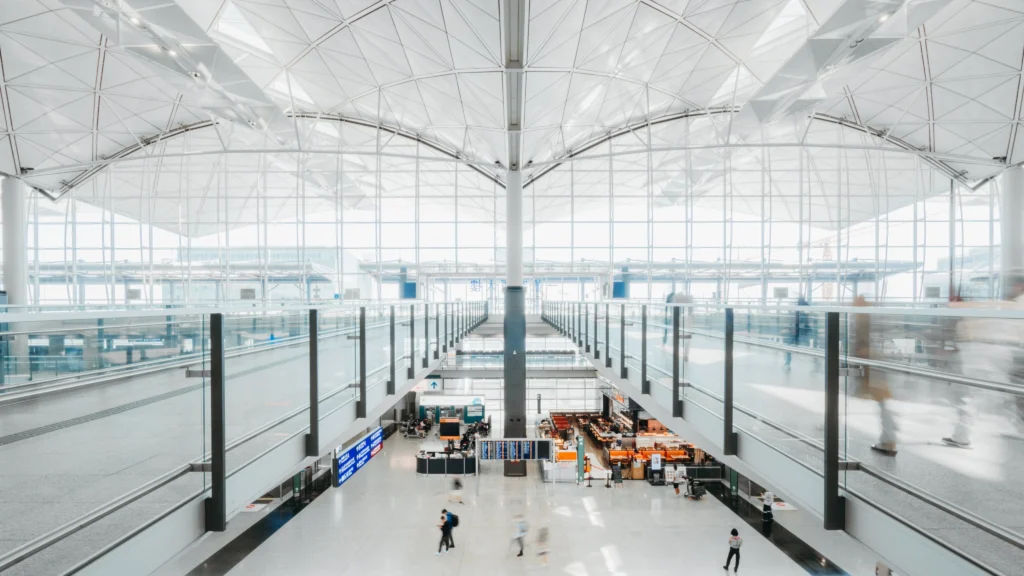
4. Hong Kong International Airport (Hong Kong)
Hong Kong International climbs to fourth and remains one of the strongest transit airports anywhere on Earth. For years, it has been respected for efficiency, scale, and convenience.
The airport’s spacious layout helps avoid the cramped feeling seen at many mega hubs. Security and immigration flows are usually efficient, while transfer passengers benefit from strong signage and practical terminal planning.
Retail is a major strength, with premium shopping and strong dining choices. Lounges are also highly regarded, especially for long-haul travellers.
Hong Kong’s geographic position makes it ideal for connecting Asia, Australia, Europe, and North America. When operations run smoothly, it can feel almost effortless.

5. Tokyo Narita Airport (Japan)
Narita remains in the top five and gives Japan two airports in the world’s top tier. While Haneda is more convenient for Tokyo access, Narita remains hugely important for long-haul international travel.
Passengers often praise Narita for cleanliness, organised terminals, and dependable service culture. Staff professionalism stands out repeatedly, something Japan’s airports are known for.
Shopping and dining are strong, and there is a polished atmosphere throughout the terminals. Even when busy, Narita usually feels more controlled than many comparable large airports.
For international visitors arriving in Japan, Narita often provides a strong first impression—calm, efficient, and well run.
ALSO READ: Top 10 Best Airport Staff in the World in 2026
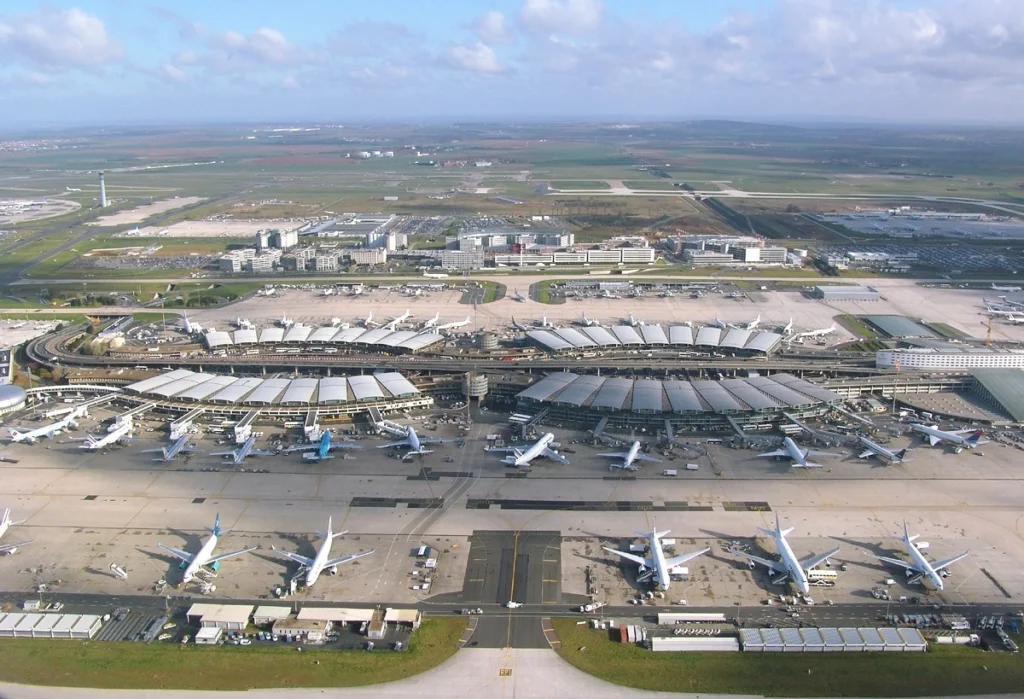
6. Paris Charles de Gaulle Airport (France)
Paris CDG takes sixth place and continues one of aviation’s better turnaround stories. Years ago, the airport had a mixed reputation. Today, it is much improved and firmly among the global leaders.
As one of Europe’s largest gateways, CDG handles enormous traffic volumes. That scale creates challenges, yet upgrades in terminals, passenger flow, lounges, and retail have clearly helped.
The airport benefits from strong Air France operations, giving premium passengers and long-haul travellers many quality services. Dining has also improved, reflecting Parisian expectations.
CDG can still feel large and busy, but it now combines scale with much better passenger comfort than in the past.
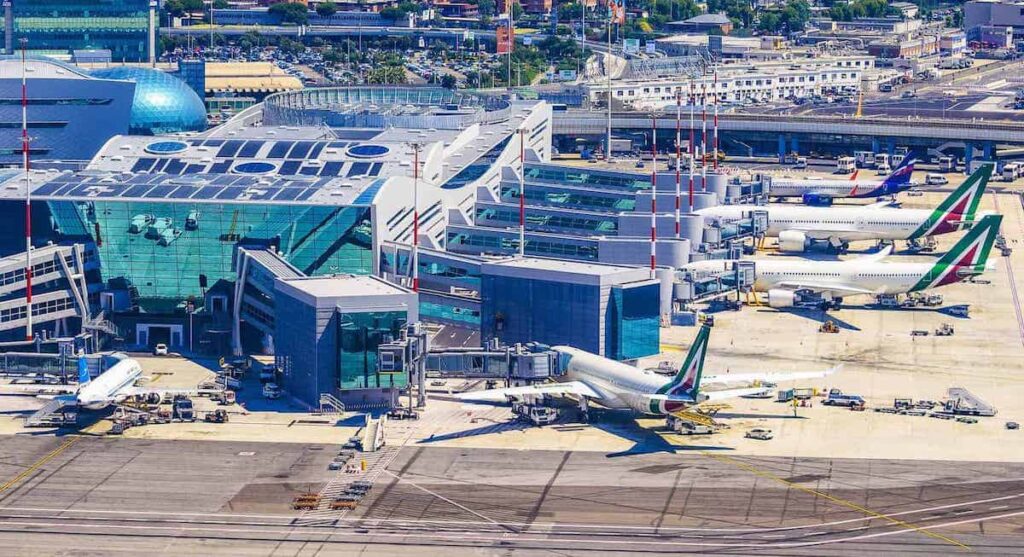
7. Rome Fiumicino Airport (Italy)
Rome Fiumicino has quietly become one of Europe’s most pleasant major airports. Ranking seventh globally is no accident.
Passengers increasingly praise its modernised terminals, cleanliness, smooth layout, and better service standards. It feels fresher and more stylish than many older European gateways.
Dining is naturally a strength. Italian food culture gives Fiumicino an edge, with cafés, espresso bars, and better meal options than many airports can offer. Retail is strong too.
As Italy’s main international hub, Fiumicino combines function with atmosphere. It manages to feel both efficient and distinctly Italian, which not every airport can claim.

8. Istanbul Airport (Turkiye)
Istanbul Airport jumps sharply into eighth place and reflects how quickly new mega hubs can rise when properly executed.
Built to serve as a global crossroads, Istanbul links Europe, Asia, Africa, and the Middle East with extraordinary route coverage. For transfer passengers, that makes it strategically important.
The terminal is vast, modern, and visually impressive. High ceilings, wide concourses, extensive shopping, lounges, and dining all help the experience. It can involve long walks, though that comes with scale.
Its rise in the rankings suggests passengers increasingly appreciate the combination of modern infrastructure and global connectivity.

9. Munich Airport (Germany)
Munich remains one of Europe’s most consistently admired airports. It may not be the flashiest airport on this list, but it is dependable, comfortable, and efficient.
Passengers like how easy it is to navigate compared with larger hubs. Transfers are generally straightforward, and the terminals feel organised rather than overwhelming.
Lounges, food options, cleanliness, and punctual operations all score strongly. Munich also benefits from Germany’s business travel demand, which helps maintain service standards.
Frequent flyers say Munich is one of the easiest large European airports to use repeatedly, and that reliability matters more than spectacle.

10. Vancouver International Airport (Canada)
Vancouver completes the top ten and is the only North American airport to make the list. That alone says plenty.
It is widely loved for its calm atmosphere, natural light, modern design, and views of mountains and water that create a uniquely West Coast arrival experience. Few airports feel this scenic.
Passengers also praise efficient border processing, helpful staff, and manageable terminal layouts. It often feels less stressful than many major US gateways.
For travellers entering North America from Asia or Europe, Vancouver can be one of the continent’s most pleasant first impressions.
Why Asian Airports Continue to Lead
Asia dominates the top end of airport rankings for several reasons:
- Newer terminal infrastructure in many markets
- Heavy investment in passenger experience
- Better integration of retail and leisure spaces
- Strong cleanliness standards
- Efficient transfer design for hub traffic
- Competitive service culture
- Ambition to use airports as national showcases
While Europe is improving quickly, Asian airports still tend to lead in balancing scale with comfort.

What Travellers Value Most in 2026
The modern traveller now expects more than just a gate and runway. Passengers increasingly reward airports that provide:
- Fast security and immigration
- Clear signage
- Comfortable seating
- Reliable Wi-Fi
- Quality dining
- Clean washrooms
- Transit rest areas
- Good lounges
- Family facilities
- Smooth baggage delivery
That is why airports like Changi and Incheon perform so strongly year after year.
Bottom Line
The best airports in the world in 2026 prove that air travel can still feel enjoyable when the terminal experience is done properly.
Singapore Changi remains in a league of its own, combining entertainment with elite efficiency. Seoul Incheon and Tokyo Haneda show why North Asia continues to excel, while Hong Kong and Narita remain world-class choices for long-haul travellers.
Europe responds strongly through Paris CDG, Rome Fiumicino, Istanbul, and Munich, each improving in different ways. Vancouver stands alone in North America and deserves its place.
If your trip passes through any of these ten airports, chances are the journey will feel smoother, calmer, and far more enjoyable than average.
Best Airports in the World FAQs
Singapore Changi Airport is ranked number one in the 2026 Skytrax World Airport Awards.
Japan has two airports in the top ten: Tokyo Haneda and Tokyo Narita.
Vancouver International Airport is the only North American airport in the top ten and ranks highest in the region.
Stay tuned with us. Further, follow us on social media for the latest updates.
Join us on Telegram Group for the Latest Aviation Updates. Subsequently, follow us on Google News
Note: The post was originally published on April 27, 2026.
