

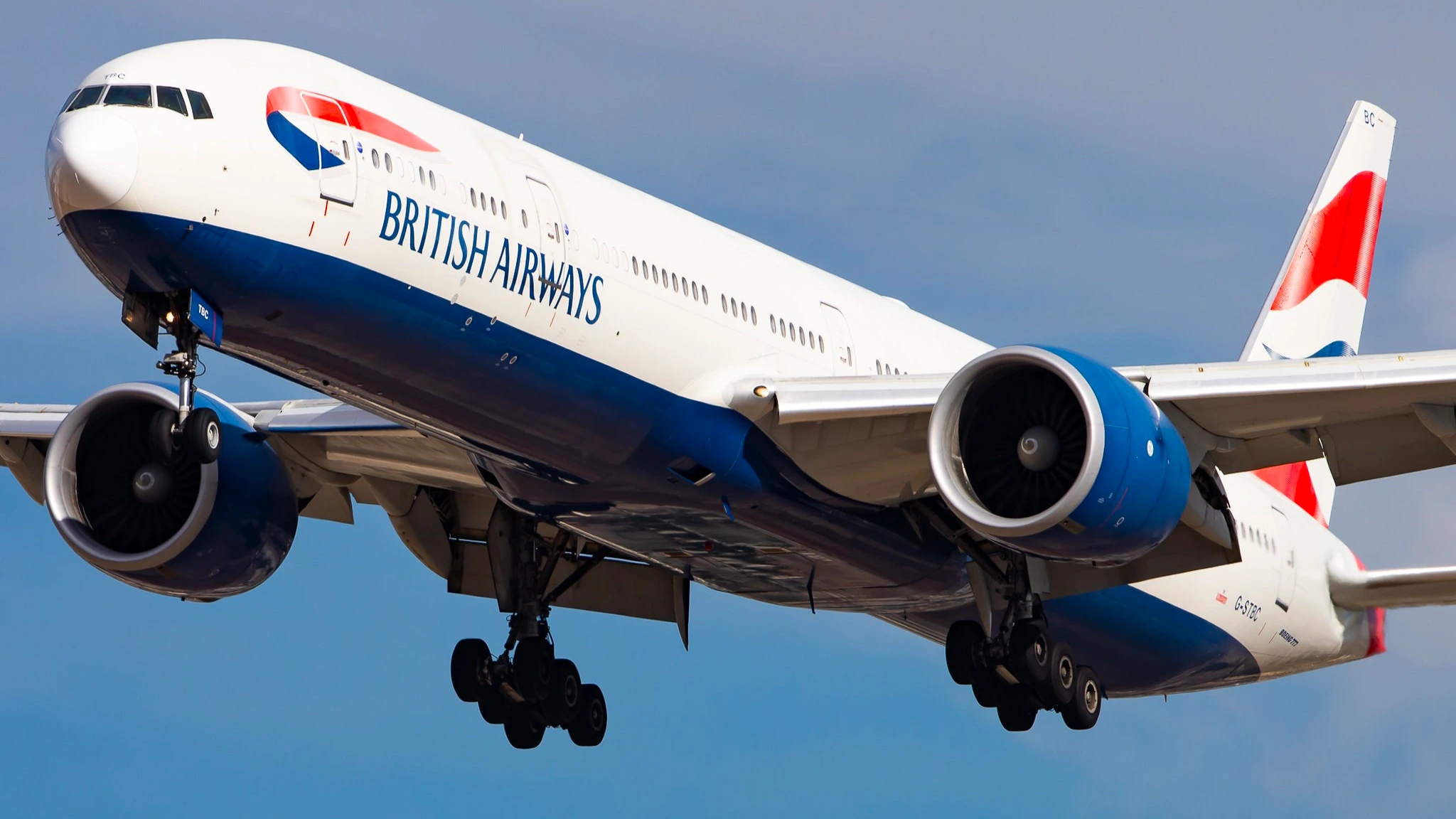
LONDON- British Airways (BA) continues to face significant delays in expanding its Starlink internet service despite launching the technology earlier this year. The airline planned a rapid deployment strategy, but has equipped only a small number of aircraft so far.
British Airways and its primary hub, London Heathrow Airport (LHR), remain central to the airline’s connectivity plans. However, operational limitations and fleet pressures are now affecting installation timelines across the carrier’s long-haul fleet.
British Airways Starlink Rollout Update
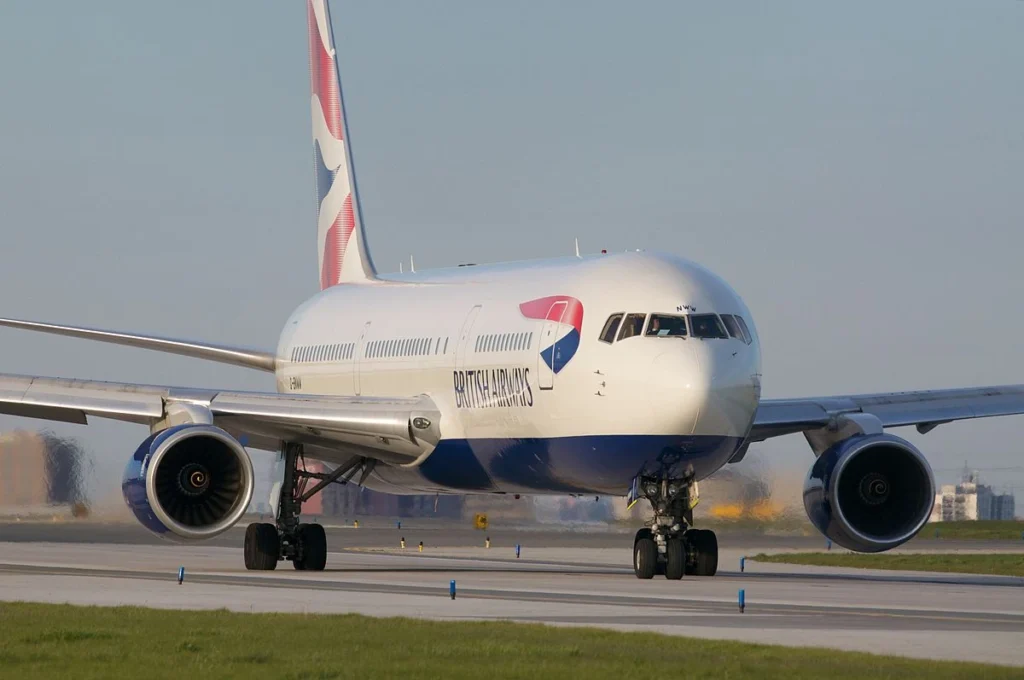
British Airways launched free Starlink Wi-Fi on March 19 and became the first UK airline to introduce the satellite-based internet service.
The technology provides broadband-quality internet with lower latency and improved performance compared with traditional inflight connectivity systems.
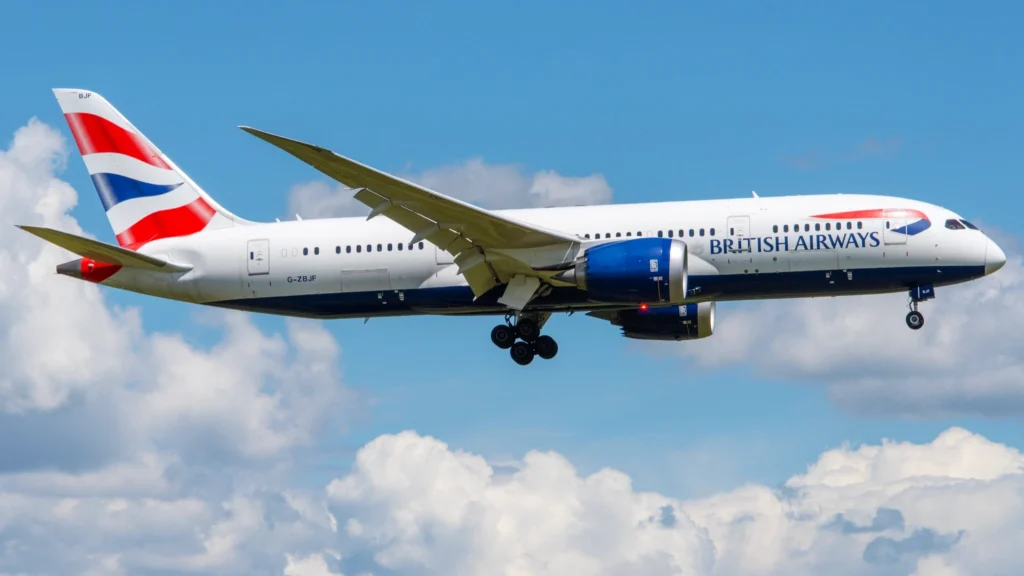
The rollout began with a single Boeing 787-8 Dreamliner aircraft. That aircraft belonged to a group of 12 Boeing 787-8 aircraft within the British Airways fleet that had never received onboard Wi-Fi, despite some operating in service for up to 12 years.
The airline planned to rapidly complete Starlink installation across all 12 Boeing 787-8 aircraft before moving engineering efforts to the Boeing 787-9 fleet. Some Boeing 787-9 aircraft also continue operating without onboard internet systems.
However, progress has slowed significantly. Over the last nine weeks, British Airways completed Starlink installations on only 5 Boeing 787-8 aircraft. The aircraft registrations include ZBJA, ZBJI, ZBJJ, ZBJK, and ZBJM.
The initial aircraft installations progressed relatively quickly. After that phase, however, deployment activity slowed considerably.
According to PYOK, the current installation pace raises questions about whether British Airways can maintain its original rollout timeline.
Faster Installation Technology
The delay does not appear to be related to Starlink technology itself. Starlink previously stated that installation work at United Airlines (UA) requires approximately 8 hours on average.
The company also noted that installation time is nearly ten times faster than traditional inflight Wi-Fi systems.
Other airlines using the technology have also reported faster implementation schedules. Qatar Airways, for example, praised the installation process and reportedly equipped dozens of aircraft during a similar period in which British Airways completed installations on only five aircraft.
Initial installations often require additional time because engineering teams establish procedures and refine workflows. However, the extended slowdown at British Airways suggests operational limitations beyond the installation process itself.
Fleet Reliability Issues
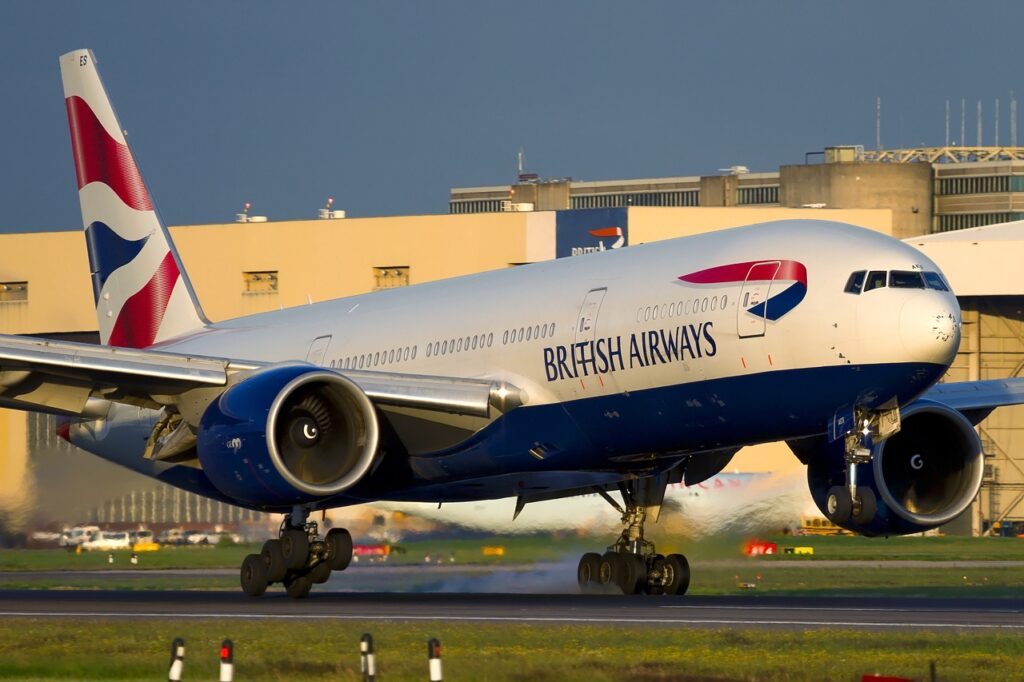
British Airways has experienced fleet reliability concerns for several years. The airline operates an extensive schedule while maintaining limited spare aircraft availability.
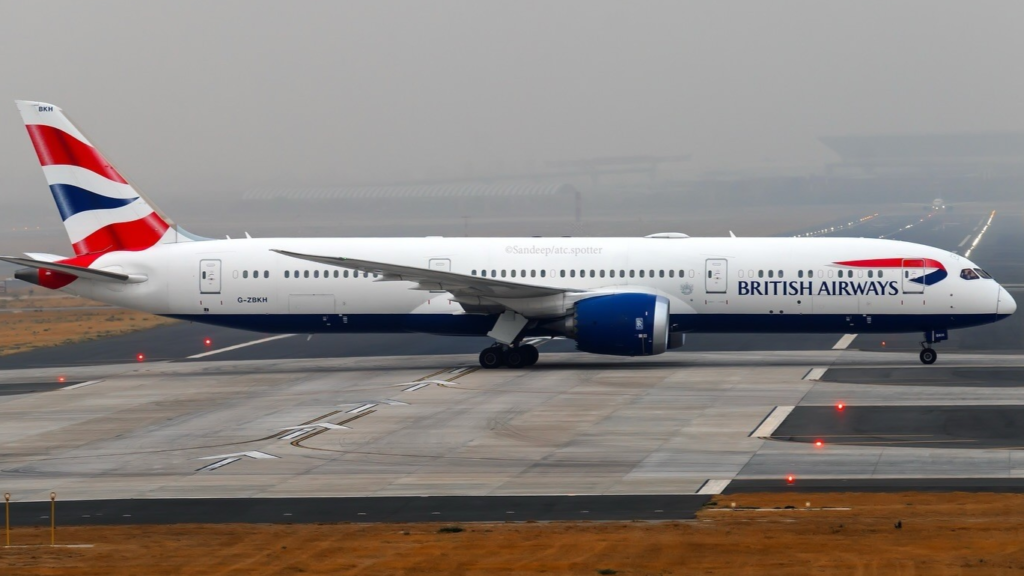
Several Boeing 787 aircraft have also remained grounded because of Rolls-Royce engine issues. Aircraft unavailable for operations reduces scheduling flexibility and places additional pressure on fleet planning.
The airline has also faced technical issues that contributed to last-minute flight cancellations. Aircraft requiring maintenance attention cannot simultaneously enter engineering facilities for retrofit projects.
Even after suspending some flights to the Middle East, British Airways continues to experience operational pressure and challenges in maintaining schedule reliability.
Summer Demand And Fleet Upgrades
The upcoming summer travel period may create additional operational challenges as passenger demand increases.
British Airways also plans extensive work on its Airbus A380 fleet later this year. Some aircraft are expected to enter maintenance facilities for complete nose-to-tail refurbishments.
Large refurbishment programs require engineering resources, maintenance capacity, and hangar space. These projects may further reduce available time for Starlink retrofit work.

Current Pace Affect Long Term Targets
British Airways officially aims to complete Starlink installation across more than 300 aircraft by March 2028.
Current installation numbers, however, suggest a different outcome if deployment speed remains unchanged.
At the present rate, British Airways would equip approximately 58 aircraft by its own deadline. That number would represent only around 20 percent of the airline’s fleet target.
Hangar Capacity Constraint
The current issue does not appear related to supply chain shortages. British Airways previously experienced supply chain challenges that delayed the retirement of older Club World business class seats.
Current Starlink deployment challenges appear different because installation hardware remains available.
Instead, the larger constraint appears to involve aircraft availability and maintenance scheduling.
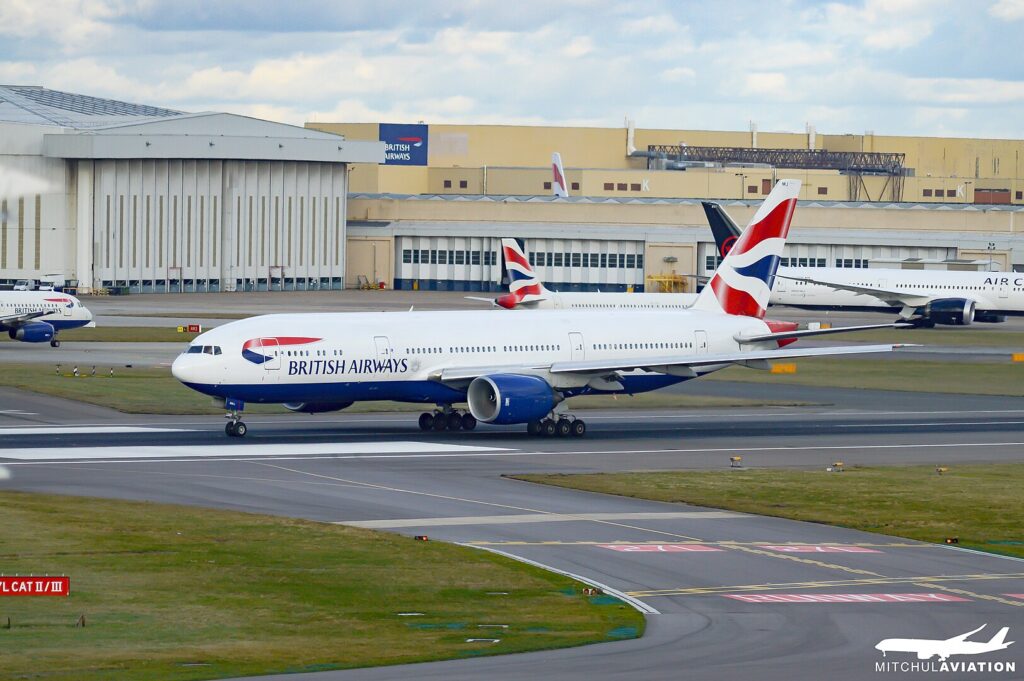
Aircraft generate revenue while operating scheduled flights, making it difficult to remove them from service for upgrades when fleet reserves remain limited. British Airways reportedly continues to struggle with finding sufficient hangar time to complete Starlink installations.
Until fleet reliability improves and maintenance availability increases, the airline’s Starlink rollout may continue progressing at a slower pace than initially planned.
Stay tuned with us. Further, follow us on social media for the latest updates.
Join us on Telegram Group for the Latest Aviation Updates. Subsequently, follow us on Google News
