

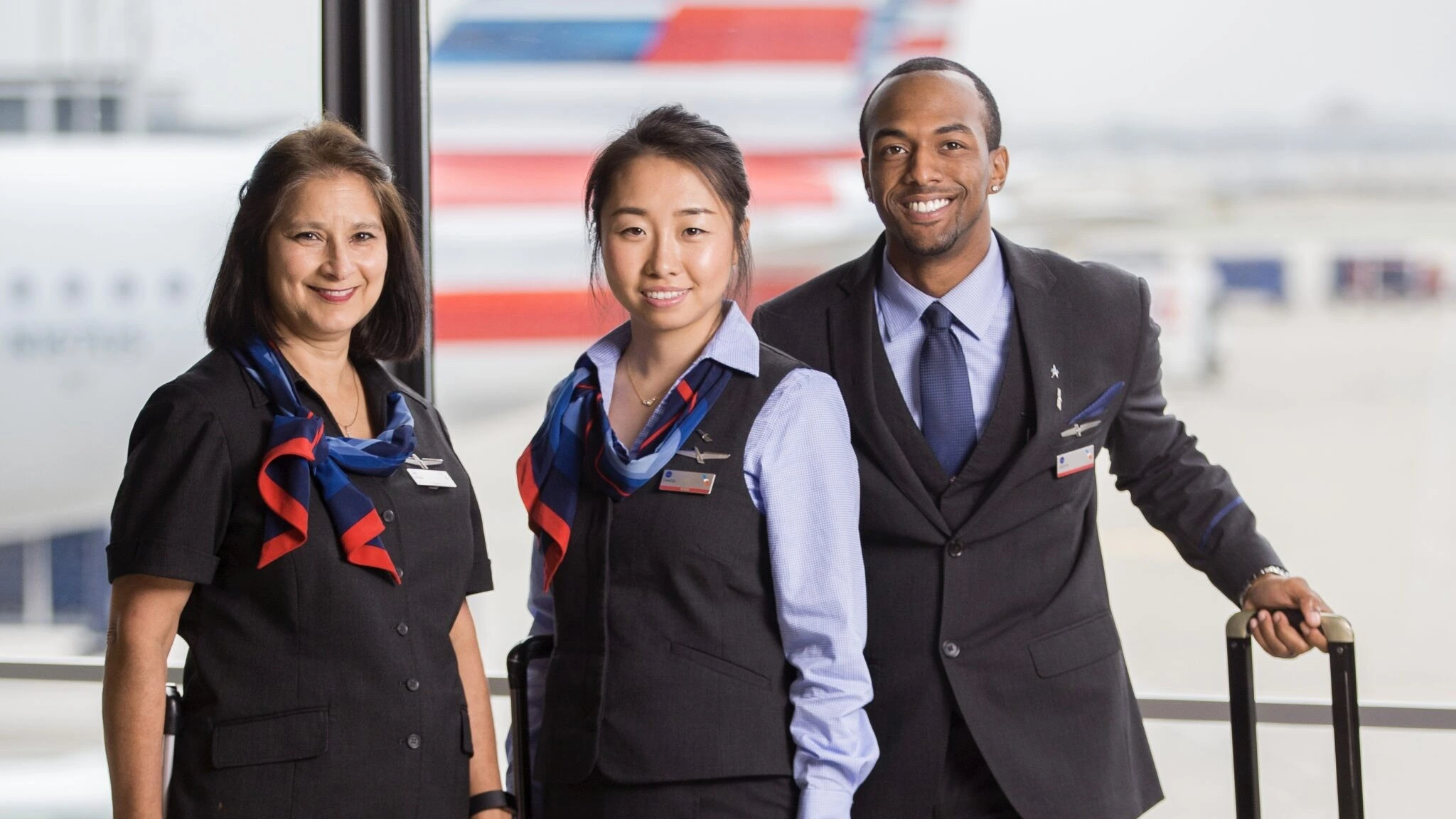
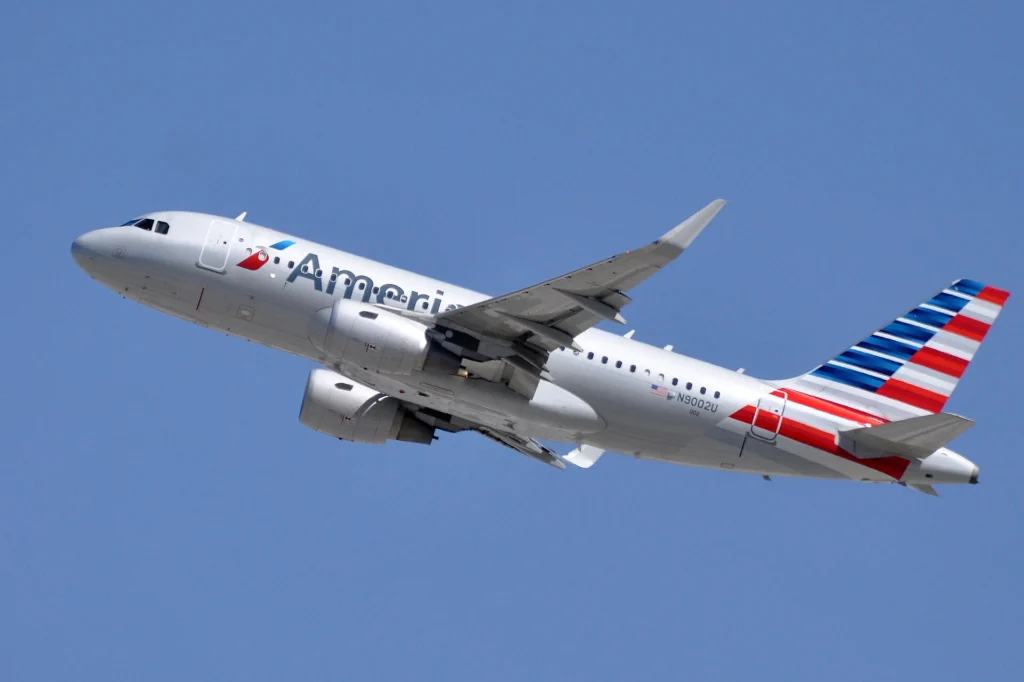
FORT WORTH- An American Airlines (AA) flight attendant has voiced frustration over the political activism of her union, the Association of Professional Flight Attendants, despite being required to pay dues to the organization.
The concern centers on the content the union posted following May Day events this month.
The dispute highlights an ongoing tension within airline labor unions, where workers who resign membership must still contribute dues for representation.
The issue echoes a similar case involving a Southwest Airlines (WN) flight attendant and reflects broader debates over how mandatory dues are spent.
Union Social Media Posts Spark Internal Criticism
After the May Day event, the Association of Professional Flight Attendants posted a collage of video clips on its Instagram account.
According to View from the Wing, the flight attendant said several of the clips clearly reflected left-leaning political views.
She argued that employees are generally expected to keep political opinions to themselves. While unions are widely known to lean liberal, she believes their public role is to represent all employees regardless of political affiliation.
One screenshot showed the union highlighting an anti-Trump message using the numbers “86 47.” In that context, 86 stands for “get rid of” and 47 refers to the 47th President.
The same numbers are tied to the prosecution of former FBI Director James Comey. Another post criticized Elon Musk, which the flight attendant described as far removed from airline union matters.
She said these examples showed the broad left-of-center views being expressed by members and endorsed through the union’s official social accounts.
Nonmember Objector Status Explained
The flight attendant falls into a category known as a “nonmember objector.” This status allows a worker to resign formal union membership while still paying a reduced share of dues for representation services such as bargaining and dispute resolution.
The framework exists because union dues are mandatory in many workplaces, yet the workforce is diverse.
As a result, some portion of an employee’s dues may fund political activism or causes the worker personally opposes. Objector status, along with continued litigation over individual worker choice, exists to address this conflict.
A comparable situation involved a Southwest Airlines flight attendant who had resigned from union membership but still paid partial dues.
She objected to the union spending her dues on political causes, including its involvement in the 2017 Women’s March and its support for abortion, which conflicted with her religious beliefs.
The airline and her union worked together to fire her because of her politics and her activism against union leadership. She later sued, won her job back, and was awarded $1 million.
Why May Day Carries Political Weight
The union content stemmed from May 1, known globally as “May Day,” a date tied to the international labor movement. The day traces back to the Haymarket Affair of 1886.
In May 1886, workers across the United States were striking for an eight-hour workday. On May 3 in Chicago, police fired on strikers and killed at least two workers.
A protest meeting followed at Haymarket Square. The meeting was nearly over, and the crowd had dwindled when police moved in to disperse the largely peaceful gathering.
Someone threw a bomb at the police, and the police fired into the crowd. Seven to eight police officers were killed, and around 60 were wounded. Between four and eight civilians died, and 30 to 40 were injured.
Eight labor radicals were prosecuted for murder, though none were proven to have thrown the bomb.
Seven were sentenced to death, four were hanged, and three were pardoned six years later. To business, police, and much of the press, the event confirmed fears of immigrant radicalism and anarchist violence.
To labor movements and socialists worldwide, it became proof that the state and capital would crush workers demanding rights.
The Second International, the international coordinating body of organized socialism before World War I, declared May 1 as Labor Day. The United States, ironically, observes its own Labor Day in September.
How Different Movements View May Day
In communist states, May Day became a major state holiday marked by parades, military displays, worker marches, and party rituals.
For socialists and communists, the day celebrates worker struggle, class conflict, and revolutionary solidarity.
For trade unions and social democrats, it centers on labor rights, wages, working conditions, and collective bargaining.
Unions and Political Influence in the Airline Industry
Airlines rank among the most heavily unionized industries in the country. Each union member pays dues, with portions going toward bargaining, dispute resolution, and political activism.
Unions draw strength not only from worker solidarity but also from political activism. They can mobilize voters and political volunteers and exercise political influence.
That influence supports several goals: laws that gatekeep professions and raise the time and cost of entry, which limit labor supply, drive up wages, and make it harder for employers to hire replacement workers; rules that require employers to collectively bargain; and rules that require employers to hire only union workers, either as a condition of government contracts or through a vote of workers.
Several federal laws shape union power. The National Labor Relations Act grants employees the right to organize, join unions, bargain collectively through chosen representatives, and engage in concerted activity for “mutual aid or protection.”
The Norris-LaGuardia Act limits the ability of courts to issue injunctions in labor disputes. The Clayton Act provides unions with an antitrust safe harbor and shields picketing from being treated as a restraint of trade.
Political outcomes carry direct consequences for airline labor. The President determines appointments to the National Mediation Board, which in turn influences whether an airline union can legally strike.
Because of this, unions often join political coalitions they believe advance their broader interests, reflecting the views of either the median member or the union leadership.
It is worth noting that pilot unions often skew more conservative than flight attendant unions, showing that political leanings are not uniform across all airline labor groups.
Stay tuned with us. Further, follow us on social media for the latest updates.
Join us on Telegram Group for the Latest Aviation Updates. Subsequently, follow us on Google News
