

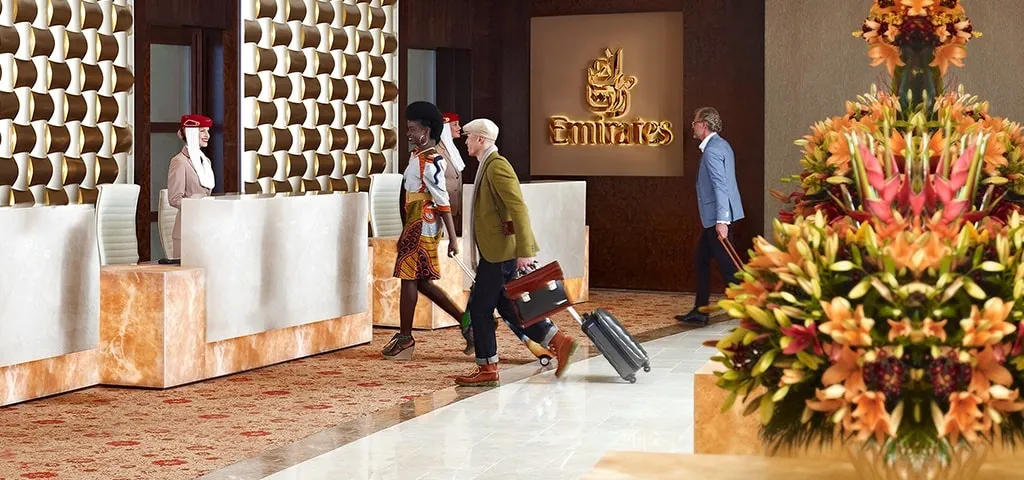
Airport lounges have become one of the most desirable parts of modern air travel. For frequent flyers, they promise a break from crowded terminals, uncomfortable gate seating, and overpriced airport food.
But while lounges are designed to make travel smoother, many passengers walk in with the wrong expectations—or unknowingly make mistakes that diminish the experience for themselves and others.
From misunderstanding who can actually enter to ignoring simple etiquette, seasoned travelers say lounge culture comes with its own set of unwritten rules. Here are 10 common airport lounge mistakes travelers continue to make—and the smarter ways to handle them, as reported by Travel and Leisure.

Believing Any Premium Ticket Includes Lounge Access
One of the most widespread misconceptions is assuming that a business-class or first-class ticket automatically opens the lounge doors. In reality, access rules vary significantly depending on the airline, route, and cabin type.
Domestic premium tickets in the United States, for example, often do not include lounge access at all. Many airline lounges operate on a paid membership basis or through specific premium credit card partnerships instead.
International long-haul premium cabins are more likely to include access, but even that is no longer guaranteed across every airline.
Checking access policies before arriving at the airport can save travelers from confusion—and disappointment at the lounge entrance.
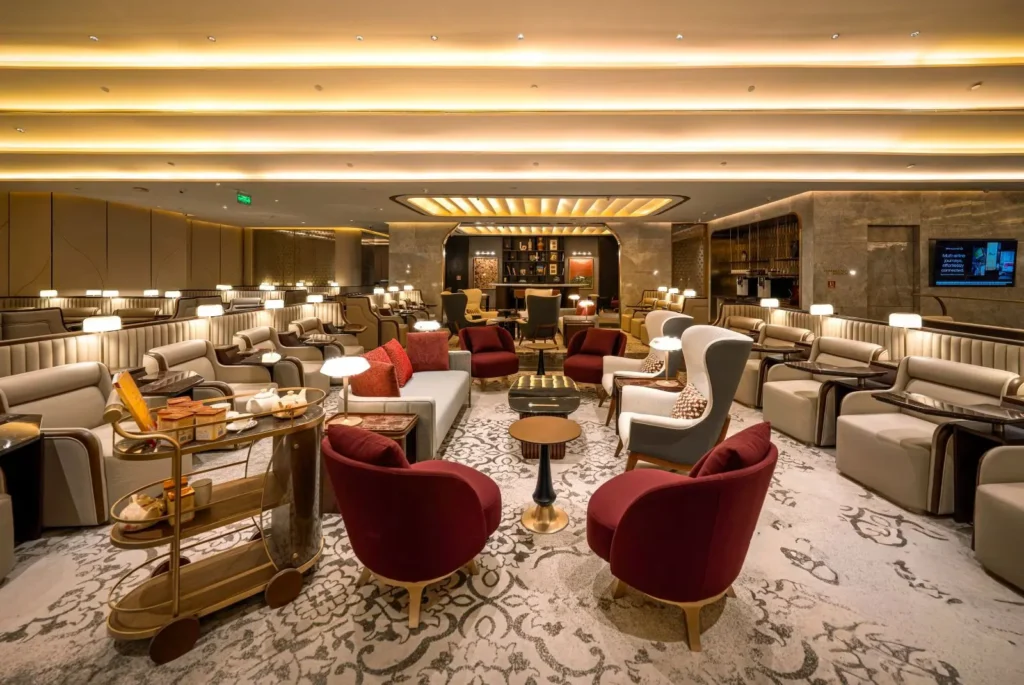
Expecting a Five-Star Luxury Experience Every Time
Social media has created the impression that every airport lounge resembles a luxury hotel, complete with spa treatments, gourmet meals, and private suites. The reality is usually much more modest.
While some flagship international lounges offer exceptional amenities, many standard domestic lounges are simply quiet waiting areas with complimentary snacks, Wi-Fi, and drinks. Travelers who arrive expecting luxury often leave underwhelmed.
The best approach is to view lounges as functional travel spaces rather than glamorous destinations. A comfortable chair, a charging outlet, and a calmer atmosphere are often the real value.
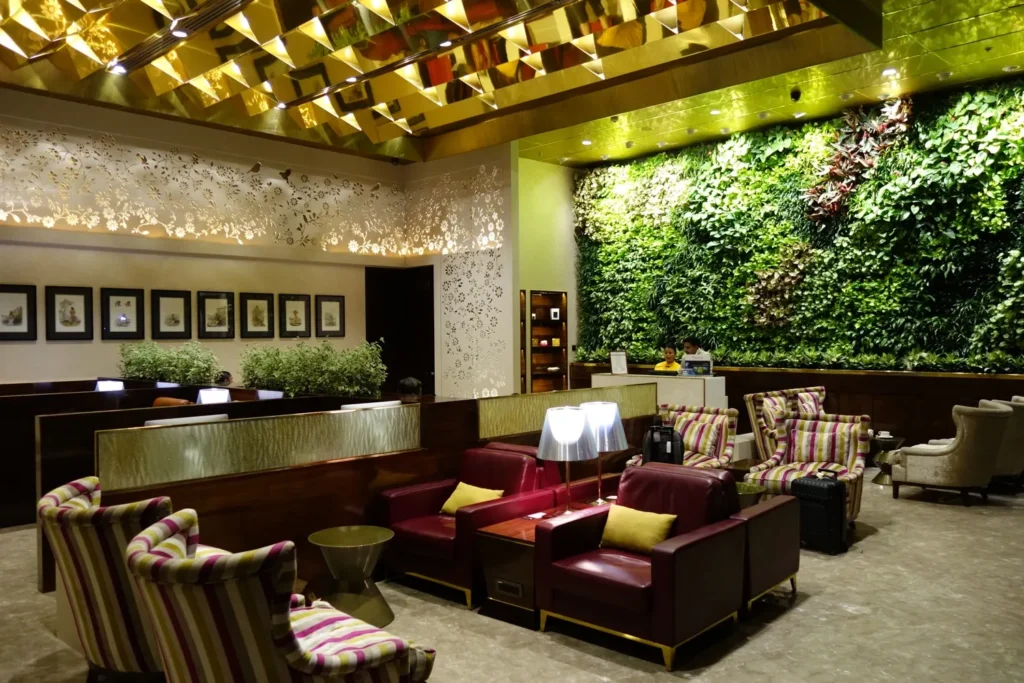
Arriving at the Airport Hours Early for the Lounge
Because lounges are often hyped as premium experiences, some travelers dramatically alter their airport schedule just to spend extra time inside one. But in many cases, the additional time is not worth it.
Crowding has become increasingly common in airport lounges worldwide, especially during peak travel periods. Travelers may encounter waitlists, limited seating, or even temporary entry restrictions. Spending hours at the airport simply to access a crowded lounge can quickly become frustrating.
Instead of treating the lounge as the main event, experienced flyers recommend using it as a convenience before boarding rather than the centerpiece of the journey.
Not Understanding Credit Card Access Rules
Many travelers assume that carrying a premium travel credit card guarantees instant lounge access everywhere. Unfortunately, lounge partnerships and entry policies can be surprisingly complicated.
Some cards only provide access to specific lounge networks, while others limit guest privileges or require travelers to activate benefits in advance.
Certain lounges also prioritize passengers based on airline status or ticket class during busy periods.
Even cards with high annual fees do not always guarantee entry when lounges reach capacity. Reviewing the exact lounge terms tied to a card before traveling can prevent unpleasant surprises.
Ignoring Digital Waitlists and Reservations
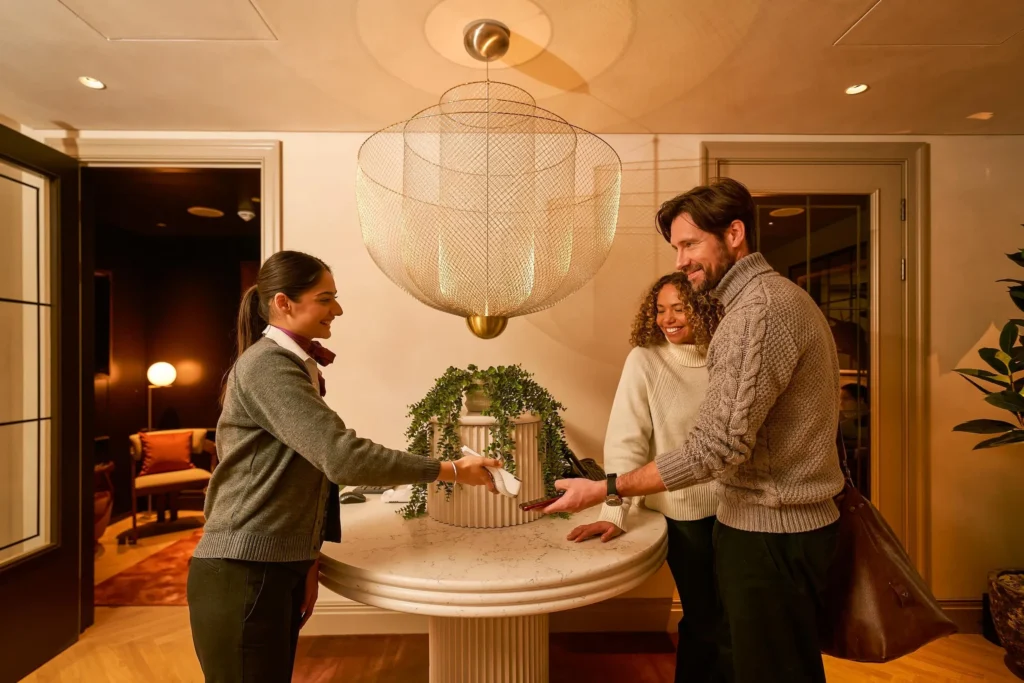
As airport lounges grow more crowded, many operators now offer digital waitlists or reservation systems through their apps. Yet plenty of travelers still overlook these tools.
Joining a waitlist before reaching the lounge can significantly reduce waiting time. Some lounges even allow travelers to reserve entry slots in advance after booking their flights.
Using these systems has become one of the easiest ways to improve the lounge experience, especially at busy hubs where overcrowding is common.
Treating Extra Seats Like Personal Space
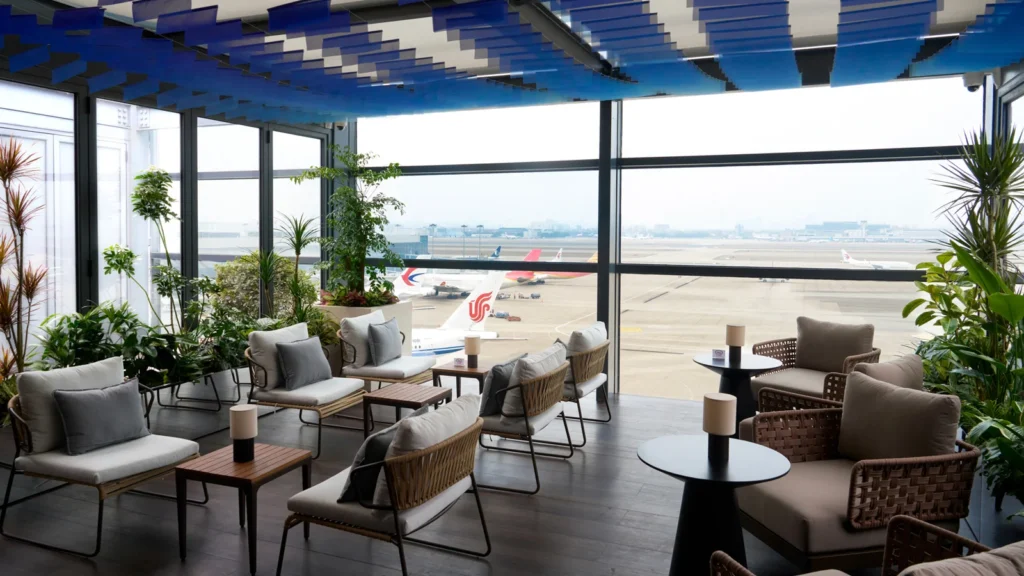
Few things irritate fellow travelers faster than someone spreading bags, jackets, or luggage across multiple seats in an already crowded lounge.
Lounges are shared environments, and seating is often limited during busy travel periods. Occupying more space than necessary makes it harder for others to find seating and contributes to an already stressful airport atmosphere.
Keeping personal items compact and leaving nearby seats open is considered one of the simplest forms of lounge etiquette.
Taking Loud Calls in Quiet Areas
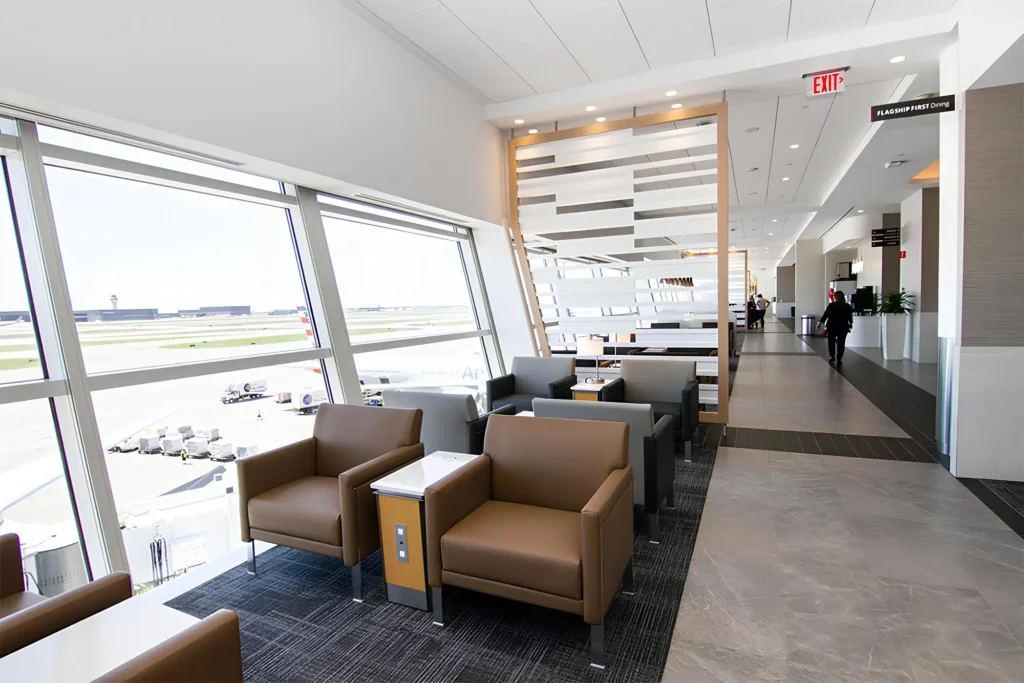
Airport lounges are intended to offer relief from the noise of the terminal, but that atmosphere quickly disappears when travelers hold loud phone conversations or play videos without headphones.
Business travelers often use lounges to work, while others simply want a quiet place to relax before a flight. Speaking softly, using headphones, and moving private calls to designated areas help maintain the calm environment that lounges are designed for.
In many lounges, noise—not overcrowding—is the biggest complaint among frequent flyers.

Treating the Buffet Like an All-You-Can-Eat Challenge
Complimentary food is one of the biggest lounge perks, but some travelers take it too far. Overloading plates, wasting food, or packing snacks into bags for later has increasingly become a point of frustration inside crowded lounges.
While grabbing a meal or quick snack is completely normal, moderation matters in shared spaces. Some airports now offer dedicated grab-and-go stations specifically designed for travelers taking food onto flights.
Using those options instead of emptying the buffet is generally viewed as the more considerate approach.
Overlooking Lounge Customer Service Desks
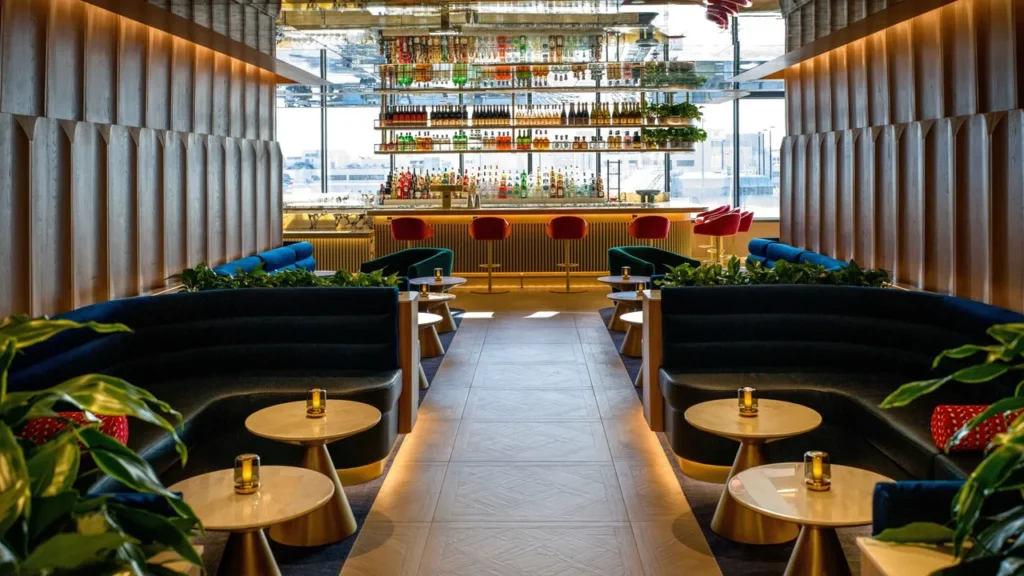
Many travelers focus entirely on the food and seating while ignoring one of the most valuable lounge benefits: dedicated customer service agents.
Lounge staff can often assist with flight changes, delays, rebookings, and seat assignments much faster than the crowded service counters in the terminal. Because they typically help fewer passengers, lounge agents are frequently able to resolve issues more efficiently.
During disruptions or cancellations, these desks can become one of the most useful tools available to travelers.
Forgetting Basic Courtesy
At its core, airport lounge etiquette is not complicated. Most problems come down to simple respect for shared space.
Keeping noise levels low, cleaning up after yourself, avoiding excessive food waste, and being mindful of seating can make the experience better for everyone. Air travel is stressful enough already, and lounges are meant to provide a calmer environment—not recreate the chaos outside the doors.
For frequent flyers, understanding these unwritten rules often matters as much as having access in the first place.
Stay tuned with us. Further, follow us on social media for the latest updates.
Join us on Telegram Group for the Latest Aviation Updates. Subsequently, follow us on Google News
