

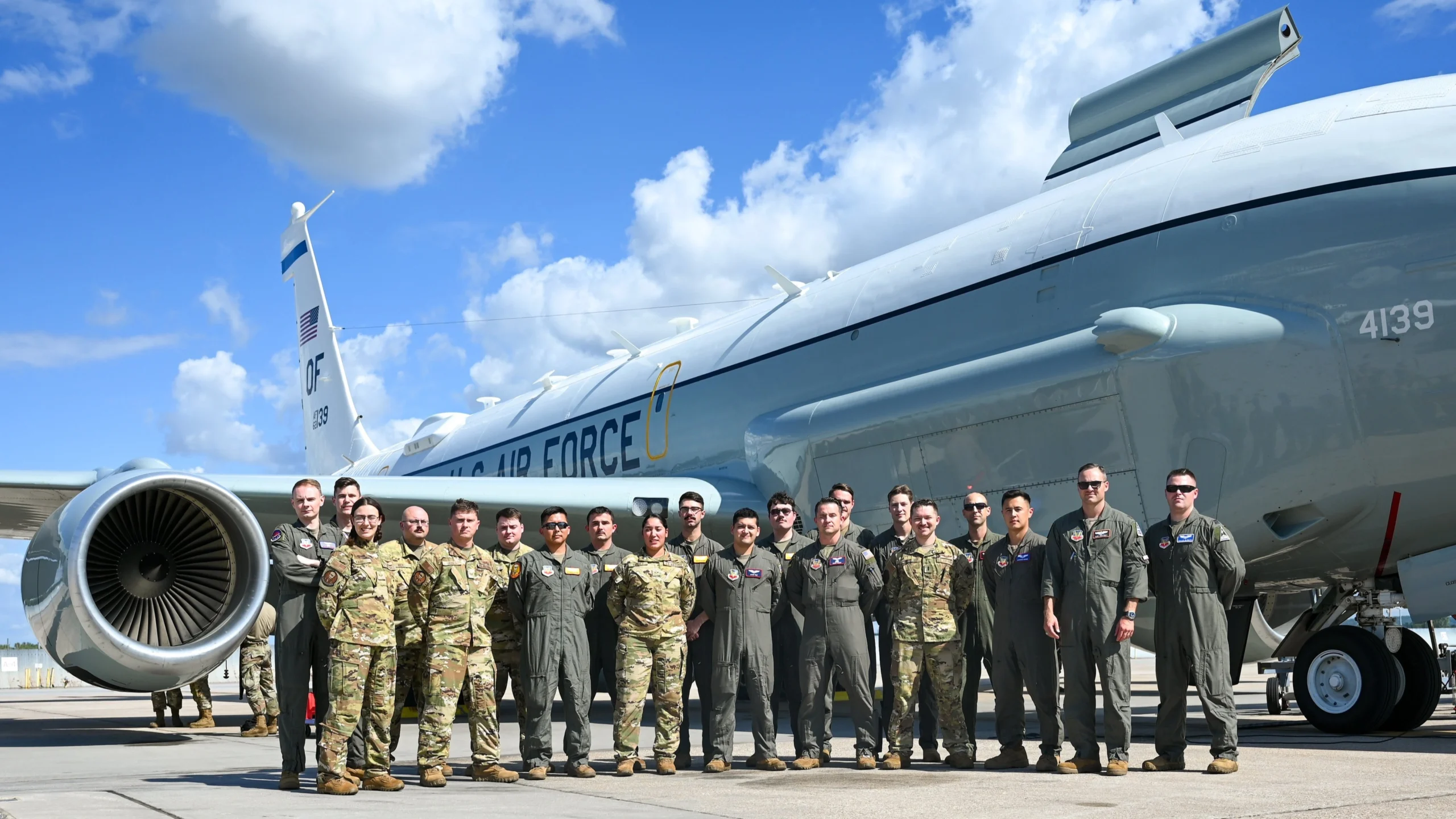
ARLINGTON, VIRGINIA- The United States Air Force (USAF) has announced plans to roll out a new training program designed to give every Airman a baseline level of artificial intelligence literacy. The initiative comes from the service’s Pentagon headquarters in Arlington, located near Ronald Reagan Washington National Airport (DCA) and Joint Base Andrews (ADW).
Chief Master Sergeant of the Air Force David R. Wolfe announced the plan on May 8 during a Military Officers Association of America webinar.
The program follows the Department of the Air Force’s recently released AI strategy and a broader effort to recruit, train, and retain AI professionals across the force.
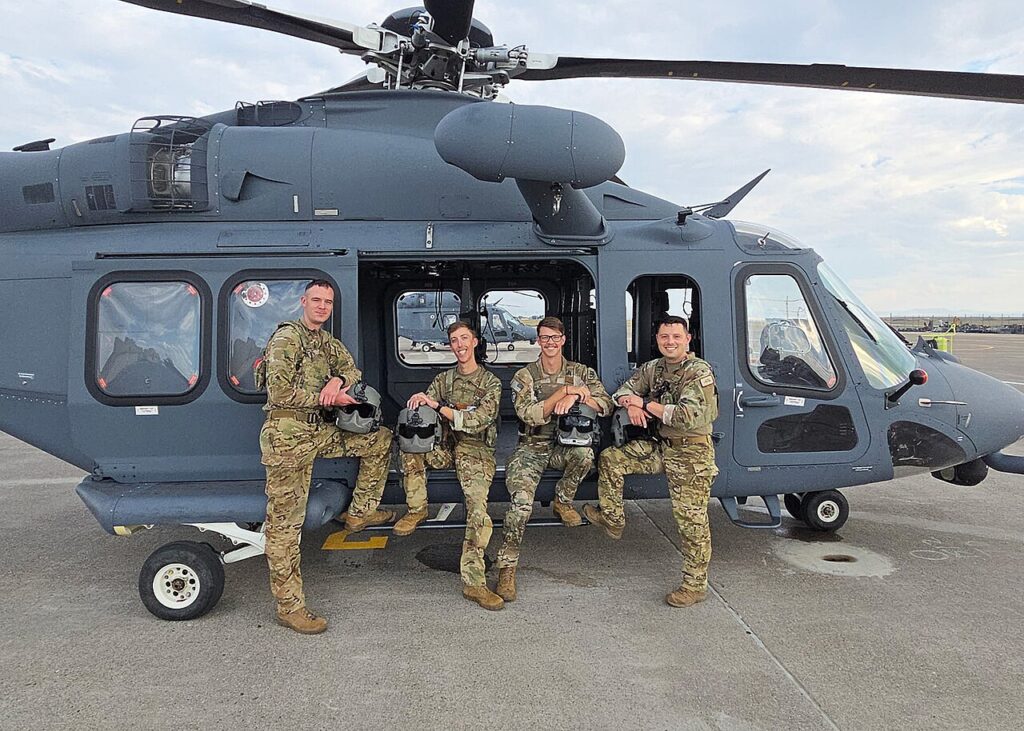
US Air Force Builds AI Literacy
The Air Force is preparing to deploy a structured training effort that will ensure every Airman can use AI tools in their daily work. According to Wolfe, the service views AI adoption as a generational opportunity comparable to the introduction of desktop computers and email.
“We have got an opportunity here with AI that we are going all in on,” Wolfe said. He confirmed the service is finalizing training content that will bring all personnel to a baseline level of AI literacy, to unlock both known applications and future use cases that have yet to be defined.
The exact start date for the rollout has not been disclosed. However, Wolfe expressed confidence that the program will significantly improve the efficiency and effectiveness of the force once implemented.
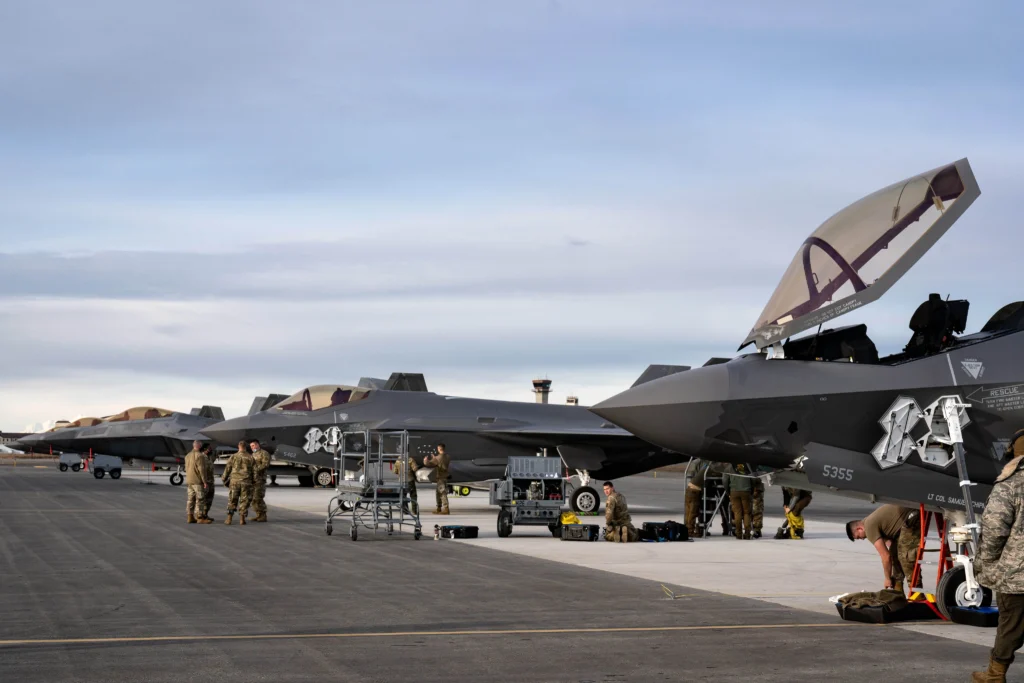
Department of the Air Force AI Strategy
The training program aligns with the Department of the Air Force AI Strategy, which was formally endorsed in April 2026.
The strategy lays out a vision for using AI to shorten sensor-to-shooter timelines and improve decision-making through enhanced situational awareness and predictive insights.
These priorities mirror the broader Department of Defense focus on AI as a force multiplier. The strategy directs the service to embed AI capabilities across operations, logistics, intelligence, and command functions, Air and Space Forces reported.
AI Use Cases in Promotions and Awards
Beyond combat-related applications, Wolfe highlighted administrative areas where AI could deliver immediate value. He pointed to promotion boards and military award selections as time-consuming processes that AI could streamline.
The service is currently running experiments to assess how AI can automate the preparation of promotion and award packages. Wolfe stressed that AI will not be used to select Airmen for promotions or awards directly. Instead, AI will handle the preparation work so that human decision-makers can review cleaner, more organized information.
“What we think is in the realm of the possible is we take our already awesome people and make them even more capable than they already are by automating processes that they don’t have to put a bunch of time into,” Wolfe said.
Air Force Plans to Recruit Top AI Talent
On April 28, the Department of the Air Force announced a separate plan to aggressively recruit, train, and retain top-tier AI professionals. The plan includes streamlining hiring and accession processes, removing bureaucratic bottlenecks, and accelerating placement into essential AI roles.
Susan Davenport, Chief Data and Artificial Intelligence Officer for the Air Force, told Air & Space Forces Magazine that the service intends to use special hiring and compensation authorities similar to those used for the acquisition workforce. The goal is to remain competitive with private sector employers who often offer higher salaries for AI talent.
While the Air Force has confirmed plans to offer competitive financial incentives, specific compensation figures have not yet been disclosed.
AI Center of Excellence and Academic Partnerships
The Air Force stood up an AI Center of Excellence in May 2025 to coordinate AI development across the service. The center builds on existing partnerships with the Massachusetts Institute of Technology (MIT), Stanford University, and Microsoft.
Former Air Force Chief Information Officer Venice Goodwine described AI as operating across a broad continuum, ranging from summarizing legal briefs and improving general productivity to enabling autonomous systems. The Center of Excellence is intended to align use cases, tools, and investments with the service’s strategic objectives.
Bottom Line
The Air Force is moving on two parallel tracks. The first is universal AI literacy training so that every Airman can use AI tools in routine work. The second is targeted recruitment of specialist AI talent supported by competitive incentives and faster hiring authorities.
Together, the efforts position the service to integrate AI across administrative, operational, and combat functions in the coming years.
Stay tuned with us. Further, follow us on social media for the latest updates.
Join us on Telegram Group for the Latest Aviation Updates. Subsequently, follow us on Google News
