

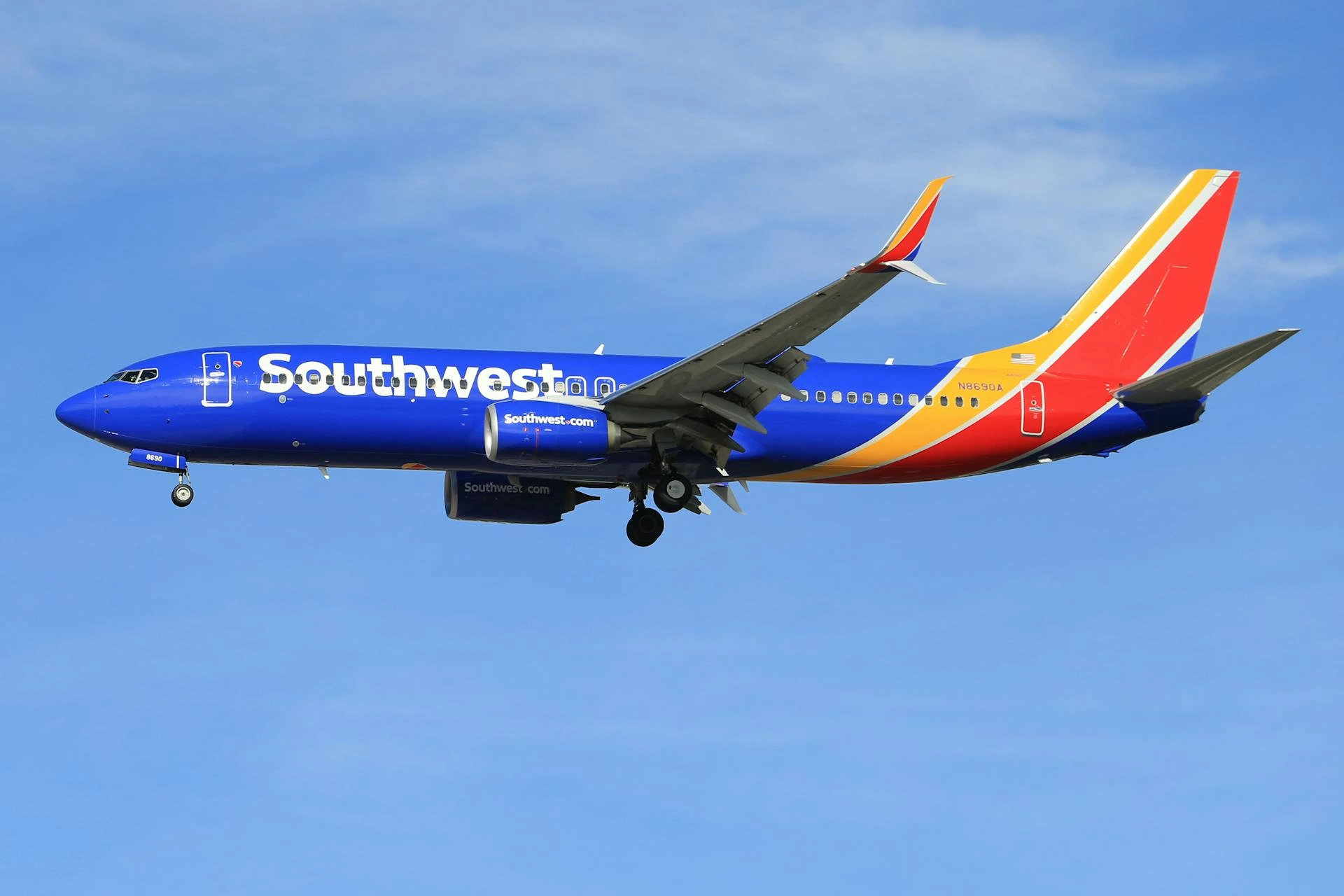
DALLAS, TEXAS- A Southwest Airlines (WN) flight operating between Albuquerque International Sunport (ABQ) and Baltimore/Washington International Airport (BWI) made an emergency diversion on Monday afternoon after the captain-side cockpit windscreen shattered mid-cruise. The aircraft was flying at 31,000 feet over Oklahoma when the failure occurred.
The flight, identified as WN2665, was operated by a 19-year-old Boeing 737-700. Pilots declared an emergency and safely landed the aircraft at Tulsa International Airport (TUL), where passengers were later transferred onto a replacement aircraft to complete their journey to Baltimore (BWI).

Southwest Airlines 737 Diverts
The Boeing 737-700 departed Albuquerque (ABQ) at approximately 10:55 am local time on May 11, beginning what was scheduled to be a routine three-hour journey across the American Midwest. Just over an hour into the cruise phase, the flight crew noticed cracks forming on the captain’s side windscreen.
A cracked windscreen does not always constitute an emergency. However, in this case, the outer pane on the left side of the flight deck suddenly shattered. The damage turned the windscreen opaque and compromised its structural integrity, prompting the pilots to declare an emergency.
The crew then initiated a diversion to Tulsa International Airport (TUL), where the aircraft landed without injury to passengers or crew. Once on the ground, several passengers were able to observe the extent of the damage to the cockpit window from outside the aircraft.
Passenger Account and Airline Response
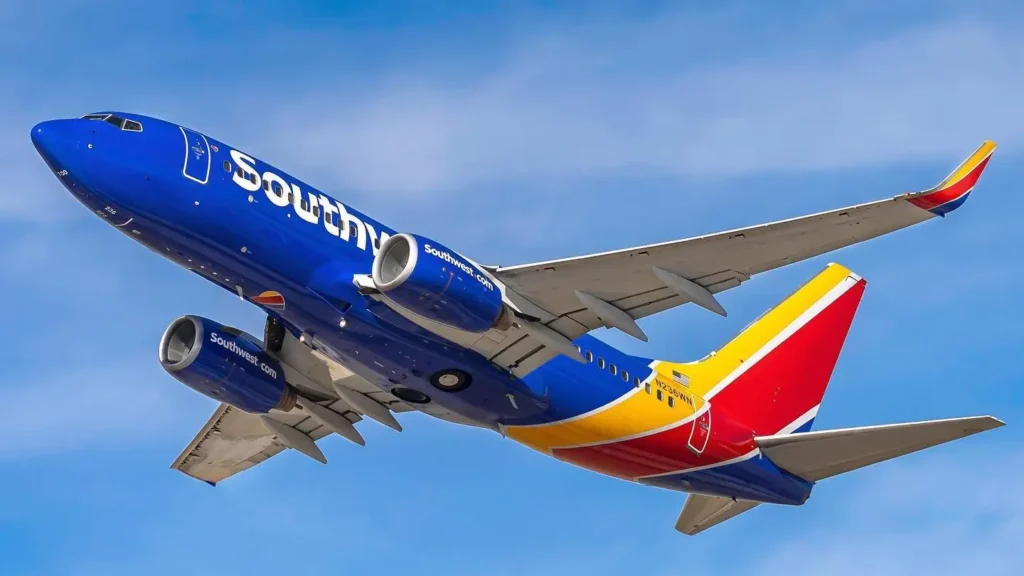
Passenger George Gonzales shared a photograph of the damaged windscreen with local news outlet KRQE. He stated that the flight crew confirmed nothing had struck the aircraft, and that the windshield began cracking before it shattered. He credited the pilots for landing the plane safely.
A spokesperson for Southwest Airlines confirmed the incident in an official statement. The carrier said Flight 2665 diverted safely to Tulsa due to a windshield crack and that the aircraft landed uneventfully. Customers were reaccommodated to Baltimore (BWI) on another aircraft.
Southwest also acknowledged the professionalism of its flight crew, stating that nothing is more important to the airline than the safety of its customers and employees. As reported by PYOK, the diversion was handled without injury, and the airline moved quickly to rebook affected travellers.
Boeing 737 Cockpit Windscreen Construction
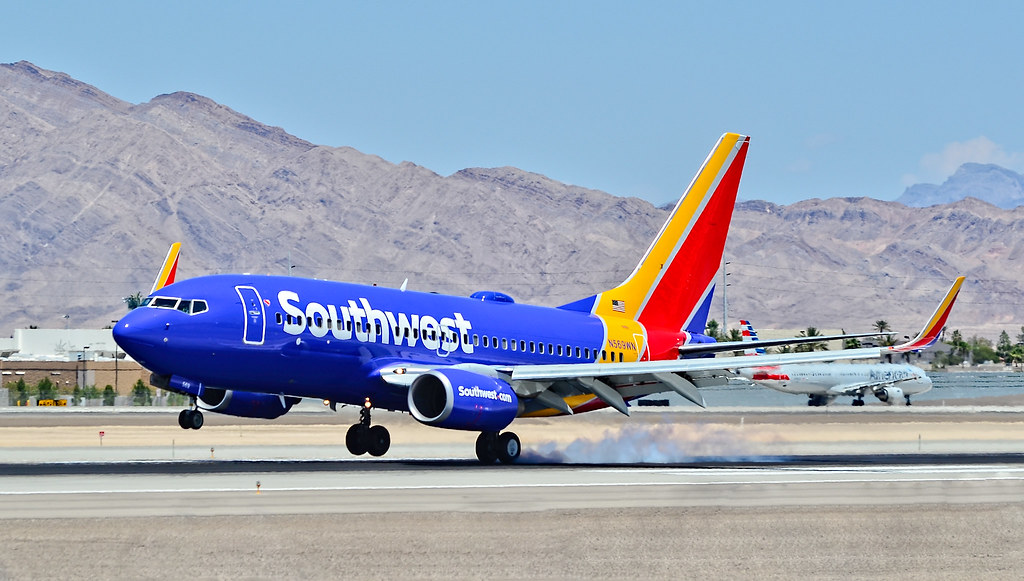
The cockpit windscreen of a Boeing 737 is engineered with three separate layers for maximum durability and redundancy. The structure consists of an outer glass layer, an inner glass layer, and a vinyl interlayer positioned between them.
The vinyl interlayer is designed to hold the windscreen together if either glass layer fails. This layered construction is intended to prevent rapid decompression and maintain a barrier between the cockpit and the outside atmosphere even after a partial failure.
Although windscreen failures remain rare in commercial aviation, cracks can develop due to bird strikes, hail impact, thermal stress on the heating elements, or material fatigue. The majority of such events occur at lower altitudes during takeoff or approach, making this high-altitude shattering incident comparatively unusual.
Similar Incidents
In May 2018, a Sichuan Airlines Airbus A319 lost its right-side cockpit windscreen entirely while cruising at 32,000 feet. The first officer was partially sucked out of the flight deck before being pulled back, and the captain successfully descended the aircraft to 8,000 feet and executed an emergency landing in Chengdu, China.
A more severe incident occurred in June 1990, when a British Airways BAC One-Eleven captain was partially ejected through a separated windscreen panel during climb. The first officer and cabin crew physically restrained the captain by holding onto his belt and ankles, fearing that releasing him could allow his body to enter the engine and cause further damage. The captain survived the ordeal with fractures to his right arm and frostbite.
These earlier incidents highlight the potential severity of cockpit window failures and demonstrate why modern windscreen designs incorporate multiple structural layers. The successful outcome of the Southwest Airlines diversion to Tulsa (TUL) reflects both the integrity of the layered design and the response of the flight crew.
Stay tuned with us. Further, follow us on social media for the latest updates.
Join us on Telegram Group for the Latest Aviation Updates. Subsequently, follow us on Google News
