

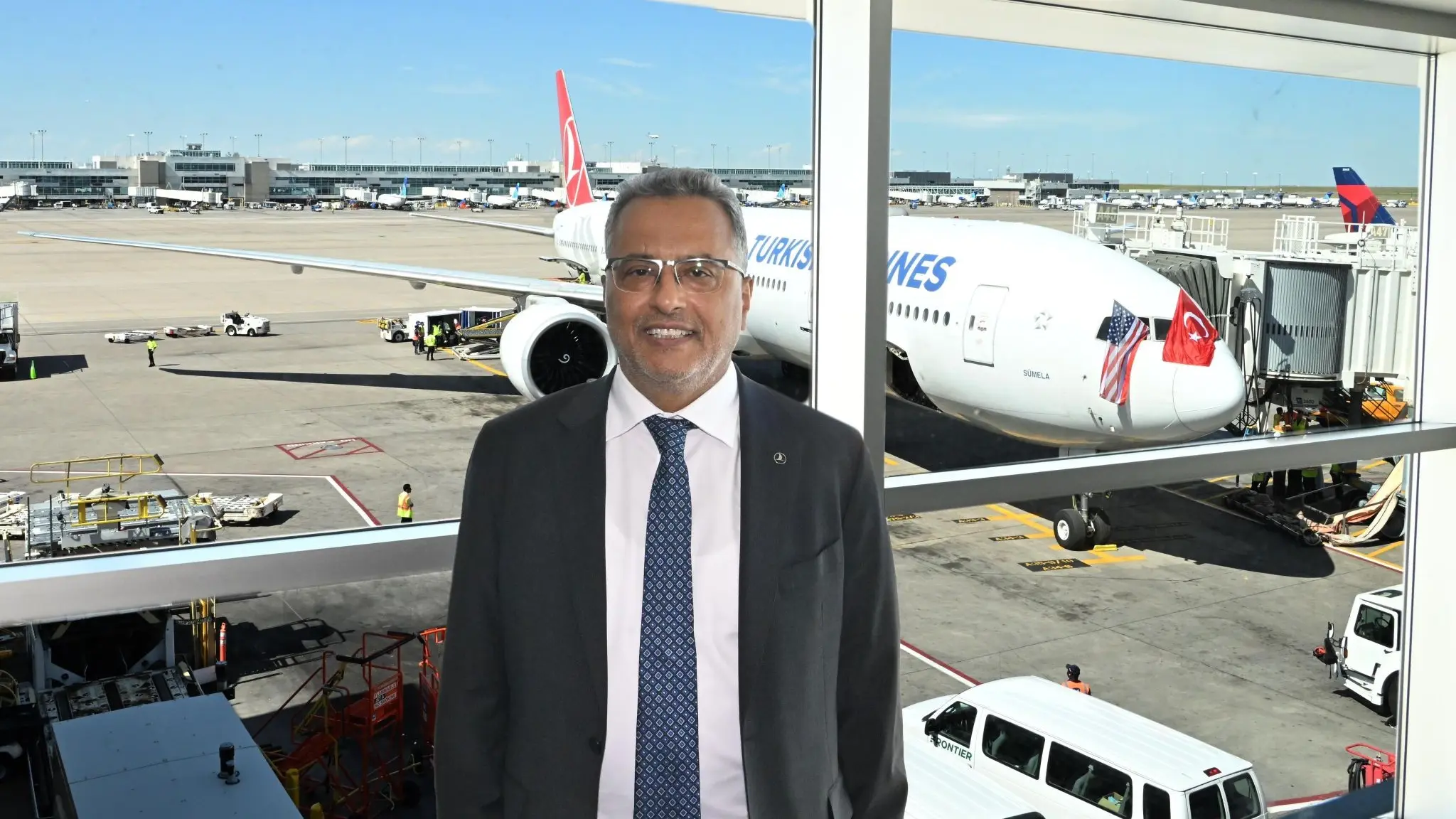
Turkish Airlines (TK) is one of the fastest-growing global airlines, operating an extensive network that connects Europe, Asia, Africa, and the Americas through its hub in Istanbul.
The airline has expanded aggressively in recent years, growing passenger numbers, increasing cargo capacity, and investing heavily in fleet expansion and airport infrastructure.
Leading this global carrier is Ahmet Bolat, who serves as Chairman of the Board and Executive Committee. His position places him at the top of the airline’s governance structure, overseeing strategic decisions, fleet expansion plans, and the company’s global growth strategy.
Here is a look at his background and compensation.
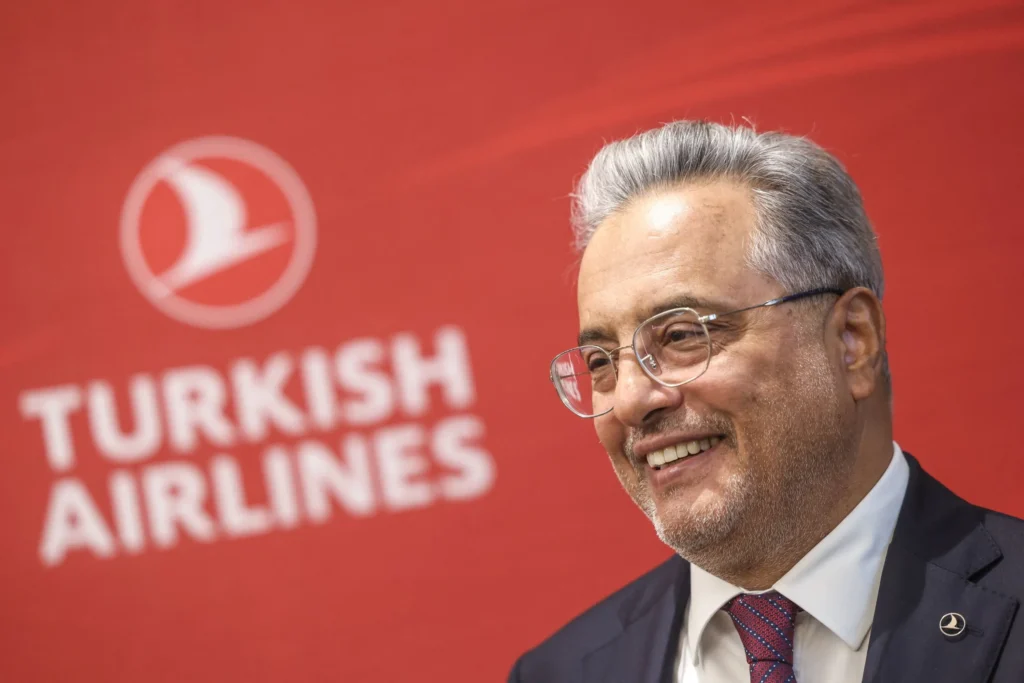
Who is Ahmet Bolat?
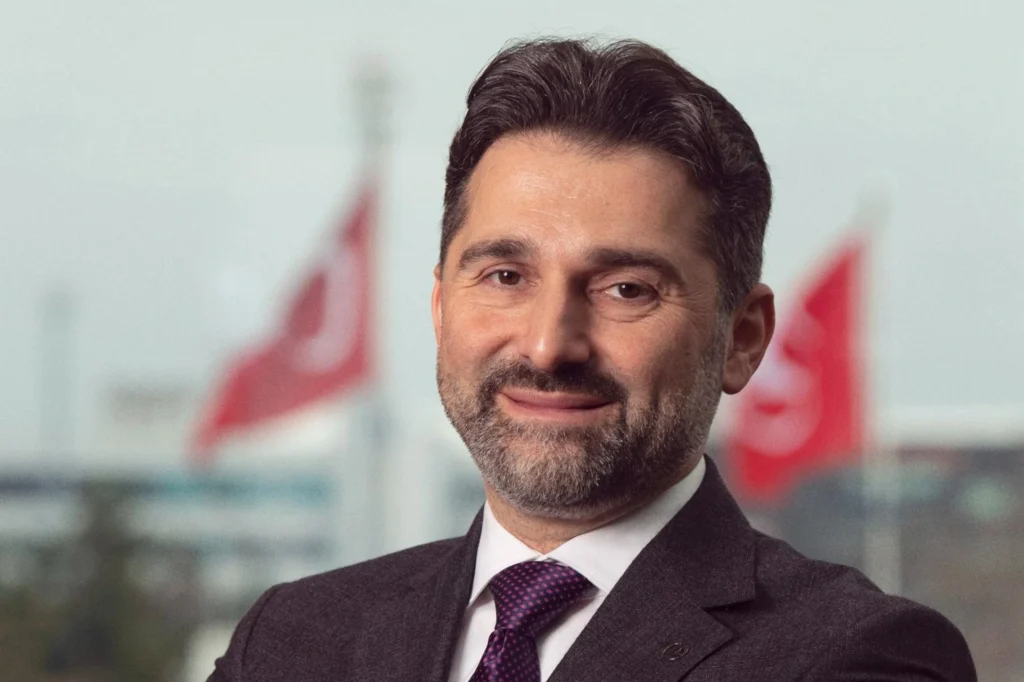
Ahmet Bolat has been Chairman of Turkish Airlines since 2022. An industrial engineer by training, he studied at Istanbul Technical University before completing postgraduate studies in engineering and management.
Before becoming chairman, Bolat served in several senior roles within the airline, including Chief Investment and Technology Officer. His career has largely been associated with the airline’s financial planning, digital transformation, and long-term investment strategies.
During his tenure as chairman, Turkish Airlines has continued expanding its fleet and international footprint. The carrier expects passenger numbers to grow significantly, targeting around 100 million passengers annually, alongside strong cargo growth and major investments in new aviation infrastructure.
Bolat is widely regarded as a strategic leader focused on long-term growth, infrastructure investment, and strengthening the airline’s global competitiveness.
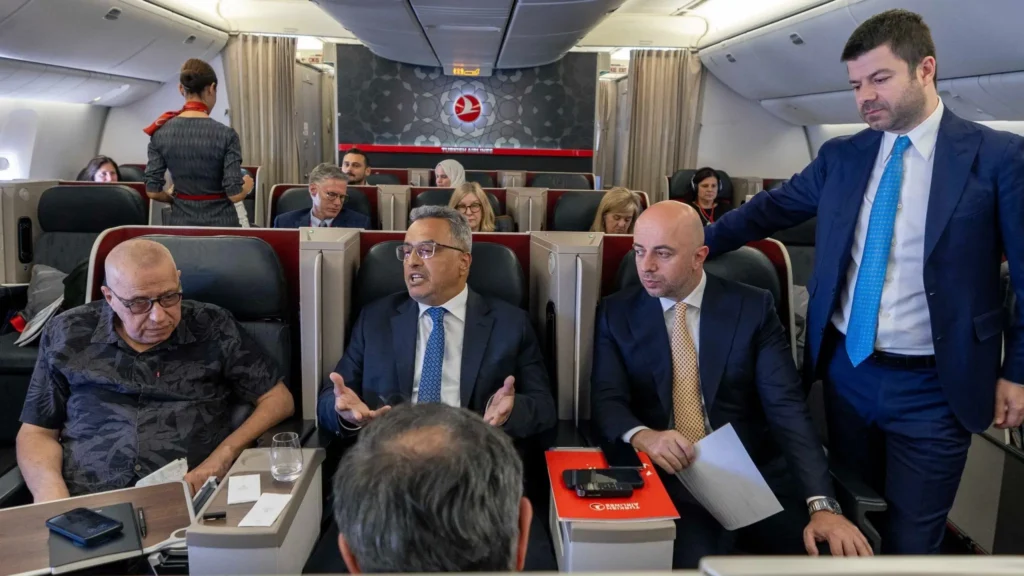
Turkish Airlines Chairman Salary and Compensation in 2026
Unlike many Western airlines, executive compensation at Turkish Airlines is influenced by Turkish corporate governance norms and state-linked oversight. The airline is publicly listed but also partly owned by the Turkish Wealth Fund, which tends to moderate executive pay levels compared with U.S. airline CEOs.
For 2026, Bolat’s estimated compensation package as Chairman includes the following components:
- Base salary: approximately TRY 80–100 million per year
- Board and executive allowances: around TRY 20–30 million
- Performance bonuses and incentives: approximately TRY 30–40 million
- Other benefits and pension contributions: about TRY 10–15 million
This places his estimated total annual compensation in the range of TRY 140–180 million, equivalent to roughly US$4,000,000, depending on exchange rates.
Board members of Turkish Airlines also receive additional fixed remuneration and periodic bonuses approved at shareholder meetings. For example, board remuneration has been reported at around 800,000 Turkish lira per month, plus quarterly bonuses.
Compared with Western airline CEOs who can earn tens of millions of dollars annually, Bolat’s compensation is relatively modest, reflecting the governance structure and local compensation norms in Turkey.
ALSO READ: Japan Airlines CEO Salary in 2026
Peer Comparison
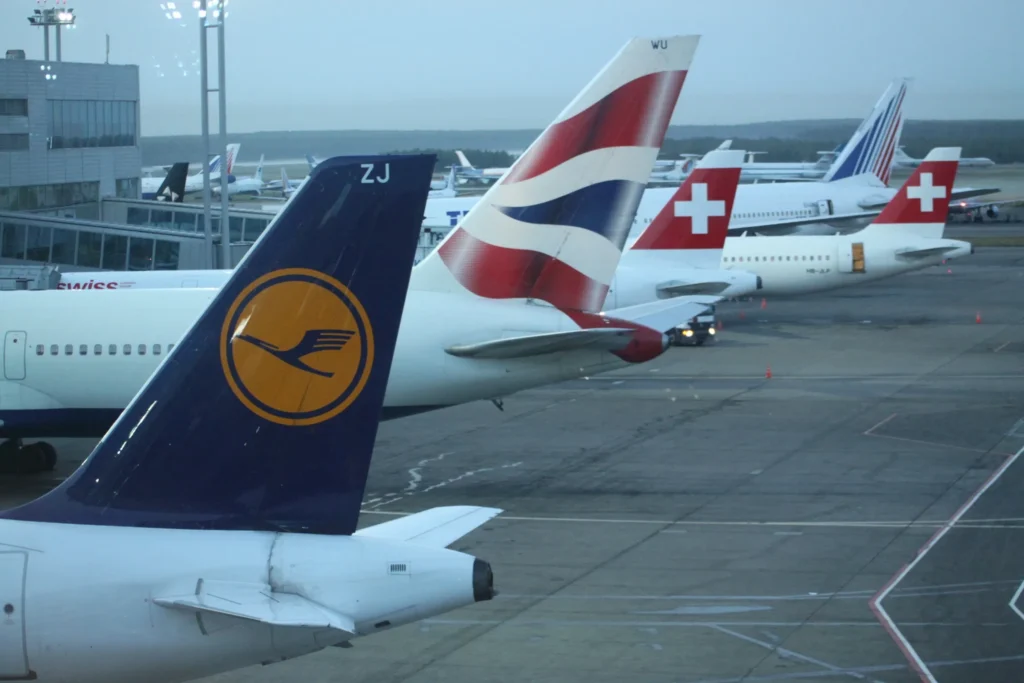
To better understand Ahmet Bolat’s estimated 2026 compensation of TRY 140–180 million (around US$4,000,000) at Turkish Airlines, it helps to compare it with executives leading other major European network airlines.
At Lufthansa, CEO Carsten Spohr oversees Europe’s largest airline group, which includes carriers such as SWISS, Austrian Airlines, and Brussels Airlines. His total compensation package in 2026 is estimated to be around €10–11 million (approx. US$9.5 million), reflecting Lufthansa’s large global network, multi-airline group structure, and strong financial scale.
Meanwhile, at British Airways, CEO Sean Doyle leads the airline within the International Airlines Group structure. In 2026, Doyle’s compensation is estimated at £3.4–3.6 million (around US$5 million), including a performance bonus, base salary, and other incentives tied to operational and financial targets.
Even so, Bolat oversees one of the world’s most extensive international airline networks, illustrating how governance and compensation structures can create differences in executive pay despite similar operational responsibilities.
ALSO READ: British Airways CEO Salary in 2026
Strategic Focus for Turkish Airlines in 2026
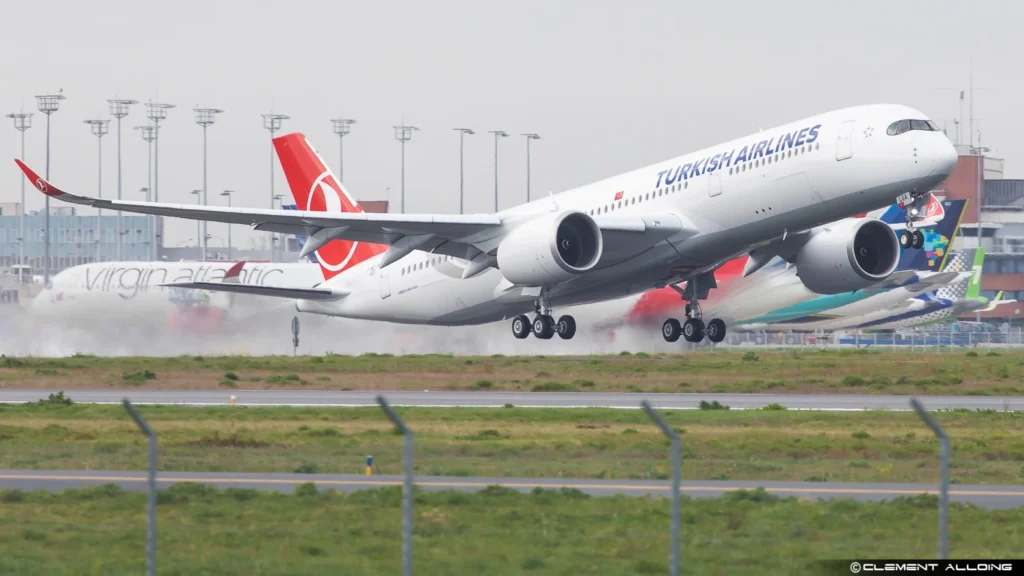
Under the leadership of Ahmet Bolat, Turkish Airlines continues to pursue an ambitious growth strategy aimed at strengthening its position as one of the world’s leading global network carriers. The airline’s strategic agenda for 2026 centres on fleet expansion, network development, operational efficiency, and strengthening Istanbul’s role as a major global aviation hub.
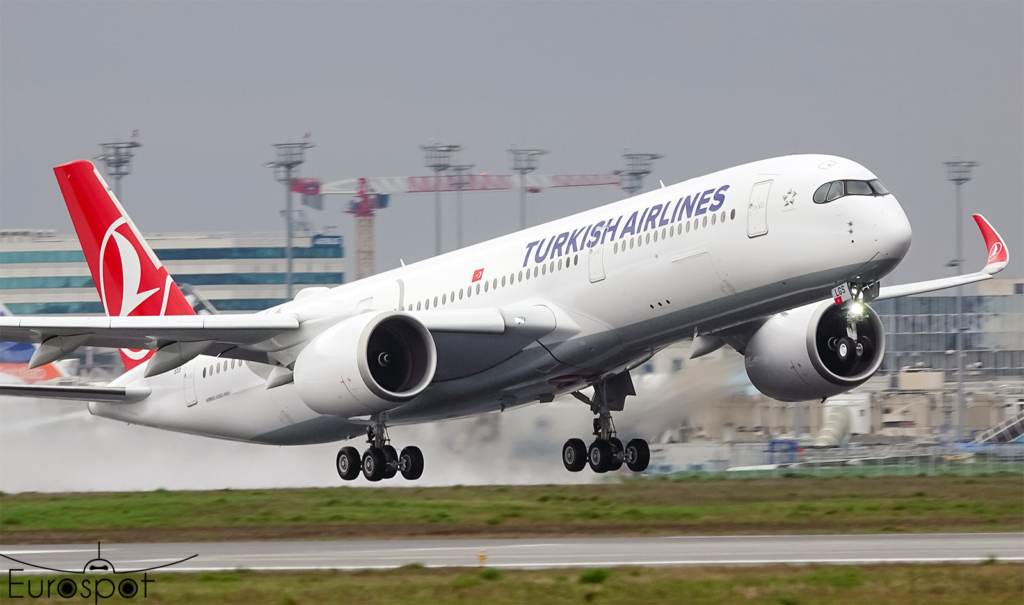
One of the most significant priorities is fleet growth and modernisation. Turkish Airlines has placed large aircraft orders in recent years and plans to significantly increase its fleet size over the next decade. New-generation aircraft will help the airline expand capacity while improving fuel efficiency and lowering emissions, supporting both profitability and sustainability goals.
Another major focus is network expansion. Turkish Airlines already operates one of the largest international route networks in the world, and the company plans to continue adding destinations across Asia, Africa, and the Americas. This strategy strengthens Istanbul’s position as a key transit hub linking Europe with emerging markets and long-haul destinations.
The airline is also investing heavily in cargo operations and logistics infrastructure. Through its cargo division, Turkish Airlines aims to increase its share of the global air freight market by expanding cargo capacity and enhancing logistics capabilities at Istanbul Airport.
Finally, operational efficiency and customer experience remain core priorities. Investments in digital platforms, improved ground operations, and upgraded onboard products are designed to enhance passenger satisfaction while maintaining strong operational reliability.
Together, these strategic priorities are intended to support Turkish Airlines’ long-term objective of becoming one of the world’s largest and most profitable global carriers.
Bottom Line
Ahmet Bolat’s estimated TRY 140–180 million (approx. US$4,000,000) annual compensation in 2026 reflects the governance structure and executive pay norms in Turkey’s aviation sector. While significantly lower than CEO packages at many Western airlines, it aligns with regional standards and the partially state-influenced structure of Turkish Airlines.
As the airline continues expanding its fleet, passenger numbers, and infrastructure investments, Bolat remains responsible for steering one of the world’s fastest-growing global carriers through a highly competitive aviation landscape.
Editor’s Note: Turkish Airlines recently announced the new chairman, and details about his package have not yet been revealed. Once it’s available, we will make a separate post on it.
Turkish Airlines Chairman Salary FAQs
His estimated total compensation in 2026 is roughly TRY 140–180 million annually.
Yes. A large portion of the airline is owned by Turkey’s sovereign wealth fund, which influences governance and executive pay levels.
Executive compensation in Turkey tends to be lower than in the United States due to different governance structures and economic conditions.
Stay tuned with us. Further, follow us on social media for the latest updates.
Join us on Telegram Group for the Latest Aviation Updates. Subsequently, follow us on Google News
