


FORT WORTH- American Airlines (AA) has sparked a fresh conflict with its flight attendant workforce after launching a new performance tracking platform called ‘Me@Work’ with minimal union involvement.
The Association of Professional Flight Attendants (APFA), which represents the carrier’s cabin crew, has filed a formal Notice of Dispute over the program.
The tool assigns each flight attendant an aggregate performance score based on metrics such as customer satisfaction ratings, attendance records, and safety report submissions.
As reported by PYOK, crew members at Dallas Fort Worth (DFW) and LaGuardia (LGA) bases have raised serious concerns about how the platform collects, measures, and could potentially use this data against them.
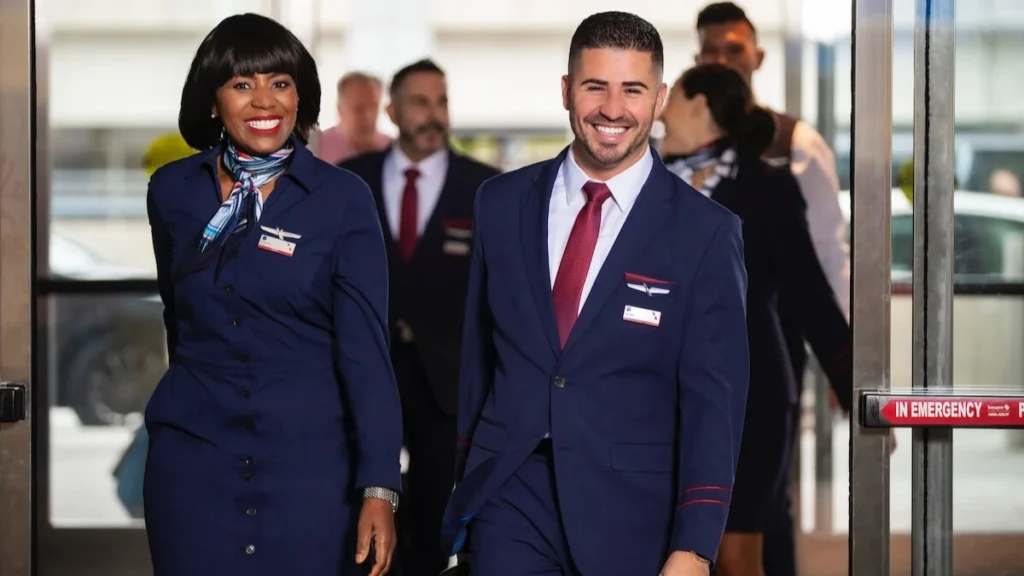
American Attendants Challenge Performance Tracking
American Airlines developed ‘Me@Work’ over several months before officially unveiling it to flight attendants. The carrier had been quietly collecting performance data during this period, which allowed it to present each crew member with a pre-calculated score on launch day.
This approach caught many flight attendants off guard, as most had no idea their work was being tracked so granularly.
The platform pulls data from multiple sources. Customer satisfaction survey results, flight delays attributed to cabin crew, attendance and sick leave records, safety and service report submissions, and what the airline calls an “operational contribution” metric all feed into the final score.
American Airlines has positioned the tool as a self-improvement resource rather than a disciplinary mechanism, stating that low scores will not trigger formal action against flight attendants.
The airline describes ‘Me@Work’ as a way for crew members to monitor their own performance and benchmark themselves against their peers. However, flight attendants and their union remain skeptical about the platform’s true purpose and long-term implications.
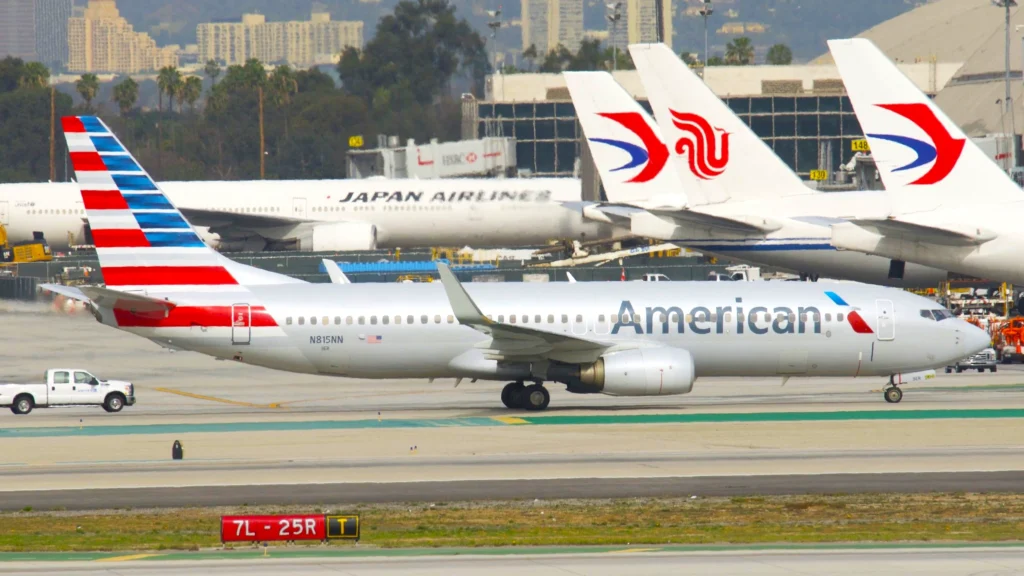
Union Pushback and Formal Dispute Filing
The APFA has made it clear that the airline did not adequately consult the union during the development of ‘Me@Work.’ While the union was made aware of the platform before its launch, its objections were largely dismissed.
The Dallas-Fort Worth division of the APFA confirmed this in a statement, noting that the airline pushed ahead even after the union raised concerns.
The LaGuardia division separately acknowledged that it was receiving significant pushback from its members about how the system could be used in practice. Flight attendants at LGA expressed worry that the tool could eventually become a basis for disciplinary decisions, despite assurances from the airline.
This dispute adds to a long history of tensions between American Airlines and its cabin crew. The carrier faced extended negotiations before finalizing a new contract with the APFA, and the rollout of ‘Me@Work’ without proper union engagement has only deepened that mistrust.
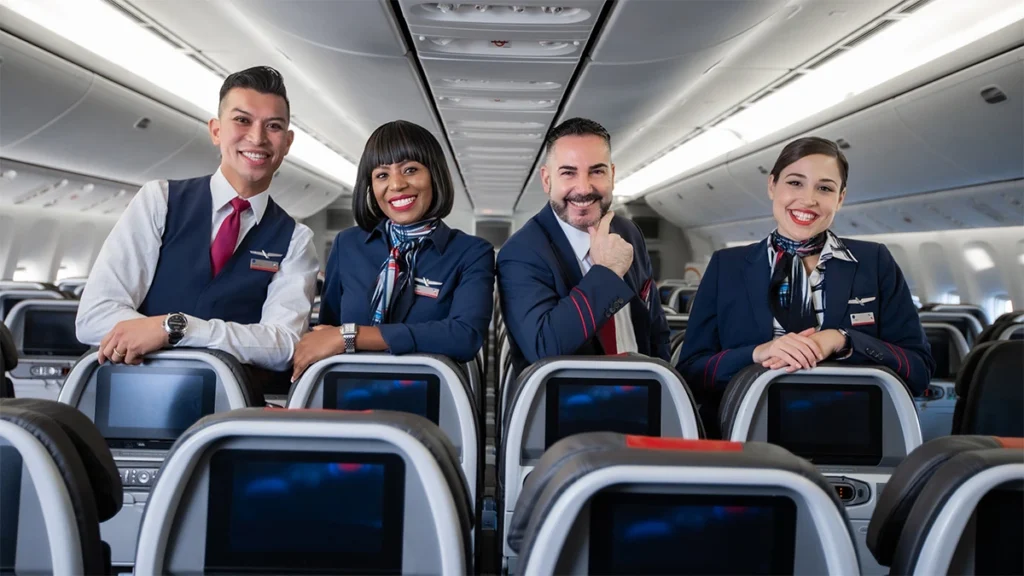
Why Flight Attendants Distrust Customer Satisfaction Metrics
One of the core objections raised by flight attendants centers on the use of customer satisfaction scores as a performance metric. Cabin crew argue that passenger feedback is influenced by numerous factors beyond their control.
Delayed flights, rude gate agents, broken in-flight entertainment systems, lack of Wi-Fi, and chaotic boarding processes all shape a passenger’s perception of their flight experience.
When passengers rate their overall flight poorly, the negative score often reflects these systemic issues rather than the quality of service provided by the cabin crew.
Another concern involves how complaints are handled within the scoring system. Flight attendants have pointed out that customer complaints can lower their ‘Me@Work’ score even when an internal investigation determines the complaint was unjustified. This creates a system where unverified grievances carry the same weight as legitimate ones.
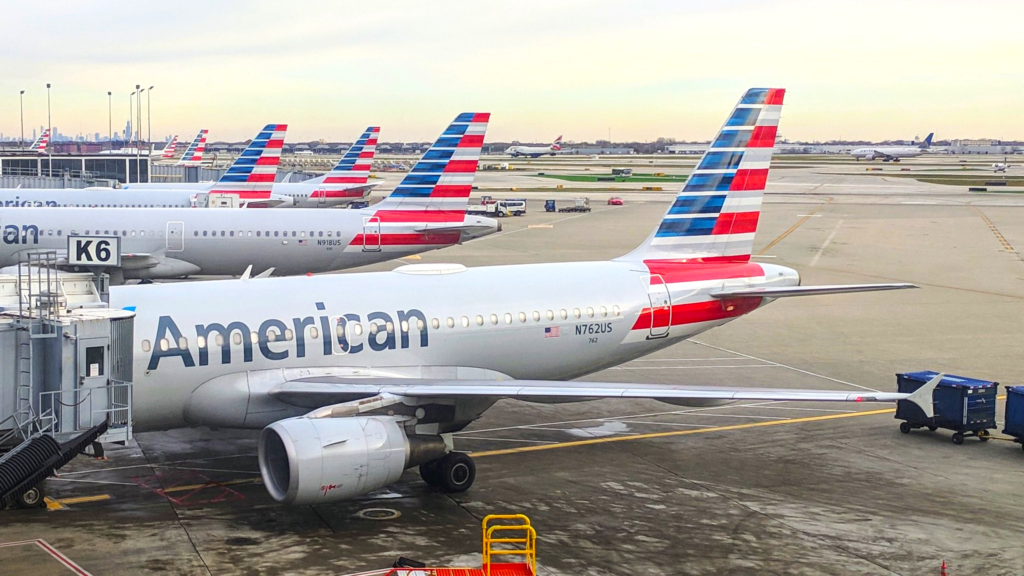
A Broader Industry Trend With Familiar Pitfalls
American Airlines is not the only carrier exploring performance tracking tools for cabin crew. Several international airlines have used similar systems for years. However, these programs have consistently drawn criticism from flight attendants around the world.
The most common complaint across carriers is the collective nature of customer satisfaction scores. On any given flight, a single crew member’s behavior can drag down the ratings for the entire team. Flight attendants who perform well have no mechanism to insulate their scores from the actions of a colleague.
American Airlines flight attendants also lack the onboard supervisory structure found at many international airlines. There is no designated manager on board with authority to coach or evaluate performance in real time.
All crew members hold the same rank, even if one is assigned a purser role. This flat hierarchy makes data-driven scoring feel particularly intrusive to crew members who have historically operated without direct oversight.
What Comes Next for American Airlines and APFA
The Notice of Dispute filed by the APFA signals that this issue is unlikely to be resolved quickly. The union has framed ‘Me@Work’ as a potential threat to fair treatment of its members, and the formal dispute process could lead to extended negotiations or even arbitration.
American Airlines faces a critical decision on how it handles this situation. The carrier can either engage the union in a meaningful review of the platform or risk escalating tensions with a workforce that has already demonstrated its willingness to push back against management decisions.
Stay tuned with us. Further, follow us on social media for the latest updates.
Join us on Telegram Group for the Latest Aviation Updates. Subsequently, follow us on Google News
