

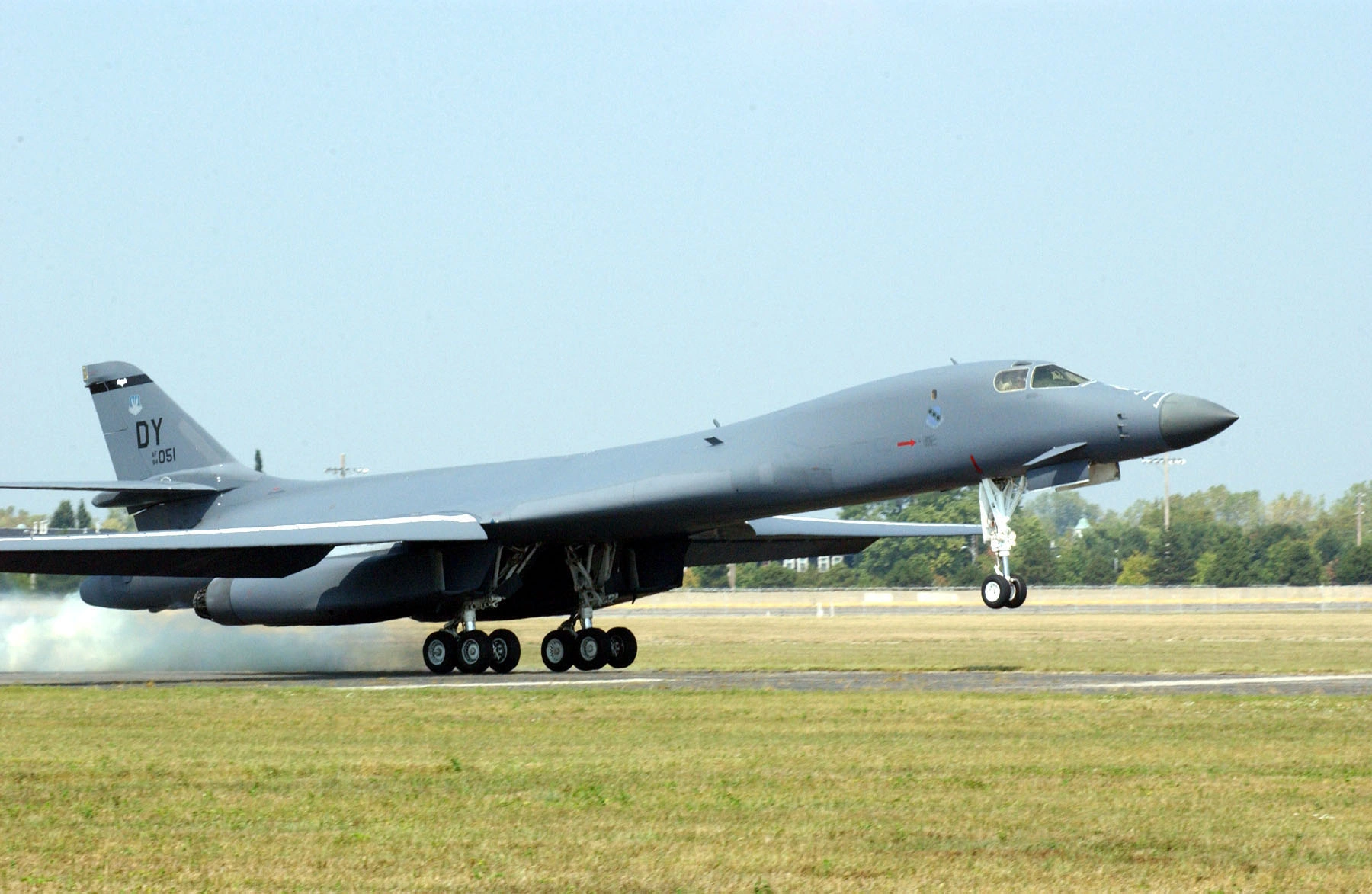
CALIFORNIA- The U.S. Air Force (USAF) has publicly released the first imagery of a B-1B Lancer bomber carrying an AGM-183 Air-launched Rapid Response Weapon (ARRW) hypersonic missile on an external hardpoint.
The footage, shared on Edwards Air Force Base’s (EDW) Instagram page, confirms the bomber’s expanding role as a hypersonic weapons test platform as the service extends its operational life through at least 2037.
The development coincides with renewed investment in the ARRW program, which the Air Force had moved to cancel in 2023. The Fiscal Year 2027 budget request now seeks nearly $350 million to fund ARRW Increment 2 and a new air-launched ballistic missile (ALBM) program.
The B-1B’s unmatched external payload capacity has secured its relevance even as the next-generation B-21 Raider enters the fleet.
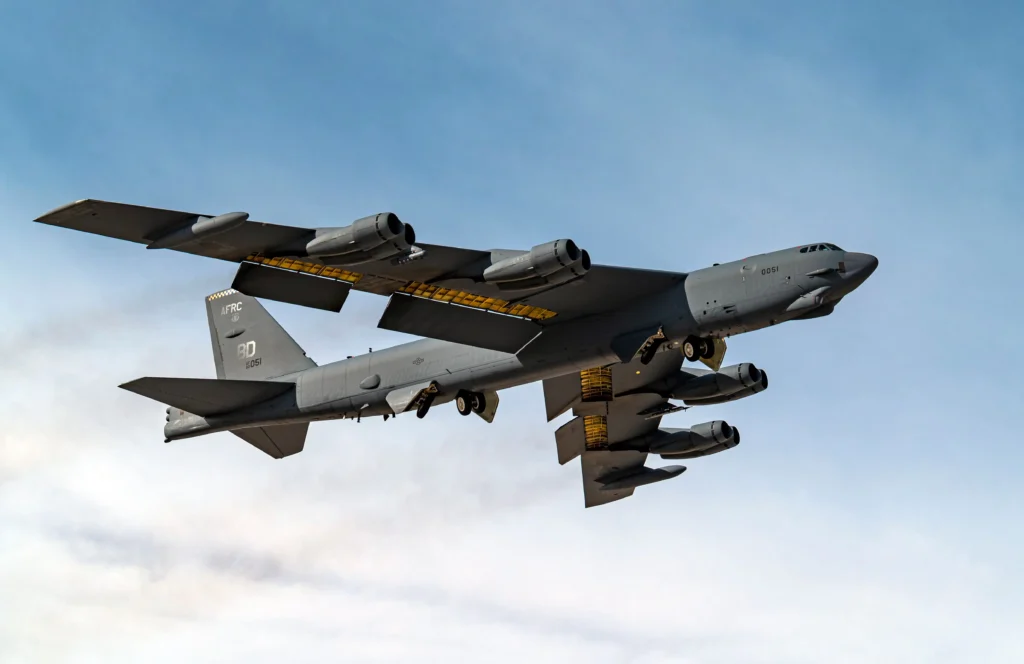
Earlier captive carry tests of the ARRW took place under the wings of B-52H Stratofortress bombers, including a live round carried at Andersen Air Force Base (UAM) on Guam ahead of a Western Pacific test in 2024, TWZ reported.
USAF B-1B Lancer Emerges as Primary Hypersonic Weapons
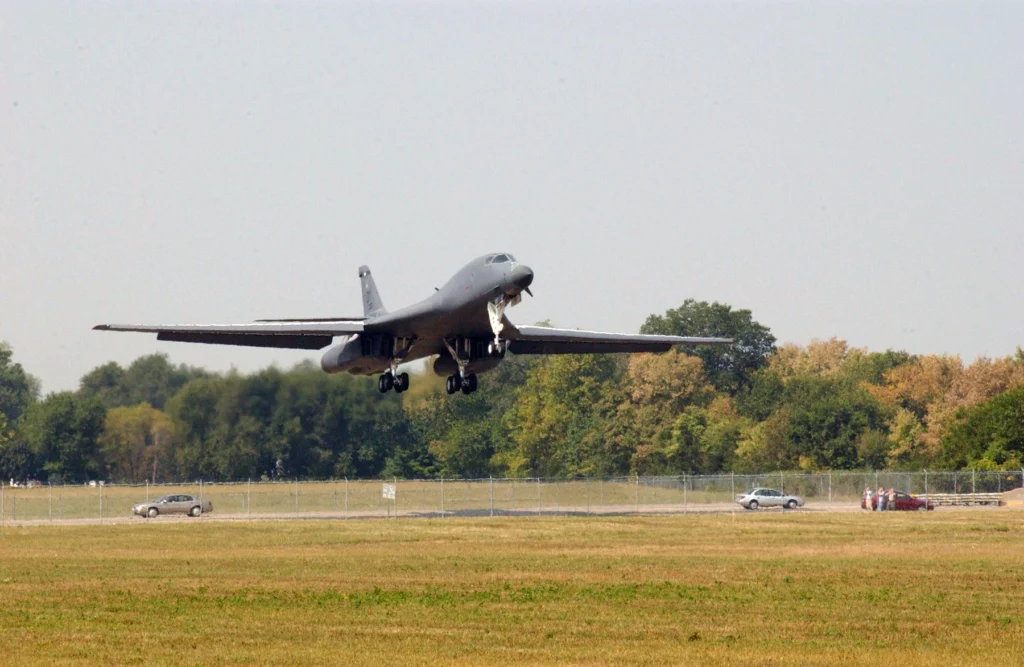
The B-1B was originally designed with up to eight external hardpoints capable of carrying stores, including nuclear-tipped AGM-86B Air-Launched Cruise Missiles (ALCM) during the Cold War.
After losing its nuclear mission, the external pylons fell into disuse for weapons carriage. However, by 2020, the Air Force outlined plans to reactivate external stations specifically for hypersonic weapons integration.
Gen. Timothy Ray, then commander of Air Force Global Strike Command, stated the goal was to modify at least a squadron’s worth of B-1Bs with external pylons to carry the ARRW. The service evaluated multiple integration approaches and determined that external pylons offered the fastest and most cost-effective path forward.
The Fiscal Year 2026 budget request confirmed the B-1B’s role as a testbed for the Load Adaptable Modular (LAM) pylon, engineered for hypersonic weapons and other heavy stores. The B-1B can mount six LAM pylons, each rated for two 2,000-pound-class weapons or a single store exceeding 5,000 pounds.
The ARRW falls into the heavier category. Budget documents noted that the Hypersonic Integration Program successfully demonstrated captive carry of a 5,000-pound-class store and weapon-shape release from a LAM pylon.
The same external station shown in the ARRW footage has previously supported flight tests with the Joint Direct Attack Munition (JDAM), AGM-158 Joint Air-to-Surface Standoff Missile (JASSM), and the Sniper Advanced Targeting Pod.
ARRW Program Revived With Increment 2 and ALBM Development
The AGM-183A ARRW carries an unpowered hypersonic boost-glide vehicle. A rocket booster accelerates the vehicle to the required speed and altitude before separation, after which the glide body follows a shallow atmospheric trajectory toward its target.
The combination of extreme speed and an unpredictable flight path makes interception highly difficult and leaves adversaries minimal response time.
The Air Force had moved to cancel the ARRW in 2023, redirecting resources toward the air-breathing Hypersonic Attack Cruise Missile (HACM). Despite that decision, steady signals indicated the program retained support.
The Fiscal Year 2026 budget formally revived ARRW procurement, and the Fiscal Year 2027 request advances the effort further with ARRW Increment 2, which adds undisclosed enhanced capabilities to the baseline weapon.
The ALBM program, funded alongside Increment 2, aims to field a new long-range air-launched strike capability complementing both ARRW and HACM.
Budget documents state the Air Force plans to double production rates for both developmental hypersonic weapons, with a planned $1.8 billion investment across the Future Years Defense Program (FYDP) to accelerate delivery.
B-1B Fleet Modernization Extends Service Life to 2037
Despite earlier plans to retire the B-1B by 2030, the bomber’s ability to carry outsized external loads has reversed that timeline.
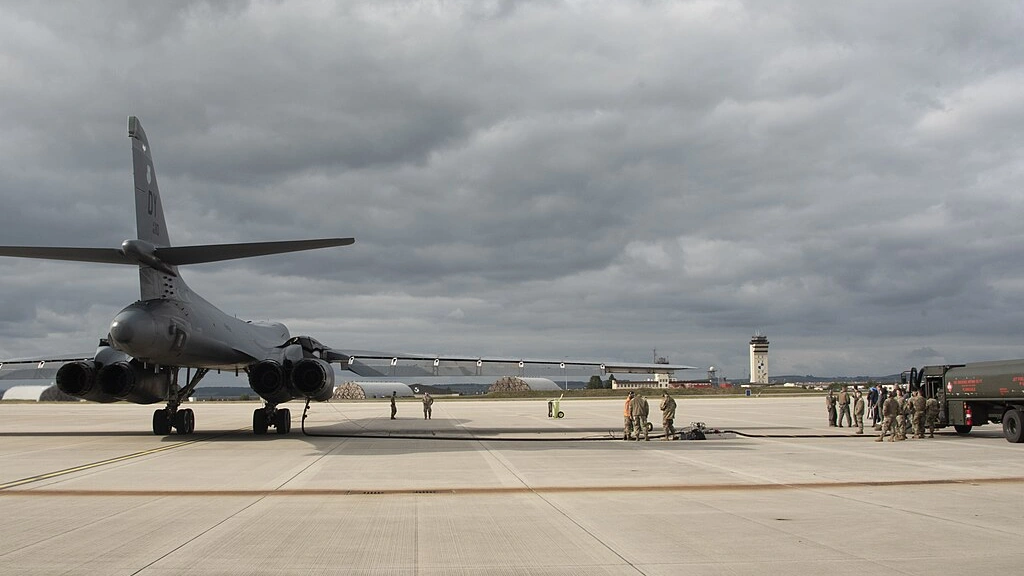
The Air Force now expects the fleet to remain operational until at least 2037. Fiscal Year 2027 budget documents allocate $342 million to modernize the 44 remaining B-1Bs from 2027 through 2031, ensuring continued lethality and mission relevance.
The B-2 Spirit stealth bomber will also undergo modernization as the Air Force addresses growing bomber capacity demands. Recent combat operations against Iran, routine global bomber task force deployments, and the increasing possibility of a conflict with China collectively underscore the strategic importance of the bomber fleet.
The B-1B carries more conventional weapons than any other aircraft in the Air Force inventory, a capability that will only grow as additional external weapons configurations enter service.
Stay tuned with us. Further, follow us on social media for the latest updates.
Join us on Telegram Group for the Latest Aviation Updates. Subsequently, follow us on Google News
