


Airplane window shade etiquette continues to spark debate among passengers, as differing preferences shape inflight comfort. While seating assignments define certain rights, shared cabin space requires a balance between personal control and collective convenience.
On aircraft operated by airlines such as American Airlines (AA) and Emirates (EK), and across major hubs like Los Angeles International Airport (LAX) and Dubai International Airport (DXB), passengers frequently encounter differing expectations around window shade use. These situations often arise on long-haul routes where lighting conditions significantly affect rest and comfort.

Window Seat Control Debate
The passenger seated by the window generally controls the window shade, as it is part of their assigned space. This unwritten rule is widely accepted across airlines and cabins.
Many travelers specifically select window seats to enjoy outside views or regulate natural light. The ability to open or close the shade remains one of the few personalized controls available in economy class.
However, this control is not absolute in practice. While the window seat occupant holds primary authority, social expectations encourage responsible and reasonable use.

Passenger Etiquette Rules
Consideration for fellow passengers plays a key role in maintaining a comfortable cabin environment. Bright sunlight entering through a single open shade can disrupt others who are trying to sleep or use entertainment screens.
Passengers are encouraged to follow a simple principle of mutual respect. If a neighboring traveler politely requests a shade adjustment due to glare or discomfort, a compromise often leads to a better overall experience.
Conflict should be avoided, especially in confined spaces like aircraft cabins. In situations where disagreements escalate, cabin crew may step in to resolve the issue and maintain order.
Crew Shade Policies
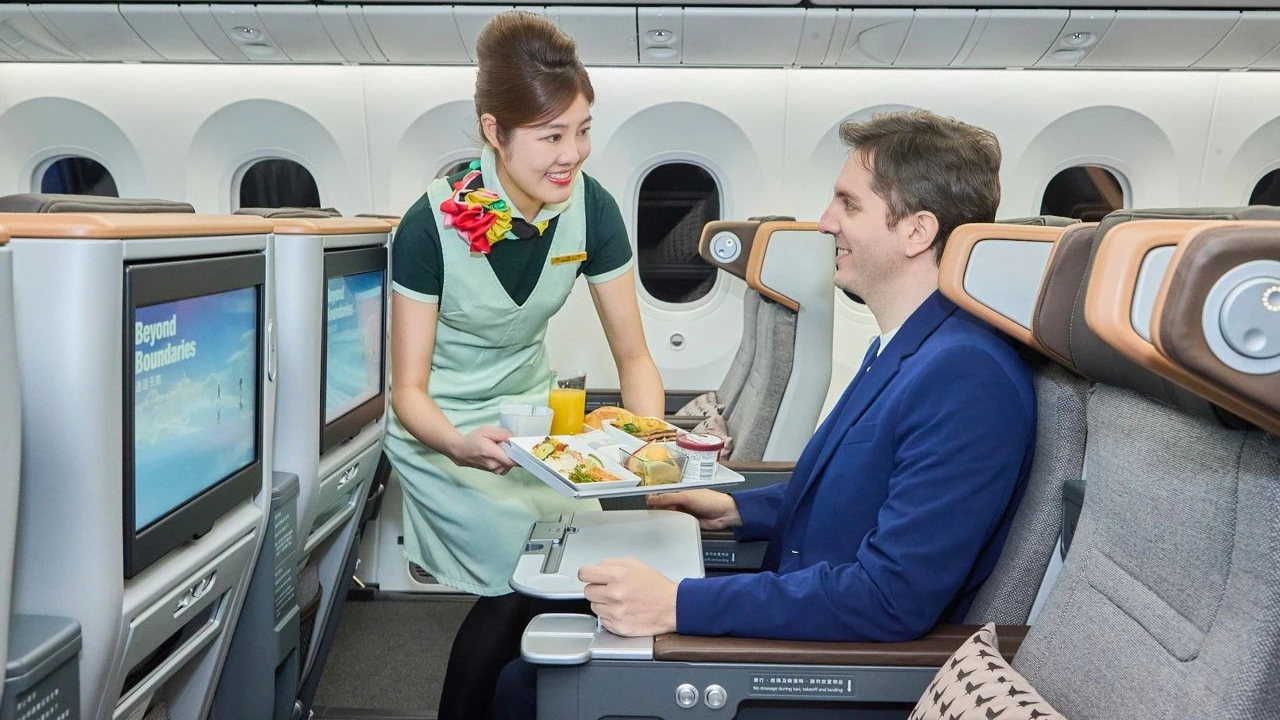
Flight attendants sometimes guide window shade usage, particularly on long-haul or overnight flights, reported OMAAT.
These instructions typically aim to create a darker cabin environment that supports rest during critical phases of the journey.
On certain aircraft, such as the Boeing 787, which features electronically dimmable windows, crew members may control or restrict window settings. This ensures consistent lighting across the cabin, especially during designated rest periods.
However, passengers occasionally express dissatisfaction when shades are required to remain closed during daytime flights. This is particularly common on westbound routes or morning departures, where natural light aligns with passengers’ waking hours.
Despite these concerns, most travelers tend to follow the general cabin trend. If the majority of shades are closed, keeping a single shade open may create discomfort due to concentrated glare.
Ultimately, effective window shade etiquette relies on a balance between personal preference and shared comfort. While the window seat provides control, awareness of the surrounding environment ensures a smoother and more pleasant journey for all onboard.
Follow Cabin Trends
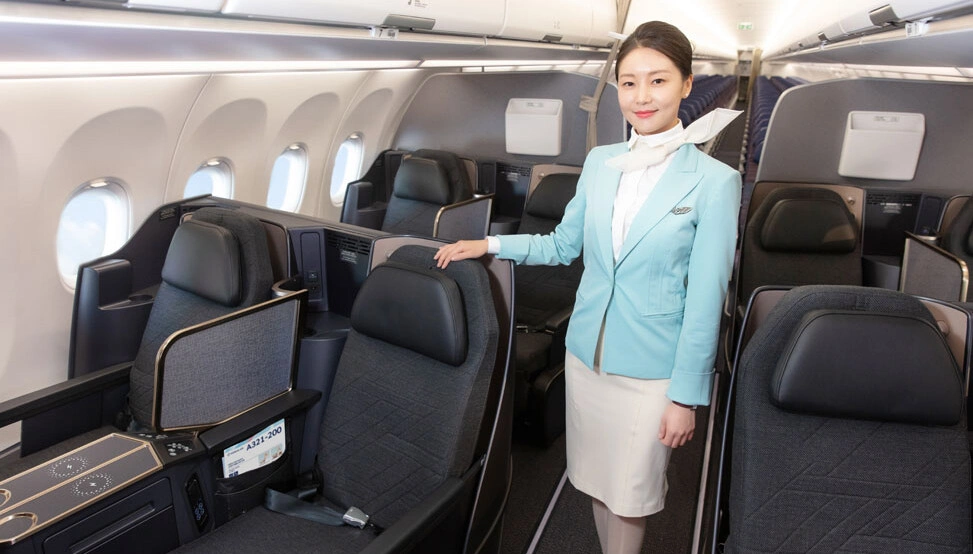
Passengers often overlook the importance of observing overall cabin behavior during a flight. When most window shades remain closed, especially on long-haul routes, it usually indicates a collective preference for rest or reduced glare.
Adapting to this pattern helps maintain a consistent lighting environment across the cabin. A single open shade can create a sharp contrast, which may disturb passengers seated nearby.
At the same time, brief adjustments are generally acceptable, particularly during meal services or scenic flight segments. By aligning individual actions with broader cabin trends, passengers can balance personal comfort with shared inflight experience.
Stay tuned with us. Further, follow us on social media for the latest updates.
Join us on Telegram Group for the Latest Aviation Updates. Subsequently, follow us on Google News
