

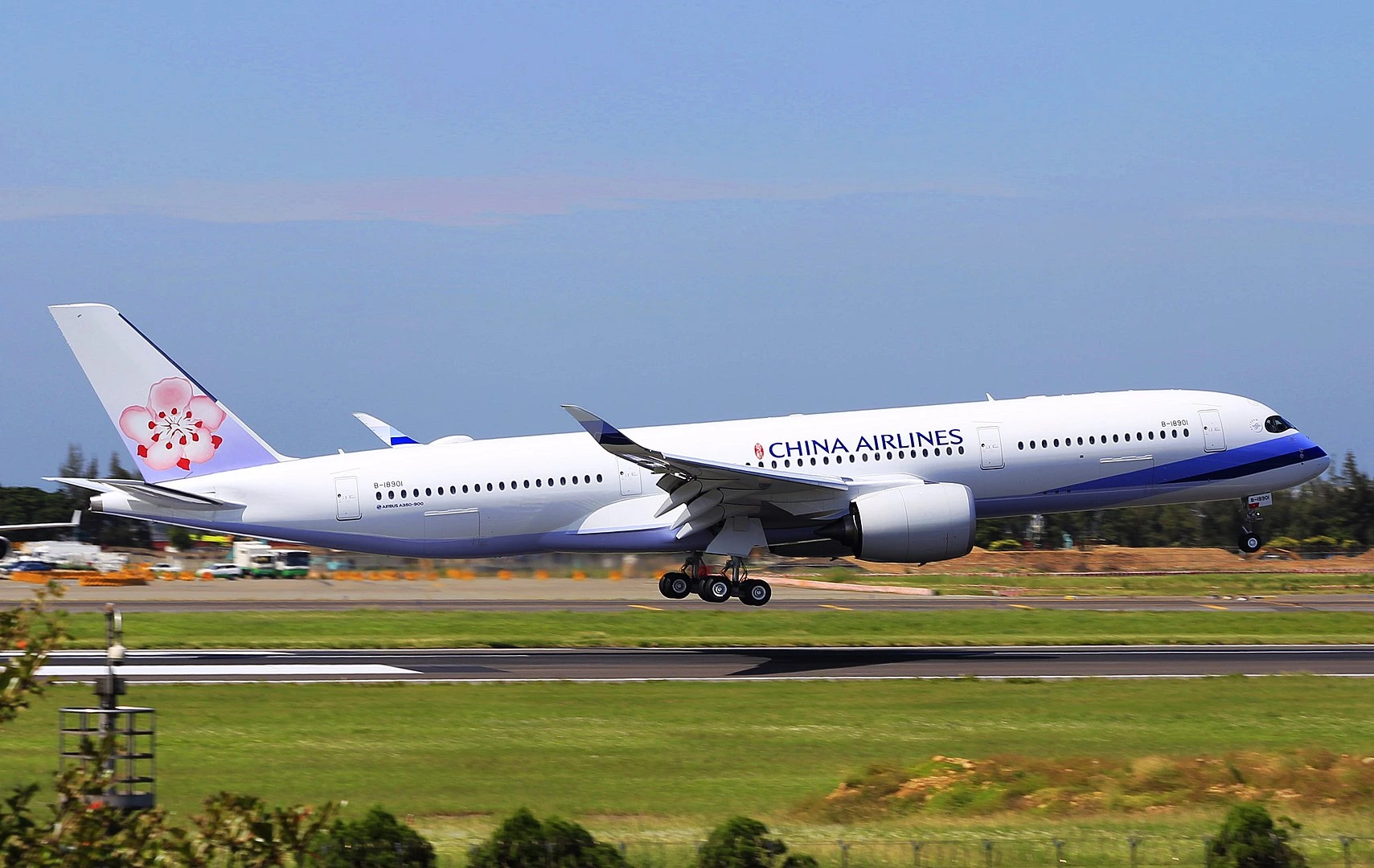
TAIPEI- A China Airlines (CI) Airbus A350-1000 was grounded at Melbourne Airport (MEL) after a jetbridge collision damaged its forward door following arrival from Taipei (TPE).
The incident involved China Airlines and Melbourne, with the aircraft arriving as flight CI-57 from Taipei on Tuesday morning. The aircraft was empty at the time, and no injuries were reported.
Jetbridge Collision and Ground Handling Failure
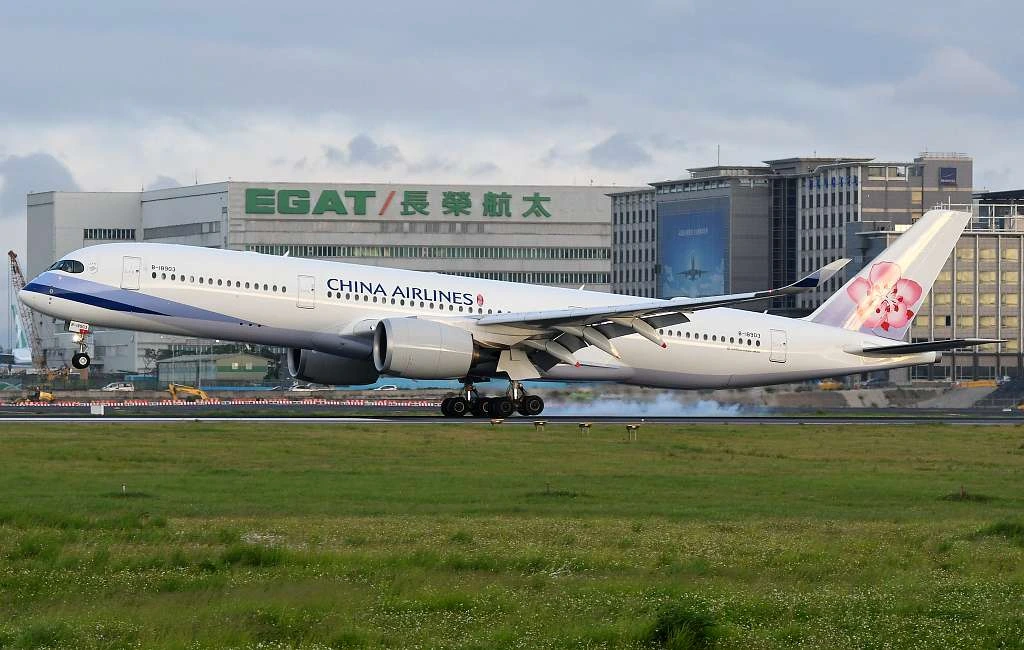
The aircraft had completed an overnight flight from Taipei and landed at Melbourne Airport (MEL) early Tuesday morning.
After all passengers and crew had safely deplaned, the aircraft remained parked at the gate with the forward left-hand door open and the jetbridge still attached.
Shortly after arrival, the aircraft began to roll backward unexpectedly. With the jetbridge connected and the door open, the movement caused the door to strike the jetbridge.
The impact partially tore the door off its hinges, resulting in significant structural damage to the door assembly.
The exact cause of the rollback has not been officially confirmed. However, early indications suggest that wheel chocks may not have been properly positioned in front of and behind the aircraft’s tires. This allowed unintended movement while the aircraft was still secured to ground equipment.
According to PYOK, such incidents highlight the importance of strict adherence to ground handling procedures, especially during post-arrival operations.
The scheduled return service to Taipei on Tuesday night was cancelled immediately. Engineers are now assessing whether the damage is limited to the door or extends into the fuselage structure, which would significantly impact repair time.
Contributing Factors and Operational Risks
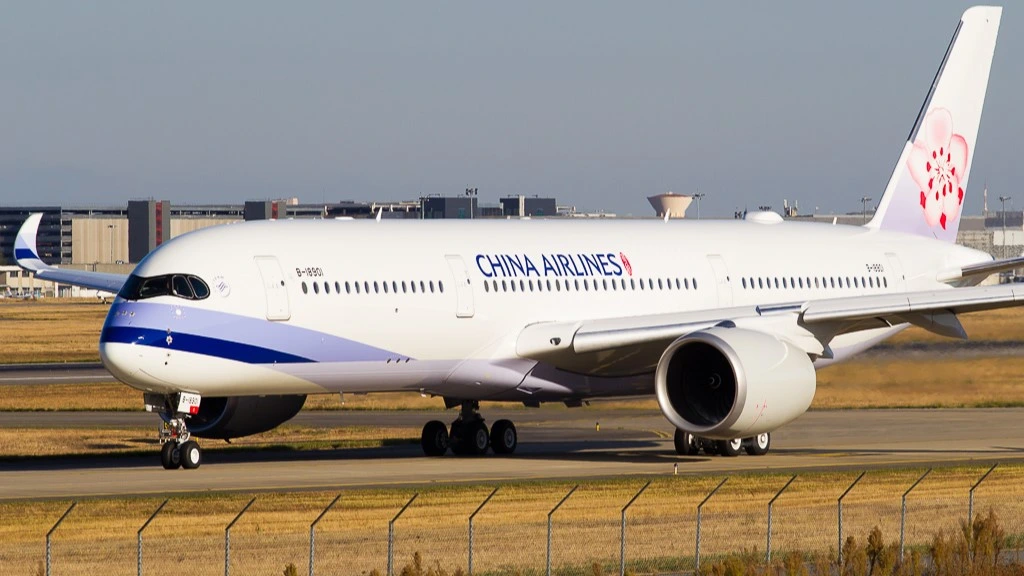
Jetbridge-related incidents typically result from either human error or mechanical malfunction. In this case, the primary suspected factor is improper aircraft securing procedures, although the investigation is ongoing.
Key operational risks include:
- Incorrect placement or absence of wheel chocks
- Miscommunication between the cockpit and the ground crew
- Jetbridge positioning or attachment errors
- Deviation from standard operating procedures
In addition to human factors, jetbridge system malfunctions are also a known cause of similar incidents across global airports.
Similar Incidents
Similar jetbridge accidents have occurred in recent years, demonstrating recurring risks in ground operations.
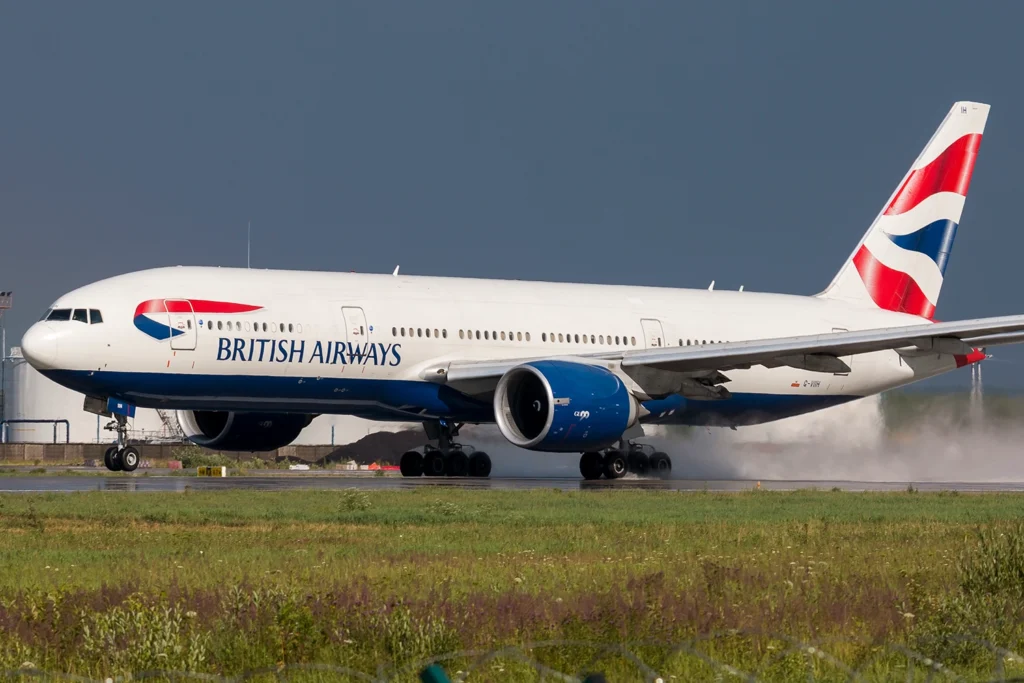
- In 2022, a British Airways (BA) Boeing 777 suffered a complete door separation at Cape Town International Airport after pushback began while still connected to the jetbridge. The aircraft had arrived from London and was being repositioned to a remote stand.
- In 2023, an American Airlines (AA) Boeing 787 at Dublin Airport experienced a severe incident when the L2 door (D2L) was sheared off after the jetbridge unexpectedly dropped. No personnel were present beneath the aircraft at the time.
- In 2020, an Emirates (EK) Boeing 777-300 at Ninoy Aquino International Airport was damaged when the jetbridge malfunctioned and began lifting upward while the door was open.
- In 2008, a Lufthansa (LH) Airbus A340-300 at Denver International Airport had its door completely torn off when the jetbridge suddenly lowered. This occurred shortly after 204 passengers had boarded the aircraft.
These cases confirm that both operational lapses and equipment failures can result in costly structural damage.
Repair Complexity and Operational Impact
The Airbus A350-1000 is a high-value, multi-million-dollar widebody aircraft, and damage to critical components such as doors can lead to extended grounding.
Repair timelines depend on the extent of structural involvement. If damage is confined to the door mechanism, replacement may be completed within days. However, if the fuselage structure is affected, repairs can take several weeks.
A comparable case involving a Virgin Atlantic (VS) Airbus A340-300 required up to 8 weeks of repairs due to structural damage. A similar outcome cannot be ruled out until a full engineering inspection is completed.
Operational impacts include:
- Cancellation of scheduled services
- Fleet rotation disruptions
- Increased maintenance costs
- Passenger rebooking challenges
Airlines must often rely on spare aircraft or adjust schedules to mitigate such disruptions.
Stay tuned with us. Further, follow us on social media for the latest updates.
Join us on Telegram Group for the Latest Aviation Updates. Subsequently, follow us on Google News
