

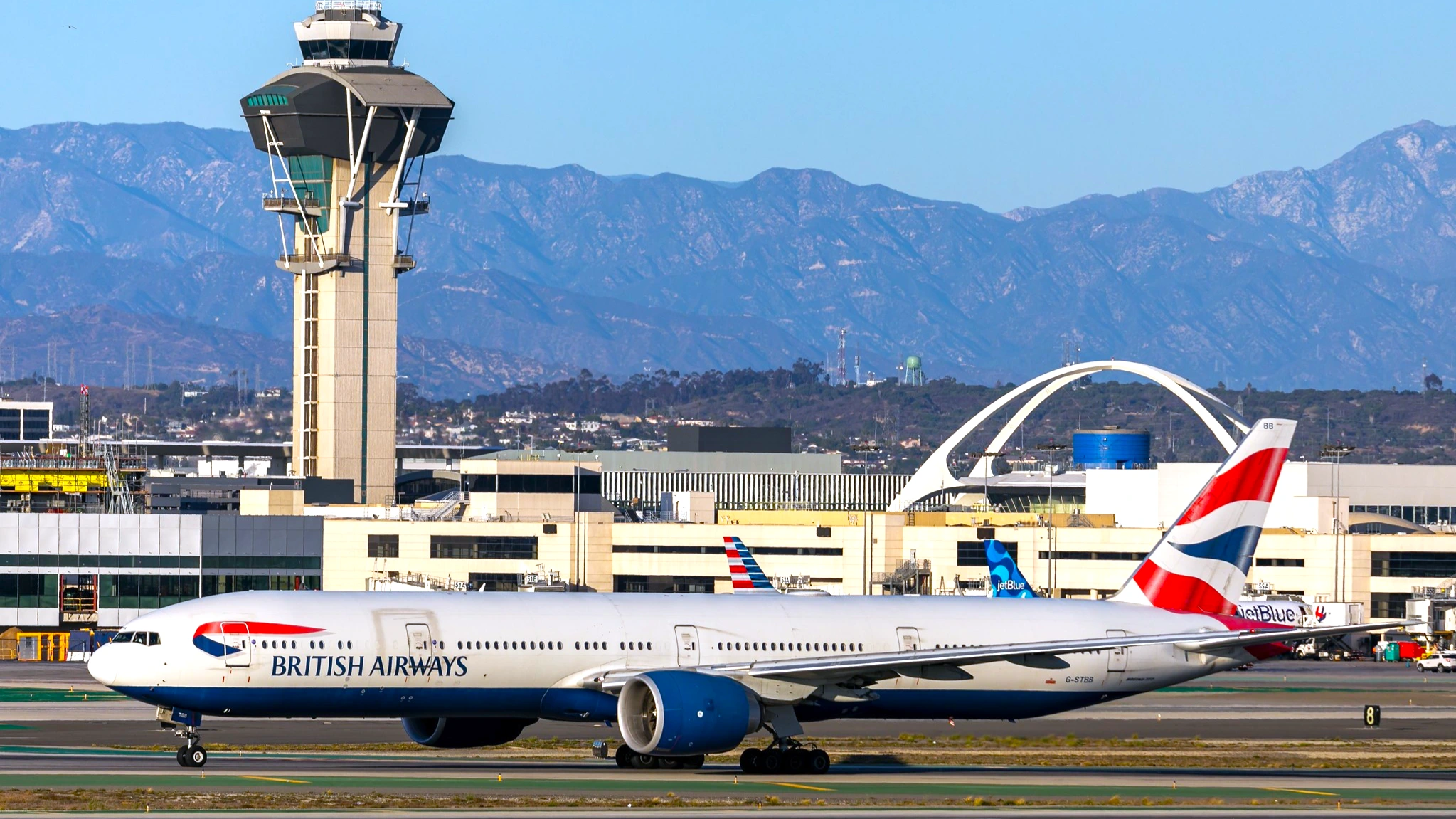
LONDON- A 61-year-old businessman has filed a lawsuit seeking more than £50,000 in damages against British Airways (BA) after he cut two fingers on a concealed sharp object during a flight from London Heathrow (LHR) to Cincinnati (CVG) in September 2023.
Andrew Chesterton, a former chief operating officer at financial services firm Bravura Solutions, claims the injury left him with permanent scarring, reduced grip strength, and lasting psychological trauma.
British Airways (BA) has admitted liability for the accident under the Montreal Convention but is contesting the compensation amount.
The airline’s legal team argues that Chesterton cannot recover damages for alleged psychiatric injuries, as Article 17(1) of the Montreal Convention only permits compensation for “bodily injury” or death. The case now moves toward a full damages assessment unless both parties reach an out-of-court settlement, Metro reported.
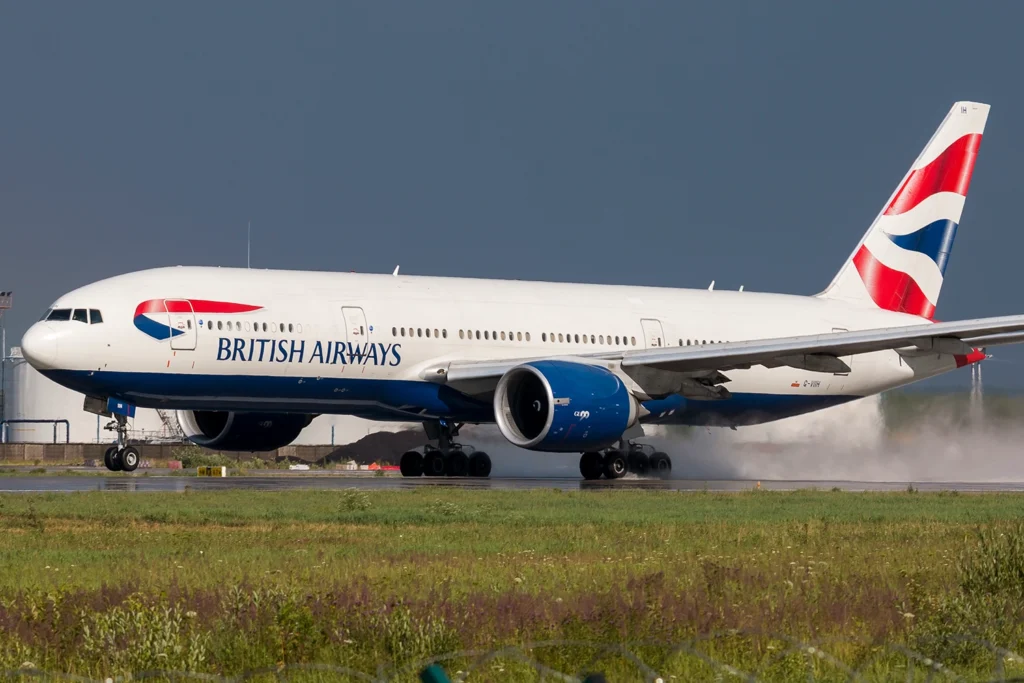
British Airways Passenger Files Lawsuit
Court documents filed by Chesterton’s barrister, Jessica Muurman, detail the sequence of events on September 24, 2023.
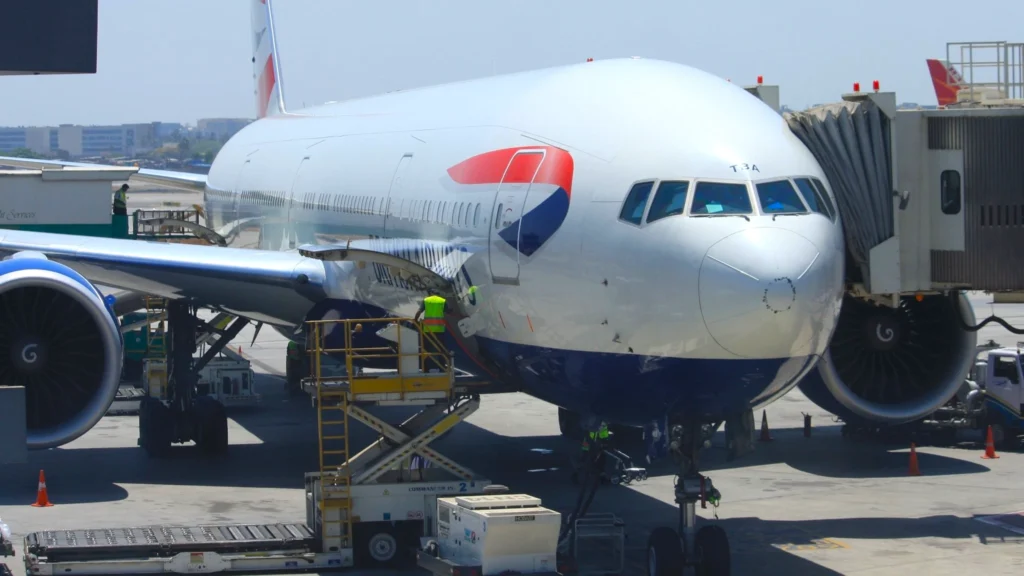
Chesterton was seated in Seat 1A on the British Airways (BA) flight from London Heathrow (LHR) to Cincinnati (CVG) when he reached between his seat using his left hand. An unidentified sharp object, hidden in the fold of the seat, sliced into his left ring finger and left little finger.
Cabin crew members provided immediate assistance to control the bleeding during the remainder of the flight. Upon landing in Cincinnati (CVG), emergency services transported Chesterton to a local hospital, where medical staff cleaned the wounds and applied a total of 11 stitches. His ring finger required four stitches, while his little finger needed seven.
Physical Recovery and Lasting Impairments
Chesterton’s ring finger remained uncomfortable and hypersensitive for approximately five months following the injury.
The wound on his little finger later developed an infection, requiring antibiotic treatment. Court evidence also documents scarring on both fingers, measuring 15mm on the ring finger and 18mm on the little finger.
According to legal filings, Chesterton underwent five sessions of physiotherapy to manage his ongoing symptoms. Despite this treatment, his barrister states that he continues to suffer from hypersensitivity, stiffness, and reduced grip strength in his left little finger.
Muurman describes the impact as permanent, noting that Chesterton must now modify everyday tasks such as lifting objects, particularly during gardening activities.
For approximately two months after the incident, Chesterton was unable to drive, which disrupted his daily routine and social life.
ALSO READ: British Airways Faces $450K Lawsuit From Sabre Over UK Tax Dispute
Psychological Impact and Psychiatric Injury Claims
Beyond the physical injuries, Chesterton claims the accident caused significant psychological harm.
Court papers state that he developed anxiety about attending social events such as sports games and concerts for approximately three months, fearing his injured fingers might be knocked.
He also reports experiencing flashbacks to the incident and was prescribed sleeping tablets in late October 2023 after suffering nightmares and sleep difficulties.
This aspect of the claim forms the central legal battleground. British Airways’ barrister, Christopher Loxton, argues in the airline’s defence that the Montreal Convention’s Article 17(1) limits recoverable damages to “bodily injury” or death.
Under this interpretation, psychiatric injuries fall outside the scope of compensation, regardless of whether they resulted from the same accident.
Montreal Convention and the Legal Framework
Chesterton’s claim is filed under the Montreal Convention, an international treaty governing airline liability for passenger injuries during international flights. Under this framework, airlines have strict liability for accidents that occur onboard or during the boarding and disembarkation process.
British Airways accepts that the incident qualifies as an accident under the Convention and has admitted liability for the physical injuries. However, the airline disputes the full extent of the losses claimed and challenges the causal link between the accident and Chesterton’s alleged long-term consequences.
Loxton states that Chesterton must prove the nature, extent, and cause of his injuries before any damages can be awarded.
The case highlights a broader legal debate in aviation law about whether psychological harm qualifies as compensable “bodily injury” under the Montreal Convention.
Courts in different jurisdictions have reached varying conclusions on this question, making the outcome of this case potentially significant for future passenger injury claims.
What Happens Next
The case will proceed to a full assessment of damages unless both parties negotiate a settlement outside of court. British Airways has signalled that it will scrutinise the evidence supporting Chesterton’s physical and psychological claims during this process.
The court will ultimately determine whether the compensation amount reflects only the visible physical injuries or also accounts for the broader psychological and lifestyle consequences described in the filings.
Stay tuned with us. Further, follow us on social media for the latest updates.
Join us on Telegram Group for the Latest Aviation Updates. Subsequently, follow us on Google News
