

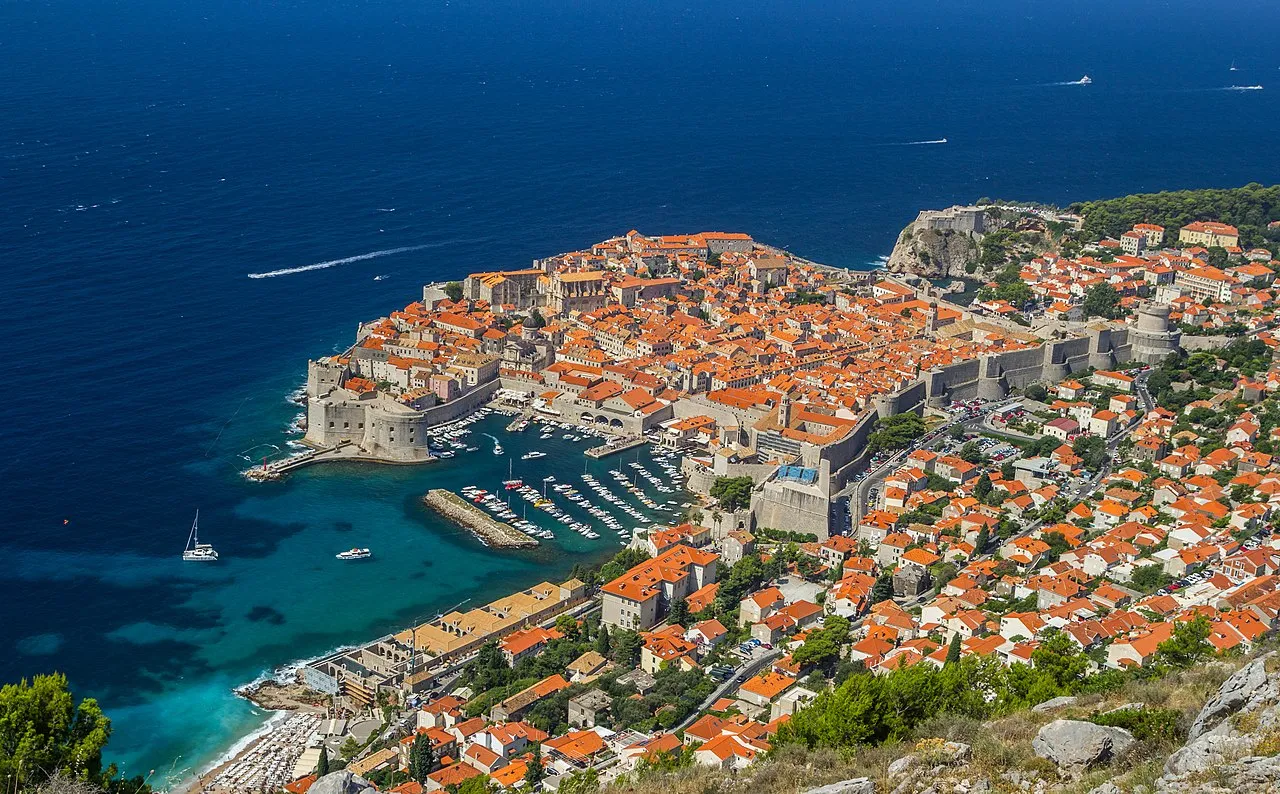
ZAGREB— Croatia has achieved a historic milestone as its passport enters the global top 10 for the first time. The latest 2026 Henley Passport Index places the country in 8th position, marking its strongest performance on record.
The ranking reflects growing international mobility for Croatian citizens and improved diplomatic reach. Zagreb, the country’s capital and primary aviation gateway through Zagreb Airport (ZAG), continues to play a central role in connecting Croatia to global travel networks.
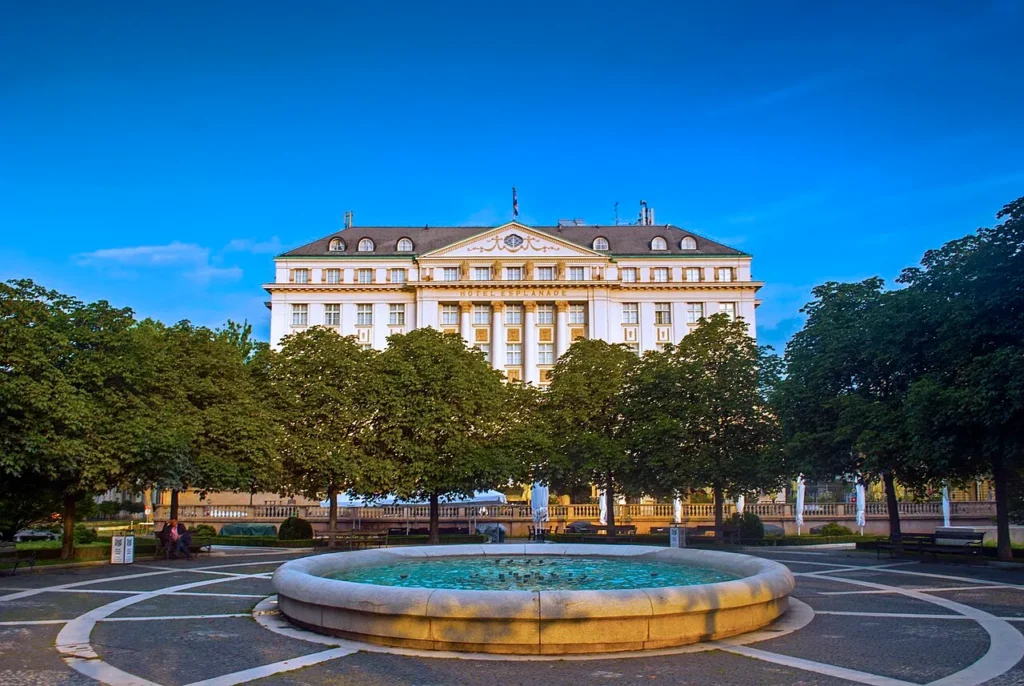
Croatia Lands in Henley’s Top 10
The Henley Passport Index positions Croatia in 8th place globally, sharing the rank with Estonia. This marks a significant rise compared to previous years when the country ranked lower outside the top 10.
The development reinforces Croatia’s integration into Europe’s aviation and mobility ecosystem.
The passport now grants access to 181 destinations without a prior visa, placing Croatia ahead of both the United Kingdom and the United States. The shift highlights a notable change in global travel power distribution in 2026.
The index evaluates passports based on visa-free or visa-on-arrival access. Croatia’s upward movement signals stronger international agreements and expanded travel privileges.
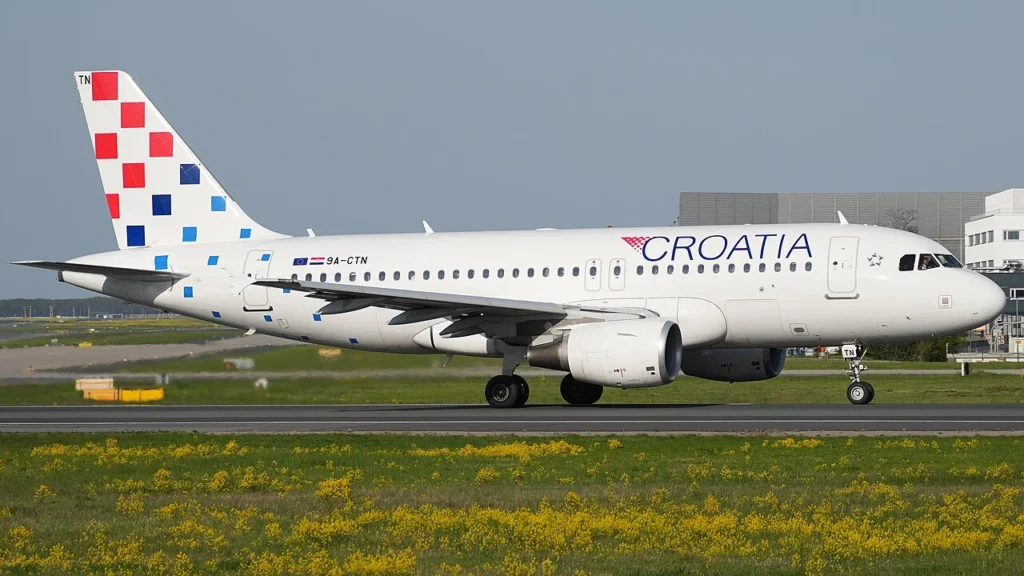
Visa-Free Access to Croatia
Croatian passport holders can now travel to 181 destinations without obtaining a visa in advance. This level of access places the country ahead of major global economies such as the United States and the United Kingdom.
The improvement reflects Croatia’s growing diplomatic engagement and long-term mobility strategy. It also strengthens the country’s appeal for tourism, business travel, and aviation connectivity.
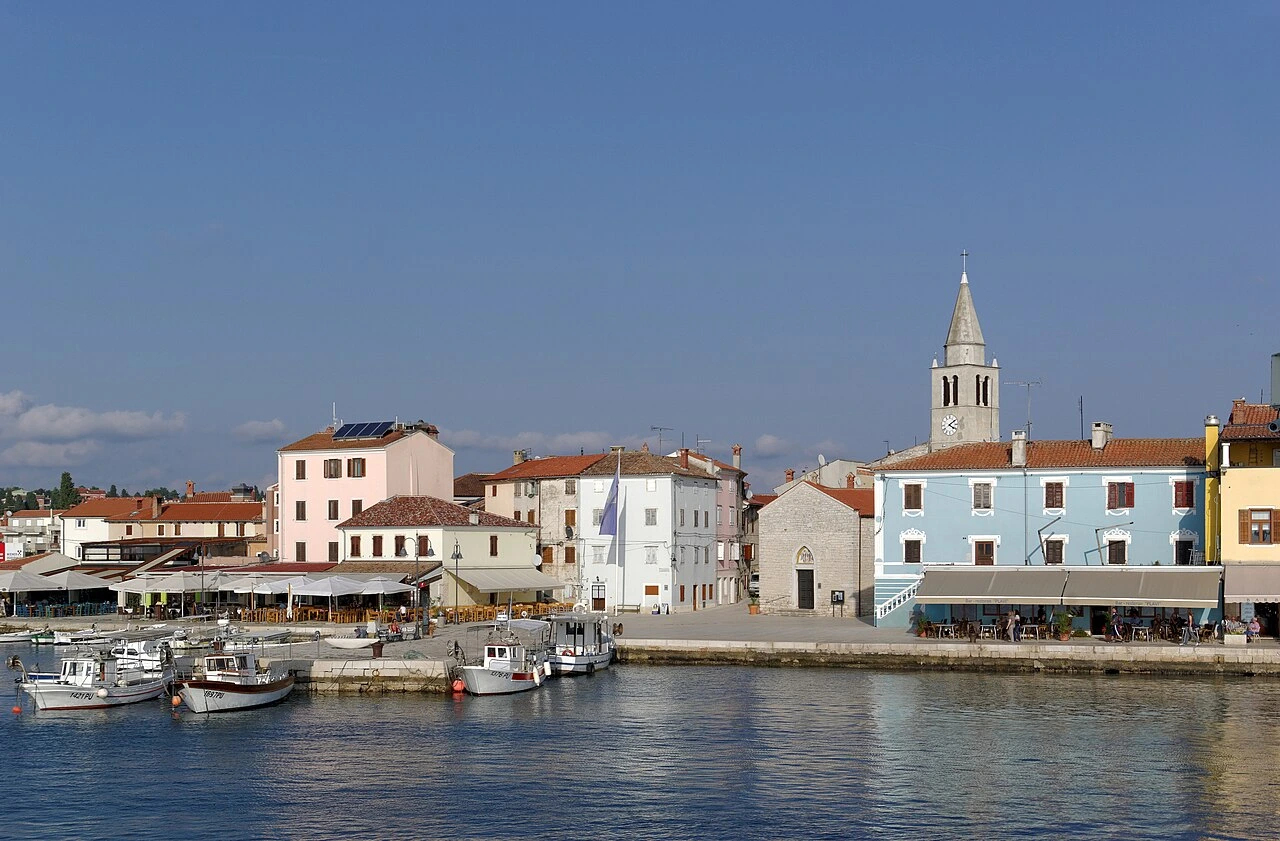
https://commons.wikimedia.org/wiki/File:Croatia_Fazana_BW_2014-10-11_16-16-00.jpg
Drivers of Croatia’s Rise
Croatia’s rapid climb in the 2026 Henley Passport Index stems largely from its deeper integration into European mobility frameworks.
Full participation in the Schengen Area has removed internal border restrictions, enabling stronger reciprocal visa arrangements with multiple partner countries.
The adoption of the euro has also improved economic stability and strengthened trust in Croatia’s financial and administrative systems.
This has encouraged additional visa-free agreements with regions across Asia, Latin America, and parts of the Middle East.
Improved diplomatic outreach has further supported the expansion of travel access. Croatia has actively negotiated bilateral agreements focused on short-term mobility, tourism recovery, and business travel facilitation, all contributing to its record ranking.
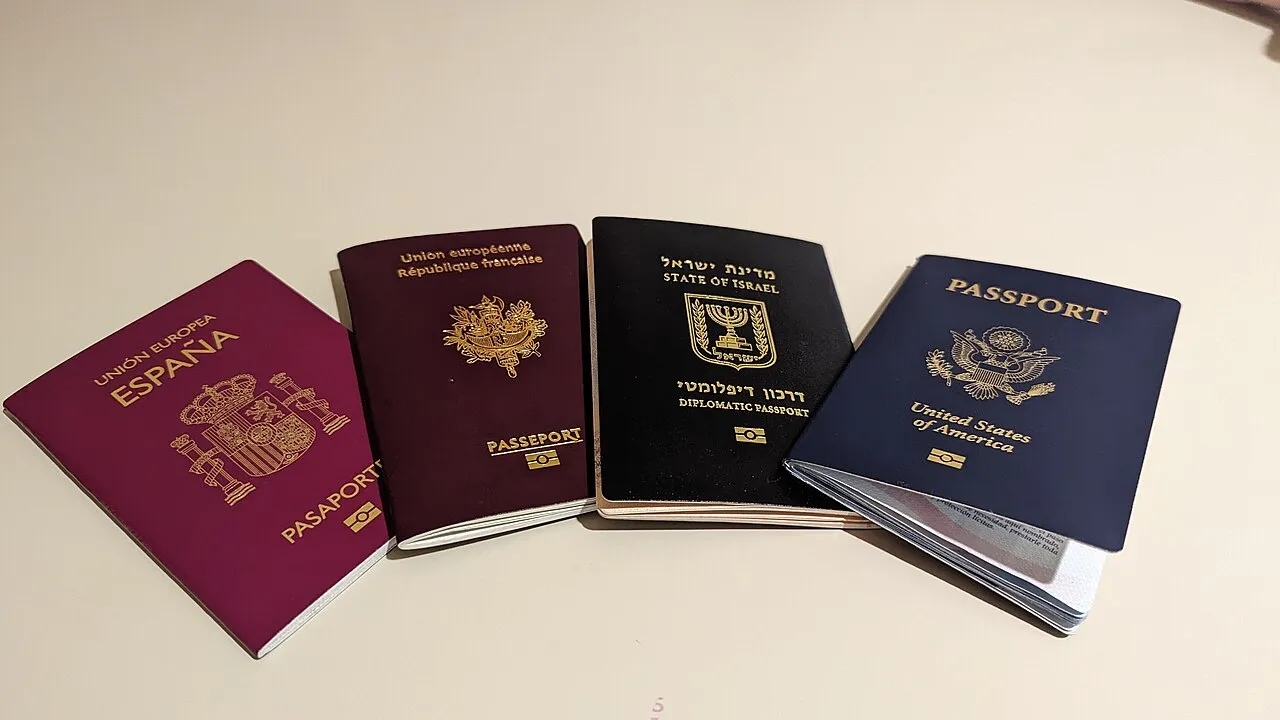
https://commons.wikimedia.org/wiki/File:Four_Different_Passports.jpg
2026 Henley Passport Index – Top 10
| Rank | Country / Countries | Visa-Free Destinations |
|---|---|---|
| 1 | Singapore | 192 |
| 2 | Japan, South Korea, United Arab Emirates | 187 |
| 3 | Sweden | 186 |
| 4 | Belgium, Denmark, Finland, France, Germany, Ireland, Italy, Luxembourg, Netherlands, Norway, Spain, Switzerland | 185 |
| 5 | Austria, Greece, Malta, Portugal | 184 |
| 6 | Hungary, Malaysia, Poland, United Kingdom | 183 |
| 7 | Australia, Canada, Czechia, Latvia, New Zealand, Slovakia, and Slovenia | 182 |
| 8 | Croatia, Estonia | 181 |
| 9 | Liechtenstein, Lithuania | 180 |
| 10 | Iceland, United States | 179 |
Data: Croatia Week
All in All
Croatia’s rise is closely linked to its full integration into the Schengen Area and eurozone membership. These developments have significantly enhanced freedom of movement across Europe.
Despite its progress, Croatia still trails higher-ranked European Union nations such as Italy and Germany. However, it maintains a strong position compared to non-EU neighbours in the Balkans.
Stay tuned with us. Further, follow us on social media for the latest updates.
Join us on Telegram Group for the Latest Aviation Updates. Subsequently, follow us on Google News
