

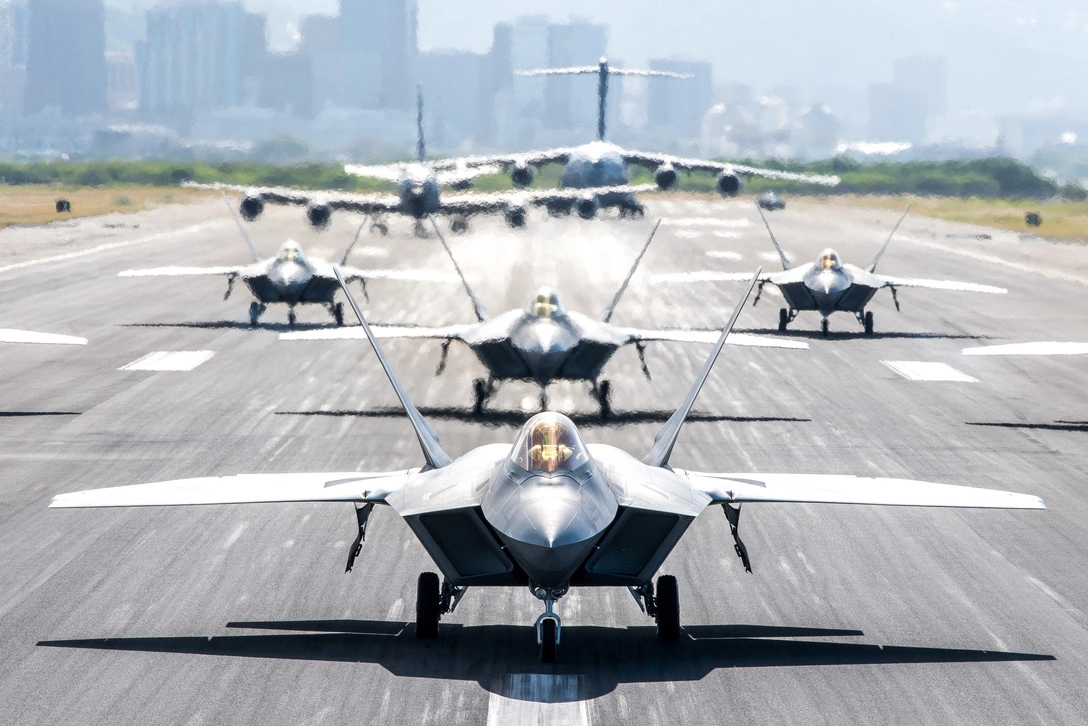
WASHINGTON— The United States Air Force (USAF) has awarded a $29.7 million contract to startup Beehive Industries to develop compact, disposable jet engines designed for drones and precision munitions.
The initiative supports broader U.S. efforts to expand scalable missile and drone production under new defense modernization programs.
Officials aim to improve affordability while increasing production speed across next-generation autonomous systems.
US Air Force Engine Contract
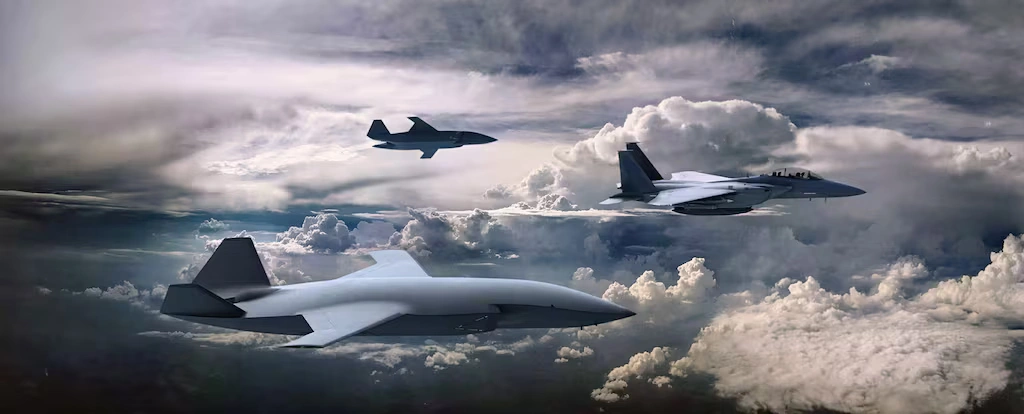
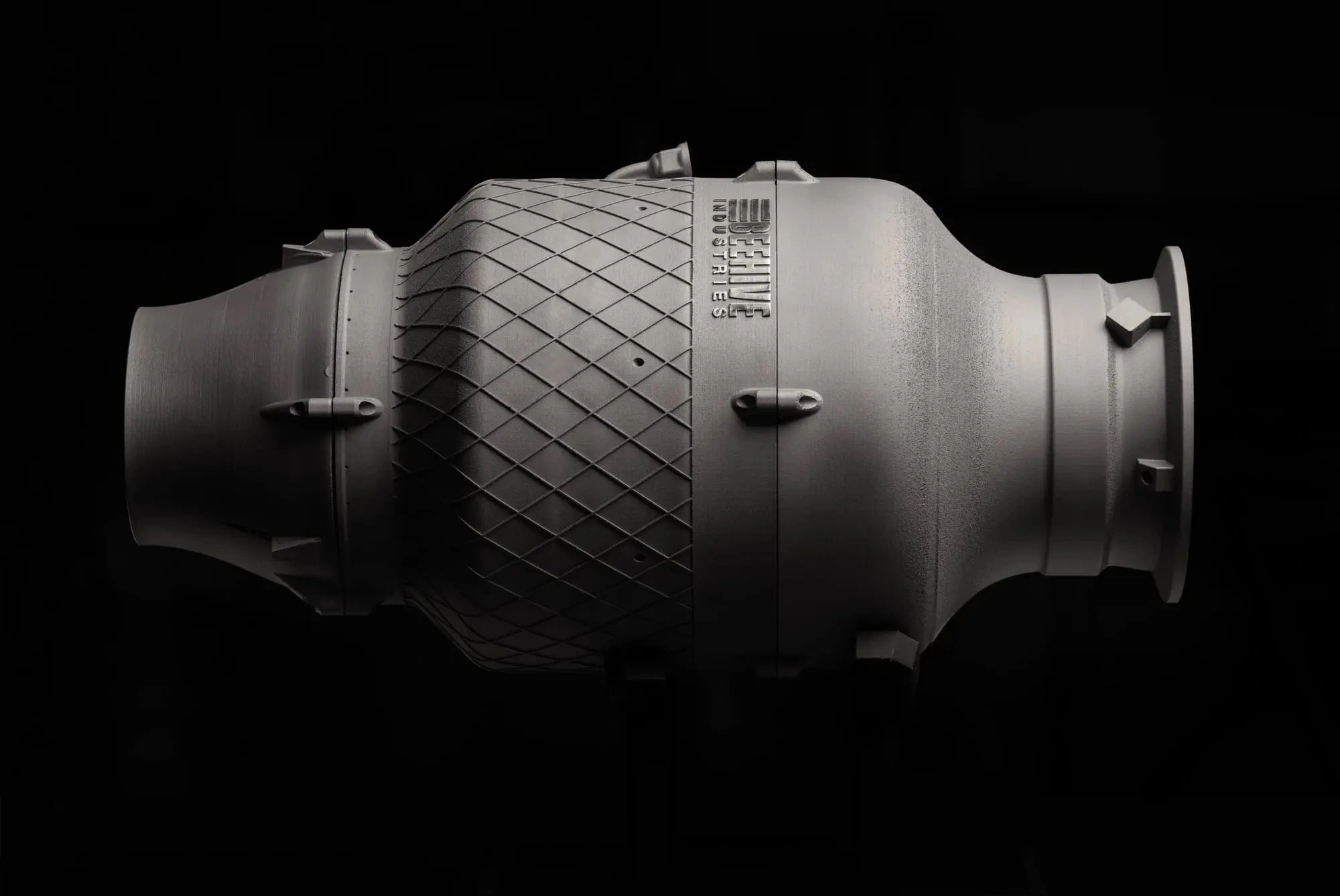
The Air Force awarded the contract to Beehive Industries to complete integration, flight testing, and qualification of its Frenzy 8 engine, a lightweight propulsion system designed for expendable use in military platforms. The company will also begin producing a test version of its smaller Frenzy 6 engine under the same agreement.
Beehive Industries is among several firms contributing to the U.S. Air Force’s push for affordable mass production of propulsion systems. These engines are intended for integration into drones, missiles, and other unmanned systems under evolving defense requirements.
The contract aligns with the Family of Affordable Mass Missiles (FAMM) program, which received $620 million in combined procurement and research funding in fiscal 2026. The program focuses on rapidly deployable, low-cost weapons systems.
Frenzy Engine Development
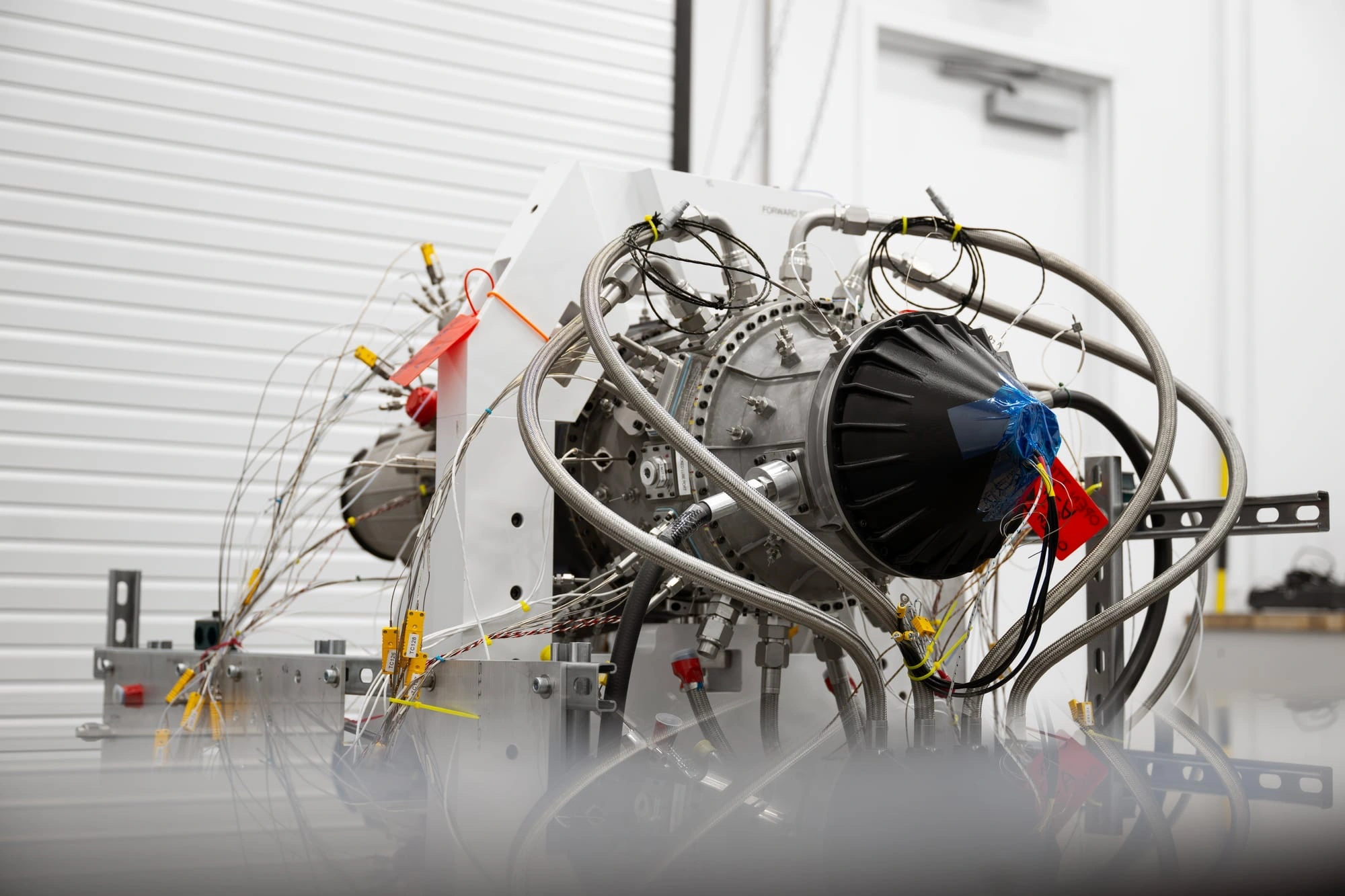
Beehive Industries is developing two key propulsion models under its Frenzy line. The Frenzy 8 engine delivers 100–300 pounds of thrust, while the smaller Frenzy 6 variant is designed to produce around 100 pounds of thrust.
The company reported that Frenzy 8 has already completed early-stage testing, including a First Engine Test and altitude evaluation. The first flight is expected in the near term, marking a critical milestone in the development cycle.
The new contract also supports vehicle integration work with multiple manufacturers. Beehive is preparing for expanded flight testing as part of its qualification process for operational deployment.
Defense Production Expansion
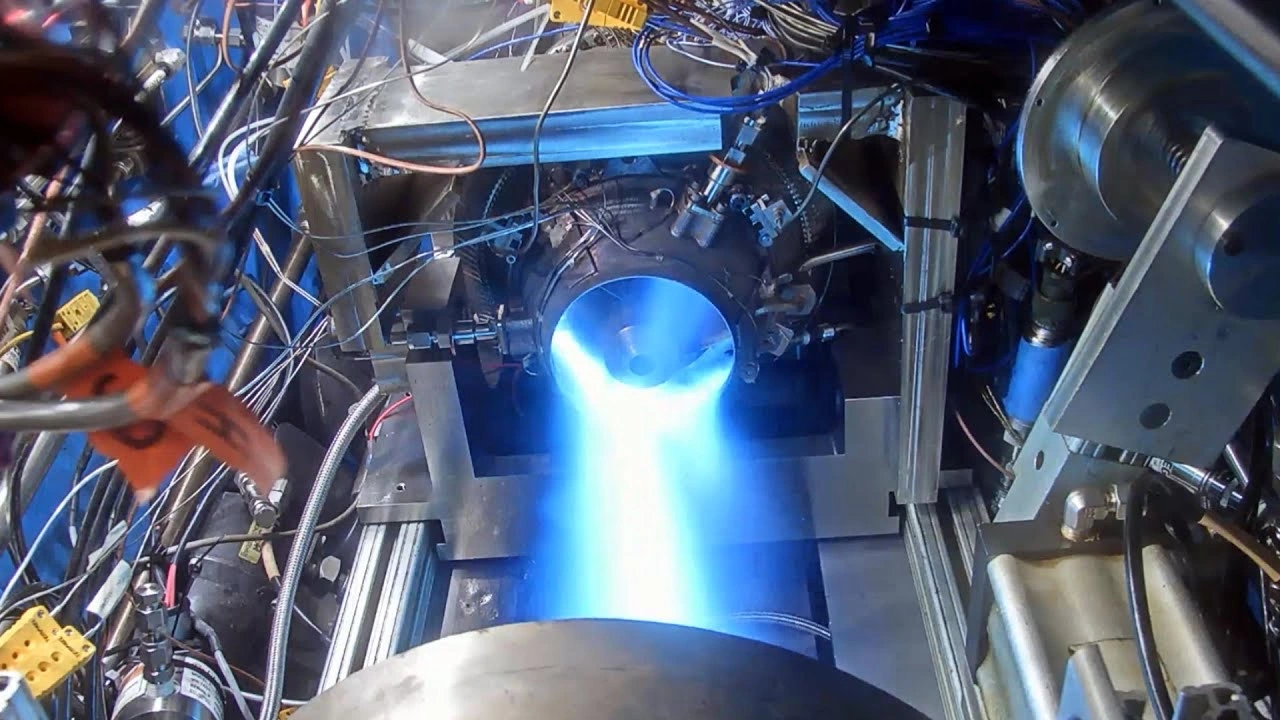
The U.S. Department of Defense is accelerating investment in low-cost propulsion systems as part of broader modernization efforts. The FAMM program also includes the development of sensors, autonomous systems, and networked communication technologies for future combat platforms.
Beehive Industries projects rapid scaling capability through additive manufacturing techniques, including 3D printing. The company expects production capacity to reach 3,000 to 5,000 engines annually by 2027, with potential for further expansion.
The Frenzy 6 program, launched on April 9, is expected to reach production readiness by 2027. Officials expect it to move through early testing within a short development cycle, reflecting the urgency of deployment timelines.
Separately, defense agencies, including DARPA, have increased industry engagement on propulsion innovation. The Air Force has also awarded multiple companies contracts to explore engine designs for Collaborative Combat Aircraft programs.
Manufacturing and Future Outlook
Beehive Industries, founded in 2020, is positioning itself as a key supplier in the growing market for small, expendable jet engines. The company emphasizes rapid production methods to meet increasing defense demand.
Executives state that additive manufacturing allows faster scaling and lower production costs compared to traditional methods. This approach supports the Air Force’s goal of deploying large volumes of low-cost aerial systems.
The broader defense strategy signals a long-term shift toward distributed, mass-produced airpower systems. These developments aim to enhance operational flexibility while maintaining cost efficiency in future military operations.
Stay tuned with us. Further, follow us on social media for the latest updates.
Join us on Telegram Group for the Latest Aviation Updates. Subsequently, follow us on Google News
