

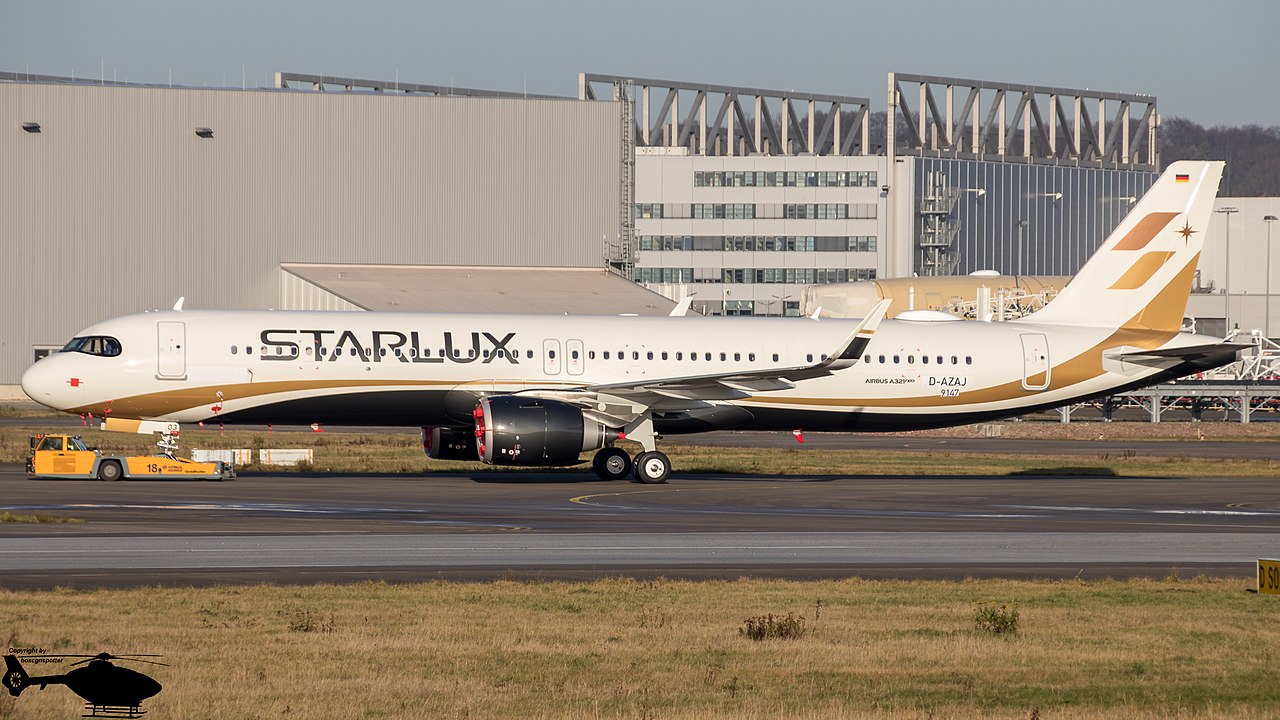
TAIPEI— Starlux Airlines (JX) has announced the launch of direct flights between Taipei Taoyuan International Airport (TPE) and Ngurah Rai International Airport in Denpasar, Bali (DPS), starting October 1, 2026, with tickets already on sale.
The new route marks a significant step in the airline’s regional expansion strategy.

Starlux Airlines Bali Flights
The carrier will operate five weekly flights on the TPE-DPS route using its Airbus A321neo aircraft, with JX765 departing Taipei at 10:10 and arriving Denpasar at 15:40, and the return flight JX766 departing Denpasar at 17:20 and arriving Taipei at 22:50. This addition strengthens Starlux’s position as a competitive player across Southeast Asia.
The flights will be operated using the Airbus A321neo, a next-generation aircraft known for fuel efficiency, reduced emissions, and enhanced passenger comfort.
The choice of aircraft reflects Starlux’s broader fleet strategy, which pairs narrow-body efficiency with modern cabin standards on regional routes.
Starlux CEO Glenn Chai said Bali has long been a popular destination among global travelers and is a well-established tourism market in both Taiwan and Western countries.
His remarks point to the dual audience the airline intends to serve — local Taiwanese leisure travelers as well as Western transit passengers routing through Taipei.
Operating five flights weekly, the Taipei-Denpasar service will accommodate both leisure travelers and connecting passengers originating from North American and European gateways. This frequency gives the airline enough capacity to test market demand while keeping operations sustainable.
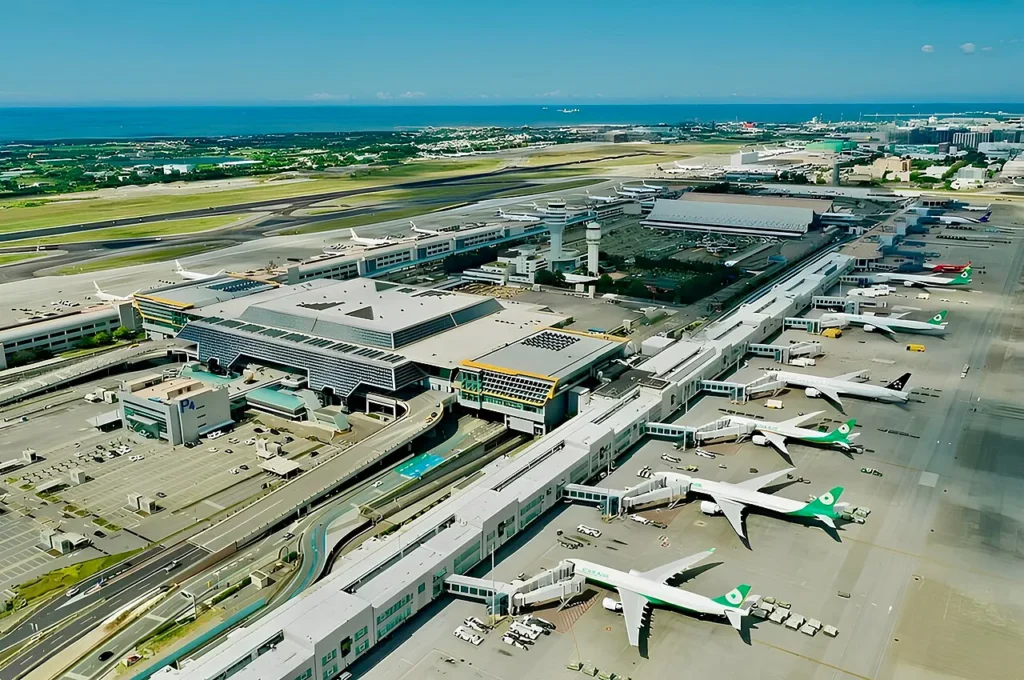
Taipei as a Transit Hub for Western Travelers
A key part of Starlux’s commercial logic for the Bali route is transit traffic. With the airline’s expansion of long-haul routes to North America and Europe, Starlux expects to reach more Western travelers transiting through Taiwan (TPE) to Bali, further boosting transfer traffic between Europe, the US, and Southeast Asia.
Rather than concentrating Asia-bound traffic through traditional Middle Eastern and Southeast Asian hubs, the route leverages Taipei’s geographic positioning and modern infrastructure to capture premium leisure and business segments seeking Asian exploration. This hub strategy differentiates Starlux from legacy network carriers and aligns with the airline’s broader ambition.

Southeast Asia Network Crosses 13 Destinations
Following the launch of the Taipei-Bali route, Starlux said it will serve more than 13 destinations in Southeast Asia. This positions the airline as one of the more active Taiwanese carriers expanding into the region.
Starlux’s aggressive Southeast Asia expansion reflects a calculated competitive strategy, with a modern fleet and internationally benchmarked service standards now challenging established market positions.
The airline’s emphasis on point-to-point efficiency appeals directly to independent and small-group travelers who prefer seamless direct access over hub-forced connections.
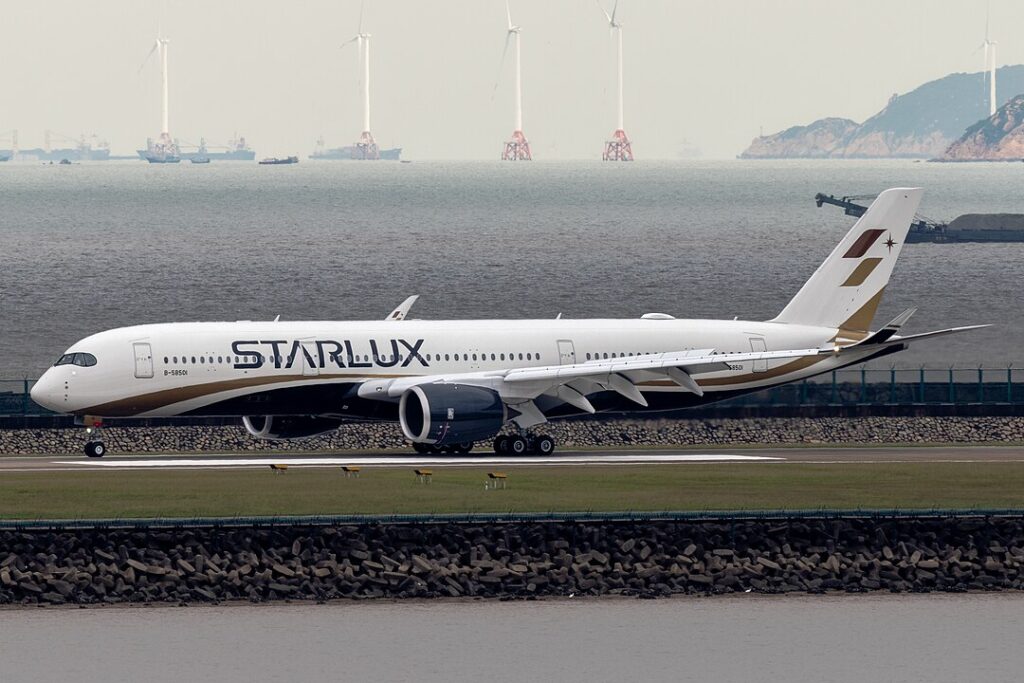
Busan and Prague Routes Also on the Horizon
The Bali launch is not Starlux’s only expansion milestone in 2026. The route coincides with new service launches to Busan (June 2026) and Prague (August 2026), marking the airline’s European market entry.
The Prague route, in particular, will be Starlux’s first foray into Europe, a milestone that underscores just how rapidly the Taiwan-based carrier is scaling its international network. Together, these three new routes signal that Starlux is entering a new phase of growth well beyond its original regional focus.
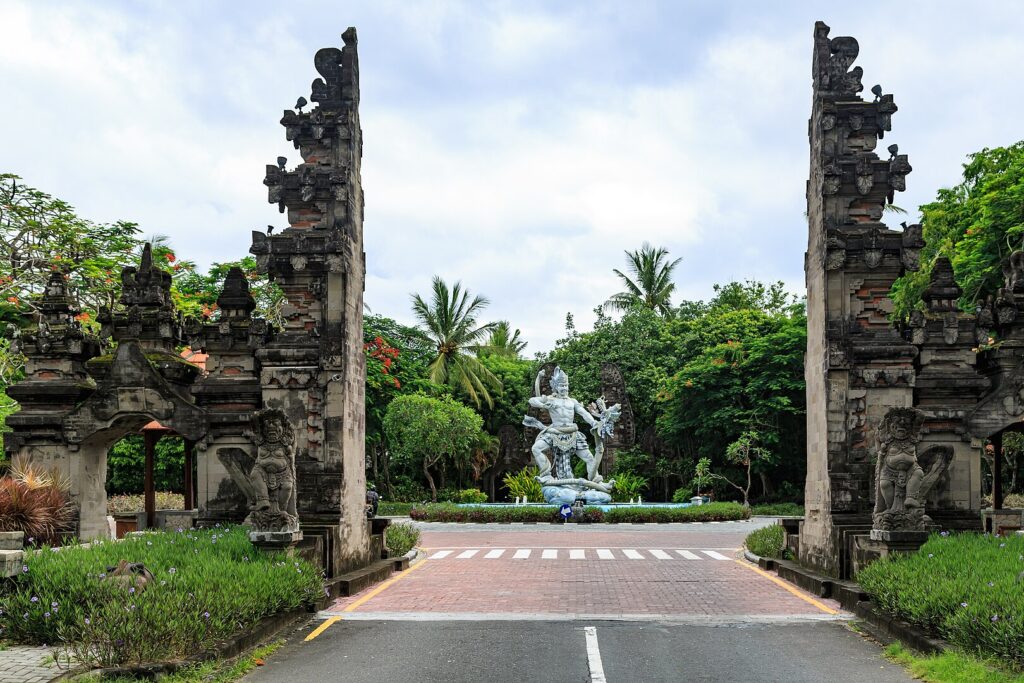
Bali Travel Guide
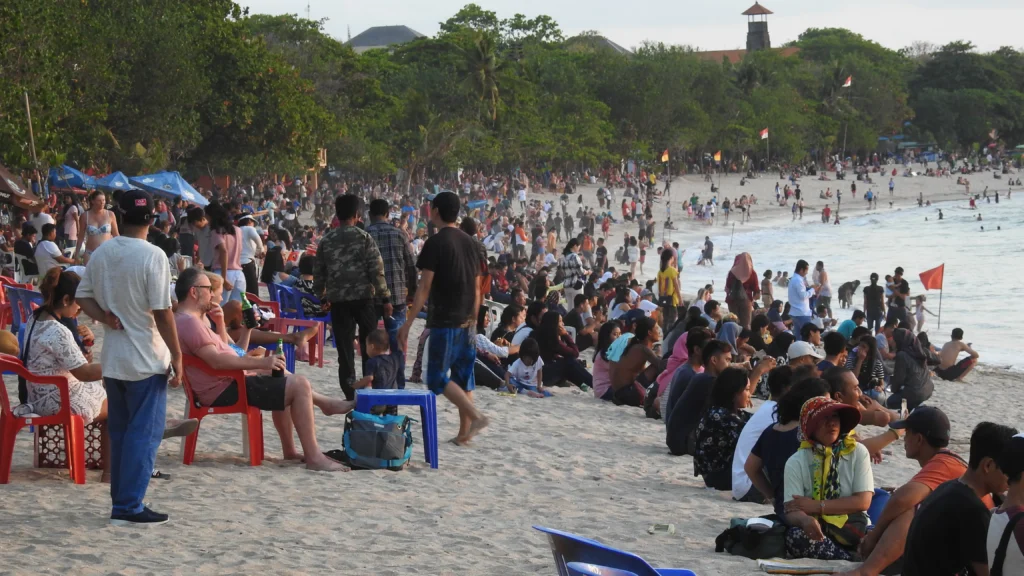
Bali, Indonesia’s most visited island, draws millions of travelers each year with its unique blend of Hindu culture, lush landscapes, and vibrant beach life. Ngurah Rai International Airport (DPS) serves as the main gateway to the island, connecting visitors from across the globe.
From the spiritual town of Ubud to the trendy shores of Seminyak and Canggu, Bali offers diverse experiences for every type of traveler. Understanding local customs, transportation, and entry requirements makes the trip significantly smoother.
Bali Travel Essentials: Areas, Entry, Food, and Activities
Best Areas to Stay in Bali
Seminyak is the top choice for first-time visitors, offering a high concentration of restaurants, beach clubs, and nightlife, with locals who speak fluent English. Canggu, located 30 minutes north, carries a more bohemian, surfer-town atmosphere and is currently the trendiest area on the island. Ubud, set in Bali’s mountainous interior, is the cultural and artistic heart of the island, ideal for travelers seeking a quieter pace and nature-based activities.
Other notable areas include Jimbaran and Nusa Dua, which house high-end resorts, and Uluwatu in the far south, known for world-class surf breaks and exclusive villas. Kuta and Legian, while historically significant to Bali’s tourism boom in the 1980s, are now considered overly commercialized by most seasoned visitors.
Entering Bali: Visas and Immigration
Visitors arriving at Ngurah Rai International Airport (DPS) must meet Indonesia’s entry requirements, which vary by passport country. Travelers from ASEAN nations are visa-exempt, while most other nationalities require a Visa on Arrival (VOA), which costs Rp 500,000 per person and can be paid in cash.
An electronic Visa on Arrival (e-VOA) can be applied for online before departure, which also grants access to the immigration autogate at DPS, reducing queue times significantly. All international arrivals must complete an arrival card and customs declaration online, available up to two days before landing. A Bali tourism tax of Rp 150,000 per person applies upon entry, payable in cash on arrival.
Getting Around Bali
Hiring a private car with driver, typically a minivan accommodating up to five passengers, costs around USD 33 per day and is the most convenient option for group travel and temple-hopping itineraries. Renting a motorbike at Rp 70,000 per day is how locals and long-term expats navigate the island’s narrow roads most efficiently.
Ride-sharing apps such as Gojek and Grab operate in Bali but face restrictions in certain tourist areas controlled by local taxi groups. Booking a motorbike ride through Gojek remains the most reliable app-based option. Blue Bird Taxi, Indonesia’s most trusted cab operator, is available via their dedicated app for meter-based fares.
Key Cultural Observances and Public Holidays
Nyepi, the Balinese Day of Silence, is the most important holiday for visitors to note. For a full 24 hours, everyone on the island, including tourists, must remain indoors. Lights and noise must be kept to a minimum, and hotel facilities are restricted to resort grounds only.
Galungan celebrates the victory of good over evil and occurs every 210 days on the Balinese Pakuwon calendar. During this period, bamboo poles called Penjor are installed along roadsides across the island, making it a visually striking time to visit. The celebration concludes ten days later with Kuningan.
What to Eat in Bali
Babi Guling, a spit-roasted pig served with rice and side dishes, is Bali’s most iconic dish and a direct reflection of the island’s Hindu majority in a predominantly Muslim country. Nasi Campur, meaning mixed rice, is a widely available everyday meal consisting of rice with assorted meat and vegetable sides.
Other must-try dishes include Bakso (meatball noodle soup), Nasi or Mie Goreng (fried rice or noodles), and Sate (grilled meat skewers with peanut sauce). For drinks, Avocado Juice made with condensed milk and chocolate sauce is a local favorite, while Jamu, a traditional turmeric-tamarind herbal drink, is widely consumed for its believed health benefits.
Top Activities and Day Trips in Bali
Nusa Penida, a largely undeveloped island southeast of mainland Bali, is home to some of the most photographed landscapes in the region, including Kelingking Beach. Mount Batur trekking offers a high-reward, beginner-friendly sunrise hike with views of the still-active Mount Agung.
Scuba diving at Nusa Penida’s Crystal Bay and Manta Point ranks among Southeast Asia’s best dive experiences, with trips typically costing USD 60 to 85 per person, including equipment and transport.
The Kecak Fire Dance, performed at clifftop temples in Uluwatu and Ubud, is a dramatic cultural performance depicting the Hindu Ramayana story. Bali’s waterfall circuit, rice terraces at Tegallalang and Jatiluwih, and canyoning tours in North Bali round out the island’s adventure offerings.
General Safety and Travel Tips
Legitimate money changers in Bali are found inside banks, proper shop-front establishments, and convenience stores. Street-side money changers frequently use sleight-of-hand tactics to shortchange tourists and should be avoided entirely.
Mosquito repellent, ideally the local Autan brand, is essential for evening outings. Bali banned single-use plastic bags in December 2018, so carrying a reusable tote bag is both practical and required. Tipping is not mandatory but is considered courteous for service-based interactions such as massages and villa caretaking.
Stay tuned with us. Further, follow us on social media for the latest updates.
Join us on Telegram Group for the Latest Aviation Updates. Subsequently, follow us on Google News
