


Korean Air (KE) is the flag carrier of South Korea and one of the largest airlines in Asia, headquartered in Seoul and operating a vast global network across North America, Europe, Asia, and Oceania. The airline is known for its disciplined operational culture, strong emphasis on safety, and structured hierarchy within flight operations.
With a modern fleet consisting of both narrow-body and wide-body aircraft, Korean Air pilots operate a mix of regional and long-haul routes.
The airline places a strong focus on training standards and long-term career stability, making it an attractive employer for pilots seeking structured progression rather than rapid pay jumps.
In 2026, Korean Air pilot salaries will remain competitive within Asia. While they are not tax-free like Middle Eastern carriers, the airline offers stable income, predictable increments, and additional allowances tied to international flying and duty hours.
Korean Air Pilot Salary
Korean Air First Officer Salary
In 2026, first officers at Korean Air typically earn a base annual salary between KRW 82,000,000 and KRW 97,000,000 per year, depending on experience and fleet assignment. These figures represent fixed pay for pilots operating under standard schedules and reflect the airline’s structured salary progression system.
When additional earnings such as flight pay, long-haul allowances, and duty-related incentives are included, total annual income usually rises to between KRW 100,000,000 and KRW 125,000,000 per year, which is approximately USD 73,000 to USD 91,500 per year.
First officers flying long-haul routes or assigned to wide-body aircraft such as the Boeing 777 or Airbus A350 generally earn toward the higher end of this range. As experience increases, salaries grow steadily, making Korean Air a strong option for pilots prioritising long-term income stability over short-term gains.
Korean Air Captain Salary
Captains at Korean Air earn significantly higher salaries due to their command responsibilities and extensive flying experience. In 2026, base annual salaries for captains typically range from KRW 162,000,000 to KRW 192,000,000 per year, depending on seniority and aircraft type.
Including international allowances, flight pay, and additional operational earnings, total annual compensation usually reaches between KRW 210,000,000 and KRW 240,000,000 per year, which is approximately USD 154,000 to USD 176,000 per year.
Senior captains operating long-haul wide-body aircraft or holding additional roles such as training captain or examiner may earn above this range depending on flying hours and duty patterns. The airline’s seniority-based system ensures predictable salary growth over time, particularly for pilots staying long-term.
ALSO READ: AirAsia Pilot Salary in 2026

Benefits Enjoyed by Korean Air Pilots
Korean Air’s pilots are entitled to the following benefits over and above their salaries.
- Travel Privileges – Pilots and their eligible family members receive discounted or standby travel across Korean Air’s global network and partner airlines.
- Overnight and Layover Allowances – Pilots are provided allowances for international layovers, covering accommodation, meals, and incidental expenses.
- Housing Support – Depending on contract terms, pilots may receive housing assistance or allowances, particularly for expatriate crew.
- Medical and Insurance Coverage – Comprehensive health and insurance coverage is provided, supporting both pilots and their dependents.
- Retirement And Long-Term Benefits – Structured retirement benefits and long-term employment stability are key features of the airline’s compensation system.
- Training and Career Development – Korean Air invests heavily in simulator training and recurrent checks, maintaining high operational standards.
- Career Stability – The airline is known for low pilot turnover and long-term career progression opportunities.
What Aircraft Do Korean Air Pilots Fly?
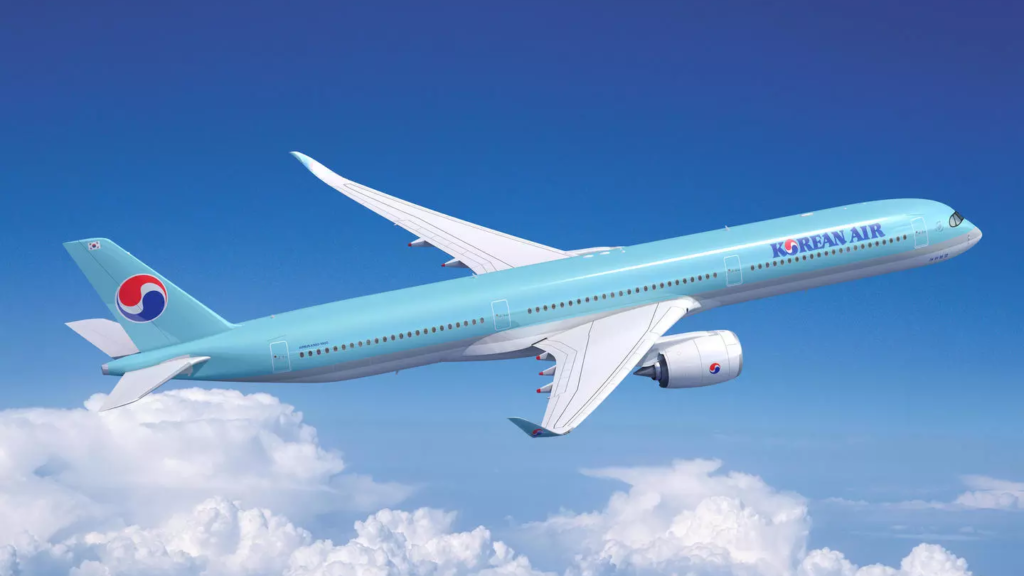
Korean Air operates a diverse and modern fleet covering both short-haul and long-haul operations, with the present aircraft as of present, including the following.
- Airbus A220-300 – 10
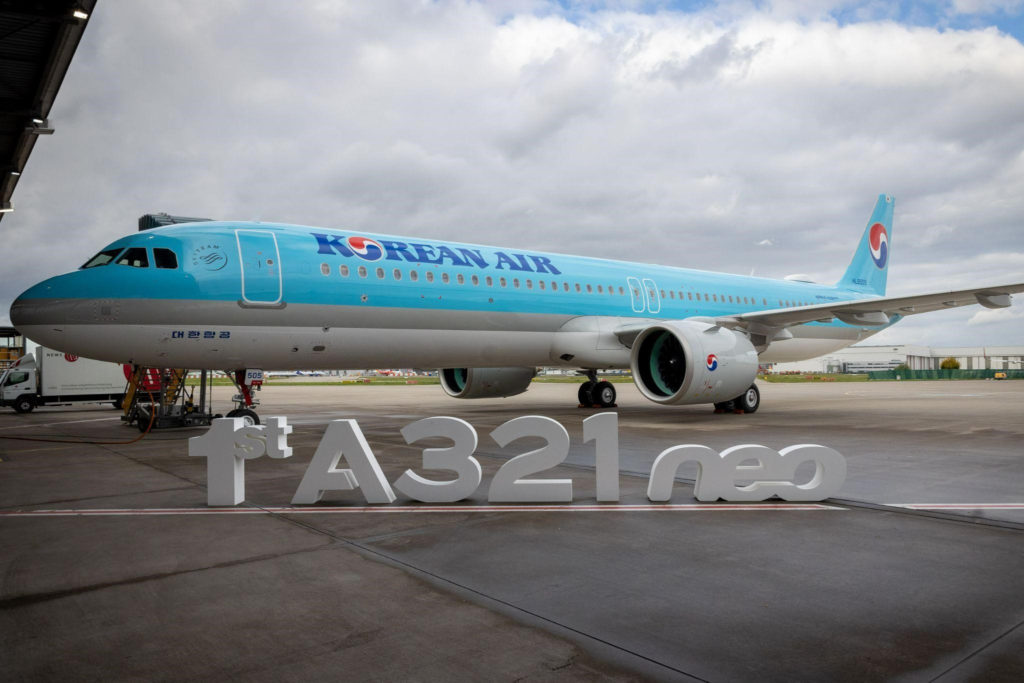
- Airbus A321neo – 19
- Airbus A330-300 – 17
- Airbus A350-900 – 3
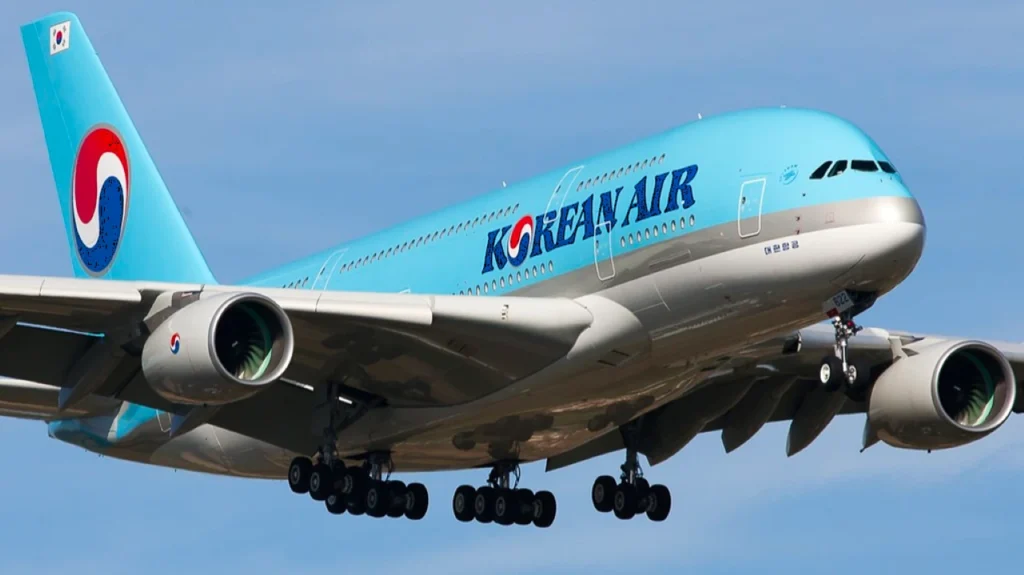
- Airbus A380-800 – 6
- Boeing 737-800 – 2
- Boeing 737-900 – 9
- Boeing 737-900ER – 6
- Boeing 737 MAX 8 – 7
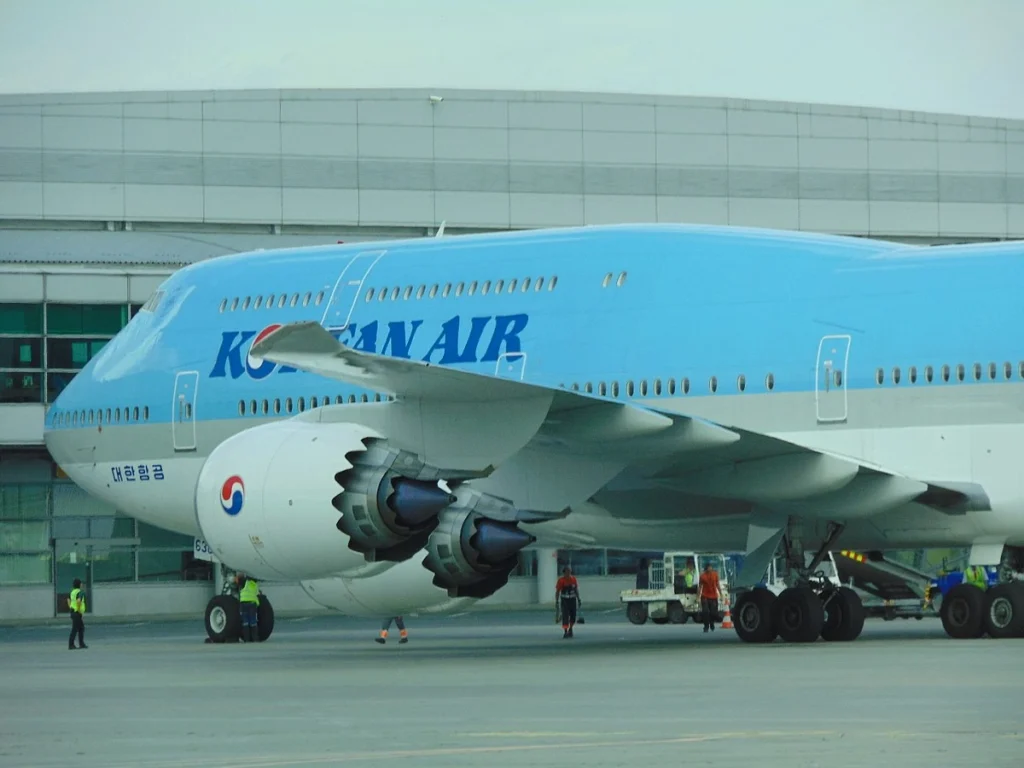
- Boeing 747-8i – 5
- Boeing 777-300 – 4
- Boeing 777-300ER – 25
- Boeing 787-9 – 14
- Boeing 787-10 – 12
Korean Air also has the following planes on order.
- Airbus A321neo – 37
- Airbus A350-900 – 3
- Airbus A350-1000 – 20
- Boeing 737 MAX 8 – 11
- Boeing 737 MAX 10 – 62
- Boeing 777-9 – 40
- Boeing 787-9 – 6
- Boeing 787-10 – 53
Requirements to Become a Korean Air Pilot
Korean Air first officers need to fulfil the following requirements.
- 500+ hours on the concerned aircraft
- 1,000+ total multi-crew Jet hours
- Flown on concerned within the last 12 months OR 24 months if currently flying on any other Multi-Crew Jet Aircraft
- Under 45 years of age
- Hold an ATPL and have completed Secondary School, OR Hold a CPL and hold a College or University Degree/Diploma
Korean Air captains are required to fulfil the following criteria.
- 1000+ PIC hours on the concerned aircraft
- 2500+ total PIC airline Jet transport hours
- 5000+ total Airline JET Transport hours
- 7000+ total flight time
- ICAO English Language Proficiency: Level 5 or above.
- Less than 60 years of age at the date of joining
- Flight on type within the last 12 months (24 months if current on any other jet transport)
ALSO READ: Japan Airlines Pilot Salary in 2026
Hiring Process for Korean Air Pilots
Korean Air follows a six-step hiring process for pilots, in the order below.
- Application – Candidates submit an online application with licences, logbooks, and medical certification.
- Screening – Applications are reviewed to ensure compliance with flight hour and licensing requirements.
- Technical Assessment – Shortlisted candidates complete aviation knowledge and aptitude tests.
- Simulator Evaluation – Candidates undergo simulator assessments focusing on flying skills and multi-crew coordination.
- Interview Stage – Interviews are conducted with senior pilots and HR representatives to assess technical competency and cultural fit.
- Medical and Background Checks – Final candidates must pass medical examinations and background verification before receiving an offer.
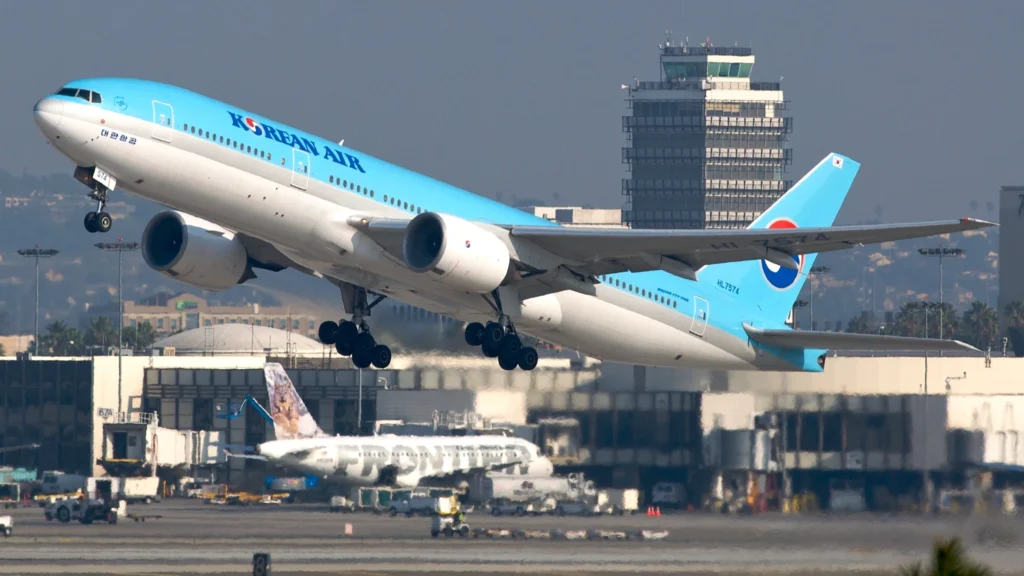
Bottom Line
In 2026, Korean Air offers a stable and structured pilot salary system that rewards experience and long-term commitment. First officers earn up to KRW 125 million per year, while captains can earn up to KRW 240 million annually, depending on seniority and flying patterns.
While salaries may not match those of tax-free Gulf carriers, Korean Air provides strong job security, predictable progression, and a respected global reputation, making it a solid choice for pilots seeking long-term career stability.
Korean Air Pilot Salary FAQs
Korean Air pilots typically earn between KRW 100,000,000 and KRW 240,000,000 per year, depending on rank and experience.
Most pilots are based in Seoul, South Korea, operating from Incheon International or Gimpo Airport.
Pilots operate a mix of Airbus A220, A321neo, A350, A380, and Boeing 737, 747, 777, and 787 aircraft across regional and long-haul routes.
Stay tuned with us. Further, follow us on social media for the latest updates.
Join us on Telegram Group for the Latest Aviation Updates. Subsequently, follow us on Google News
