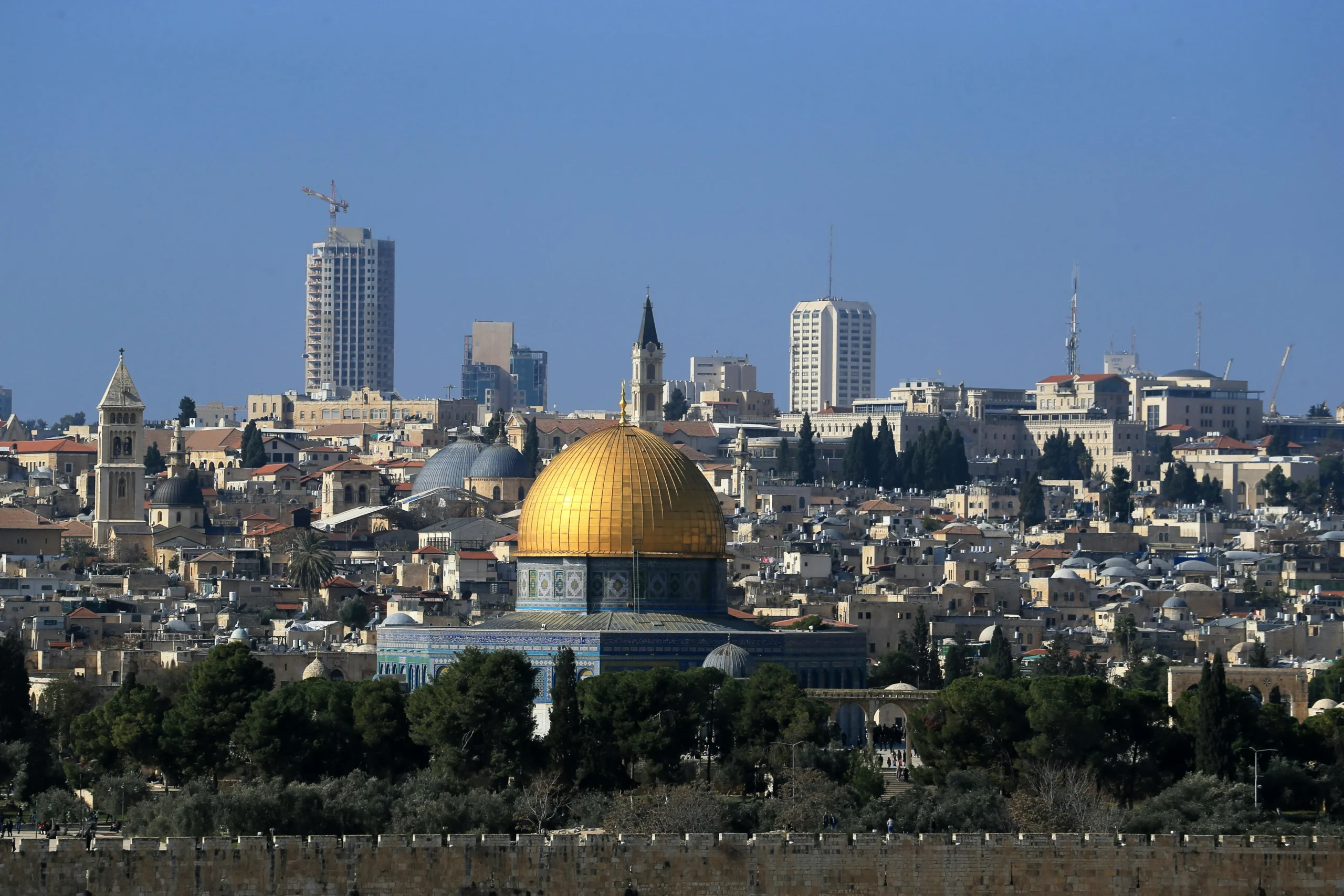
Air power has long been a defining marker of military strength. From the early days of dogfights over Europe to modern precision strikes halfway around the globe, the ability to dominate the skies remains a central measure of national security and strategic influence.
In 2026, the global landscape of air forces continues to evolve, reflecting shifting priorities, technological advancements, and the rising significance of Asia in global military affairs.
Using the latest figures from Global Firepower as of March 2026, we can rank the world’s air forces by total aircraft.
But beyond simple numbers, this data reveals deeper insights into the distribution of fighters, interceptors, and support aircraft, offering a window into how nations prepare to project power.
The United States is the Clear Winner
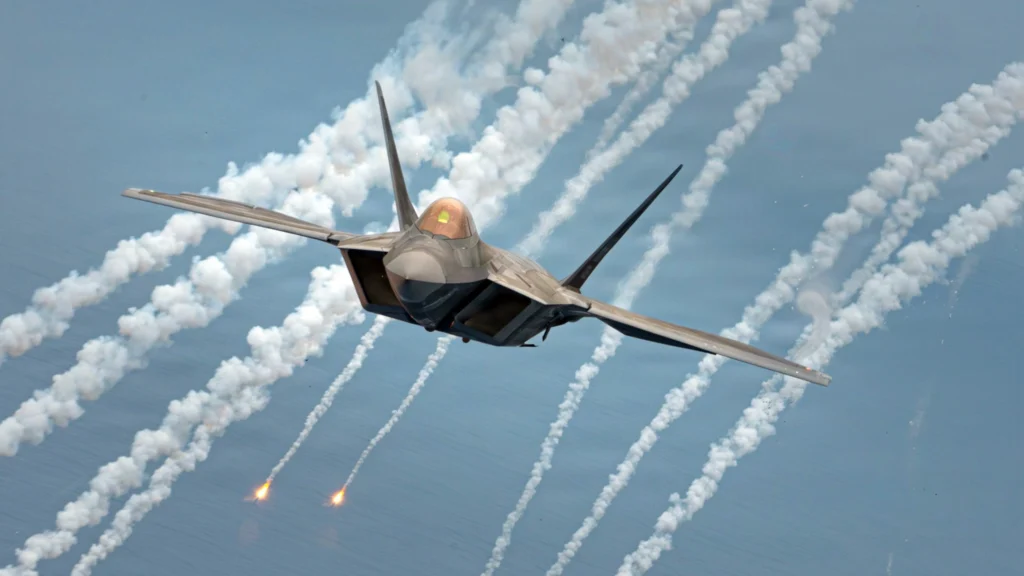
When it comes to air power, the United States is in a class of its own. In 2026, the U.S. Air Force, Navy, and Marine Corps collectively operate a staggering 13,032 aircraft—more than the combined totals of the next three largest air forces in the world.
To put this into perspective: Russia, which ranks second, fields 4,237 aircraft, and China, a close third, operates 3,529.
The U.S. doesn’t just lead; it dominates, with a fleet that spans nearly every conceivable type of aircraft, from cutting-edge stealth fighters and long-range bombers to surveillance drones and air refueling tankers.
Among this massive inventory are 1,791 fighters and interceptors, a number greater than the total air fleets of many countries on the list.
This concentration of combat-capable aircraft is a testament to decades of strategic investment, technological innovation, and the prioritization of global reach.
The United States’ approach to air power is multidimensional. While the sheer number of aircraft is impressive, the true strength lies in the integration of support aircraft—cargo planes, electronic warfare platforms, reconnaissance aircraft, and helicopters.
These systems enable rapid deployment, continuous global surveillance, and flexible responses to any crisis, ensuring that America’s air dominance is not just theoretical but operationally effective.
Beyond sheer numbers, the U.S. also focuses on technological superiority, investing in stealth aircraft, drones, and advanced radar systems.
Its global network of bases ensures rapid deployment across continents, while integrated command-and-control systems allow seamless coordination between air, land, and naval forces, making its air power both vast and highly adaptable.
Russia and China Are Competing Giants
While the U.S. clearly leads, other countries maintain substantial air power in their own right.
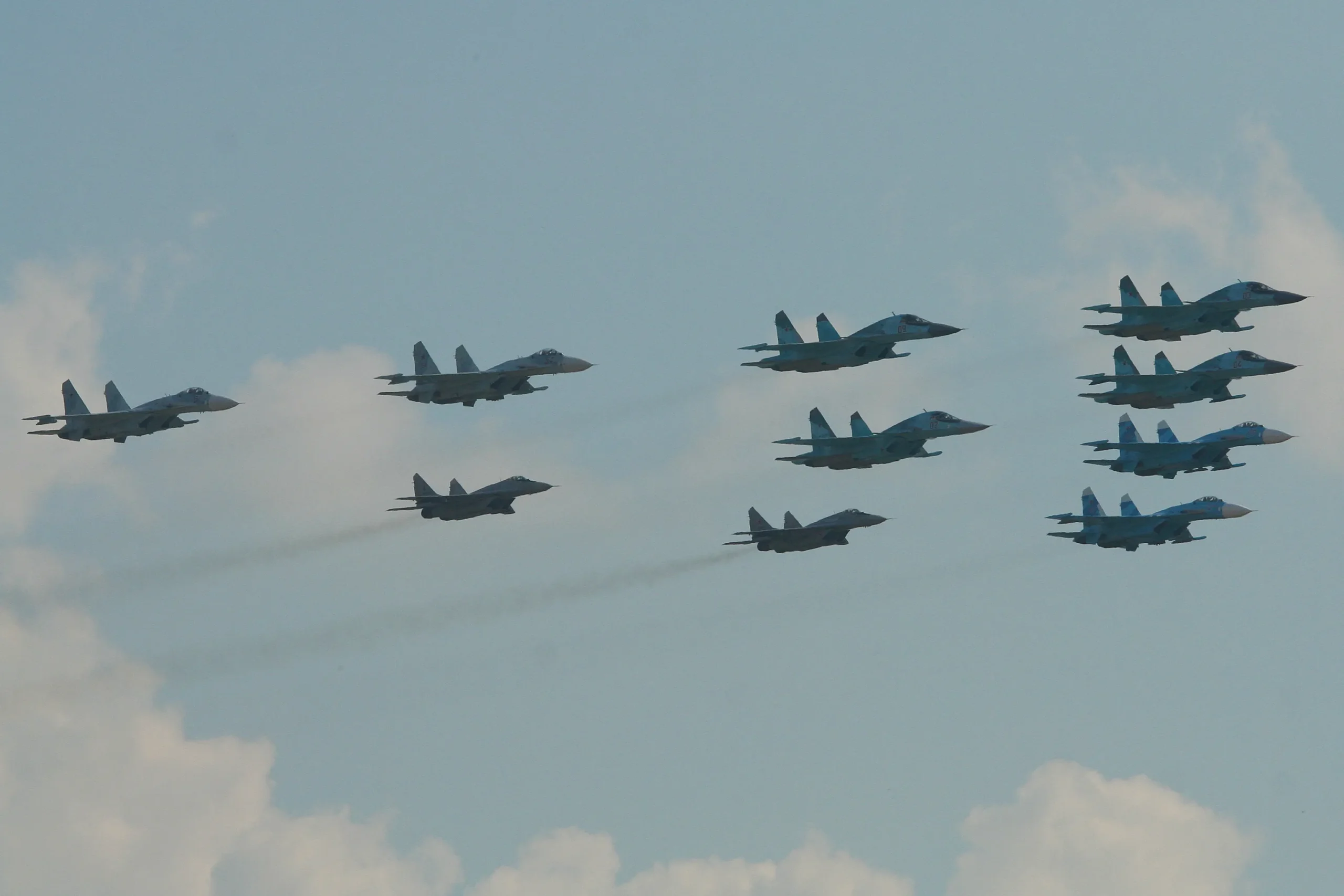
Russia, with 4,237 aircraft, continues to emphasize strategic bombers and multi-role fighters capable of operating in diverse environments.
Its fighter and interceptor fleet of 861 is smaller than China’s, yet Russia’s aircraft are often designed for longevity and resilience in harsh conditions, reflecting the country’s traditional focus on defense and strategic deterrence.
China, meanwhile, has emerged as a formidable air power with 3,529 total aircraft. What’s notable is China’s 1,443 fighters and interceptors, which makes it a serious player in frontline combat aviation despite ranking third in overall aircraft.
The People’s Liberation Army Air Force (PLAAF) has invested heavily in modernizing its fleet, emphasizing stealth, advanced avionics, and multi-role capability to compete with Western air forces.
China’s rapid expansion, coupled with regional ambitions, has shifted the global balance. Its presence underscores how air power in the 21st century is not just about quantity but also technological sophistication and strategic positioning.

Understanding Air Force Composition
It’s easy to look at total aircraft numbers and assume they reflect combat strength, but that’s only part of the story. In reality, most air force fleets are composed of non-combat aircraft.
These include:
- Transport and cargo planes for moving troops, vehicles, and supplies.
- Helicopters for mobility, logistics, and battlefield support.
- Training aircraft to develop new pilots.
- Specialized planes for surveillance, electronic warfare, and aerial refueling.
A large fleet of support aircraft allows a nation to extend its operational reach. A country with fewer fighters but superior logistics and reconnaissance can achieve a level of strategic impact disproportionate to its size.
This is why countries like France, Israel, and Taiwan maintain smaller fleets overall but focus on high-quality combat aircraft that maximize effectiveness.
Asia’s Rising Influence in Air Power
One of the most striking trends in 2026 is the concentration of air power in Asia. Six of the top eight air forces are based in the region:
- China – 3,529 aircraft
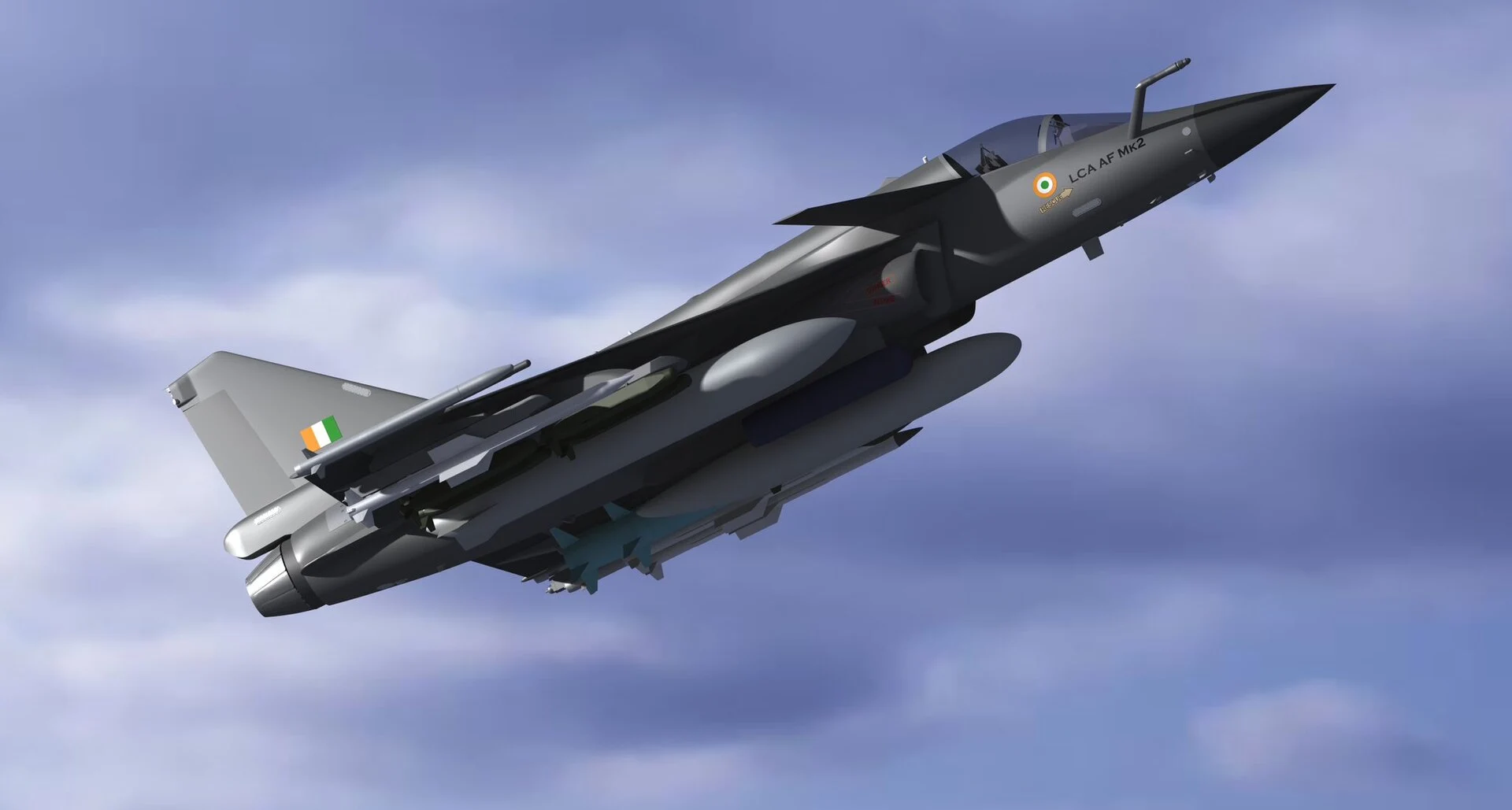
- India – 2,183 aircraft
- South Korea – 1,540 aircraft
- Japan – 1,429 aircraft
- Pakistan – 1,397 aircraft
- Türkiye – 1,101 aircraft
This distribution reflects both rising regional tensions and an increased focus on modernizing military capabilities. Asia’s top air forces are investing heavily in advanced fighters, multirole aircraft, and missile defense integration, signaling that the region is becoming a central theater for future air power competition.
Middle Eastern countries like Egypt and Saudi Arabia also remain significant players, leveraging smaller fleets with advanced combat aircraft and strategic partnerships with Western allies.
This surge reflects not only growing budgets but also strategic urgency. Nations like China, India, and South Korea are modernizing fighter fleets, enhancing drone capabilities, and upgrading air defense systems.
Combined with regional partnerships and joint exercises, these efforts are transforming Asia into a major center of aerial innovation and military projection.

A Brief into Fighters and Interceptors
If the total fleet size demonstrates scale, then fighters and interceptors reveal actual combat capability. Here, China’s relative strength becomes even more apparent. With 1,443 fighters, China narrows the gap with the U.S. in frontline aviation, despite trailing in overall aircraft.
Other notable examples include:
- North Korea, ranked 12th in total aircraft, fields 341 fighters and interceptors, surpassing several nations with larger fleets.
- France, Israel, Taiwan, and Saudi Arabia demonstrate how smaller air forces can maintain a high degree of combat capability through a focused investment in fighter aircraft.
The distinction between total aircraft and fighter strength illustrates an important strategic principle: air power is not just about quantity, but how aircraft are utilized. Effective projection of power requires a balanced fleet that combines combat jets with support and specialized aircraft.
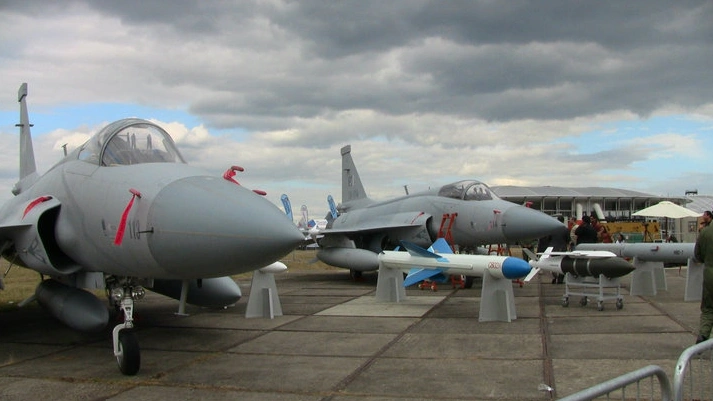
https://commons.wikimedia.org/wiki/File:JF-17_Thunder_(4826622681).jpg
The Full 2026 Air Force Rankings
Here’s a detailed look at the world’s largest air forces by total aircraft in 2026, alongside fighter and interceptor counts:
| Rank | Country | Total Aircraft | Fighters / Interceptors |
|---|---|---|---|
| 1 | United States | 13,032 | 1,791 |
| 2 | Russia | 4,237 | 861 |
| 3 | China | 3,529 | 1,443 |
| 4 | India | 2,183 | 476 |
| 5 | South Korea | 1,540 | 242 |
| 6 | Japan | 1,429 | 217 |
| 7 | Pakistan | 1,397 | 331 |
| 8 | Türkiye | 1,101 | 201 |
| 9 | Egypt | 1,088 | 242 |
| 10 | France | 974 | 223 |
| 11 | Saudi Arabia | 917 | 283 |
| 12 | North Korea | 837 | 341 |
| 13 | Taiwan | 720 | 258 |
| 14 | Italy | 714 | 88 |
| 15 | United Kingdom | 625 | 103 |
| 16 | Algeria | 620 | 111 |
| 17 | Israel | 597 | 239 |
| 18 | United Arab Emirates | 581 | 99 |
| 19 | Germany | 569 | 127 |
| 20 | Greece | 560 | 178 |
Shared By: Visual Capitalist
This table shows a clear concentration of power among a few nations. The top three—U.S., Russia, and China—dominate not only in size but in operational reach and fighter capability.
Meanwhile, countries in Asia and the Middle East demonstrate a strategic approach, leveraging a mix of modern fighters, advanced support aircraft, and alliances to maximize their influence.
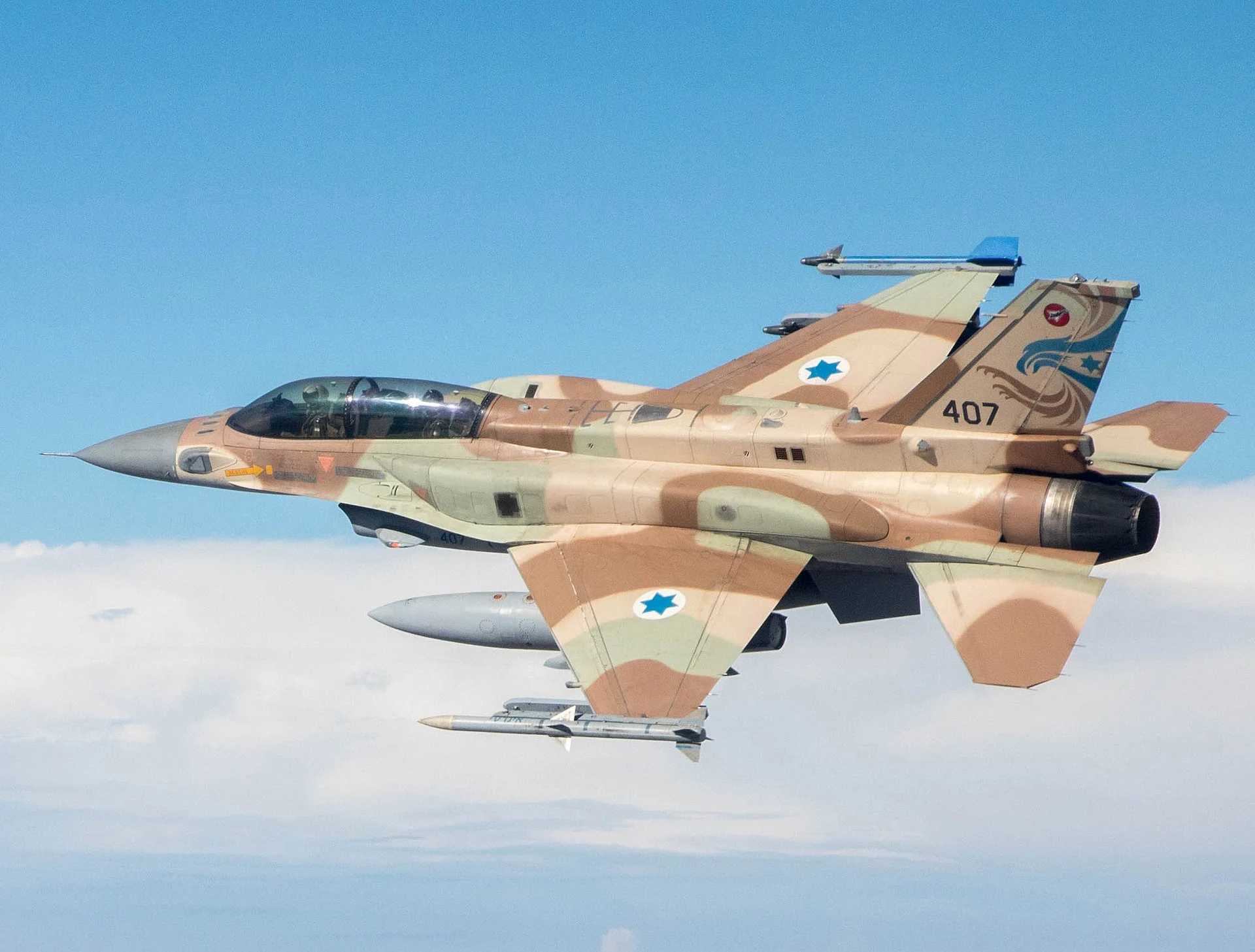
What These Numbers Really Mean
Numbers alone don’t tell the full story. In modern warfare, several factors determine how effectively an air force can project power:
- Technology: Advanced avionics, stealth capability, and electronic warfare systems can offset numerical inferiority.
- Logistics and Support: Air refueling, transport, and maintenance are crucial for sustained operations.
- Pilot Training and Doctrine: Skilled pilots and effective command structures multiply the impact of aircraft.
- Integration with Other Forces: Air power is most effective when combined with naval, ground, and cyber capabilities.
For instance, the U.S. not only has the largest fleet but also a networked command-and-control system and global bases that allow aircraft to operate anywhere in the world. Similarly, China and India are modernizing airfields, fighter training programs, and drone capabilities to extend their reach.
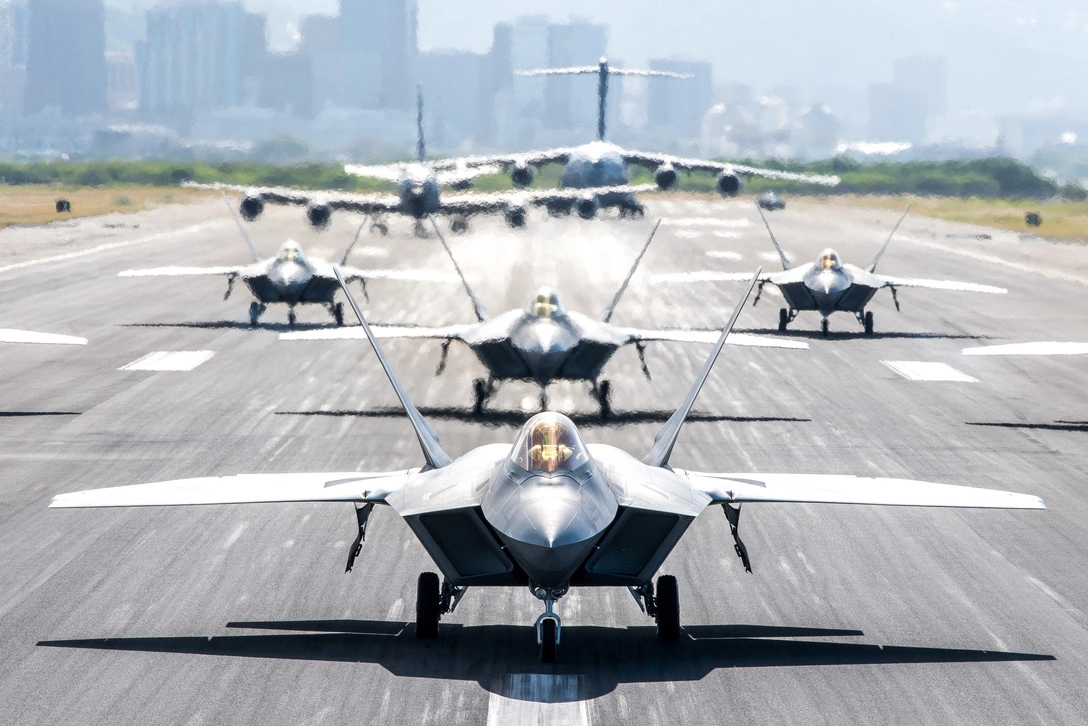
Bottom Line
By 2026, the world’s air forces will reflect a blend of tradition, innovation, and strategic necessity. The United States continues to set a benchmark for size and capability, but the rise of Asian air powers like China, India, and South Korea underscores the shifting focus of global military dynamics.
Fighter numbers and combat readiness are just as important as fleet size, highlighting that even smaller air forces can wield significant influence with the right mix of technology and strategy.
As nations invest in next-generation aircraft, drones, and multi-domain integration, the race for air supremacy will continue to shape geopolitics and military planning for years to come.
Air power remains more than just a statistic—it is a tangible symbol of national reach, a tool for deterrence, and a critical factor in shaping the balance of global security.
In 2026, it is clear that the sky is both a battlefield and a canvas for the projection of power.
Stay tuned with us. Further, follow us on social media for the latest updates.
Join us on Telegram Group for the Latest Aviation Updates. Subsequently, follow us on Google News