


AMSTERDAM— KLM Royal Dutch Airlines (KL), headquartered at Amsterdam Schiphol Airport (AMS), carries the most expensive flight personnel of any comparable global airline, according to a study based on 2023 data. The research shows that personnel costs on long-haul KLM flights are at least 38% higher than those at other airlines.
On routes to New York (JFK), cockpit and cabin crew costs run 25% above comparable carriers such as Air France (AF) and Lufthansa (LH). On shorter European routes, such as to Athens (ATH), the gap narrows to 14%, yet the premium remains consistent across all flight types.
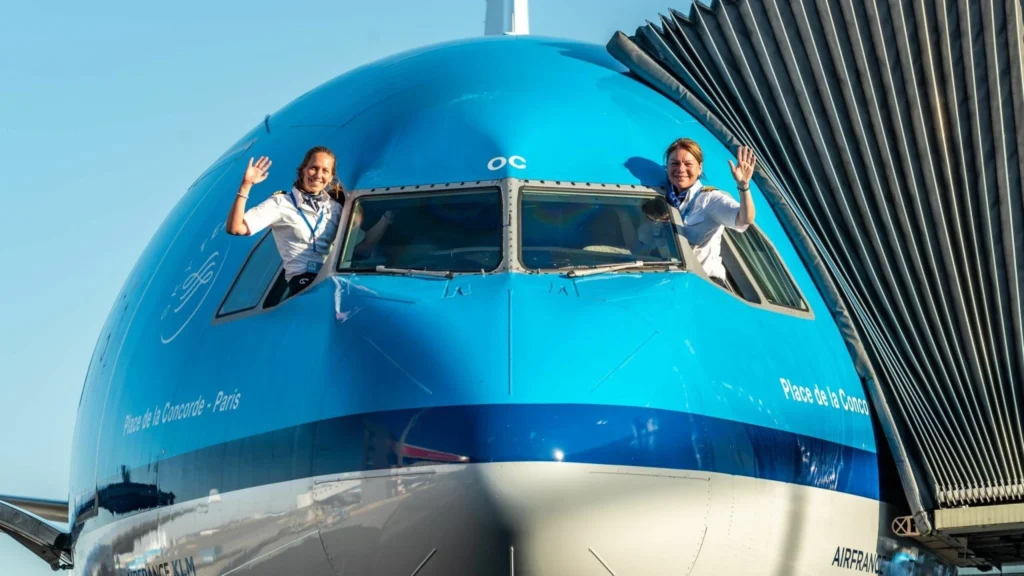
KLM Flight Crew Costs Outpace Rivals
A KLM captain costs the airline up to €600,000 per year in total employment costs, while a comparable captain at peer European airlines costs well over €400,000. The difference is not limited to pilots. A senior purser at KLM can cost up to €180,000 per year by the end of their tenure, compared to €130,000 at competing carriers, The Telegraaf reported.
The cost per flight hour reflects this gap clearly. A KLM (KL) captain costs €920 per flight hour, whereas the equivalent role at comparable European airlines averages €664 per flight hour — a difference of nearly 40%.
An airline industry insider summarized the situation plainly: “KLM is giving away the profit margin to staff.”
KLM, for its part, says its salary policy accounts for multiple factors. “We base our policy on inflation in the Netherlands, comparisons with other companies to remain attractive as an employer, and the international context,” a KLM spokesperson stated.
The airline also noted that recent controlled salary increases under its collective labor agreement are keeping cost growth in check.
Personnel Costs Rise Despite €450 Million Savings Target
In the most recent financial year covered by the study, KLM’s total personnel costs rose by 4.3% to over €4.1 billion. This increase came even as the airline met its savings target of €450 million. The Air France-KLM (AF-KL) group directed media inquiries on the study back to KLM, which declined to comment on the specifics of the research.
Employee wages at KLM have risen by 25% since 2019, a figure the airline cited when proposing a two-year pay freeze to unions ahead of new collective labor agreement negotiations. That freeze was never implemented for ground staff.
After strikes, KLM agreed to a 3.25% pay increase. Cabin crew subsequently received the same raise without being required to provide additional productivity hours in return.
Air France-KLM CEO Ben Smith had already signaled in February of the relevant year that KLM staff would need to become more productive, suggesting leadership was aware of the structural cost pressure.

Union Responses and the Productivity Debate
Chris van Elswijk, chairman of the cabin crew union VNC, pushed back on the direct comparisons. He argued that KLM cabin crew operates within a complex intercontinental network with a relatively high passenger-to-crew ratio, making one-to-one comparisons with other airlines inaccurate.
He pointed to differences in regulations, social security contributions, and staff deployment models as factors that distort any straightforward cost comparison.
The FNV Cabine trade union took a different position. FNV board member David van de Geer said the union recognizes the cost comparison findings.
He noted that KLM is adding more seats to the cabin to increase revenue, but acknowledged that the airline also faces external pressures, including geopolitical instability and high oil prices, which affect operations more broadly.
VNV President Ruud Stegers disputed the pilot cost figures directly. “We do not recognize these figures,” Stegers said. He argued that such studies are typically commissioned by airlines and reflect the client’s preferred outcome.
He cited studies from European pilot unions that paint a different picture, suggesting a broadly consistent cost structure across airlines with comparable job functions.
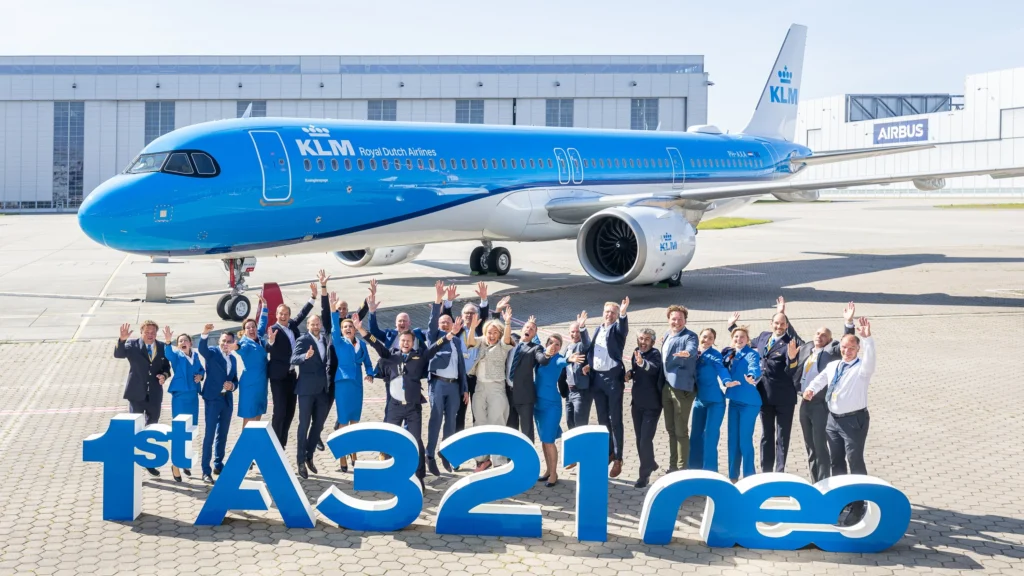
Declining Flight Hours and the Airbus Retraining Factor
The study also found that the number of annual flight hours logged by KLM pilots is lower than at most European competitor airlines. Compared to American carriers and airlines from the Middle East and Asia, some KLM crew positions log 25% fewer flight hours per year.
Data shows that the average annual flight hours for a KLM captain on long-haul routes dropped from 646 hours in 2017 to 611 hours in 2023. VNV President Stegers attributed part of this decline to the introduction of new Airbus aircraft into KLM’s fleet.
A larger-than-usual share of KLM pilots is currently undergoing type rating retraining for these new aircraft, which lowers the fleet-wide average of hours flown. Stegers confirmed the average will rise again once the training cycle is complete.
KLM’s operating result decreased to €416 million in 2024, with profitability under pressure despite revenue growth, as costs for equipment, personnel, and airport fees continued to rise. The personnel cost issue identified in the 2023 study is therefore not an isolated finding — it reflects a sustained structural challenge for the airline.
Collective labor agreement negotiations with the pilots’ union VNV were still ongoing at the time of the study’s release, meaning the cost picture may shift further depending on the outcome of those talks.
Stay tuned with us. Further, follow us on social media for the latest updates.
Join us on Telegram Group for the Latest Aviation Updates. Subsequently, follow us on Google News
