

DELHI— India has approved a $25 billion military modernization package, marking one of its largest defense procurement drives in recent years.
The package includes additional S-400 air defense systems from Russia, remotely piloted strike aircraft, and new transport planes.
The approvals, cleared by the Defense Acquisition Council under Defense Minister Rajnath Singh, reflect India’s urgency to strengthen air power along its borders with China, Pakistan, and Myanmar, especially after lessons drawn from the 2024 India-Pakistan conflict.
India’s $25 Billion Defense Push
S-400 Air Defense Expansion
India has approved the procurement of five additional S-400 Triumf air defense systems from Russia, adding to the five already ordered in 2018. Of the original batch, three systems are currently deployed along India’s northern and western borders, while two remain scheduled for delivery this year.
The S-400 proved its effectiveness during the brief India-Pakistan conflict last year, successfully intercepting aerial threats, including missiles and drones fired by Pakistan. The additional systems aim to close coverage gaps and create a wider air defense perimeter across India’s vast and varied borders.
Dinakar Peri, a fellow in the Security Studies program at Carnegie India, noted that the S-400’s battlefield performance gave New Delhi the confidence to expand the fleet.
With ten systems eventually in place, the S-400 will serve as the backbone of India’s long-range air defense network, Defense News reported.
Strike Drone Procurement
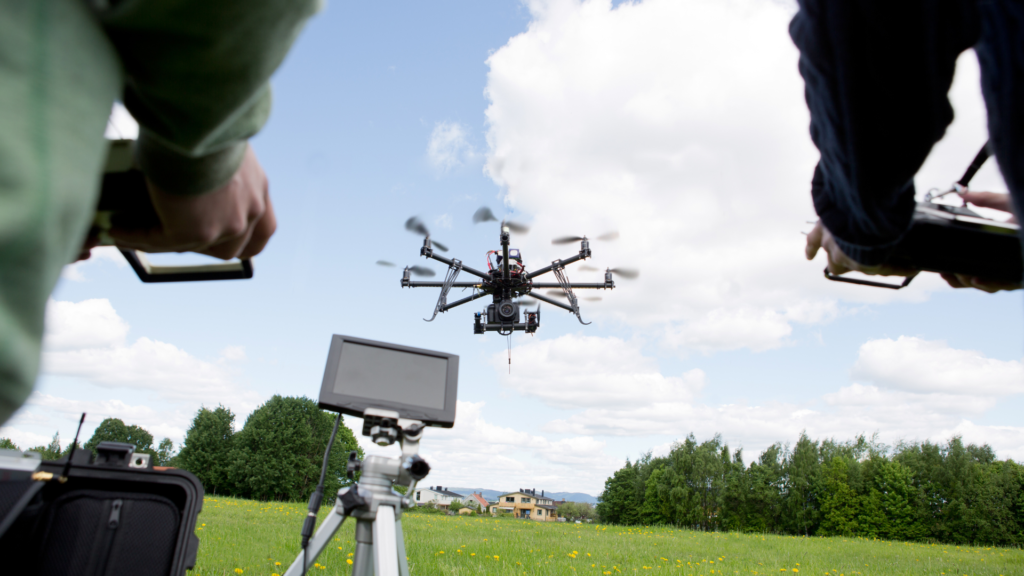
India has also approved the purchase of 60 remotely piloted strike aircraft, reinforcing its commitment to unmanned warfare. The move reflects a broader global shift in military strategy, where drones reduce the risk to pilots while delivering precision strikes.
Peri pointed to the Russia-Ukraine war as a key reference point for Indian military planners, stating that it demonstrated how drones and layered air defenses are now central to modern conflict. India’s own four-day clash with Pakistan last year further validated this approach.
The Defense Ministry confirmed the remotely piloted aircraft will support offensive counter-air operations, coordinated strikes, and intelligence, surveillance, and reconnaissance (ISR) roles.
Short-Range Air Defense Gap Filled
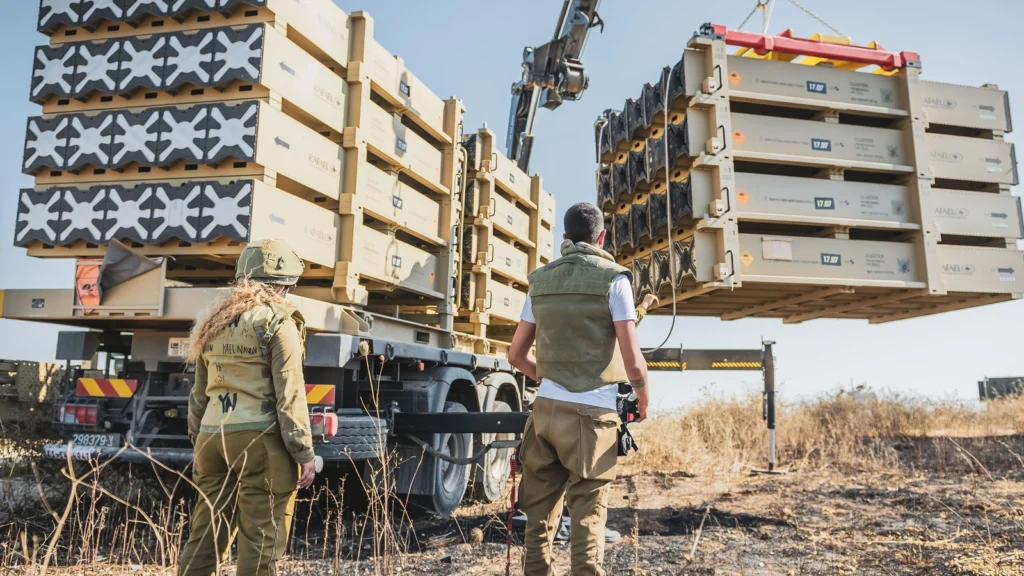
Alongside the larger approvals, India recently signed a $47 million contract for the Tunguska air defense missile system from Russia.
Designed to protect ground forces from low-altitude threats such as helicopters, drones, and cruise missiles, the Tunguska fills a critical gap in India’s short-range defensive shield.
Transport Aircraft Replacement
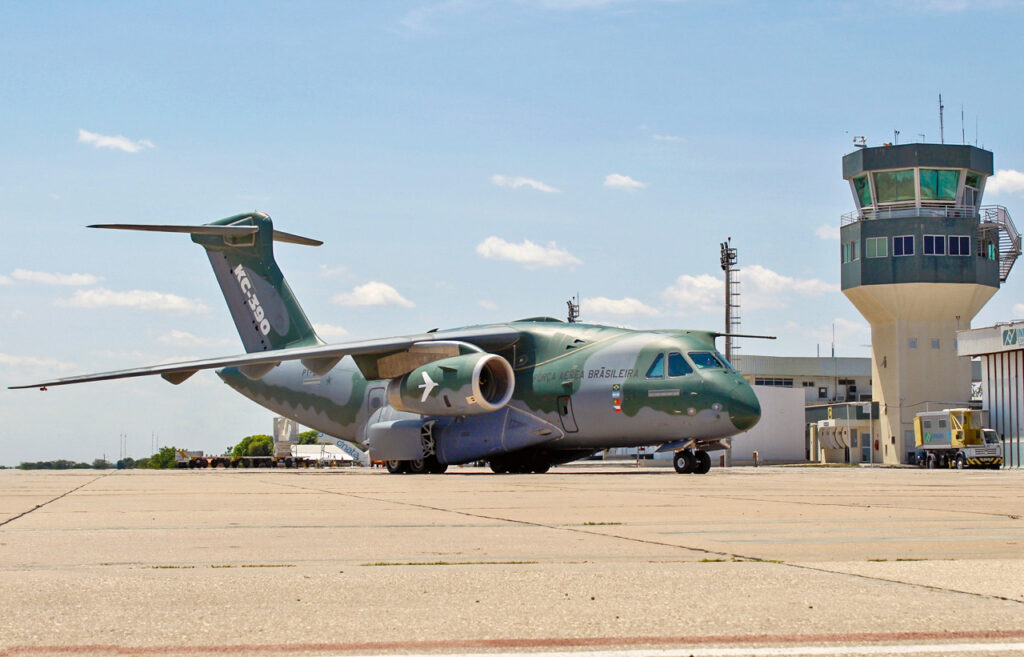
A significant portion of the $25 billion package is allocated for 60 new multirole transport aircraft to replace India’s aging fleet.
Indian troops operate across challenging terrain, from high-altitude mountain posts to remote strategic islands, making reliable air transport essential.
Likely contenders for the contract include Brazil’s Embraer, Lockheed Martin from the United States, and Russia’s Ilyushin. A final selection is yet to be announced.
Russia Remains a Key Defense Supplier
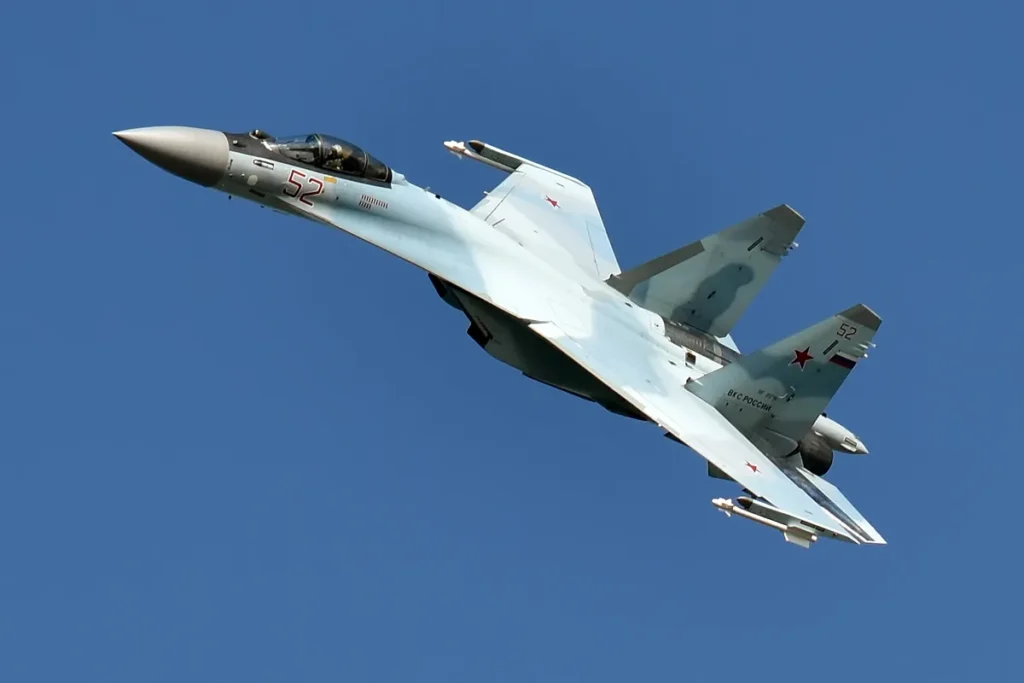
Despite India gradually diversifying its defense imports toward France, Israel, and the United States, Russia continues to hold a significant position.
Defense analyst Rahul Bedi explained that Russian equipment offers a combination of affordability, ruggedness, and familiarity that remains hard to replace.
Indian armed forces have operated Russian platforms for decades, giving them deep institutional knowledge of maintenance and operational use. Bedi added that Russian hardware functions reliably across India’s extreme climatic conditions, from sub-zero Himalayan temperatures to scorching desert heat.
Record Defense Spending Reflects Strategic Urgency
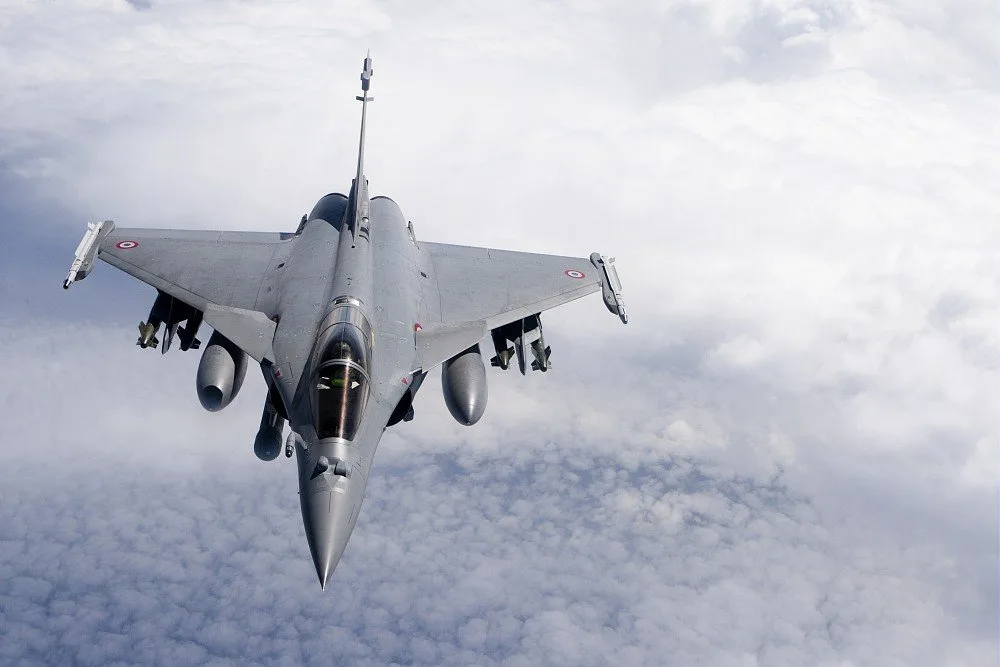
The $25 billion approval comes just six weeks after India cleared the purchase of 114 Rafale fighter jets in a deal estimated at around $40 billion. Together, these acquisitions signal a sharp acceleration in India’s defense modernization.
Former Defense Ministry financial adviser Amit Cowshish noted the growing reluctance among nations to engage in ground warfare, pushing air power to the forefront of military strategy.
Further, India, ranked the world’s fifth-largest military spender and second-largest arms importer after Ukraine by the Stockholm International Peace Research Institute, is moving to close long-standing capability gaps with a renewed sense of urgency.
Stay tuned with us. Further, follow us on social media for the latest updates.
Join us on Telegram Group for the Latest Aviation Updates. Subsequently, follow us on Google News
