

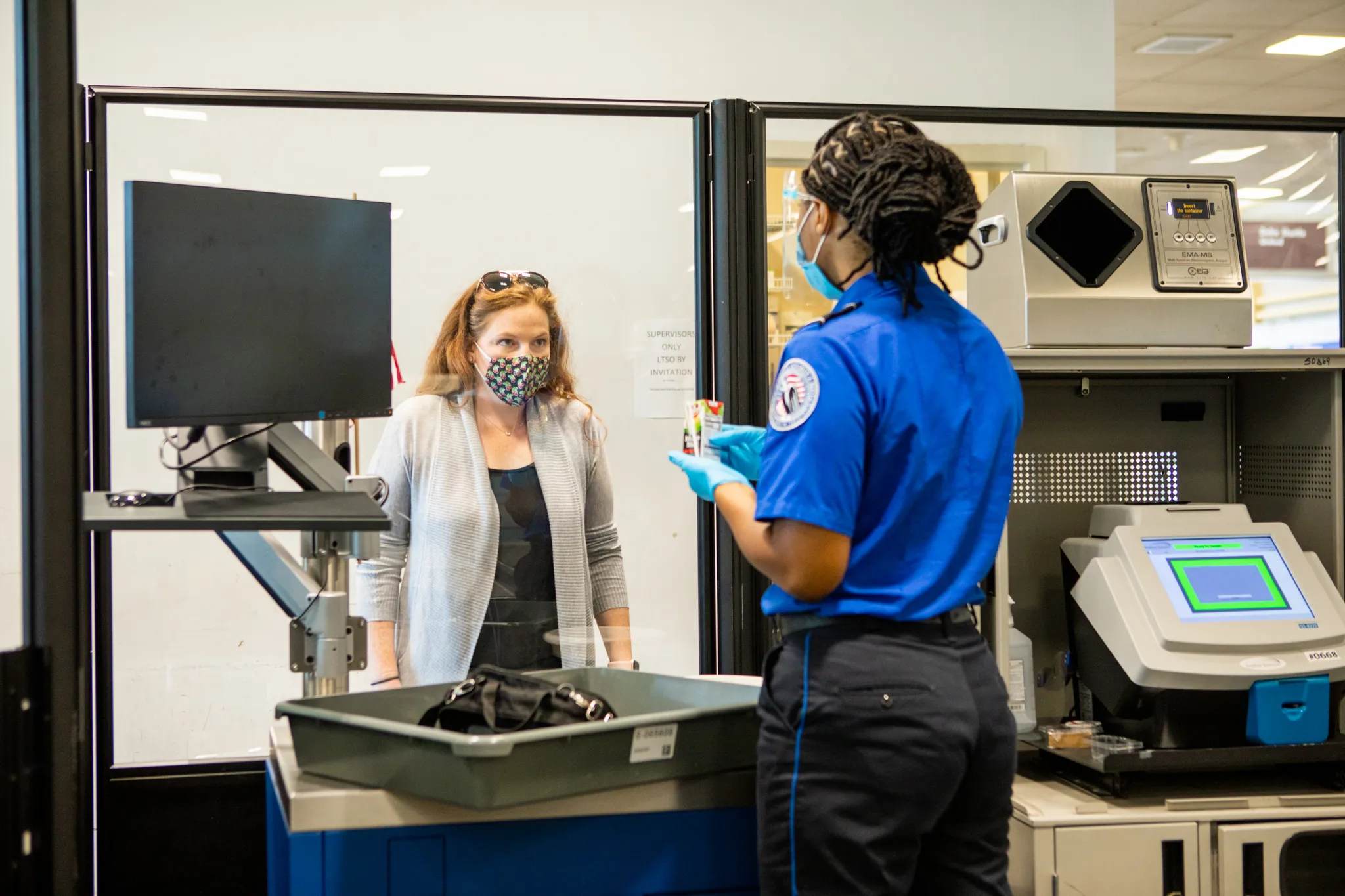
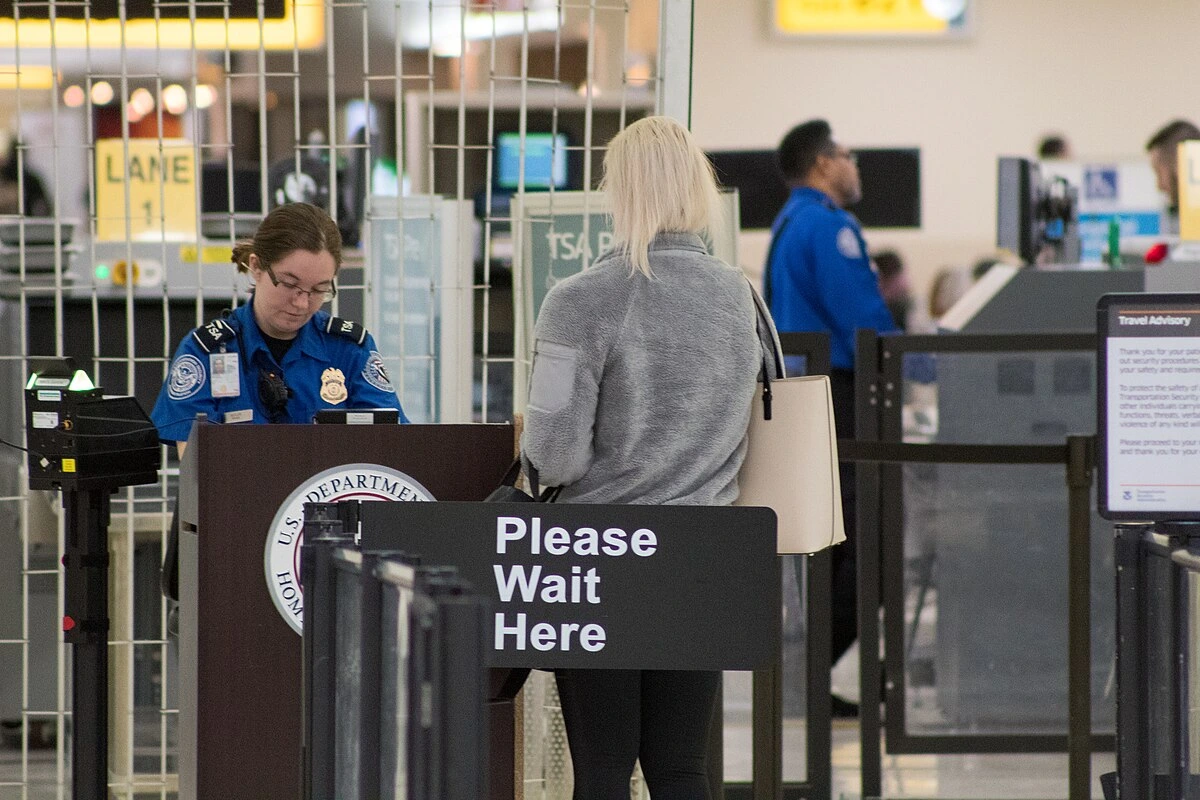
WASHINGTON- President Donald Trump has unveiled plans in the proposed 2027 federal budget to reform airport security by shifting key functions from the Transportation Security Administration (TSA) to private contractors.
Under the proposal, small and mid‑sized airports would be encouraged to adopt the Screening Partnership Program as a first step toward privatization. This plan could affect operations at facilities ranging from regional hubs to major airports such as San Francisco (SFO) and Kansas City (MCI).
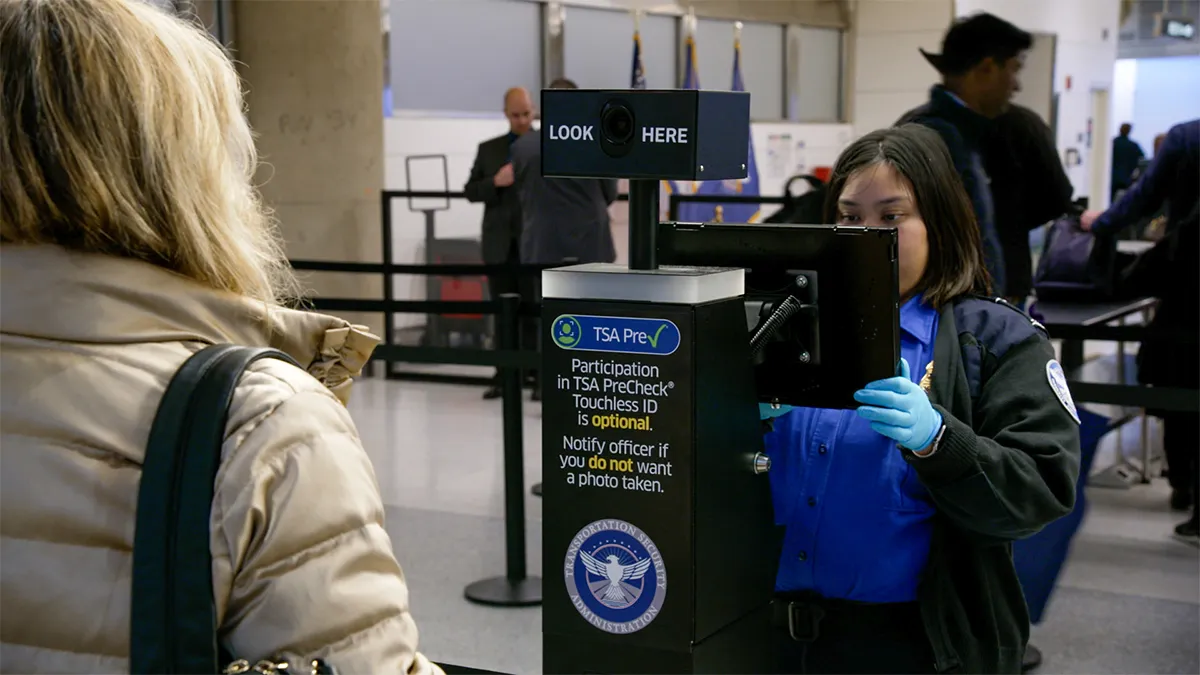
US TSA Reform Plan
According to OMAAT, the 2027 budget blueprint calls for cutting approximately $52 million in federal expenditures by transitioning away from traditional TSA screening.
The administration argues that private screening at participating airports demonstrates cost benefits over current federal operations. Advocates of the change claim that this model retains security standards while lessening the fiscal load on Washington.
The Screening Partnership Program would serve as the framework for this shift, enabling airports to contract private companies for passenger and baggage screening services.
White House officials assert that airports already using this system report comparable performance with reduced costs. This approach reflects a gradual path rather than a wholesale dissolution of the TSA at this time.
Despite these projected savings, the proposal has sparked debate among policymakers, industry stakeholders, and passenger rights advocates. Supporters say that competition among private firms could lead to improved efficiency and responsiveness to passenger needs.
Critics worry that profit motives might undermine safety standards if oversight measures are not strictly enforced.
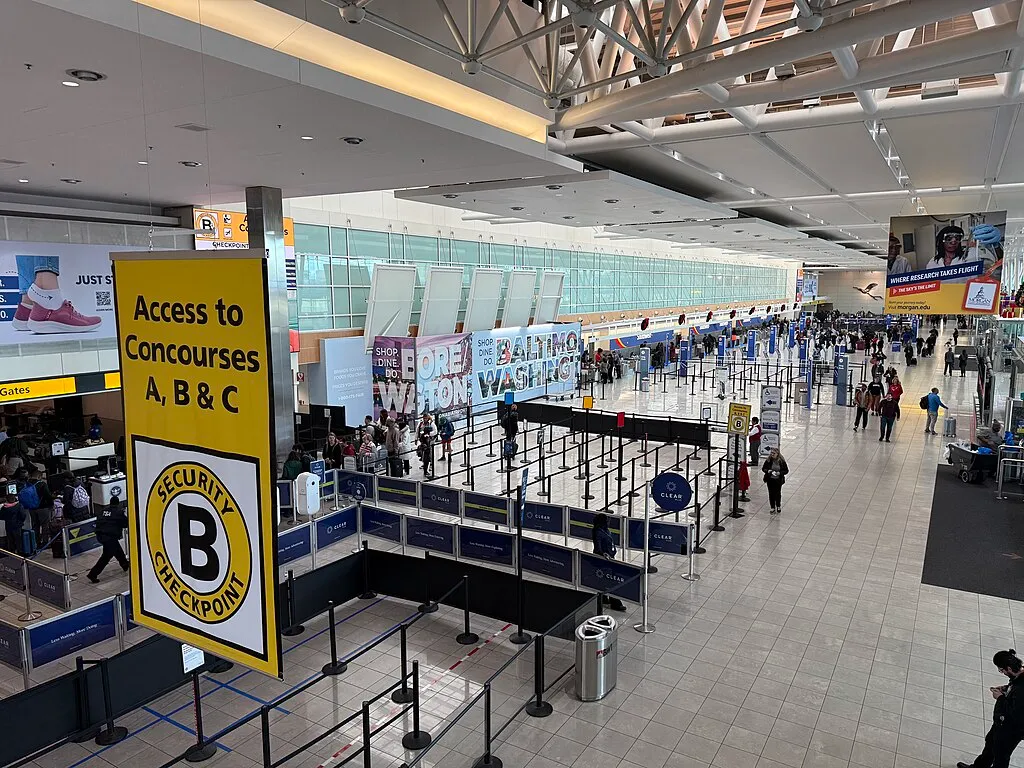
Security And Costs for Revamping TSA
Proponents of privatizing airport security argue that private firms participating in the Screening Partnership Program could operate more flexibly than federal personnel.
They also point to examples where private screeners have met benchmarks for effectiveness and customer service. These supporters see privatization as a way to reduce reliance on TSA employees during federal funding disputes, such as past government shutdowns.
Opponents caution that security functions differ significantly from commercial services and require strict regulatory oversight.
They stress that the TSA, while imperfect, operates under federal accountability structures designed to maintain uniform standards at airports nationwide. Skeptics also question whether private contractors can maintain those standards under competitive cost pressures.
Another concern centers on the potential impact of privatization on traveller experience. Some argue that private firms may innovate and implement new technologies faster than government agencies.
Others, however, fear that inconsistency in training or procedures could lead to confusion or diminished security outcomes.
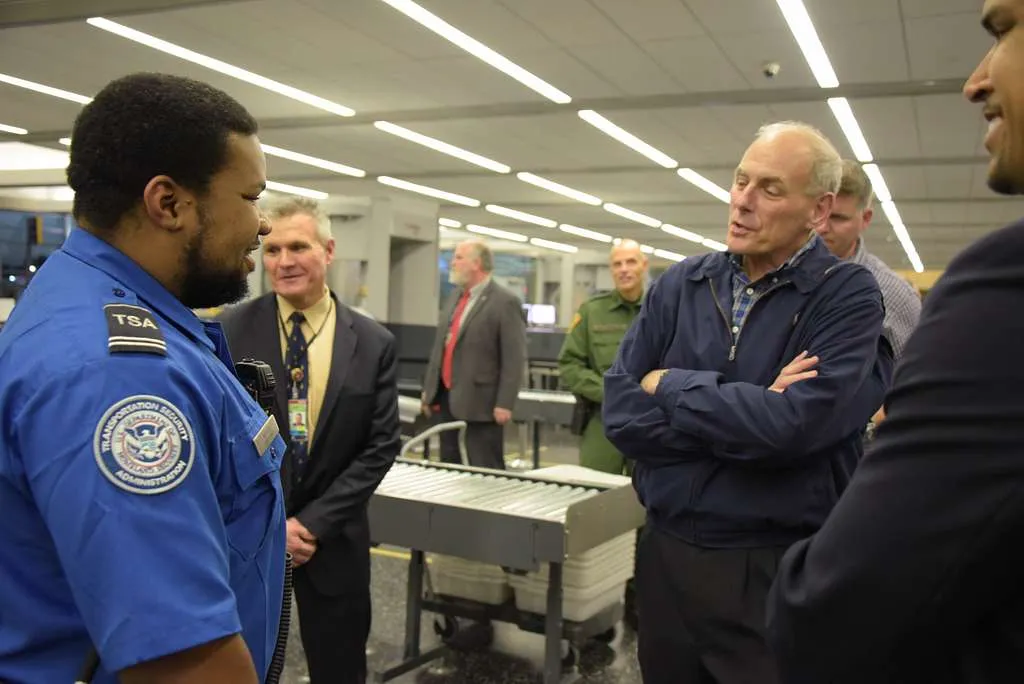
Industry And Public Reaction
Airports that already use the Screening Partnership Program have registered mixed feedback from travellers and staff.
In some cases, passengers report smoother screening lines and greater courtesy from private screeners. Airport administrators highlight the flexibility to tailor contracts to local needs as a key benefit.
However, labour unions and TSA representatives emphasize the importance of experienced federal screeners in maintaining security integrity.
These groups have voiced concerns that privatization could erode job protections and dilute training standards. They argue that federal oversight must remain sufficiently robust to guarantee that safety is never compromised.
Bottom Line
Ultimately, the Trump administration’s proposal signals a significant moment in discussions about the future of aviation security in the United States.
As the 2027 budget moves through Congress, lawmakers will debate not only the fiscal merits of this plan but also its implications for safety, efficiency, and traveller confidence.
Stay tuned with us. Further, follow us on social media for the latest updates.
Join us on Telegram Group for the Latest Aviation Updates. Subsequently, follow us on Google News
