

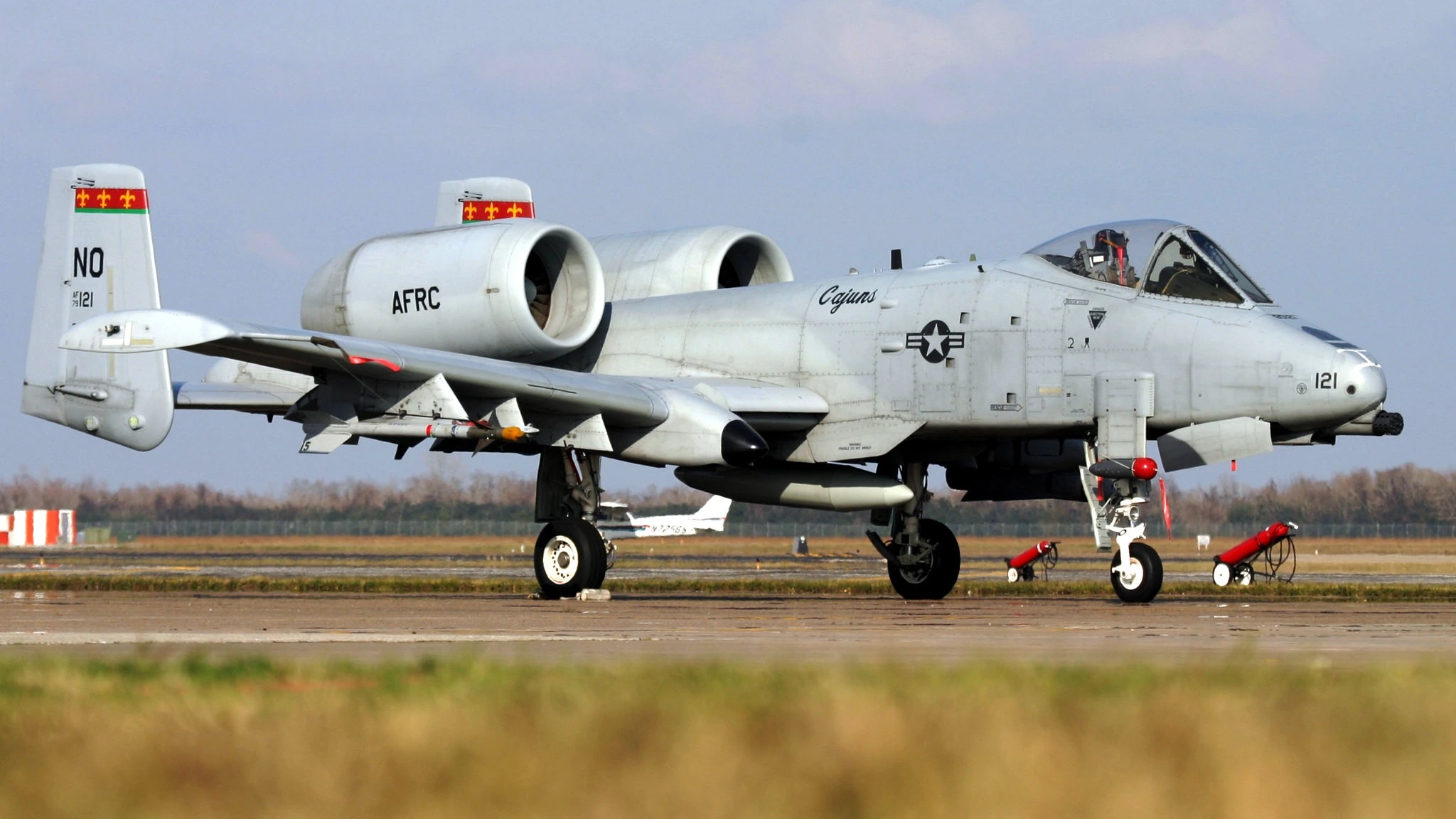
TEHRAN- The United States Air Force (USAF) confirmed that an A-10 Thunderbolt II attack aircraft crashed near the Strait of Hormuz on April 3, 2026, amid escalating military operations in the Middle East.
The incident took place as U.S. forces were engaged in a high-risk search-and-rescue effort for the crew of a downed F‑15E Strike Eagle that had been shot down over Iran earlier the same day.
The A‑10 pilot managed to eject safely and was recovered by U.S. forces, according to senior defense sources. While initial details on how the aircraft went down remain sparse, Iranian state media has claimed responsibility, asserting that its air defense systems targeted the A‑10 before it entered the Gulf waters.
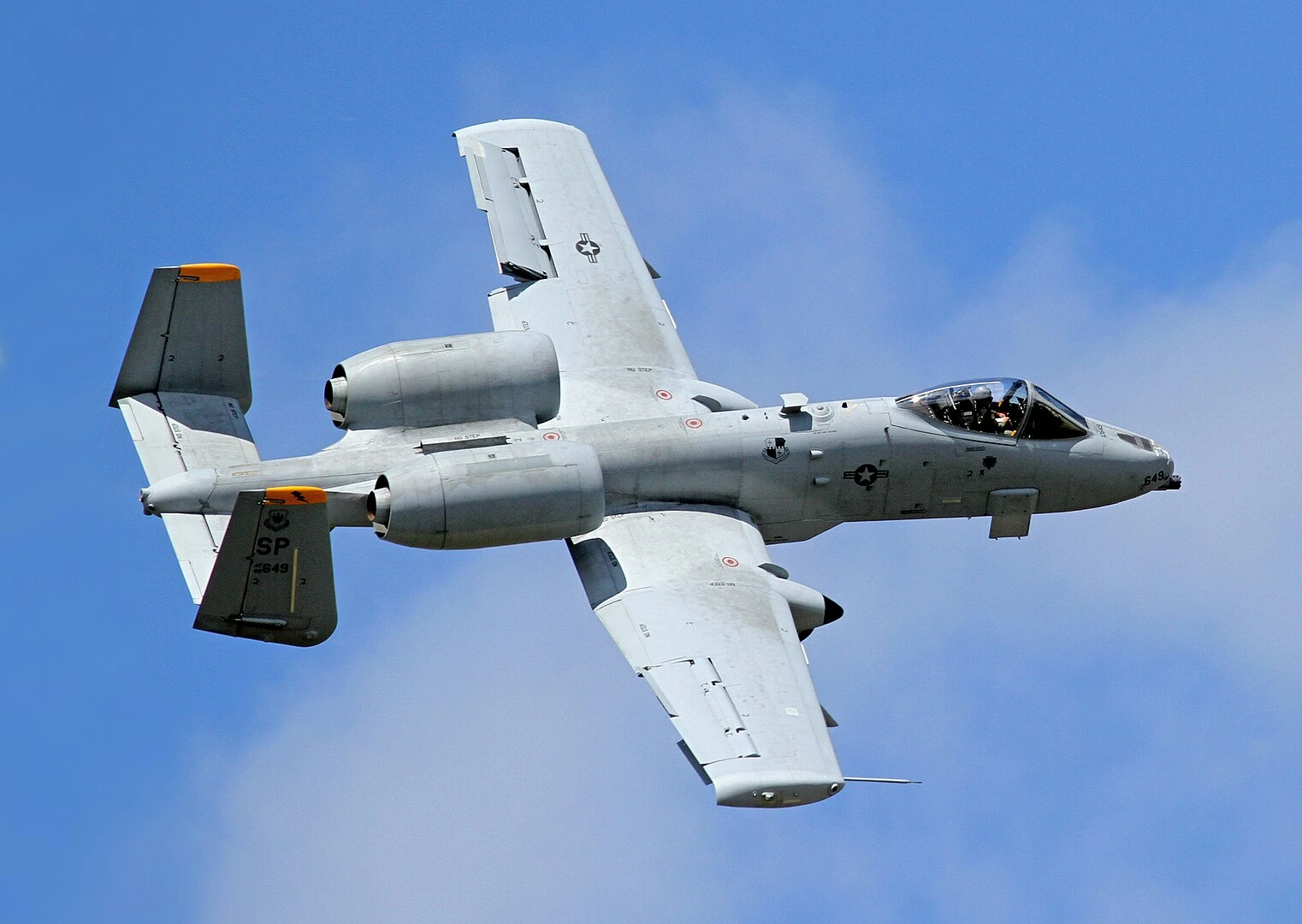
US A‑10 Crash Details
U.S. military officials stated that the A‑10 Thunderbolt II — an aircraft optimised for close air support and armed reconnaissance — crashed near the strategic Strait of Hormuz around the same moment an F‑15E was reported lost in Iranian airspace.
The USAF has not officially confirmed whether the A‑10 was struck by hostile fire or suffered a noncombat-related malfunction. The crash’s timing, however, coincided with intense aerial operations aimed at rescuing the downed F‑15E crew, which elevated operational risk levels for all aircraft involved.
The sole pilot aboard the A‑10 navigated the stricken aircraft toward safer airspace before ejecting and being successfully recovered by U.S. forces.
No additional aircraft were lost in the immediate aftermath of the crash, though several helicopters supporting the rescue efforts encountered enemy fire and incurred damage.
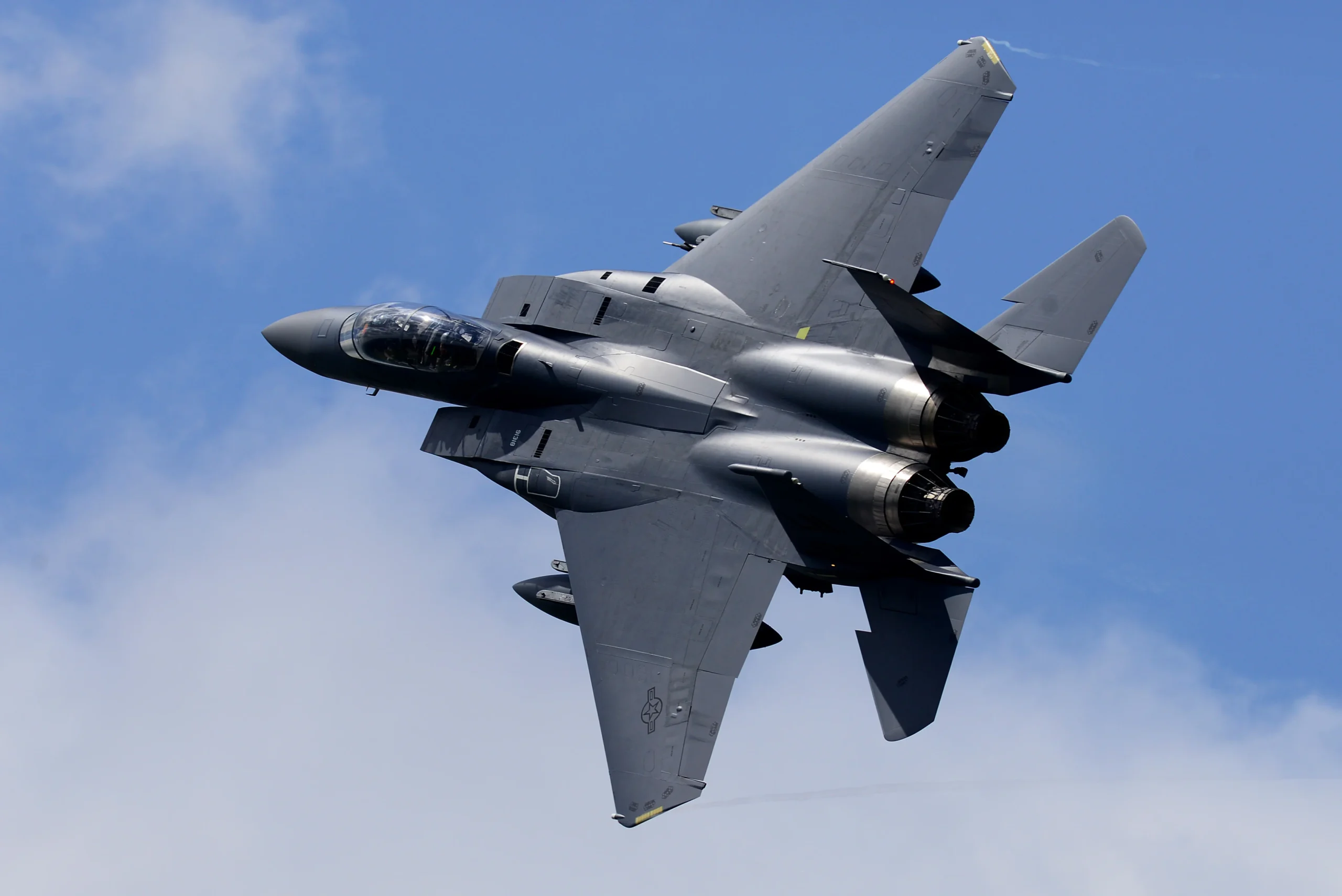
F‑15E Shootdown & Rescue
Earlier on April 3, a U.S. F‑15E Strike Eagle was shot down over southwestern Iran, triggering a rapid combat search-and-rescue (CSAR) mission involving multiple aircraft, Simple Flying reported.
One of the two crew members was rescued alive, while efforts continued into the evening to locate the second airman.
The loss of the F‑15E marked a significant escalation in the ongoing U.S.-Iran conflict, challenging earlier assertions of air dominance in the region.
Iranian forces reportedly employed advanced air defence systems to engage the fighter jet, underscoring the increasingly sophisticated threat environment.
U.S. helicopters involved in the CSAR effort later came under fire but ultimately returned to base with their crews intact.
The coordination between the rescue team and supporting aircraft illustrated the complexity and danger inherent in extracting downed personnel in contested airspace.
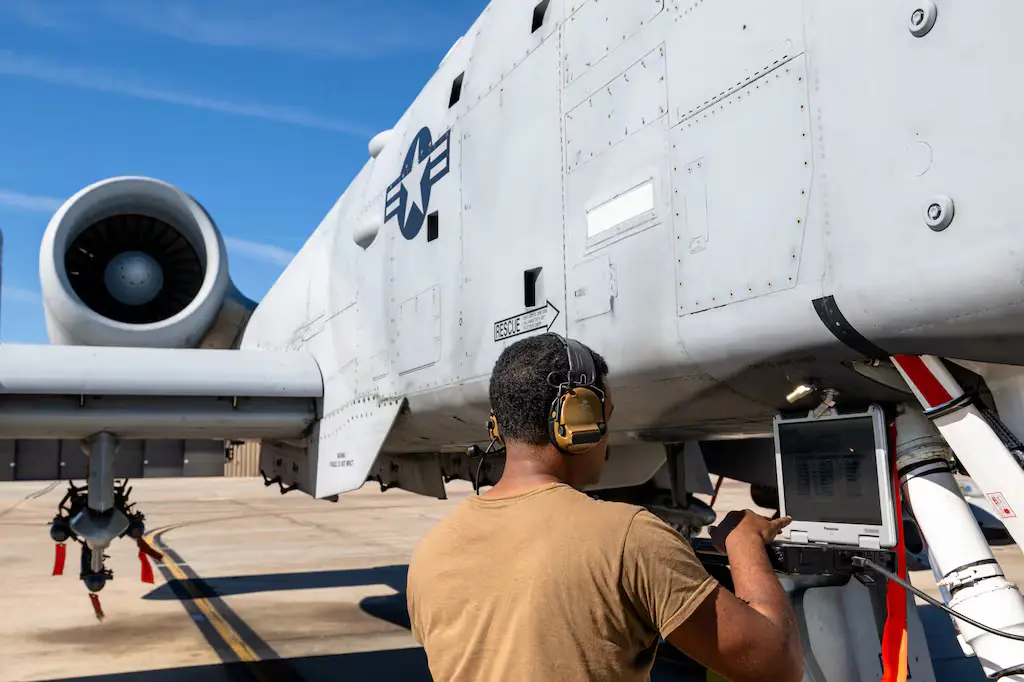
Strategic Implications for the US and Iran
The loss of two U.S. military aircraft in a single day highlights the high-stakes dynamics of current operations in and around the Persian Gulf.
The Strait of Hormuz, a key maritime chokepoint through which a significant percentage of the world’s oil supply flows, remains a flashpoint for military engagement and strategic confrontation.
Both the A‑10 Thunderbolt II and F‑15E Strike Eagle are critical assets for U.S. combat and support missions. Their loss — regardless of cause — raises questions about risk mitigation, engagement rules, and the evolving capabilities of opposing air defence systems in the region.
U.S. Central Command and the Pentagon have yet to release a comprehensive public statement detailing the full circumstances surrounding the incidents.
Military analysts expect further updates as investigations continue and additional information becomes available.
Stay tuned with us. Further, follow us on social media for the latest updates.
Join us on Telegram Group for the Latest Aviation Updates. Subsequently, follow us on Google News
