

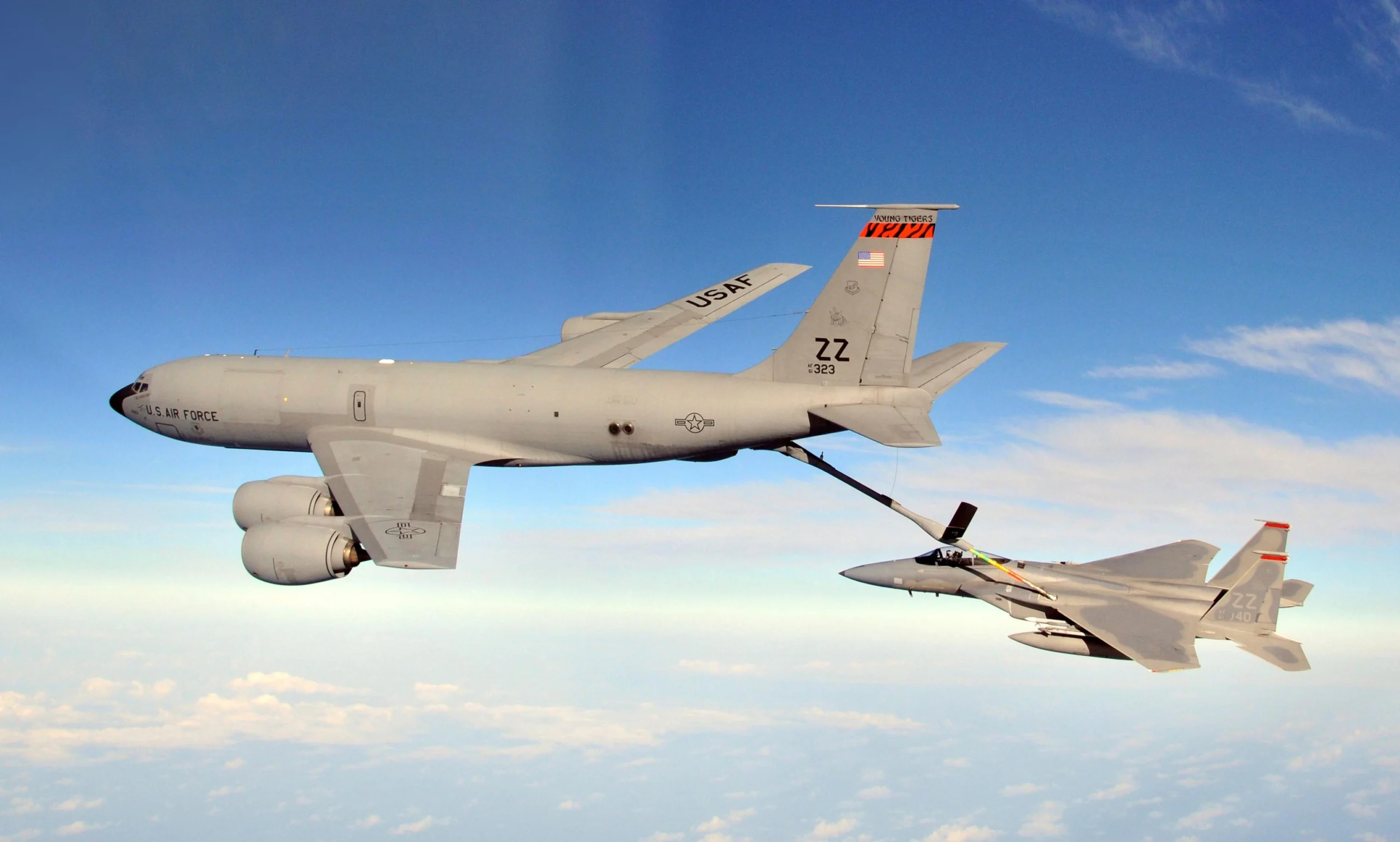
WASHINGTON— The United States Air Force (USAF) has transferred a retired Boeing KC-135 Stratotanker from long-term storage at Davis-Monthan Air Force Base (DMA) to Tinker Air Force Base (TIK), signaling a potential return to operational service.
The aircraft relocation took place on April 2, 2026, when two KC-135s departed the Arizona “Boneyard” and flew to Oklahoma City (OKC). One of the aircraft had previously been retired, while the second remained active, indicating a coordinated operational or maintenance effort.

KC-135 Retired Air Force Transfer Details
The aircraft involved in the transfer include KC-135 Stratotankers with serial numbers 58-0011 and 58-0018. Both jets completed a short ferry flight from Davis-Monthan Air Force Base, a facility known for storing retired military aircraft in various preservation conditions.
The destination, Tinker Air Force Base, houses the Oklahoma City Air Logistics Complex. This facility specializes in depot-level maintenance and upgrades for multiple USAF platforms, including the KC-135 fleet.
One of the aircraft, previously placed in storage, had been maintained in a condition that allows rapid reactivation. This suggests that the USAF may be preparing the jet for a return to active duty.

Boneyard Operations
According to Flight Global, Davis-Monthan Air Force Base plays a central role in managing retired aircraft through the 309th Aerospace Maintenance and Regeneration Group. The unit oversees storage, preservation, and potential reactivation of airframes depending on operational needs.
Aircraft stored under “Type 1000” conditions remain close to flight-ready status. These jets can be restored quickly when required, offering the Air Force flexibility in managing fleet capacity.
Other storage categories allow aircraft to serve as spare parts sources or long-term reserves. This layered approach ensures that critical platforms like the KC-135 remain available despite aging airframes.
Fleet Readiness Impact
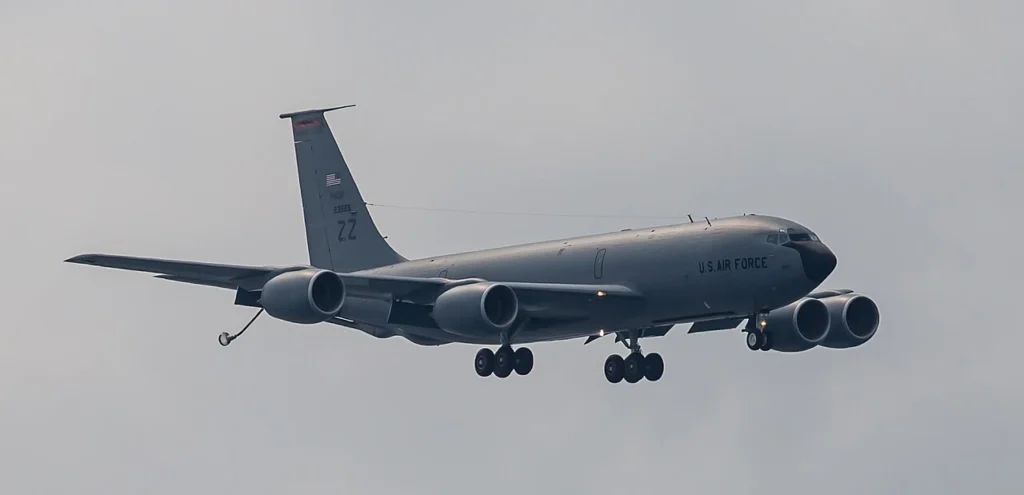
The KC-135 continues to form the backbone of the USAF’s aerial refueling capability despite its Cold War origins. The service currently operates a large fleet of these aircraft alongside newer Boeing KC-46 tankers.
Recent operational losses and damage to multiple aircraft have increased the urgency of maintaining fleet readiness. Incidents in the Middle East, including crashes and combat-related damage, have placed additional strain on tanker availability.
Senior military leadership has emphasized the strategic importance of aerial refueling in sustaining combat operations. Tankers enable long-range missions, support fighter deployments, and enhance overall force projection.
The transfer of a previously retired aircraft underscores the importance of maintaining reserve capacity. It also reflects how legacy platforms continue to play a critical role in modern military operations.
Stay tuned with us. Further, follow us on social media for the latest updates.
Join us on Telegram Group for the Latest Aviation Updates. Subsequently, follow us on Google News
