

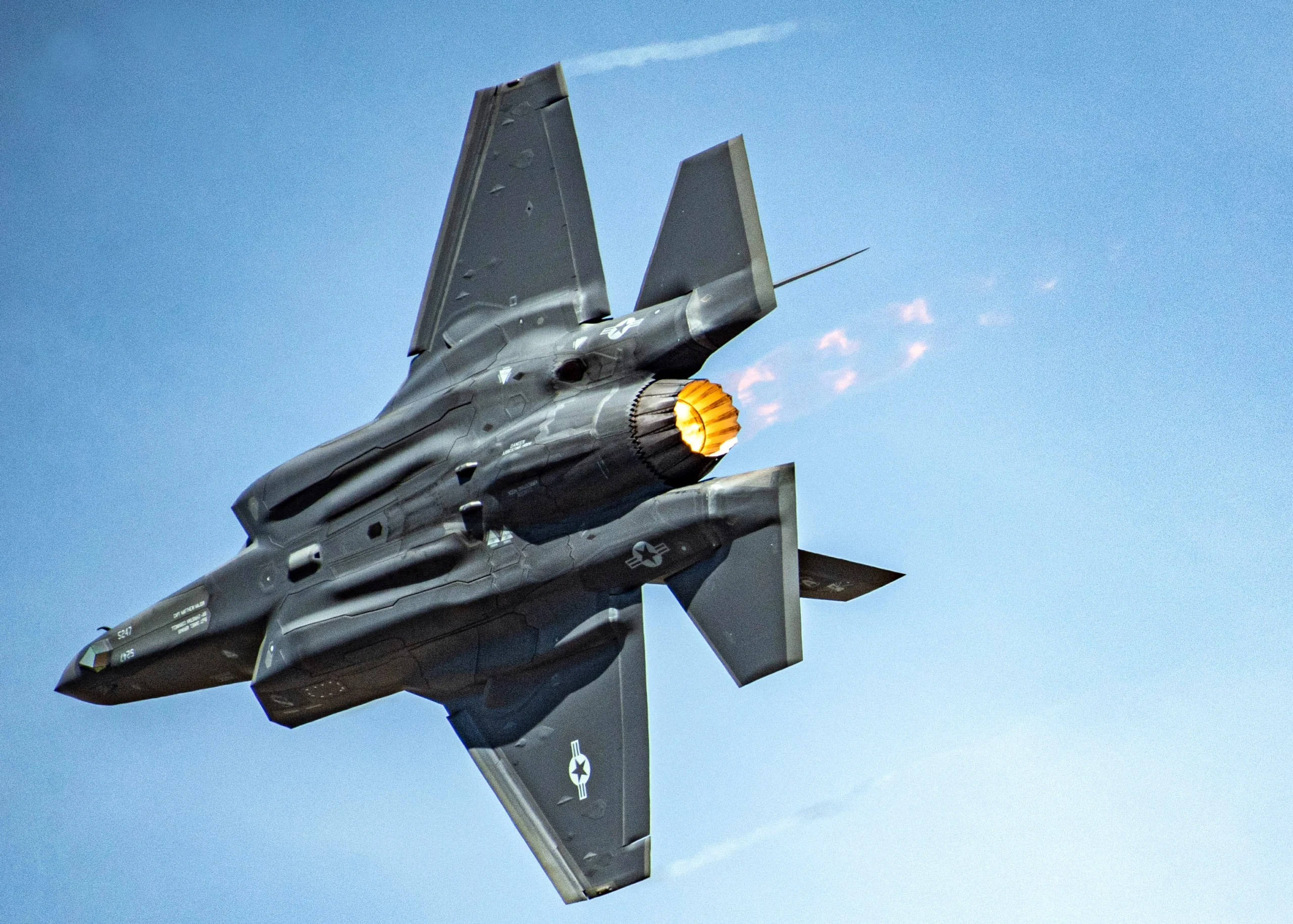
ARLINGTON- The Pentagon has awarded Pratt & Whitney a $6.6 billion contract to supply F135 engines for upcoming F-35 Joint Strike Fighter program production batches.
The agreement finalizes earlier negotiations and supports both Lot 18 and Lot 19 aircraft deliveries.
The deal includes engines, spare modules, and support equipment, ensuring continued propulsion capability for the F-35 fleet.
It also reflects sustained investment in production capacity and future upgrades to meet evolving operational demands.
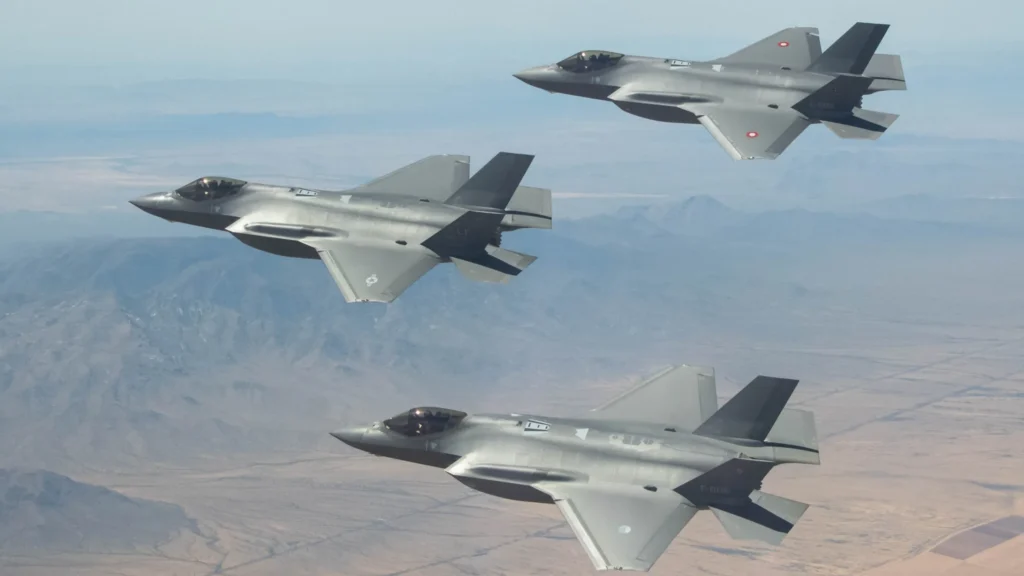
US Awards F-35 Engine Contract to P&W
The finalized contract covers two major production lots. Lot 18 includes approximately 140 production engines and is scheduled to begin deliveries this fall.
Lot 19 includes around 150 engines, with deliveries expected to start next year. Combined, these batches support nearly 296 aircraft planned by Lockheed Martin.
The F135 engine remains the core propulsion system across all F-35 variants. It delivers high thrust, operational reliability, and mission readiness for the United States and allied forces.
According to Breaking Defense, this contract reflects sustained global demand and the need to scale production efficiently.
The agreement also formalizes a previously issued undefinitized contract valued at nearly $2.9 billion for 141 engines under Lot 18.
This structure allowed production to begin while final pricing and quantities were negotiated. The finalized contract now defines full terms and extends work through March 2028.
A senior executive from Pratt & Whitney emphasized that the F135 engine continues to set benchmarks in performance and reliability, while ongoing investments in the supply chain aim to accelerate production and meet increasing demand.
Cost Allocation and Production Scope
The $6.6 billion award is divided across the two lots with clear cost distribution:
- Lot 18: Approximately $3 billion covering engines, spare engine modules, and associated equipment
- Lot 19: Approximately $3.6 billion, including similar production and support components
This allocation ensures both immediate manufacturing needs and long-term sustainment support. The inclusion of spare modules strengthens operational readiness and maintenance flexibility across deployed fleets.
Engine Core Upgrade and Future Capability Needs
The Pentagon is advancing the Engine Core Upgrade program to address rising power and cooling requirements driven by new F-35 capabilities.
These include advanced avionics, sensors, and weapons systems that increase thermal and energy demands.
Current projections indicate that full production of the upgraded engine may not begin until at least 2031.
Pratt & Whitney has stated that the upgrade can be retrofitted into existing aircraft, enabling a gradual transition without disrupting active fleets.
A parallel modernization effort is also underway to overhaul the aircraft’s power and cooling systems. This ensures compatibility with next-generation systems and prevents performance bottlenecks as capabilities expand.
APG-85 Radar Integration and Interim Measures
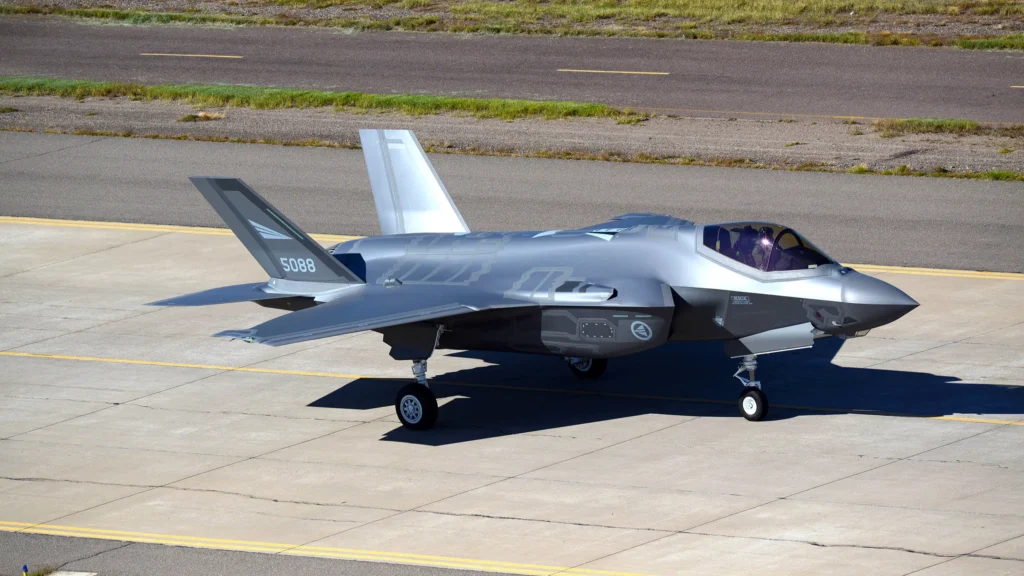
Lot 18 aircraft are being built with structural modifications to support the new APG-85 radar. However, the radar system is not yet ready for deployment.
As a temporary solution, these aircraft will operate with weight ballasts installed in place of the radar.
This ensures proper balance and airworthiness while allowing limited training operations. The APG-85 radar could become available as early as next year, enabling full integration in subsequent phases.
Software Delays and Training-Only Deployment
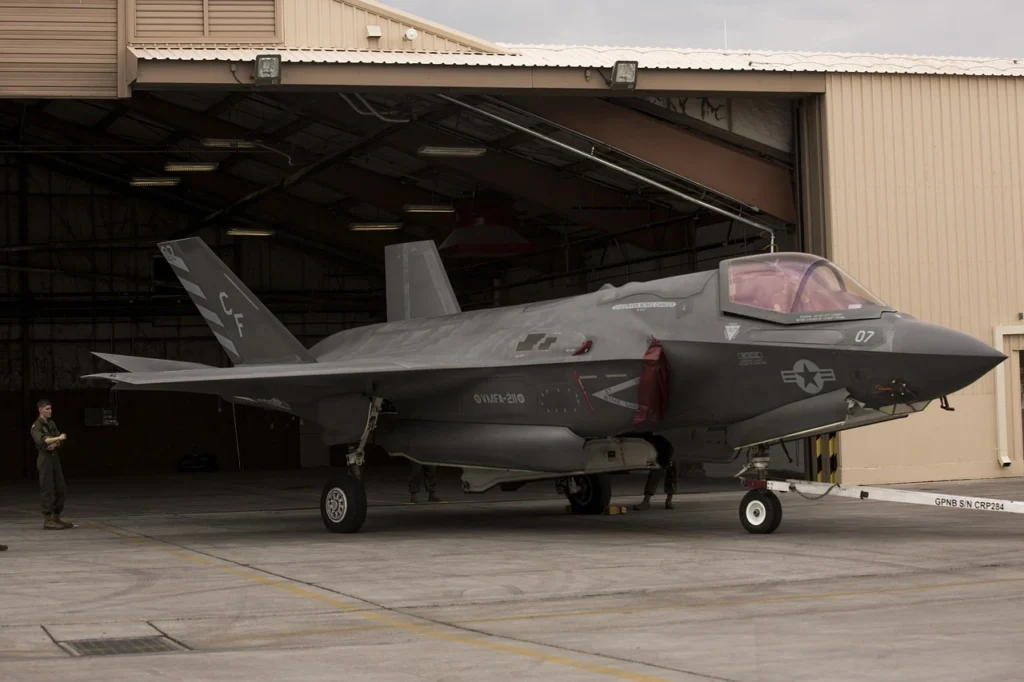
Since July 2024, newly delivered F-35 aircraft have been restricted primarily to training roles. This limitation follows a year-long delivery freeze linked to delays in certifying the Technology Refresh 3 software suite.
Technology Refresh 3 introduces a modernized software architecture required for advanced combat capabilities.
However, certification for combat readiness remains pending, and the Pentagon has not confirmed a timeline for full operational approval.
Until certification is achieved, newly delivered aircraft will continue to support training missions rather than frontline deployment.
Stay tuned with us. Further, follow us on social media for the latest updates.
Join us on Telegram Group for the Latest Aviation Updates. Subsequently, follow us on Google News
