

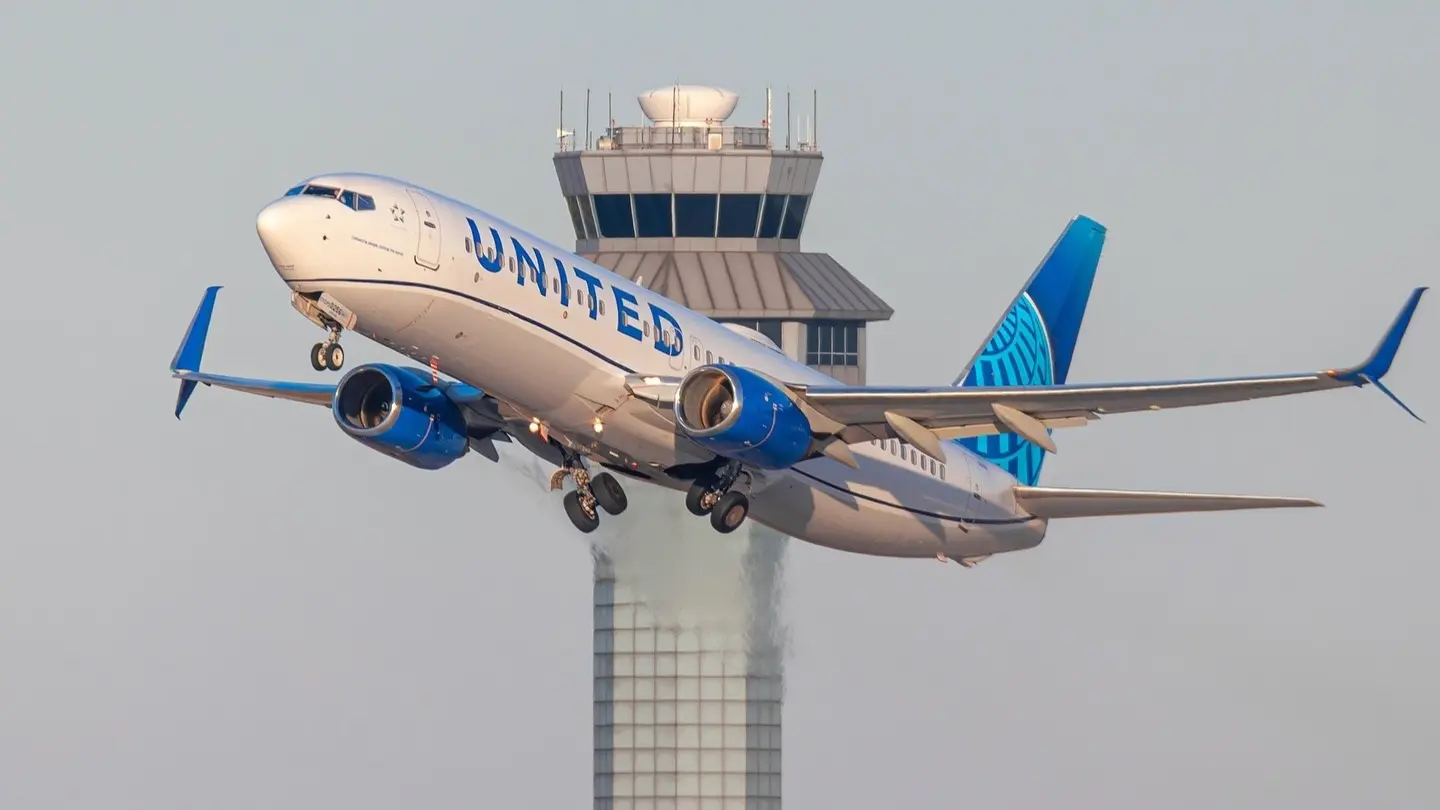
SANTA ANA, CALIFORNIA- A United Airlines (UA) Boeing 737 came dangerously close to a U.S. Army National Guard Sikorsky Black Hawk helicopter on Tuesday evening (March 24, 2026) while approaching John Wayne Airport, Santa Ana (SNA). The Federal Aviation Administration (FAA) has launched a formal investigation into the incident.
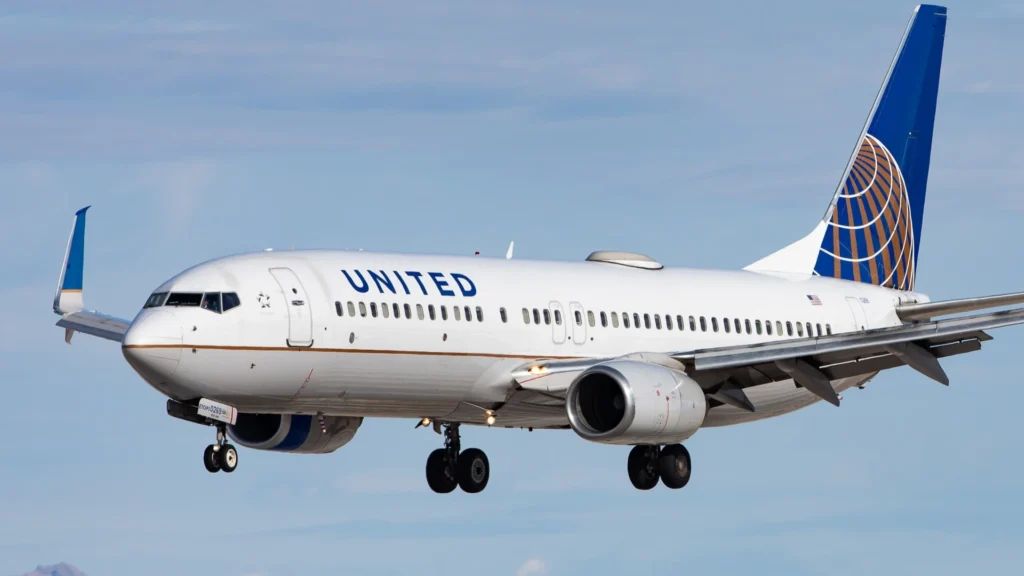
United Airlines Flight 589 was on final approach to SNA at approximately 8:40 p.m. local time when the military helicopter crossed directly in front of the aircraft. The Boeing 737 carried 168 people and had departed from San Francisco International Airport (SFO), ABC News reported.
United 737 and Military Helicopter Close Call
Air traffic controllers had advised the United Airlines pilots about the nearby Sikorsky Black Hawk helicopter before the close call occurred. The pilots spotted the helicopter and simultaneously received a Traffic Collision Avoidance System (TCAS) alert, prompting them to level the aircraft. The flight subsequently landed safely at SNA.
Preliminary radar data from Flightradar24 shows the two aircraft were separated by just 525 feet vertically and approximately 1,422 feet, or 0.27 miles horizontally, at the moment the helicopter crossed the flight path.
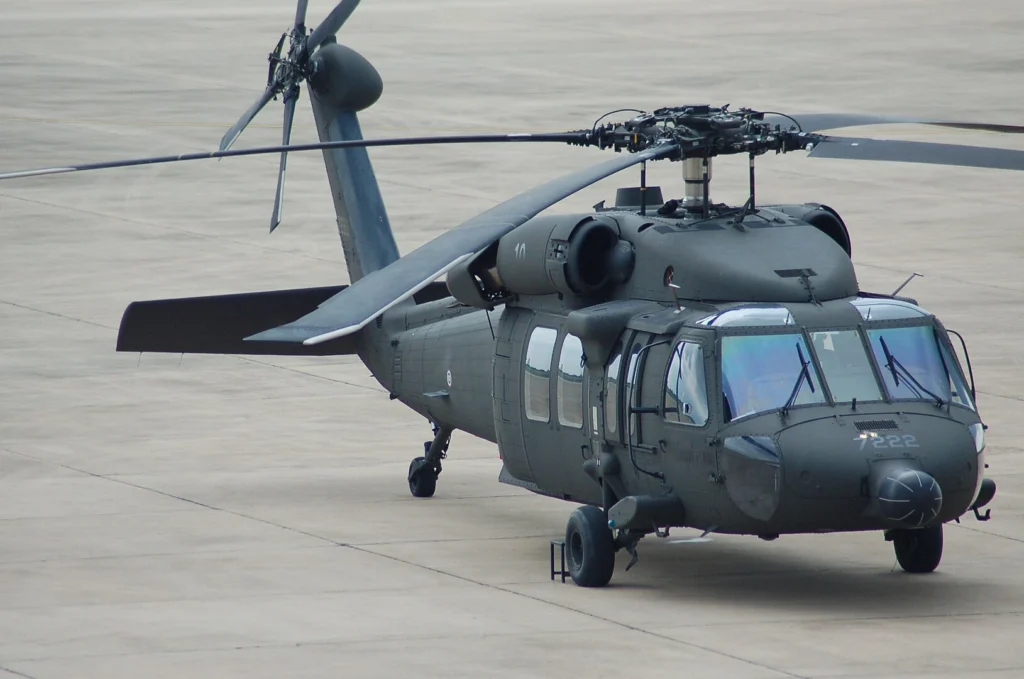
The California National Guard confirmed that an Army National Guard helicopter conducting a routine training mission was involved. The helicopter was returning to Joint Forces Training Base Los Alamitos along an established Visual Flight Rules (VFR) route at an assigned altitude while in communication with air traffic control, and it also landed safely.
The TCAS alert received by the United Airlines crew is the most serious anti-collision warning available to pilots. It delivers specific evasive instructions and requires immediate action to prevent a collision.
FAA Investigates
The FAA confirmed it is investigating the incident, including whether a recently implemented measure suspending the use of visual separation between airplanes and helicopters was properly applied at the time.
The new requirement applies to more than 150 of the nation’s busiest airports. It requires air traffic controllers to use radar to actively maintain specific lateral or vertical distances between aircraft, replacing the earlier practice of visual separation near busy airport corridors where helicopters cross arrival or departure paths.
The National Transportation Safety Board (NTSB) stated it is aware of the incident but has not released additional details at this stage. The California National Guard said a thorough review will be conducted in coordination with the relevant agencies.
A Pattern of Close Calls Raises Aviation Safety Concerns
This near-miss at John Wayne Airport (SNA) is the latest in a growing series of aircraft proximity incidents across the United States.
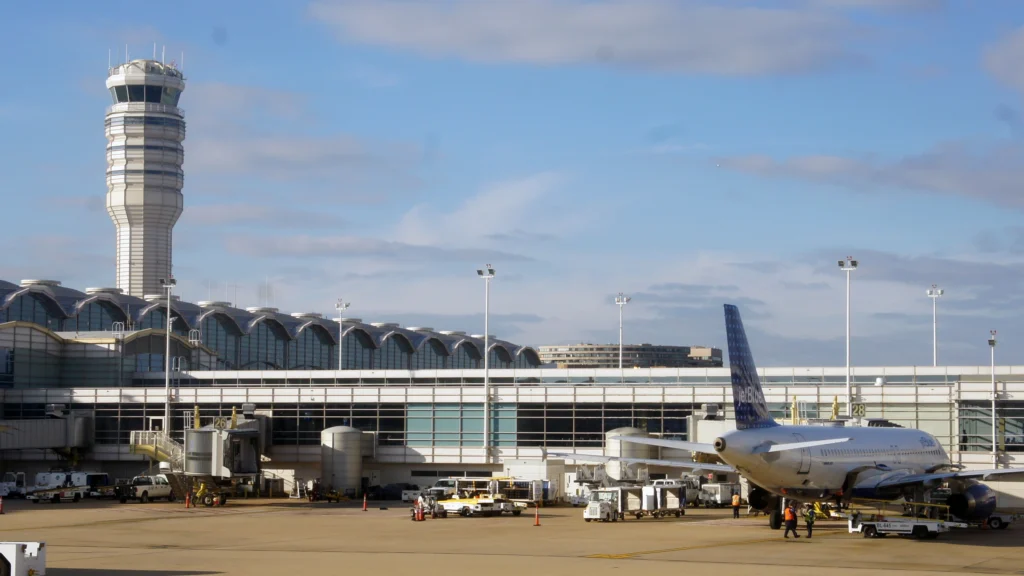
The close call follows a broader pattern of incidents involving helicopters and commercial passenger jets that the FAA has been working to address since a U.S. Army Black Hawk collided with an American Airlines (AA) regional jet near Washington, D.C., killing 67 people.
The NTSB determined that the probable cause of that fatal Reagan National Airport (DCA) crash was a series of systemic failures within the FAA, and ruled it 100% preventable. The FAA implemented the new visual separation suspension measure in the aftermath of that disaster.
Separately, a close call earlier in March between a twin-engine Beechcraft 99 and a helicopter at Hollywood Burbank Airport (BUR) was cited by federal authorities as a key factor behind the rollout of the new airport safety measure.
Additionally, an American Airlines (AA) flight at San Antonio International Airport (SAT) was also referenced, where a police helicopter had to make a turn to avoid converging with the commercial jet.
Stay tuned with us. Further, follow us on social media for the latest updates.
Join us on Telegram Group for the Latest Aviation Updates. Subsequently, follow us on Google News
