

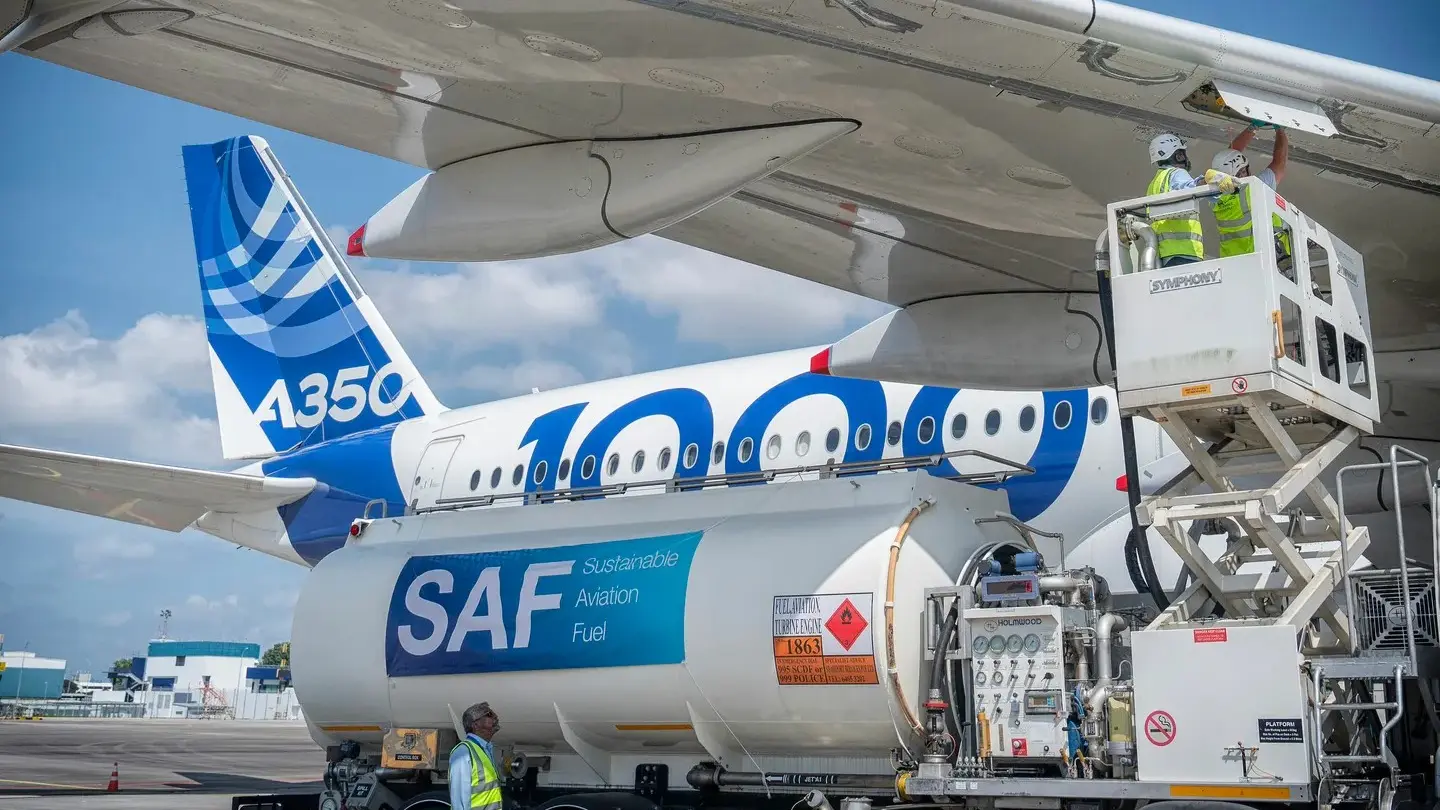
SINGAPORE- Singapore has postponed the rollout of its sustainable aviation fuel (SAF) levy, citing ongoing geopolitical tensions in the Middle East and their impact on airlines and passengers. The decision affects operations at Singapore Airlines (SQ) and departures from Singapore Changi Airport (SIN), one of Asia’s busiest aviation hubs.
The Civil Aviation Authority of Singapore (CAAS) confirmed that the delay reflects a cautious approach to rising cost pressures in the aviation sector. While the policy remains unchanged in structure, its timeline has been adjusted to reduce immediate financial strain on the industry.
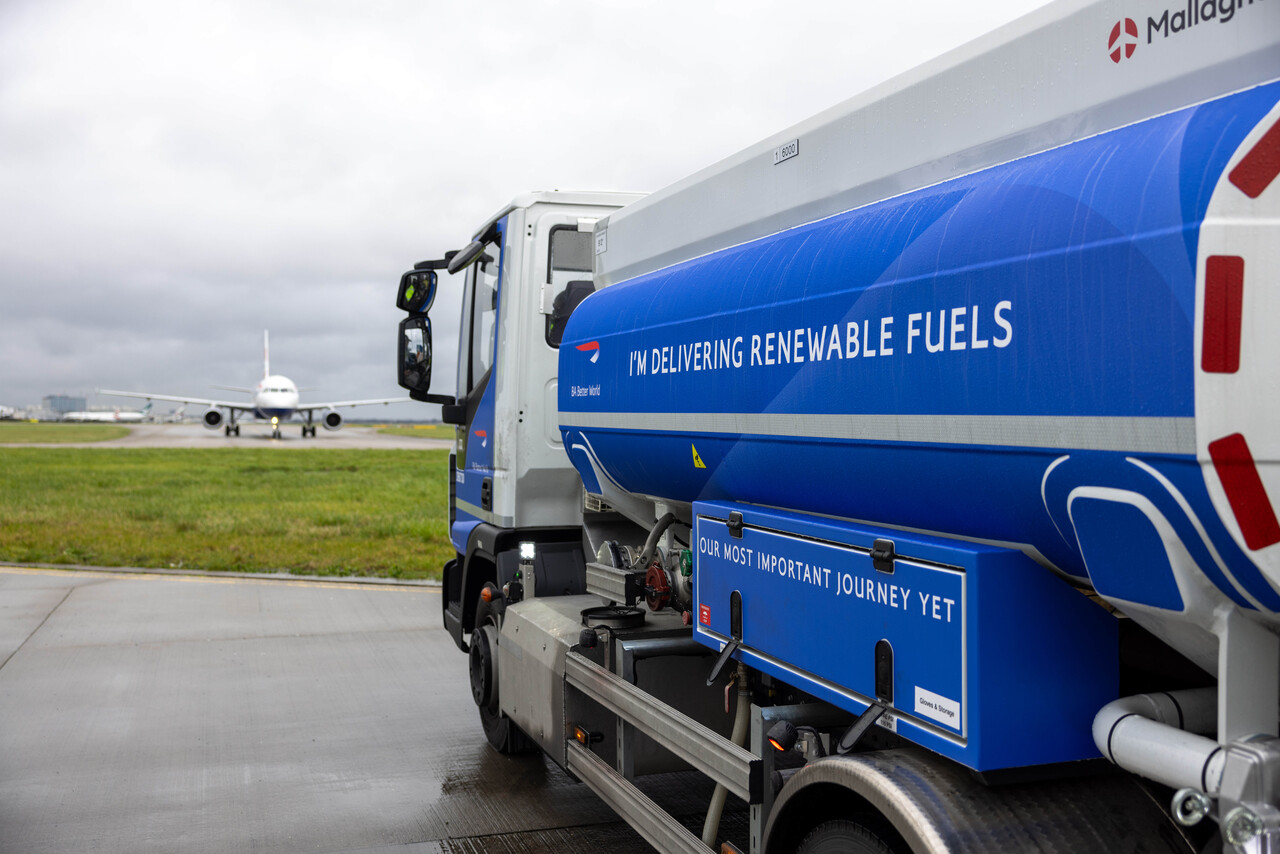
SAF Levy Delay in Singapore
The SAF levy was originally scheduled to apply to tickets sold from April 2026 for flights departing in October 2026. Under the revised timeline, the levy will now be implemented on tickets sold from October 2026, covering flights departing from January 2027.
This deferment applies to all outbound flights from Singapore, including commercial passenger services, cargo operations, and business aviation. Authorities emphasized that the levy rates will remain unchanged when enforcement begins.
For passengers, the charges will vary based on travel class and destination. Economy passengers flying within Southeast Asia will pay a modest fee, while long-haul routes such as those to the United States will attract higher levies, especially in premium cabins.

Singapore’s Sustainability Target Shifts
Alongside the levy delay, Singapore has also pushed back its sustainable aviation fuel adoption timeline. The initial goal of achieving a 1 percent SAF uplift will now be delayed by one year, reflecting the need for flexibility in a volatile global environment.
Despite this adjustment, Singapore remains committed to increasing SAF usage to between 3 and 5 percent by 2030, reported Flight Global. This target depends on factors such as global supply, cost stability, and broader industry adoption.
Officials highlighted that SAF availability remains limited and expensive, making gradual implementation essential. The revised timeline ensures that sustainability goals align with operational and economic realities.

Industry Response
Singapore’s aviation ecosystem continues to support sustainability initiatives despite the delay. A voluntary SAF procurement trial announced earlier will proceed as planned, involving key stakeholders across the aviation and financial sectors.
Participants in the trial include Singapore Airlines, its low-cost subsidiary Scoot, Changi Airport Group, and major financial institutions. The initiative aims to test procurement processes, cost-sharing models, and operational frameworks for large-scale SAF adoption.
Authorities described the trial as a critical step toward building a scalable SAF ecosystem. It will provide insights into supply chains and commercial viability, which are essential for long-term implementation.
The CAAS reiterated that the delay is a temporary adjustment rather than a policy reversal. Officials stated that Singapore remains firmly committed to aviation decarbonization while balancing economic stability.
Stay tuned with us. Further, follow us on social media for the latest updates.
Join us on Telegram Group for the Latest Aviation Updates. Subsequently, follow us on Google News
