

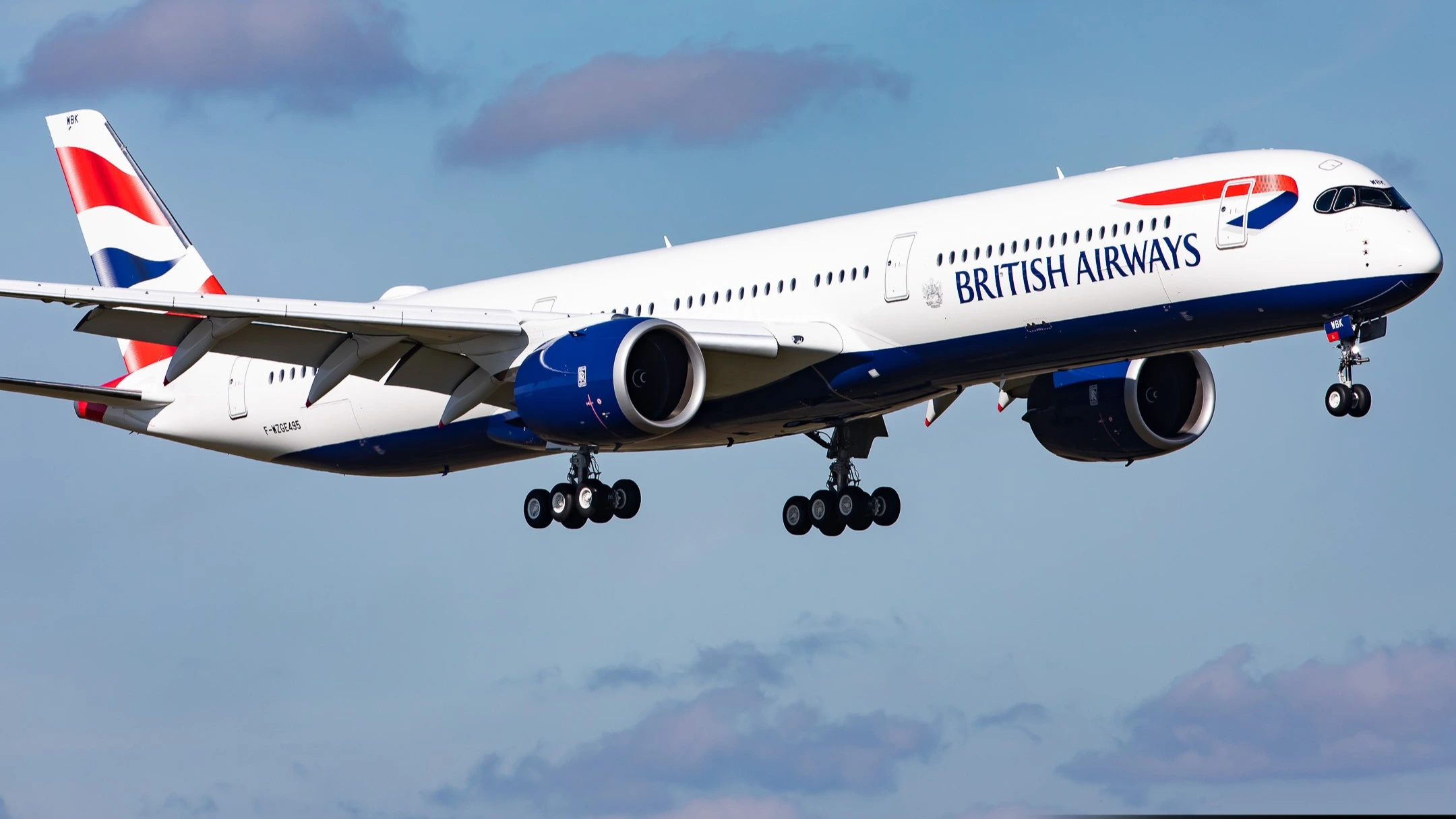
LONDON- British Airways (BA) is proposing a new incentive scheme that rewards pilots for reducing fuel consumption and carbon emissions. The plan offers up to 1% of basic salary if collective emission targets are achieved.
The initiative, developed in collaboration with British Airline Pilots’ Association (BALPA), aims to reduce emissions by 60,000 tonnes above 2025 levels. The program is expected to begin next year, subject to approval through a union vote.
British Airways Fuel Cuts in Emission Plan
British Airways has outlined a performance-based incentive tied to measurable emission reductions.
According to a document seen by Bloomberg, pilots must collectively achieve the targeted reduction in carbon dioxide emissions to unlock the bonus payout.
The proposal has been under discussion for several months and is scheduled for a vote among BALPA members at the end of April.
BALPA represents around 85% of pilots in the UK, making the outcome significant for implementation.
The plan focuses on improving day-to-day flight operations to lower fuel burn. Suggested measures include optimized taxiing procedures and better management of additional fuel loads carried on aircraft.
The internal document states, “Flight crew decisions have a direct and measurable impact on fuel burn and emissions.”
It further adds that incentives will only apply when efficiency improvements align with uncompromised safety and sound airmanship.
Industry Cost Pressures and Market Conditions
The proposal comes as airlines face rising operational costs due to increasing oil prices. Crude oil has surged above $100 per barrel amid the ongoing conflict involving Iran, adding pressure on global carriers.
According to The Times of India, several airlines have responded by introducing fuel surcharges and, in some cases, canceling flights.
European carriers have also indicated that higher operational costs may be passed on to passengers through increased fares.
Sustainability Goals and Policy Alignment
Like many global airlines, British Airways is working toward carbon neutrality through investments in sustainable aviation fuel, carbon offset programs, and more fuel-efficient aircraft.
The UK government has mandated that sustainable aviation fuel must account for 3.6% of total jet fuel demand this year.
This requirement supports the broader national objective of achieving net-zero emissions by 2050.
Stay tuned with us. Further, follow us on social media for the latest updates.
Join us on Telegram Group for the Latest Aviation Updates. Subsequently, follow us on Google News
