

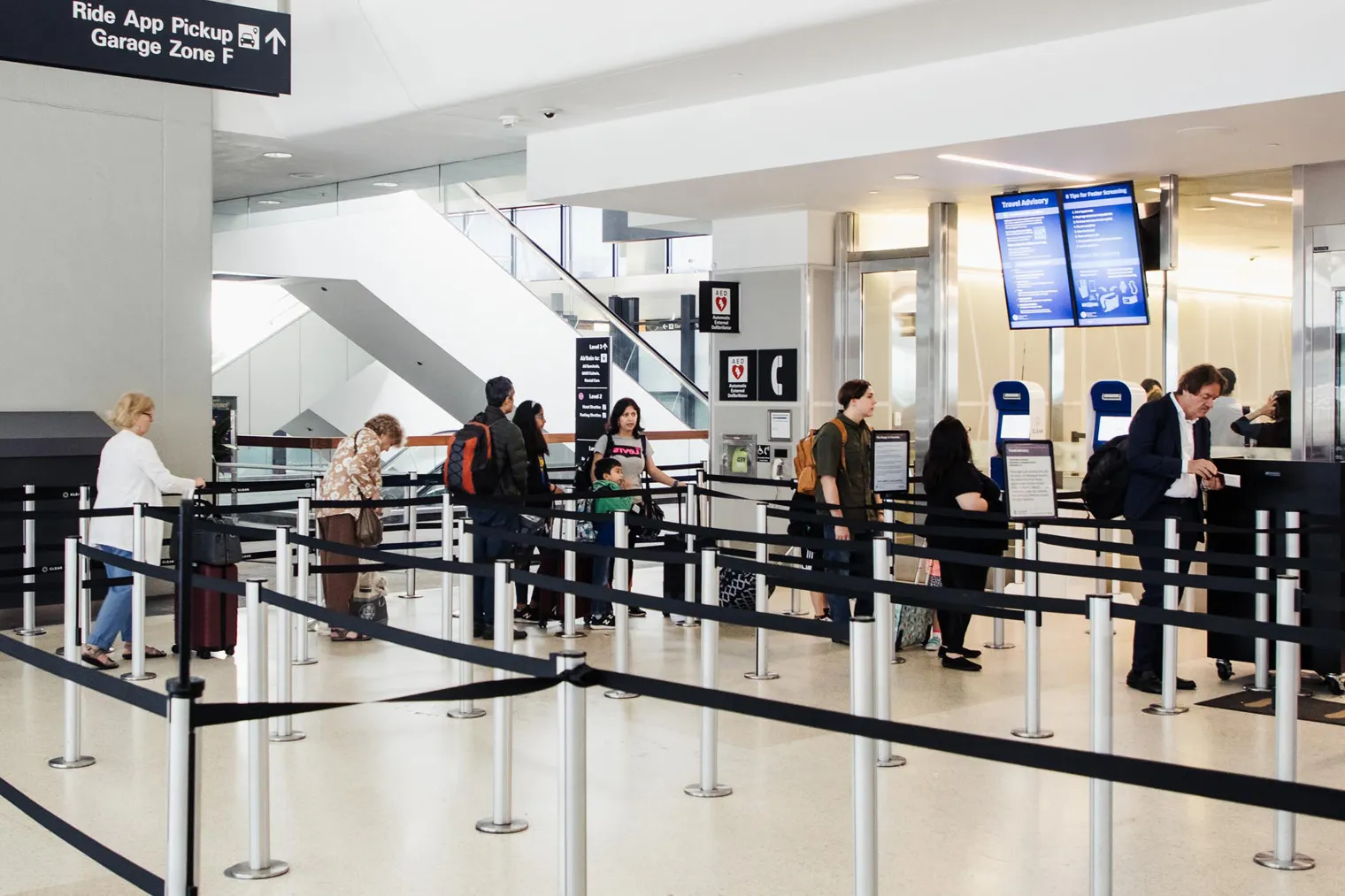
ATLANTA- A freelance “line-sitting” service is charging travelers $600 to $1,200 to hold spots in airport security queues. The model targets long TSA waits and time-sensitive passengers.
The service operates at Louis Armstrong New Orleans International Airport (MSY), George Bush Intercontinental Airport (IAH), and Hartsfield-Jackson Atlanta International Airport (ATL), where delays and staffing constraints have increased wait times.
A New Way to Bypass Airport Security Lines
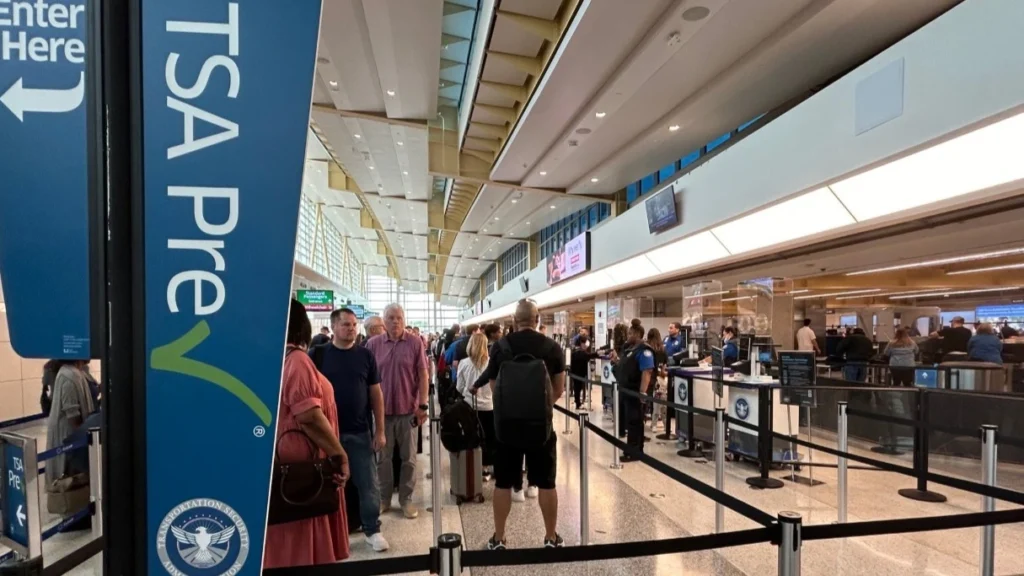
A private individual has launched a service that offers to stand in TSA security lines on behalf of travelers. The process is simple.
The line-sitter waits in the queue, then alerts the traveler when approaching the screening checkpoint. The traveler arrives and takes the spot before ID verification.
Prices vary by airport. The service lists $600 at New Orleans (MSY), $800 at Houston Intercontinental (IAH), and $1,200 at Atlanta (ATL). Payments are required in advance, with at least one week’s notice. The offer includes handling up to two pieces of luggage.
The concept targets travelers who value time over cost. It also reflects rising frustration with inconsistent TSA wait times, especially during peak travel days such as Sundays and Mondays, View from the Wing reported.
Existing Fast-Track Options Already Available
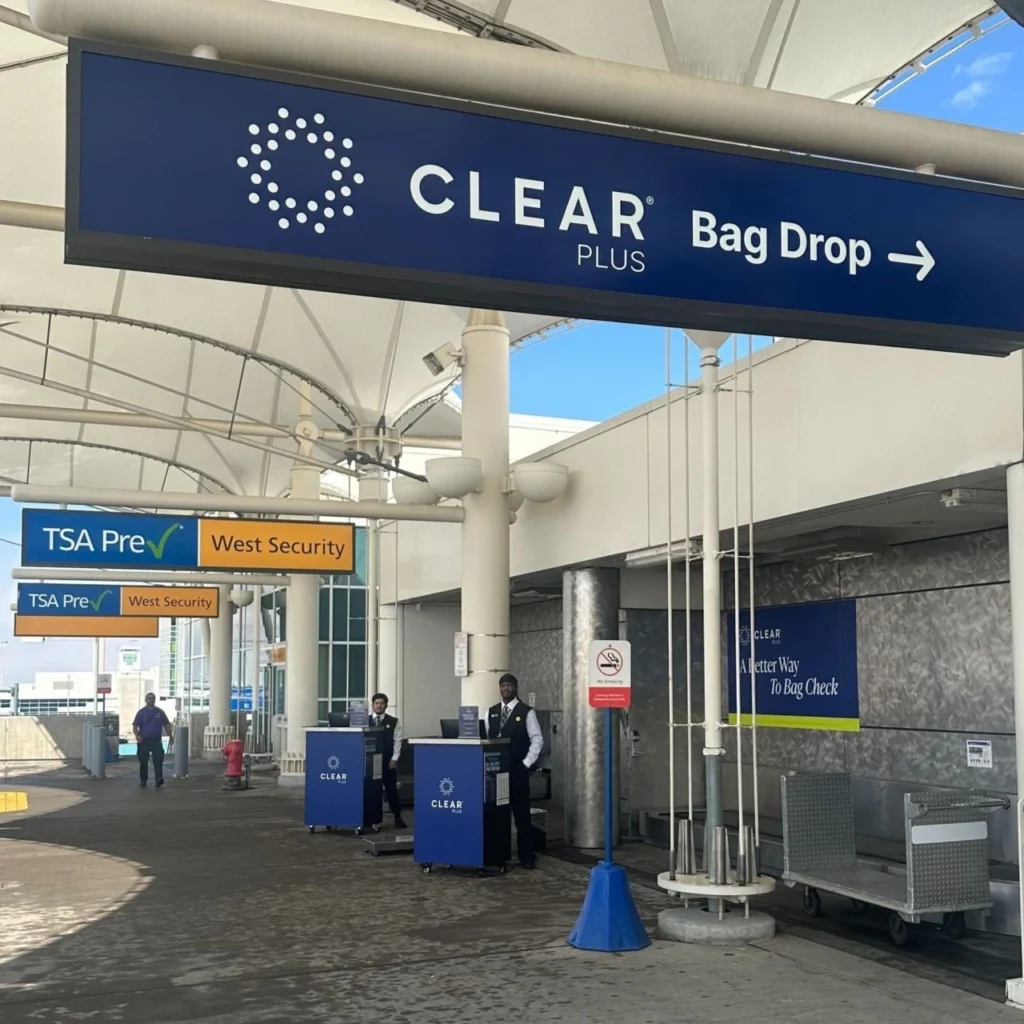
Airports and federal programs already provide paid and free options to reduce wait times. CLEAR offers biometric identity verification that allows members to skip parts of the queue. TSA PreCheck provides expedited screening for approved travelers.
CLEAR Concierge, available at select airports like Atlanta (ATL) and Houston (IAH), adds a premium layer. It includes escort services through the airport, starting at $99 per use, though it requires a CLEAR+ membership.
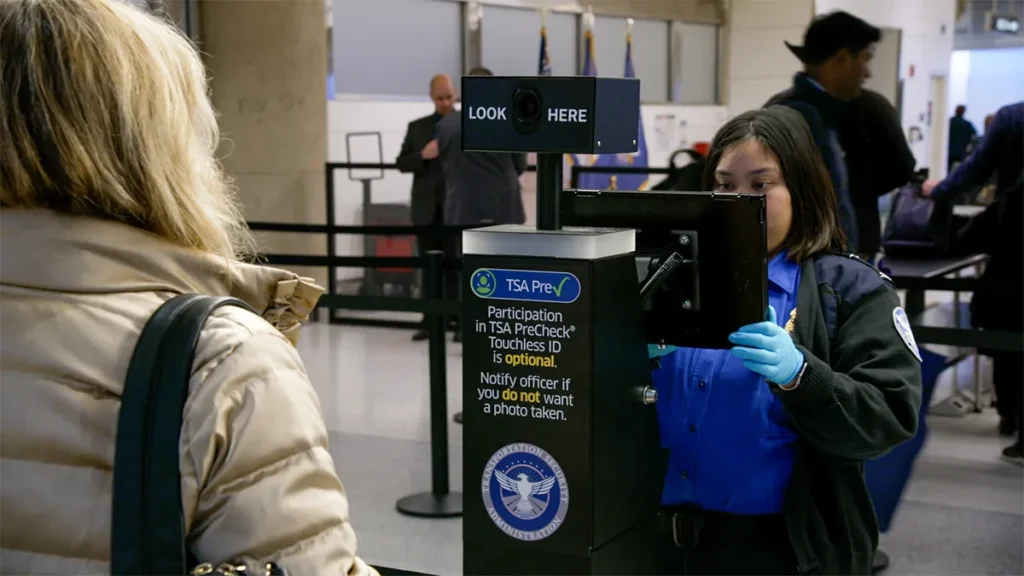
TSA has also introduced Touchless ID at some locations. This system uses facial recognition for PreCheck passengers, often resulting in shorter lines due to limited adoption.
Legal and Regulatory Considerations
The service operates in a gray area. Federal rules require the actual traveler to be present during ID verification, which this model respects by switching positions before that point.
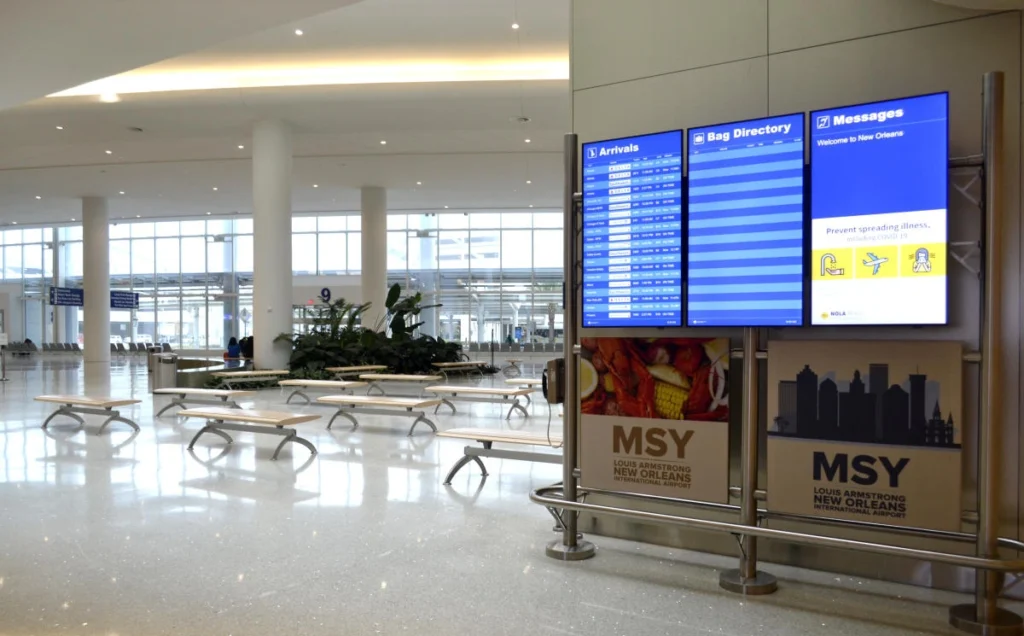
However, airport-specific regulations may prohibit such activities. For example, Louis Armstrong New Orleans International Airport (MSY) requires written authorization for any commercial activity conducted on airport property. Similar rules may apply at other airports.
Enforcement varies, and there is no clear federal prohibition against holding a place in line. Still, airports retain authority over commercial conduct within their premises.
Traveler Sentiment and Industry Context
Public reaction remains divided. Some view the service as a practical workaround for inefficient systems. Others argue it undermines fairness in already crowded queues.
Premium security programs like CLEAR and TSA PreCheck initially faced similar criticism. Over time, they gained acceptance as standard travel tools, especially among frequent flyers.
The emergence of informal alternatives highlights a broader issue. Travelers are willing to pay for predictability, not just speed. Inconsistent wait times create demand for solutions that guarantee smoother airport experiences.
Stay tuned with us. Further, follow us on social media for the latest updates.
Join us on Telegram Group for the Latest Aviation Updates. Subsequently, follow us on Google News
