

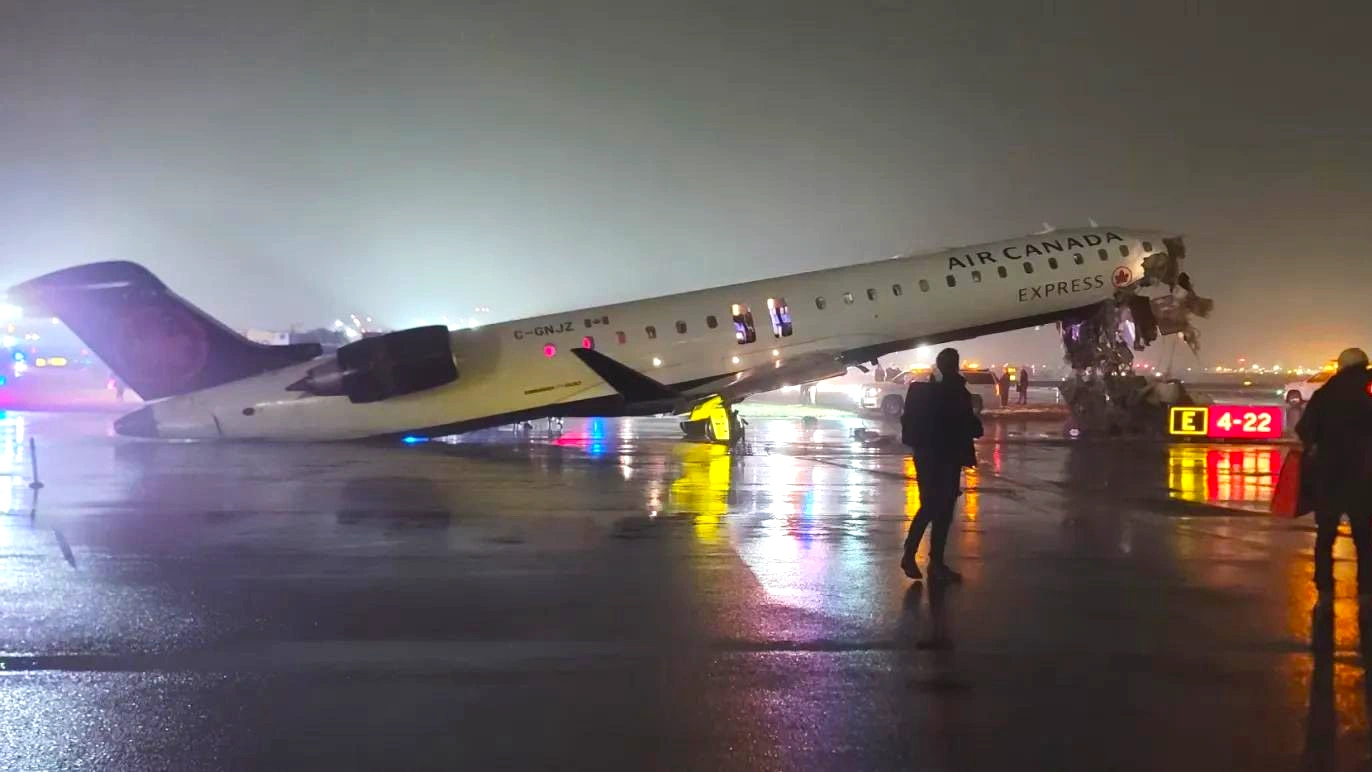
NEW YORK— Investigators in the United States have recovered crucial flight recorders from an Air Canada Express (AC) MHIRJ CRJ900 following a fatal ground collision at New York LaGuardia Airport (LGA). The accident occurred late on March 22 and involved a firefighting vehicle crossing an active runway.
The incident has forced authorities to shut down runway 4 at LaGuardia, with officials warning that operations may remain disrupted for several days. Recovery teams continue to assess widespread debris and safety risks across the affected area.
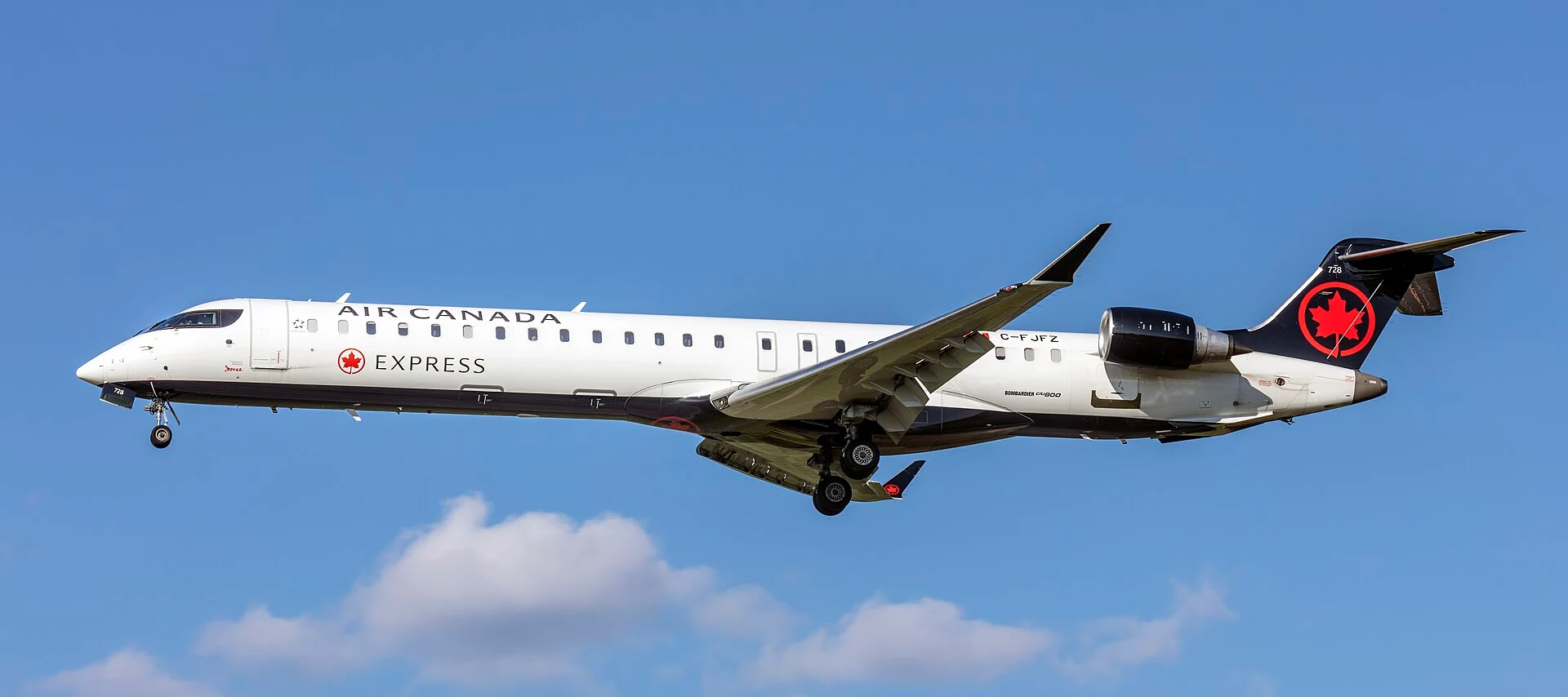
Air Canada’s Recorder Recovery Update
The National Transportation Safety Board (NTSB) confirmed that both the cockpit voice recorder and flight data recorder have been successfully retrieved. Emergency crews had to cut through the aircraft’s structure to access the devices due to the jet’s unusual resting position.
Preliminary checks show that the cockpit voice recorder is intact and usable. Meanwhile, specialists are still evaluating the condition of the flight data recorder at the NTSB laboratory in Washington, DC.
Investigators expect these devices to provide key insights into the sequence of events. Data from airport surface radar systems will also support efforts to reconstruct the collision.
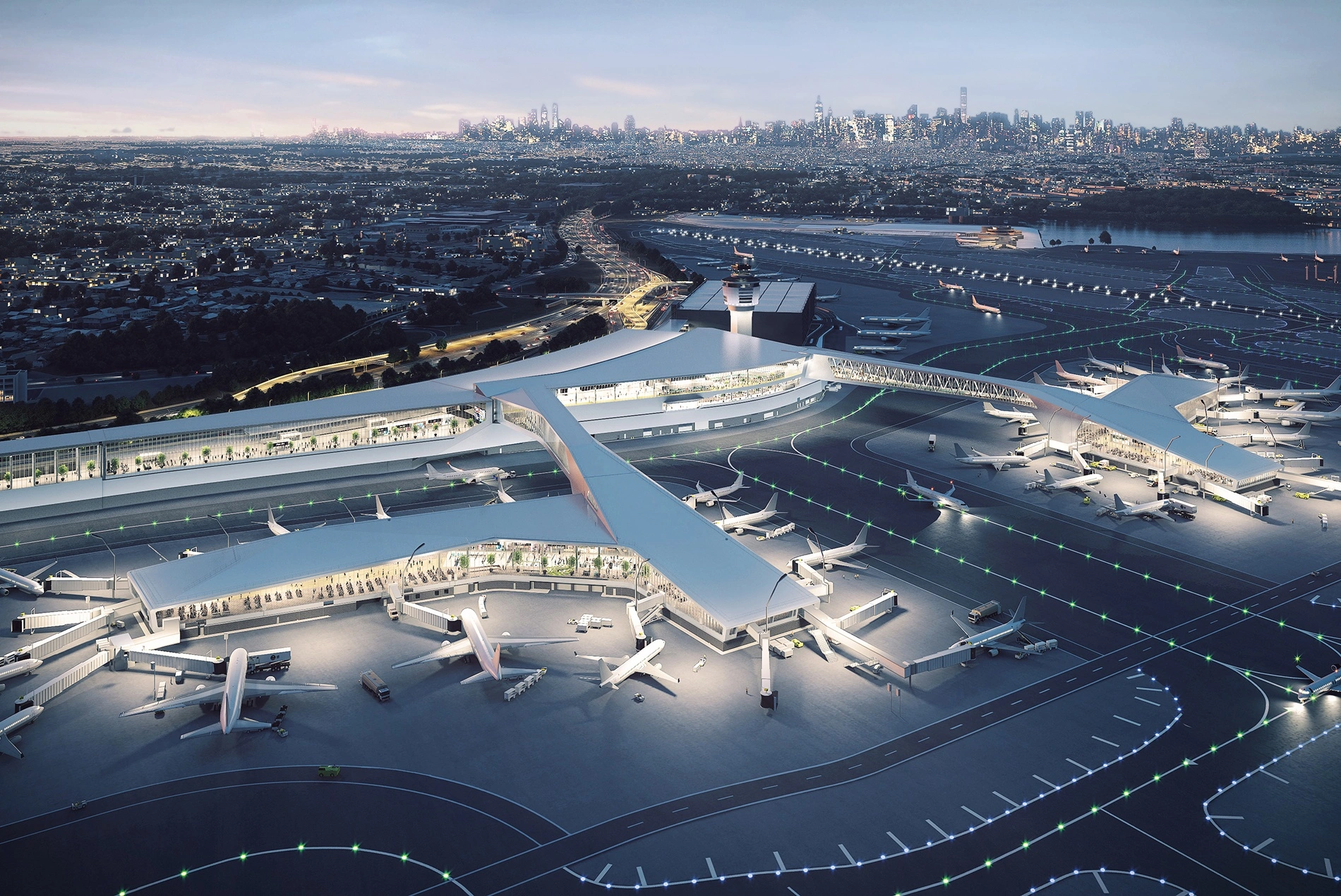
LaGuardia’s Runway Closure Impact
Runway 4 and several adjacent taxiways remain closed as investigators secure and analyze the site. Officials report a large debris field scattered across the runway and taxiway D, complicating recovery and cleanup operations.
Authorities have also raised concerns about potential hazardous materials from the firefighting vehicle. These risks require careful handling before any reopening can take place.
The prolonged closure is expected to affect flight schedules and airport capacity. Airlines and passengers may face delays as operations adjust to the restricted infrastructure.
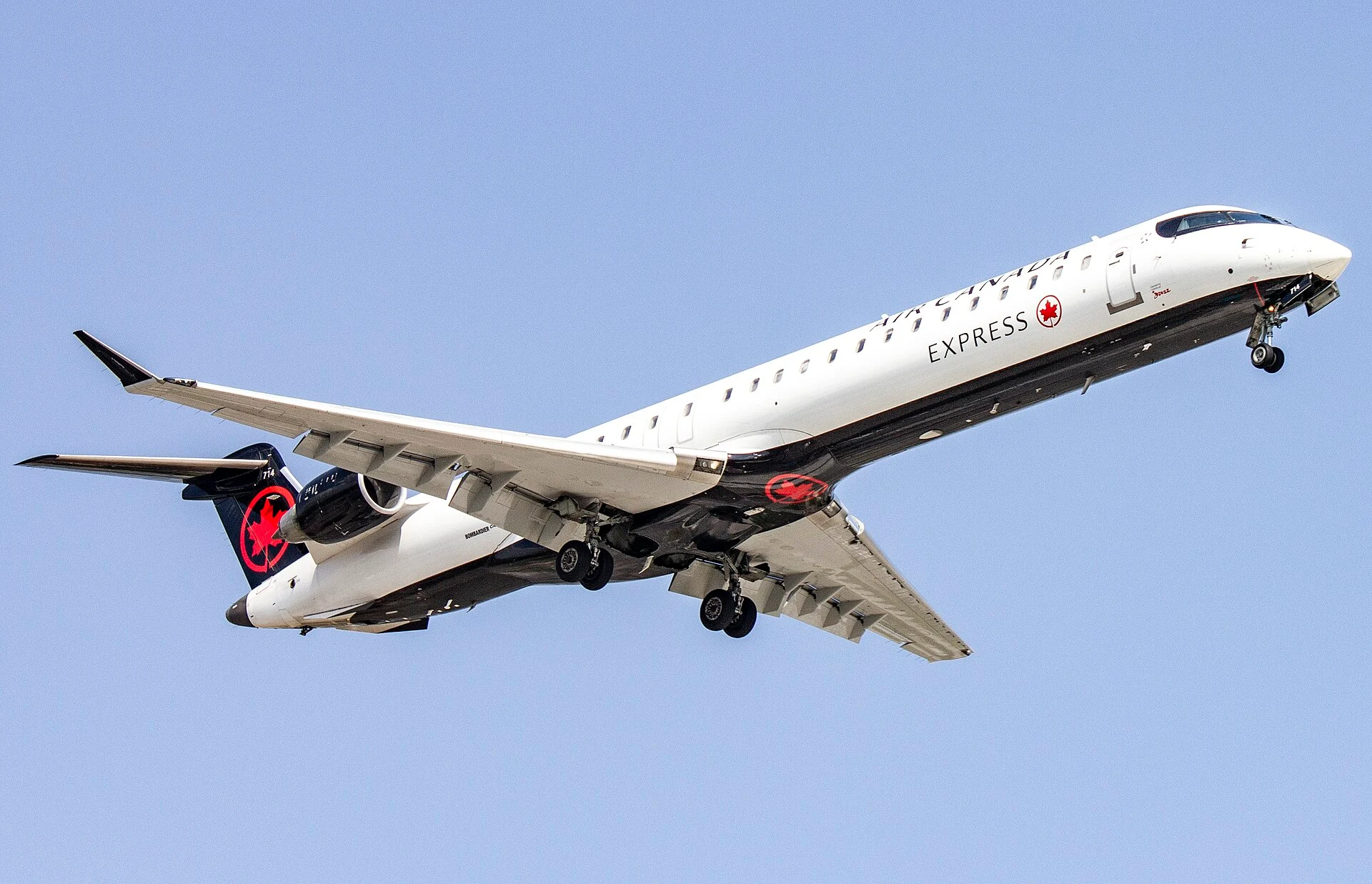
Collision Investigation Details
According to Flight Global, the collision occurred at 23:37 when a firefighting vehicle entered runway 4 at taxiway D.
The vehicle had been responding to a United Airlines (UA) aircraft that aborted its takeoff on a separate runway.
The CRJ900’s cockpit sustained severe impact damage, resulting in the deaths of both pilots. The force of the collision caused the aircraft to tip backward onto its tail.
Weather conditions at the time included fog and mist, reducing visibility to approximately 3.5 nautical miles. Investigators are also reviewing air traffic control operations, including staffing and communication procedures.
Officials emphasize that the investigation remains in its early stages. The NTSB continues to collect and verify data before releasing confirmed findings.
Stay tuned with us. Further, follow us on social media for the latest updates.
Join us on Telegram Group for the Latest Aviation Updates. Subsequently, follow us on Google News
