

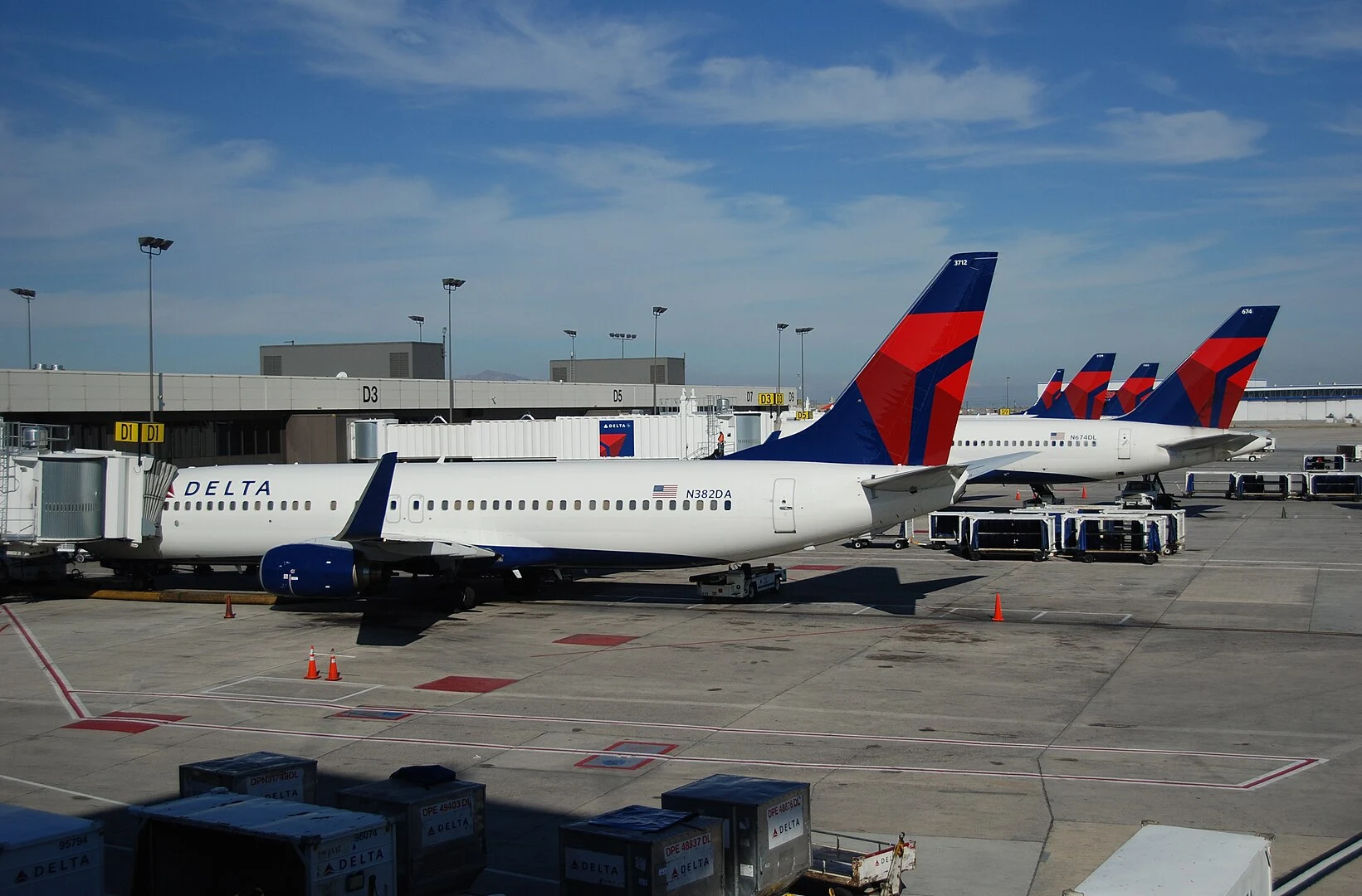
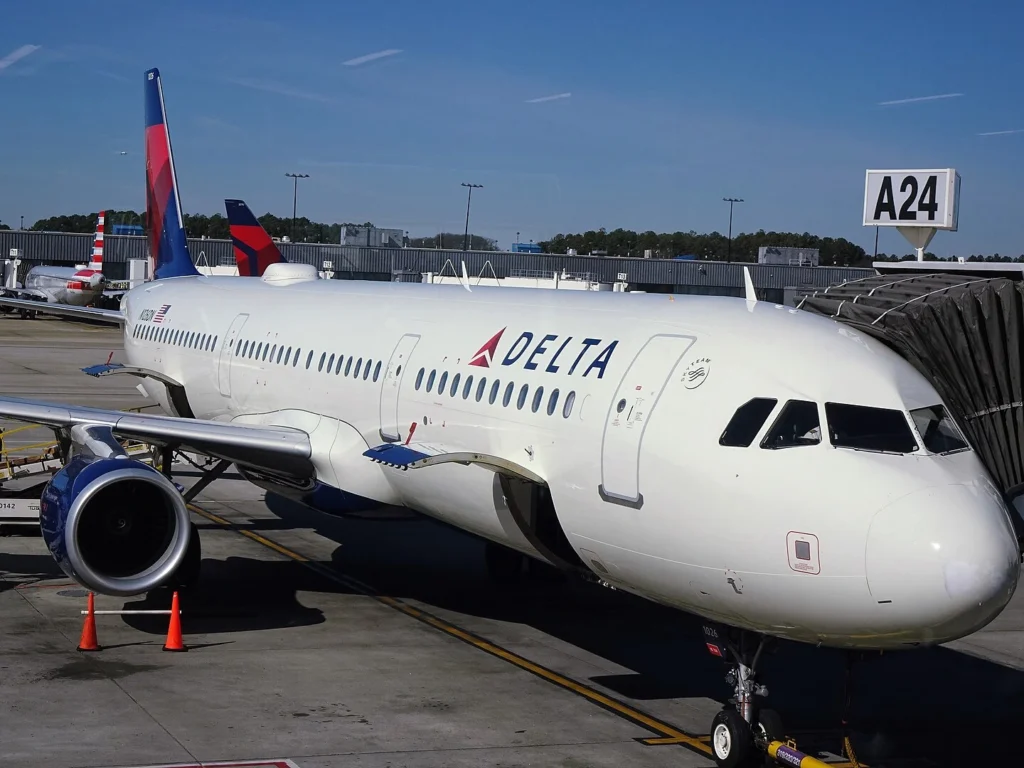
PHOENIX- Delta Air Lines (DL) is expanding its Austin footprint with a new Austin–Phoenix route, increasing pressure on American Airlines (AA). The move targets key business and leisure demand while strengthening Delta’s network strategy.
The new service will connect Austin-Bergstrom International Airport (AUS) with Phoenix Sky Harbor International Airport (PHX), placing Delta in direct competition with American Airlines and Southwest Airlines (WN) on a busy corridor.
Delta Expands Austin Network With Phoenix Route
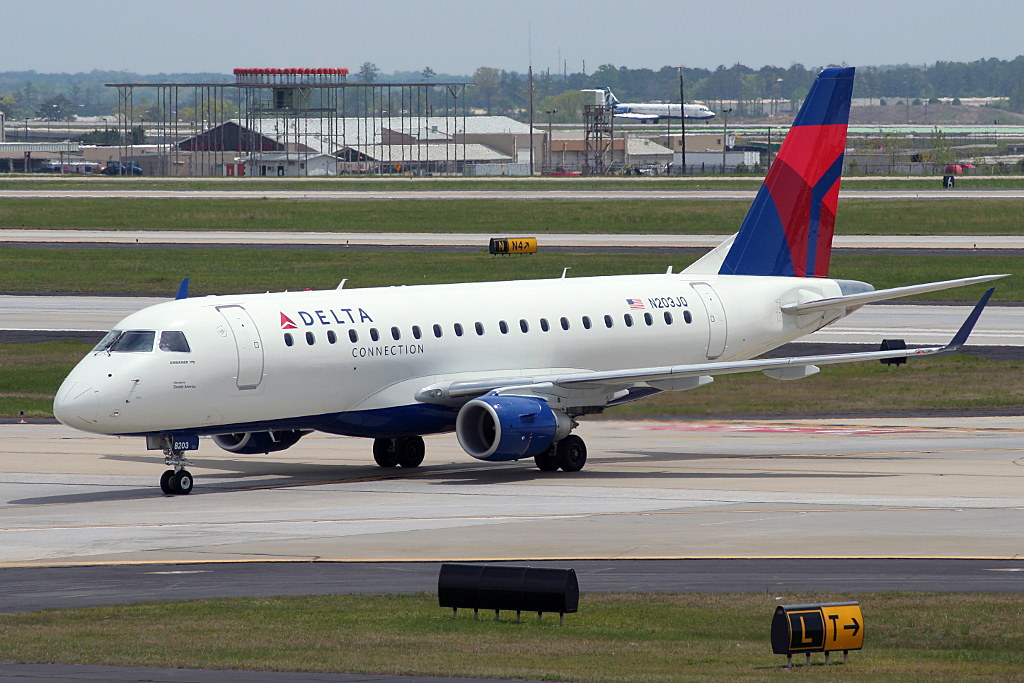
Delta will launch twice-daily nonstop flights between Austin (AUS) and Phoenix (PHX) starting November 9, 2026. The route will be operated by Delta Connection using Embraer 175 aircraft, offering a balanced mix of premium and regional capacity.
This expansion is not driven by underserved demand. Phoenix is already a competitive market with American Airlines, Southwest Airlines, and Frontier Airlines (F9) operating on the route. Delta’s strategy is to retain customer loyalty within its ecosystem by offering more nonstop options from Austin.
The route also strengthens links between two growing semiconductor hubs. Austin hosts major Samsung operations, while Phoenix is home to TSMC facilities. This adds a strong business travel component alongside leisure demand tied to Arizona’s tourism appeal.
Competitive Pressure Builds on American Airlines
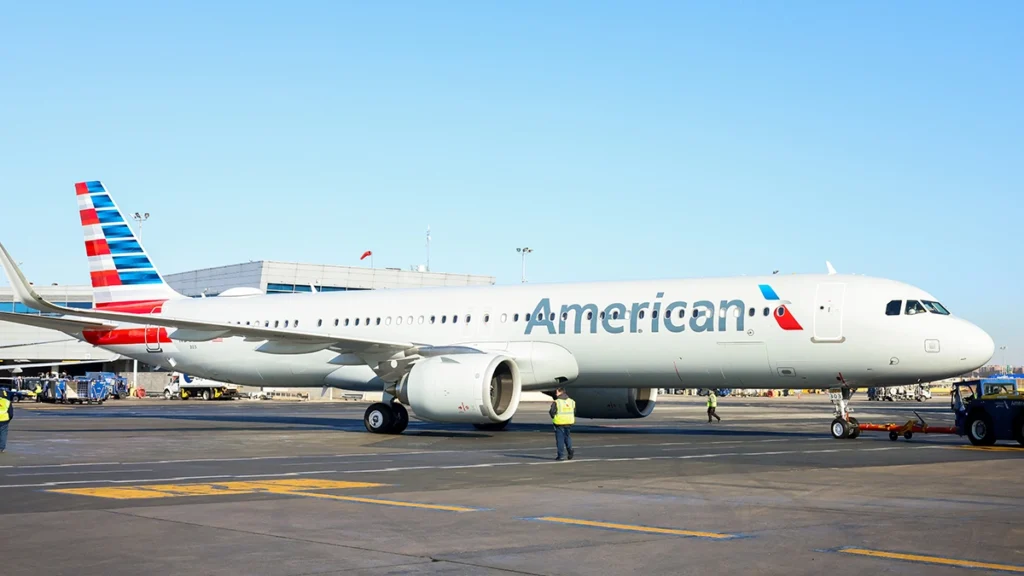
Delta’s Austin growth places direct pressure on American Airlines, which maintains a hub in Phoenix and a strong presence in Miami (MIA). Delta previously entered the Austin–Miami market, signaling a broader competitive strategy against American’s core hubs.
American Airlines has reduced its Austin expansion pace in recent years, limiting its ability to respond quickly. At the same time, the airline is managing competitive challenges from United Airlines (UA) in Chicago, stretching its network focus.
With Delta now targeting both Miami and Phoenix routes from Austin, American faces a dual competitive front. Although American plans to expand its Austin operations in the future, Delta’s early moves are shaping customer loyalty in the market.
Broader Network Growth From Austin
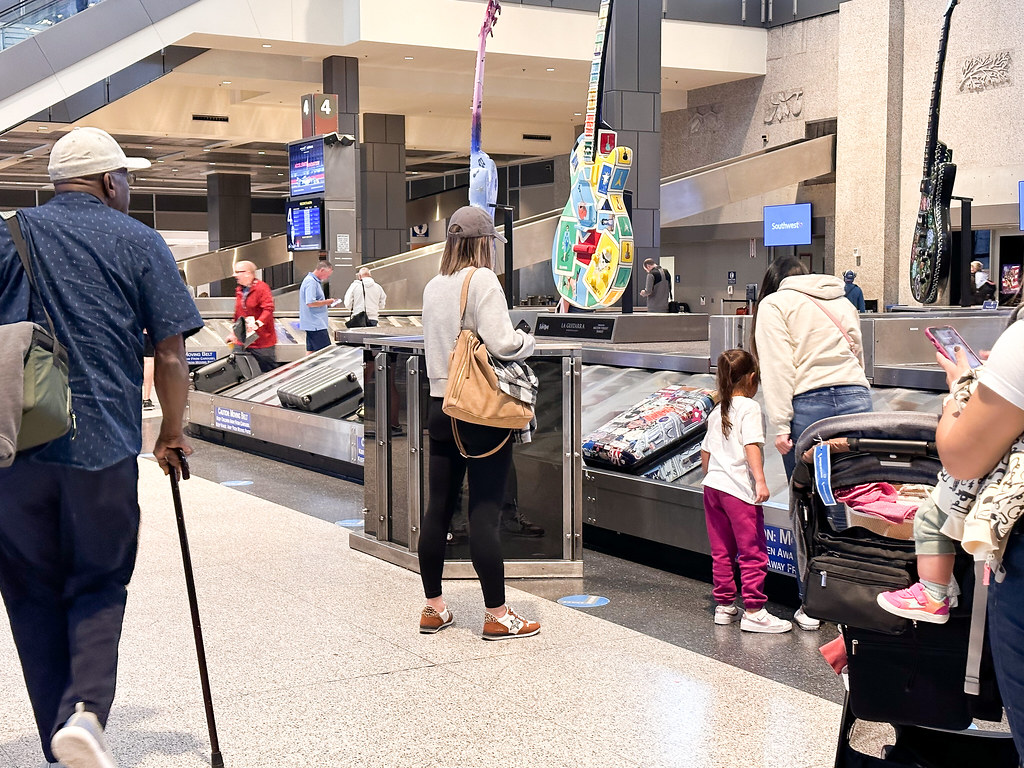
Delta continues to scale operations at Austin-Bergstrom International Airport (AUS), positioning itself as a leading global carrier at the airport. By summer 2026, the airline will operate 63 peak-day departures, with plans to serve 30 destinations by year-end.
New routes being added in 2026 include Asheville (AVL), Columbus (CMH), Kalispell (FCA), and Kansas City (MCI). Delta has also launched international service to Cancun (CUN) and Cabo San Lucas (SJD), expanding leisure travel options.
The airline will also extend its Austin–Bozeman (BZN) service into the winter season. Initially launched as a summer route, it will transition to daily winter service from December 19, 2026, through March 28, 2027, supporting demand for ski travel to Montana.
Infrastructure and Long-Term Strategy
Delta’s investment in Austin goes beyond route additions. The airline has established a flight attendant base and plans to scale up to as many as 150 daily departures over time.
At the airport, Delta is expected to secure 15 preferential-use gates in the upcoming concourse expansion, along with 30 ticketing positions. The airline also operates a high-performing Delta Sky Club at AUS, consistently ranking among the top lounges in the region.
Additionally, Delta is exploring long-haul opportunities, including a potential nonstop route to Seoul (ICN), which would further elevate Austin’s international connectivity.
Why Phoenix Fits Delta’s Strategy
Phoenix plays a strategic role in Delta’s network despite strong competition. The city offers high passenger demand, strong corporate travel flows, and connectivity to leisure destinations such as Scottsdale and Sedona.
By entering this route, Delta ensures its Austin customers remain within its network rather than shifting to competitors. This approach aligns with Delta’s broader focus on customer retention and premium product integration, including future lounge investments.
Austin Travel Guide
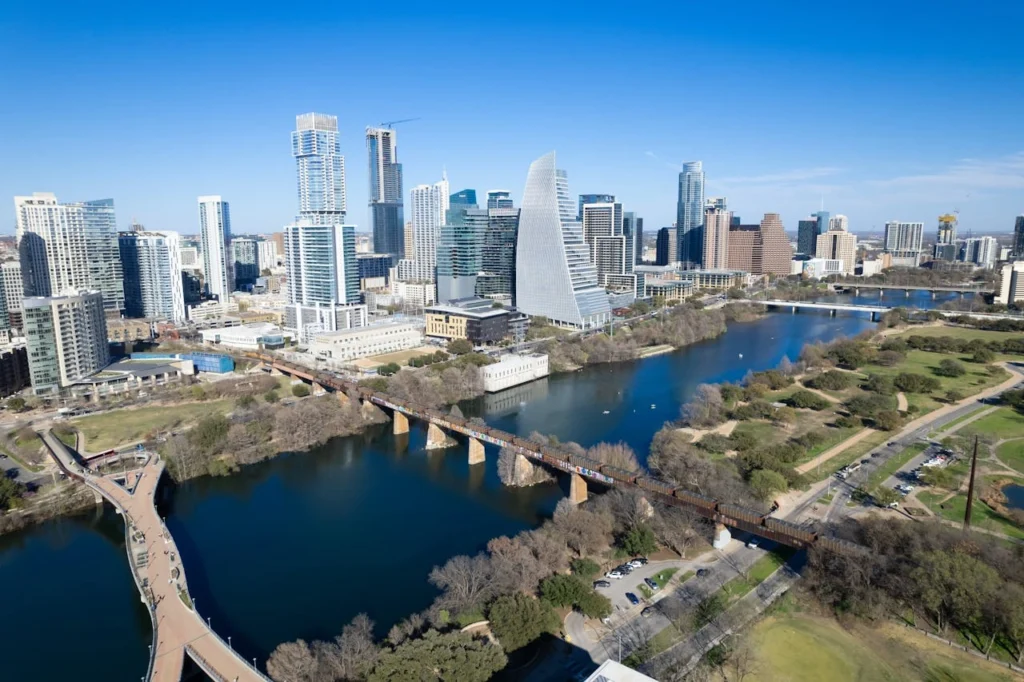
Austin stands out as one of the most dynamic cities in the United States, known for live music, food culture, and outdoor life. Rapid growth has turned it into a hub for startups, creatives, and travelers alike.
The city blends Texas traditions with modern energy, offering everything from BBQ joints and festivals to lakes, trails, and cultural landmarks.
Exploring Austin’s Culture, Food, and Outdoor Scene
Austin’s identity revolves around its music, food, and accessible outdoor lifestyle. The city hosts major events like SXSW in March and Austin City Limits in October, drawing hundreds of thousands of visitors. Live music is constant, especially along 6th Street, where venues and bars feature performances daily.
Food plays a central role in Austin’s appeal. The city is nationally recognized for barbecue, with Franklin Barbecue and La Barbecue often cited among the best in Texas. Food trucks serve affordable tacos and street food across neighborhoods, while craft breweries offer tours and tastings that highlight the city’s growing beer scene.
Outdoor recreation is equally important. Zilker Park serves as a central gathering space for hiking, biking, and kayaking. Barton Springs Pool, fed by natural spring water, provides relief from extreme summer heat. Lady Bird Lake offers kayaking and paddleboarding, with a 10-mile trail that attracts both locals and visitors.
Top Attractions and Experiences
Austin offers a mix of cultural landmarks and unique local attractions. The Texas State Capitol, completed in 1888, provides free guided tours and remains one of the largest state capitol buildings in the country. The LBJ Presidential Library presents detailed exhibits on Lyndon B. Johnson’s presidency and historical impact.
For unconventional experiences, the Cathedral of Junk and the Museum of the Weird reflect Austin’s creative and eccentric side. Visitors can also watch over one million bats emerge from Congress Avenue Bridge at dusk, a seasonal event that has become a defining local attraction.

Neighborhoods, Nightlife, and Events
Austin’s nightlife varies by district. Rainey Street features converted houses turned into bars, while 6th Street remains the center for affordable drinks and live music. South Congress hosts monthly First Thursday events, combining live performances, local vendors, and extended shopping hours.
Two-stepping, a traditional Texas dance, remains popular at venues like The White Horse and Broken Spoke. These spaces offer beginner-friendly sessions, making them accessible to visitors.
Costs, Budgeting, and Travel Planning
Austin remains more affordable than many major US cities, though prices have increased with demand. Budget travelers can expect daily costs of around 65 USD, covering hostel stays and basic expenses. Midrange budgets average 210 USD per day, while higher-end travel can exceed 370 USD daily.
Accommodation ranges from budget hotels and hostels to Airbnb rentals. Food costs vary widely, with street food starting at 3 USD and fine dining reaching 100 USD per meal. Public transportation is limited to buses, with fares starting at 1.25 USD, while rideshare services are widely used.
Safety and Practical Travel Tips
Austin is generally safe, with most incidents limited to petty theft in crowded nightlife areas. Visitors should remain cautious around 6th Street late at night and avoid isolated areas after dark.
Heat is a major factor, especially in summer when temperatures often exceed 100°F. Staying hydrated and using sun protection is essential. Travelers should also avoid leaving valuables in vehicles due to occasional break-ins.
Best Time to Visit Austin
Spring and fall offer the most comfortable weather, with temperatures between 70°F and 80°F. These seasons also coincide with major festivals, which increase prices and demand.
Summer brings extreme heat, while winter offers mild temperatures and lower accommodation costs. Travelers visiting during major events should book well in advance due to high demand.
Stay tuned with us. Further, follow us on social media for the latest updates.
Join us on Telegram Group for the Latest Aviation Updates. Subsequently, follow us on Google News
