

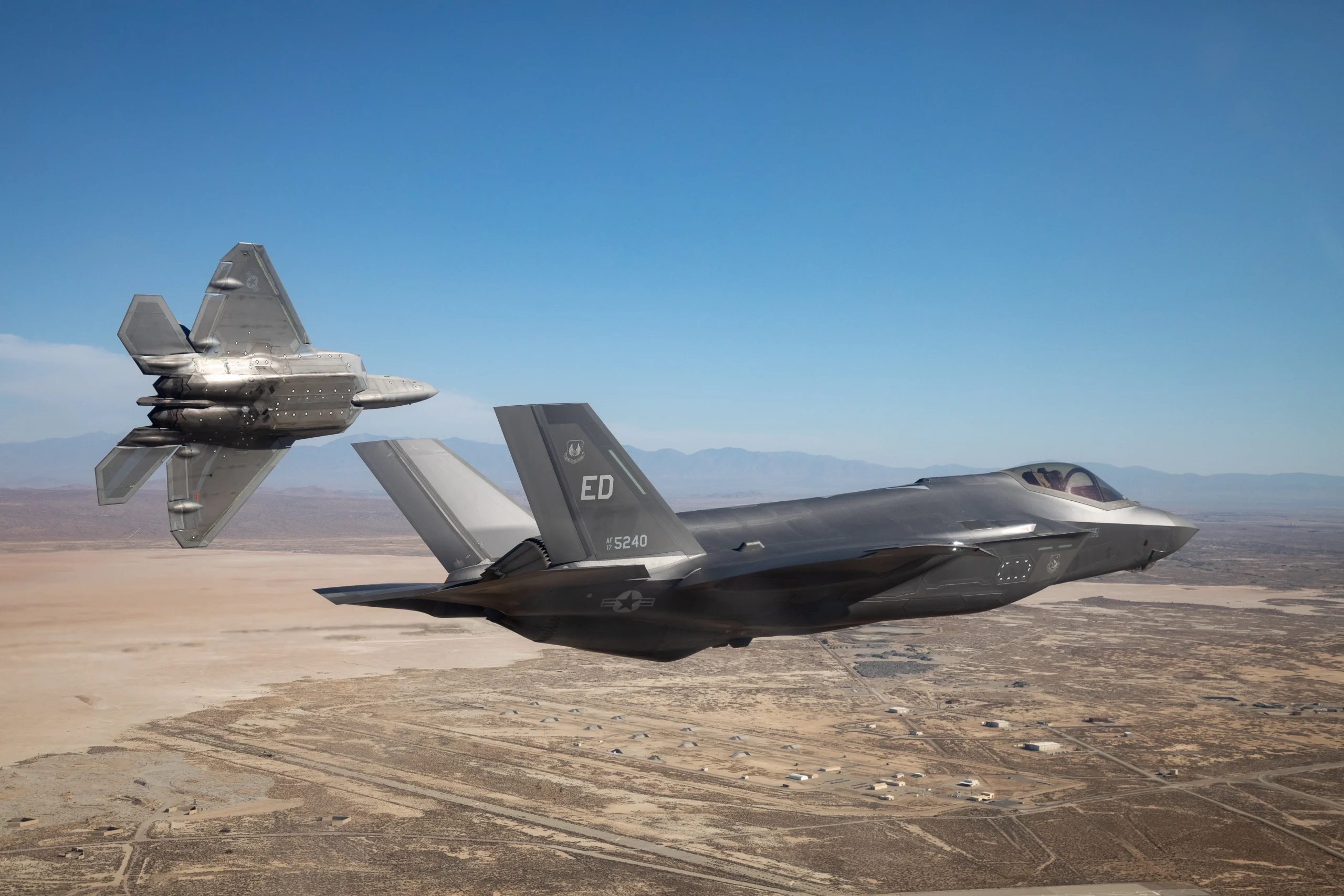
COLORADO SPRINGS- Russian military aircraft activity near North American airspace has increased beyond historical patterns, according to NORAD leadership. The rise reflects growing strategic pressure in key defense zones.
U.S. and Canadian forces have responded with multiple intercepts in 2025, as officials track more frequent Russian and Chinese military deployments near sensitive regions
Rising Military Activity Near North American Airspace
The North American Aerospace Defense Command (NORAD) has reported a noticeable increase in Russian military aircraft entering the Air Defense Identification Zones (ADIZ) of the United States and Canada. These zones lie in international airspace but serve as early warning buffers to detect potential threats approaching sovereign territory, Air and Space Forces reported.
Air Force General Gregory Guillot, head of U.S. Northern Command and NORAD, confirmed during a March 17 congressional hearing that such incursions have risen over the past year.
While these flights are not considered direct threats, their frequency now exceeds historical norms, signaling a shift in operational patterns.
In 2025, NORAD aircraft carried out 16 intercepts of Russian long-range aircraft within the ADIZ. Four additional intercepts have already been recorded in early 2026. These figures mark a notable increase compared to previous years, when annual incursions ranged from zero to 15 since Russia resumed long-range aviation missions in 2007.
ALSO READ: NATO Scrambles F-35s as Russian Spy Plane Enters Cold Response War Games Zone
Recent Intercepts and Operational Response
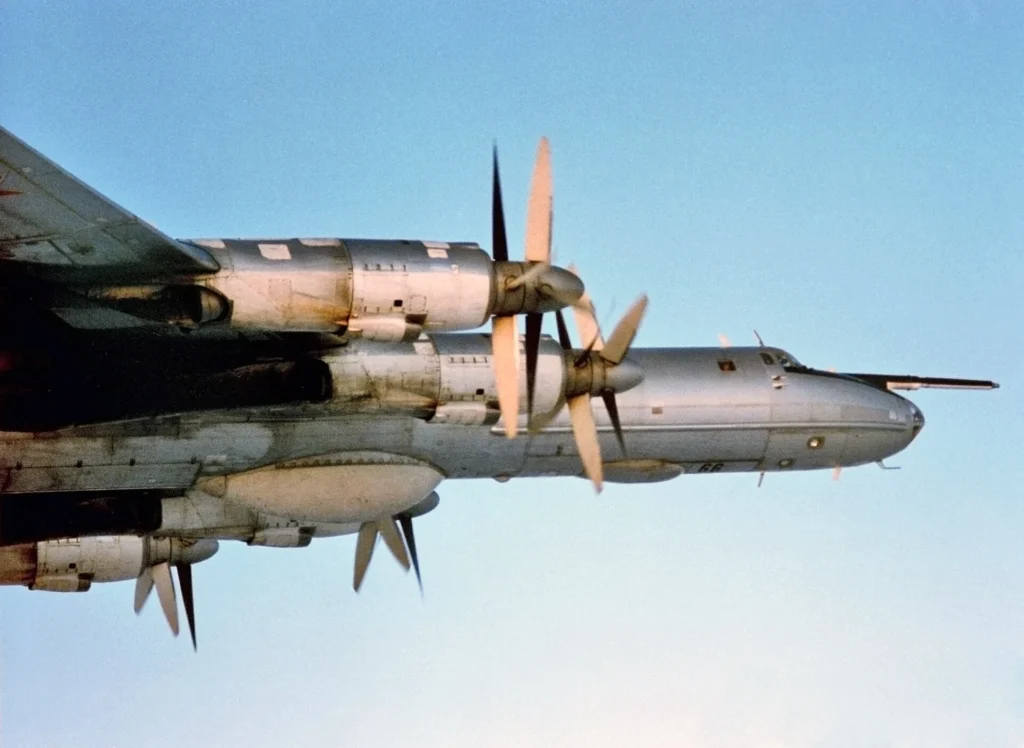
A significant incident occurred on March 4, when two Russian Tu-142 maritime patrol aircraft entered both the Alaskan and Canadian ADIZ. NORAD responded by deploying six fighter jets supported by additional aircraft. This marked one of the largest interception responses in recent years.
The scale of this response mirrors a previous event in July 2024, when NORAD scrambled multiple fighters in response to a joint Russian-Chinese bomber patrol near Alaska. Such coordinated or high-frequency operations require rapid detection and interception capabilities to maintain airspace awareness.
Despite these developments, NORAD continues to describe these encounters as routine and not indicative of immediate threats. The intercepts are conducted in a controlled and professional manner, following established protocols.
Expanding Russian and Chinese Military Presence
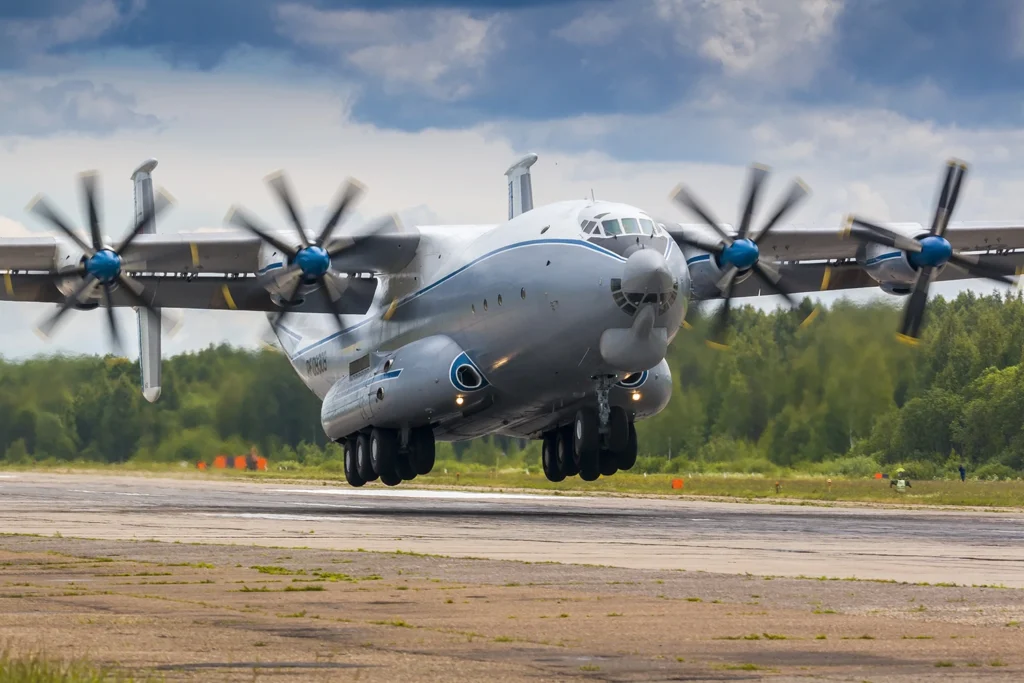
Beyond North America, military activity in the Arctic and North Atlantic regions is also increasing. General Guillot noted that China has expanded its routine deployments outside its traditional operational zones, involving both naval and air assets.
NATO has responded by intensifying monitoring efforts in strategic regions such as the GIUKN Gap, which includes Greenland, Iceland, the United Kingdom, and Norway. This area serves as a critical chokepoint for tracking Russian naval and air movements between the Arctic and the Atlantic Ocean.
In February 2026, NATO launched Arctic Sentry, an enhanced surveillance initiative aimed at strengthening situational awareness in the region. The operation reflects growing concern over sustained Russian activity in high-latitude areas.
NATO Intercepts and Arctic Surveillance
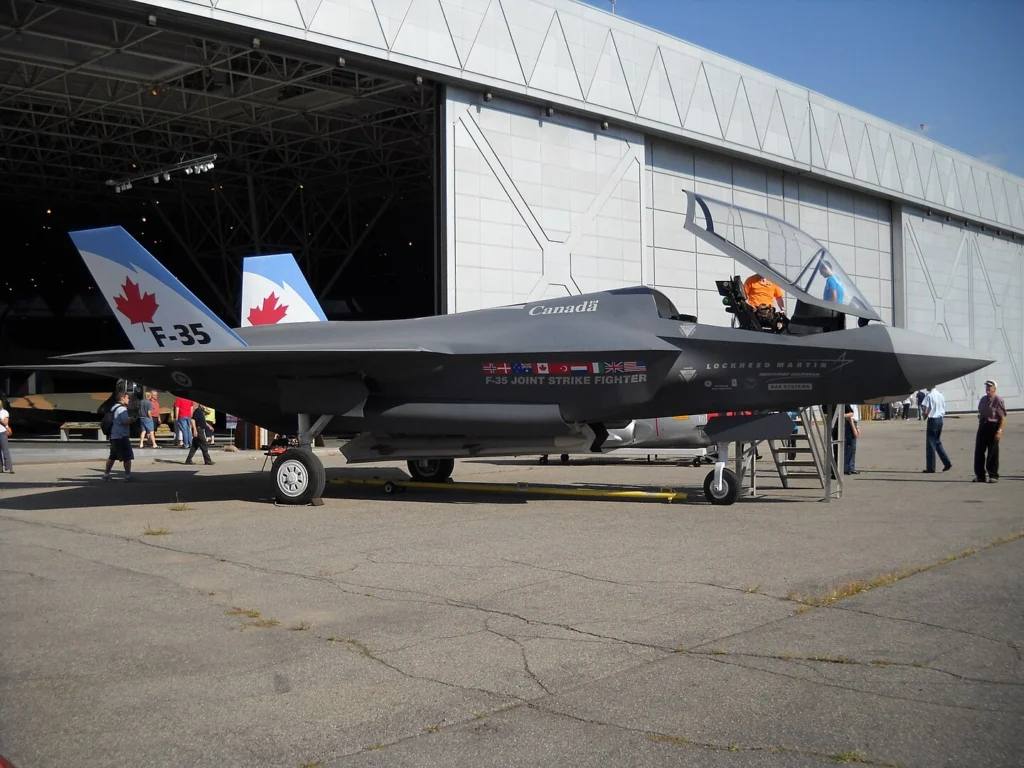
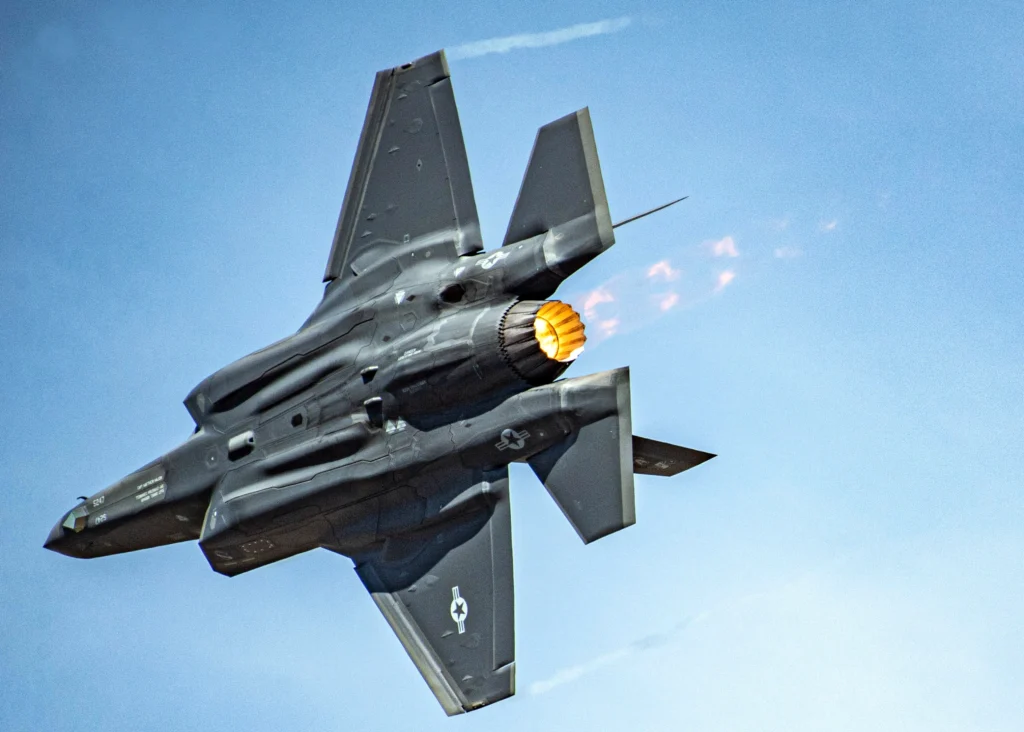
NATO Allied Air Command reported continued interception activity across Europe’s northern airspace. Norwegian F-35 fighter jets were scrambled on consecutive days in March to intercept Russian aircraft operating near Norway.
The alliance also disclosed that more than 500 air policing scrambles were conducted across NATO airspace in 2025. These operations highlight the persistent need for readiness amid increased aerial movements by Russian forces.
Monitoring efforts remain focused on both traditional entry points near Alaska and emerging routes from the northeast, which have drawn attention from U.S. and allied defense planners.
Stay tuned with us. Further, follow us on social media for the latest updates.
Join us on Telegram Group for the Latest Aviation Updates. Subsequently, follow us on Google News
