

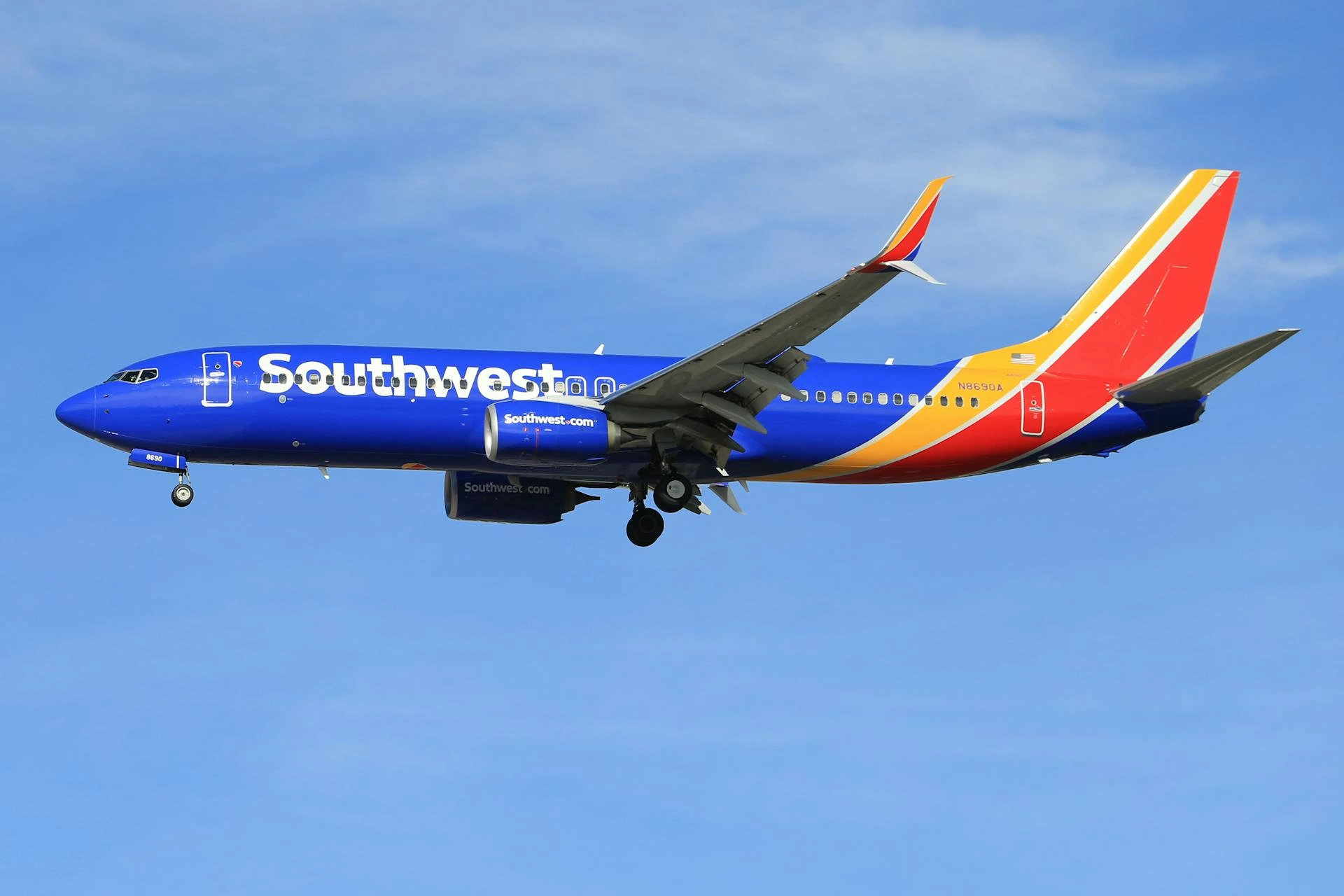
WASHINGTON, D.C.- The US Department of Transportation (DOT) has dismissed a complaint filed against Southwest Airlines (WN) by 4 national advocacy groups representing nut allergy sufferers.
The March 2026 ruling upholds the airline’s pre-boarding accommodation specifically for passengers with nut allergies at hubs like Dallas Love Field (DAL), while declining to extend the same right to other severe food allergies without formal rulemaking.
Southwest Airlines briefly removed nut allergy passengers from pre-boarding in September 2022 due to an internal miscommunication, but restored the policy by late December 2022.
Reported by PYOK, the DOT exercised enforcement discretion and imposed no penalties because the airline corrected the error before filing the formal complaint.

US DOT Clears Southwest Allergy Discrimination
The Department of Transportation issued Order 2026-3-9 on March 18, 2026, dismissing the complaint originally filed in November 2022 by 4 advocacy groups: Allergy & Asthma Network, Asthma and Allergy Foundation of America, Food Allergy & Anaphylaxis Connection Team, and No Nut Traveler.
The groups alleged that Southwest Airlines (WN) violated the Air Carrier Access Act (ACAA) when it temporarily denied pre-boarding to passengers with nut allergies, preventing them from wiping down seats to reduce allergen exposure.
Since a 2019 DOT ruling (involving American Airlines), airlines have been required to offer pre-boarding to passengers who self-identify with nut allergies and need extra time or assistance to board and clean their seat area.
The ACAA treats severe allergies as disabilities, and the regulation states that carriers must “offer preboarding to passengers with a disability who self-identify at the gate as needing additional time or assistance to board.”
In September 2022, Southwest Airlines sent an internal memo that moved nut allergy passengers from the pre-boarding group to the “extra time boarding group,” which followed pre-boarding and Group A.
The airline later described this shift as an unintentional internal miscommunication. Southwest notified the DOT of its plan to reverse the policy before the advocacy groups filed their formal complaint and completed the restoration by late December 2022, explaining that procedural steps prevented an immediate overnight change.
The advocacy groups argued that limiting pre-boarding to nut allergies discriminated against passengers with other severe food allergies, such as dairy, egg, or shellfish, who also require seat cleaning to avoid life-threatening reactions.
They sought broader application of the pre-boarding accommodation under the ACAA.
Blane Workie, Assistant General Counsel in the DOT’s Office of Aviation Consumer Protection, wrote in the order: “The existence of a disability does not automatically mandate a specific form of boarding unless the Department has clearly articulated that requirement.”
While acknowledging that “dairy, egg, or shellfish allergies can be just as severe as those of nut allergies,” the DOT determined that current regulations and prior enforcement orders provide clear notice only for nut allergies.
Extending the pre-boarding obligation to additional allergens would require formal notice-and-comment rulemaking rather than case-by-case decisions.
Southwest Airlines requested dismissal on the grounds that it had reversed the policy error before filing the complaint. The DOT agreed, using enforcement discretion to forgo penalties for the temporary period.
Enhanced Onboard Allergy Preparedness
In February 2024, Southwest Airlines agreed to begin stocking epinephrine auto-injectors (commonly known as EpiPens) in its onboard medical kits.
These devices allow non-medically trained individuals to treat anaphylactic shock quickly. Previously, FAA regulations required airlines to carry only single-dose epinephrine vials, which trained medical professionals must administer via syringe.
The change followed advocacy from three US Senators who urged the FAA to mandate auto-injectors, noting that the absence of in-flight deaths from anaphylaxis had been due to “good fortune” rather than guaranteed safety measures.
The DOT’s March 2026 decision clarifies existing obligations while deferring wider protections to future regulatory action.
Stay tuned with us. Further, follow us on social media for the latest updates.
Join us on Telegram Group for the Latest Aviation Updates. Subsequently, follow us on Google News
