


The United States Air Force (USAF) is advancing its next generation of combat aircraft, combining stealth, advanced sensors, and network-driven warfare capabilities. These newest jets are designed to counter evolving global threats while maintaining air superiority in contested environments.
The current fleet is led by the F-35 Lightning II, developed by Lockheed Martin, which serves as the backbone of modern US airpower. Alongside it, future platforms under development aim to redefine aerial combat through integration with unmanned systems and next-generation technologies.
US Air Force New Jets
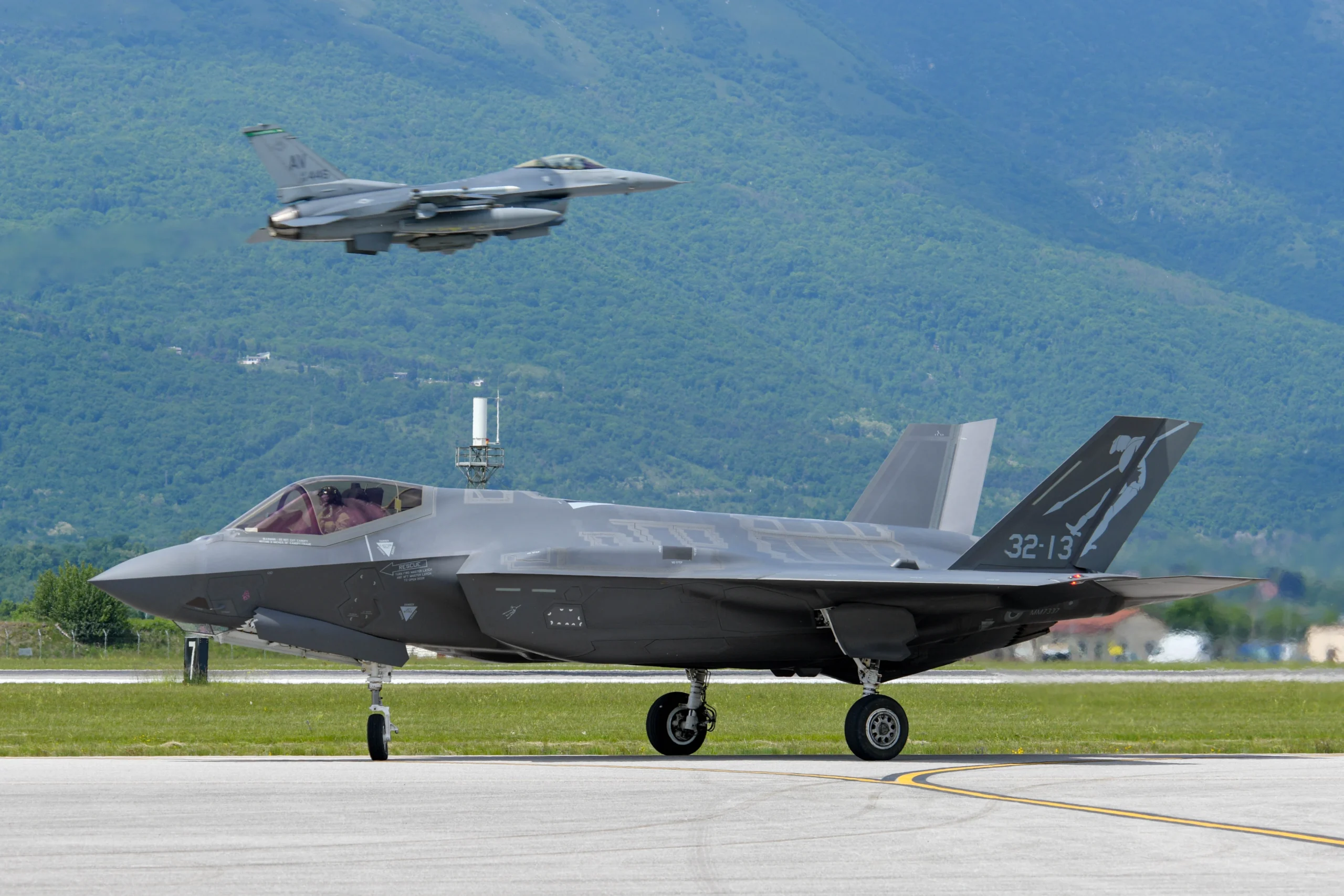
The F-35 Lightning II remains the centerpiece of the US Air Force’s modern fighter fleet. It was developed under the Joint Strike Fighter program to replace older aircraft and provide a multi-role platform capable of handling diverse mission requirements.
The aircraft combines stealth design, sensor fusion, and real-time data sharing. These capabilities allow it to operate effectively in complex combat environments while supporting other assets through networked warfare.
The F-35 entered operational service in the mid-2010s and quickly became a critical asset. It performs missions including air superiority, strike operations, intelligence gathering, and electronic warfare.
The platform’s global adoption strengthens interoperability among allied forces. More than a dozen partner nations operate the aircraft, which enhances joint operations and shared defense strategies.
Despite its strengths, the program has faced challenges related to cost and long-term sustainment. Estimates suggest lifecycle costs could exceed one trillion dollars, reflecting the scale and complexity of the program.
USAF’s Future Fighter Programs
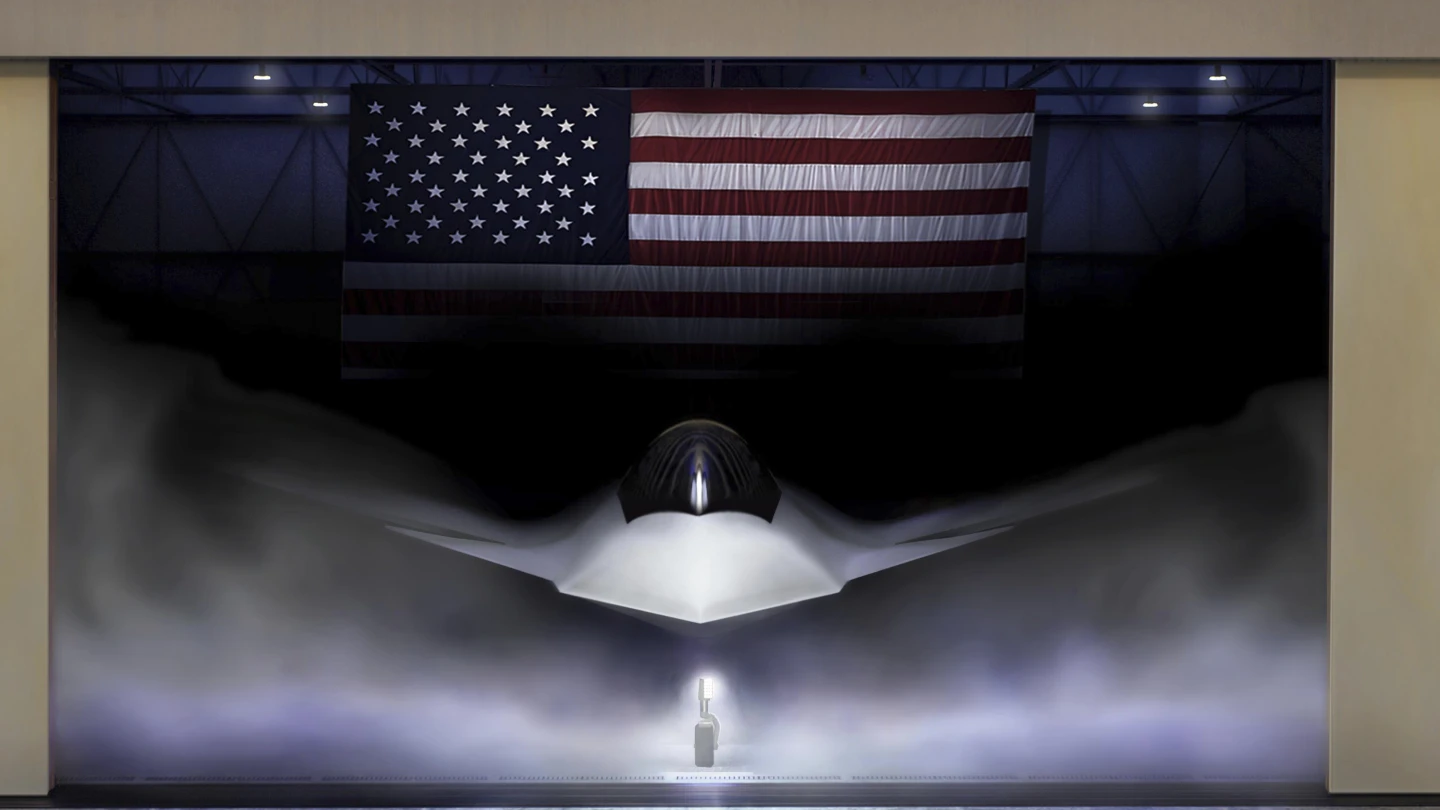
The US Air Force is actively developing its next-generation fighter under the Next Generation Air Dominance program. This initiative focuses on building a sixth-generation aircraft designed to operate in highly contested airspace.
The upcoming fighter, often referred to as the F-47, is expected to deliver improved stealth, longer range, and enhanced sensor capabilities. Reports indicate it may exceed 1,000 nautical miles in range and achieve speeds above Mach 2, reported Simple Flying.
Unlike previous aircraft, the F-47 will not operate alone. It will work alongside unmanned systems known as Collaborative Combat Aircraft, which act as force multipliers during missions.
These drones can perform tasks such as surveillance, electronic warfare, and defensive operations. This approach reduces risk to human pilots while expanding operational flexibility.
The Air Force plans to integrate hundreds of these unmanned platforms into its future force structure. This marks a shift toward a more distributed and networked model of air combat.
Evolving Air Warfare
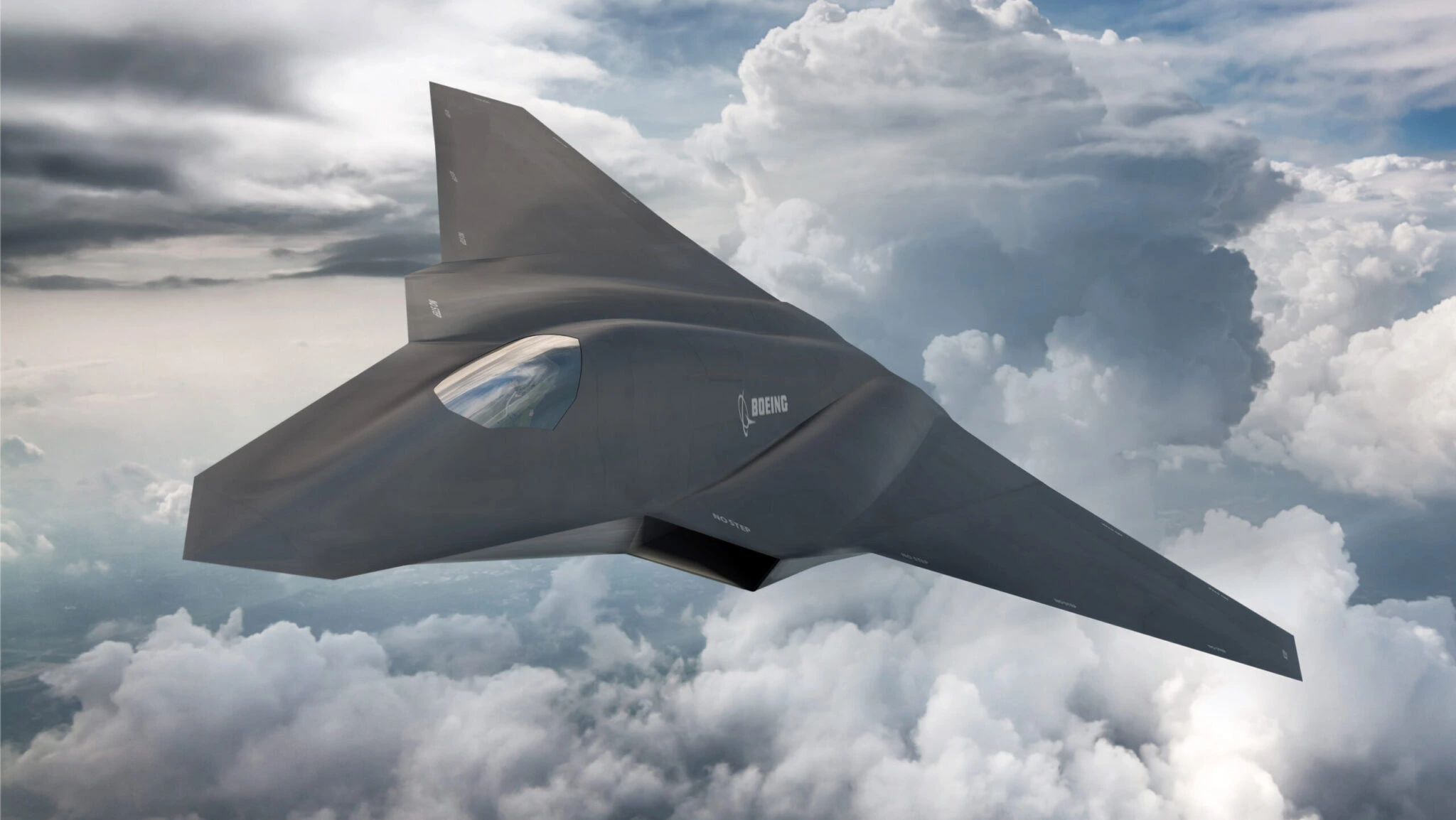
Modern aerial combat is rapidly shifting toward a hybrid model that combines crewed and uncrewed systems. The US Air Force views this approach as essential for maintaining technological and strategic advantage.
Crewed aircraft continue to provide critical decision-making capabilities. Human pilots offer adaptability and judgment that current autonomous systems cannot fully replicate.
At the same time, unmanned systems are becoming more advanced and capable. They can operate in high-risk environments and perform missions that would be dangerous for human pilots.
The integration of these systems creates a layered defense and offense strategy. Aircraft like the F-35 and future F-47 will act as command nodes, coordinating multiple assets in real time.
This transformation also reflects broader changes in defense planning. Investments in artificial intelligence, advanced propulsion, and sensor technologies are shaping the next era of airpower.
The F-35 is expected to remain in service for decades due to continuous upgrades. Its adaptability allows it to evolve alongside emerging threats, ensuring relevance in future conflicts.
However, the introduction of sixth-generation platforms signals a long-term transition. The Air Force is preparing for a future where advanced fighters and autonomous systems operate together seamlessly.
The balance between maintaining current fleets and investing in new technologies presents both opportunities and challenges. Strategic planning and sustained funding will determine how effectively these programs succeed.
The newest jets in the US Air Force reflect a broader vision of integrated warfare. By combining advanced aircraft with unmanned systems, the service aims to secure air dominance well into the future.
Stay tuned with us. Further, follow us on social media for the latest updates.
Join us on Telegram Group for the Latest Aviation Updates. Subsequently, follow us on Google News
