

TEHRAN— New satellite imagery suggests that a hardened facility associated with Iran’s nuclear program may have been struck during the latest wave of airstrikes. Analysts reviewing the images observed three large and highly precise impact craters at the Taleghan 2 complex, a location tied to long-standing concerns about nuclear weapons-related activities.
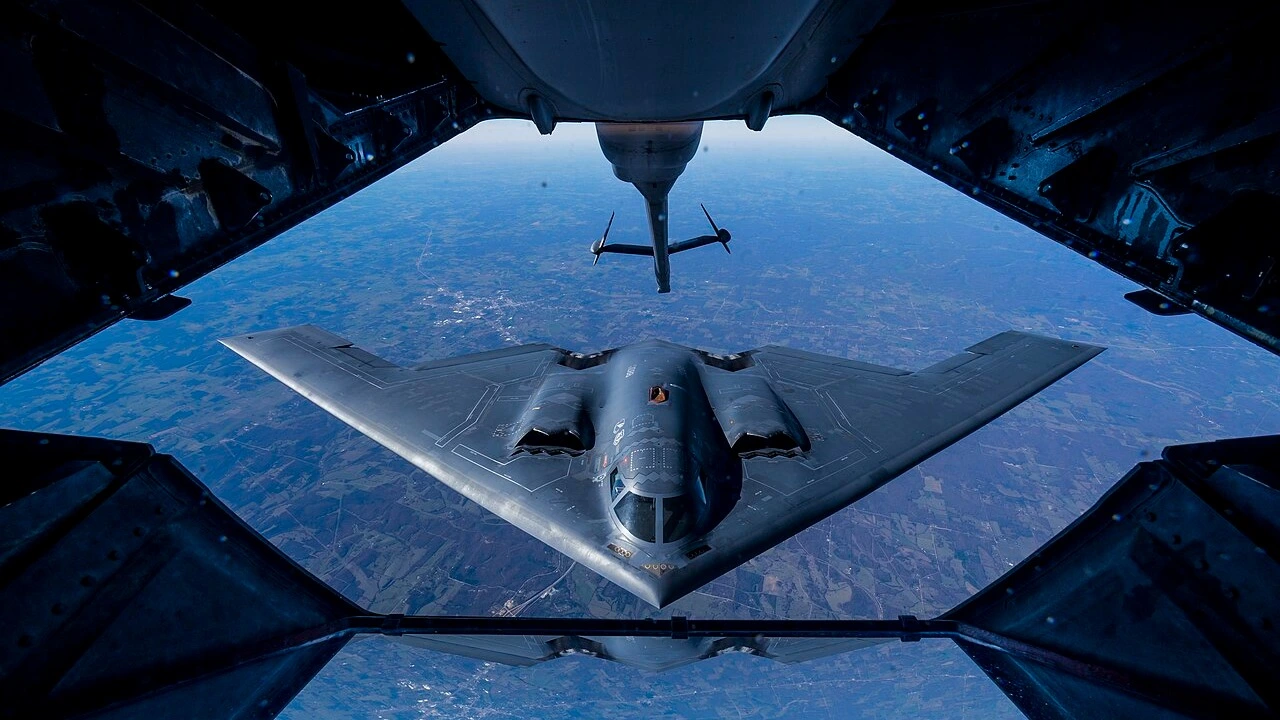
The suspected strike has raised questions about whether United States Air Force (USAF) stealth bombers used heavy bunker-buster bombs to penetrate the reinforced structure. Long-range military operations supporting the campaign often operate through regional aviation hubs such as Al Udeid Air Base and Al Dhafra Air Base.

Taleghan 2 Strike
The latest images reveal three large impact points concentrated on the surface of the Taleghan 2 complex. The spacing and precision of these craters resemble damage patterns previously observed at other Iranian nuclear facilities targeted in earlier operations.
Prior imagery from late 2025 shows the site before additional fortification work began.
By early 2026, satellite monitoring confirmed that the structure had been encased in new concrete and covered with soil layers, likely intended to improve protection against air-delivered munitions.
Military analysts note that the scale of the damage suggests the use of extremely powerful bunker-penetrating bombs. However, authorities have not publicly confirmed which weapons were used in the strike.
US B-2 Bomber Role
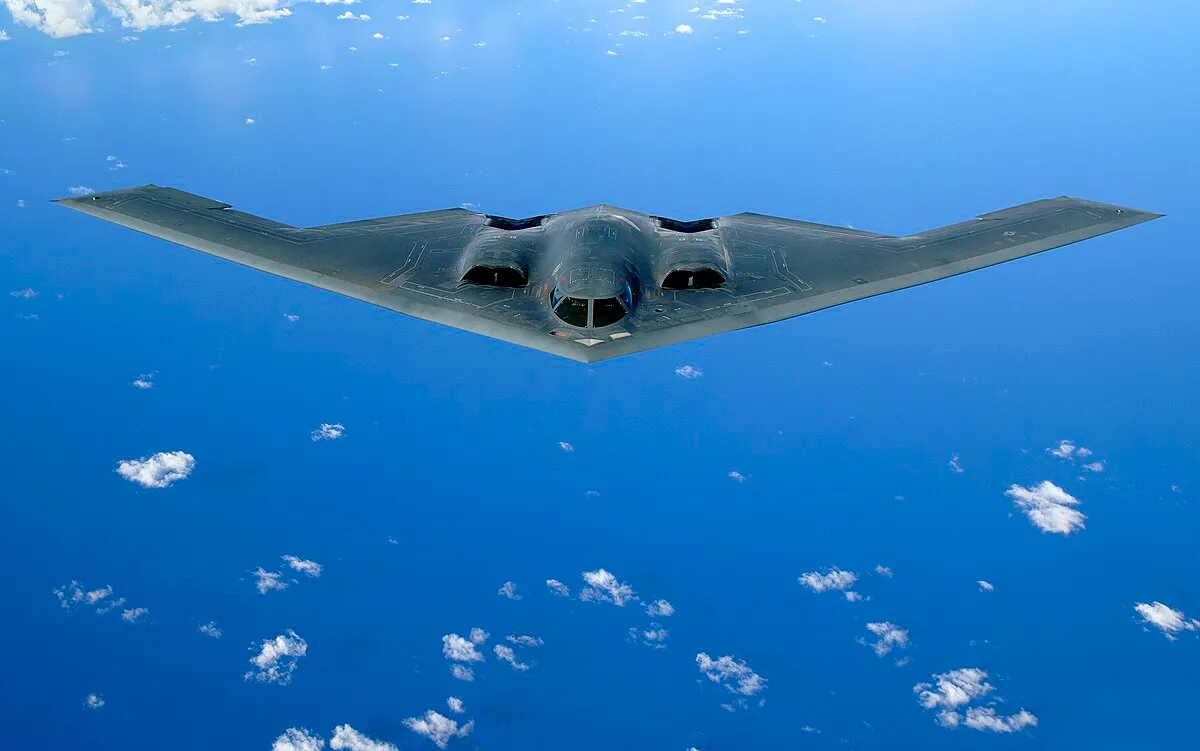
According to TWZ, the only aircraft currently capable of operationally deploying the 30,000-pound GBU-57 Massive Ordnance Penetrator is the U.S. Air Force B-2 Spirit stealth bomber.
Each bomber can carry two of the large bunker-buster weapons inside its internal weapons bays.
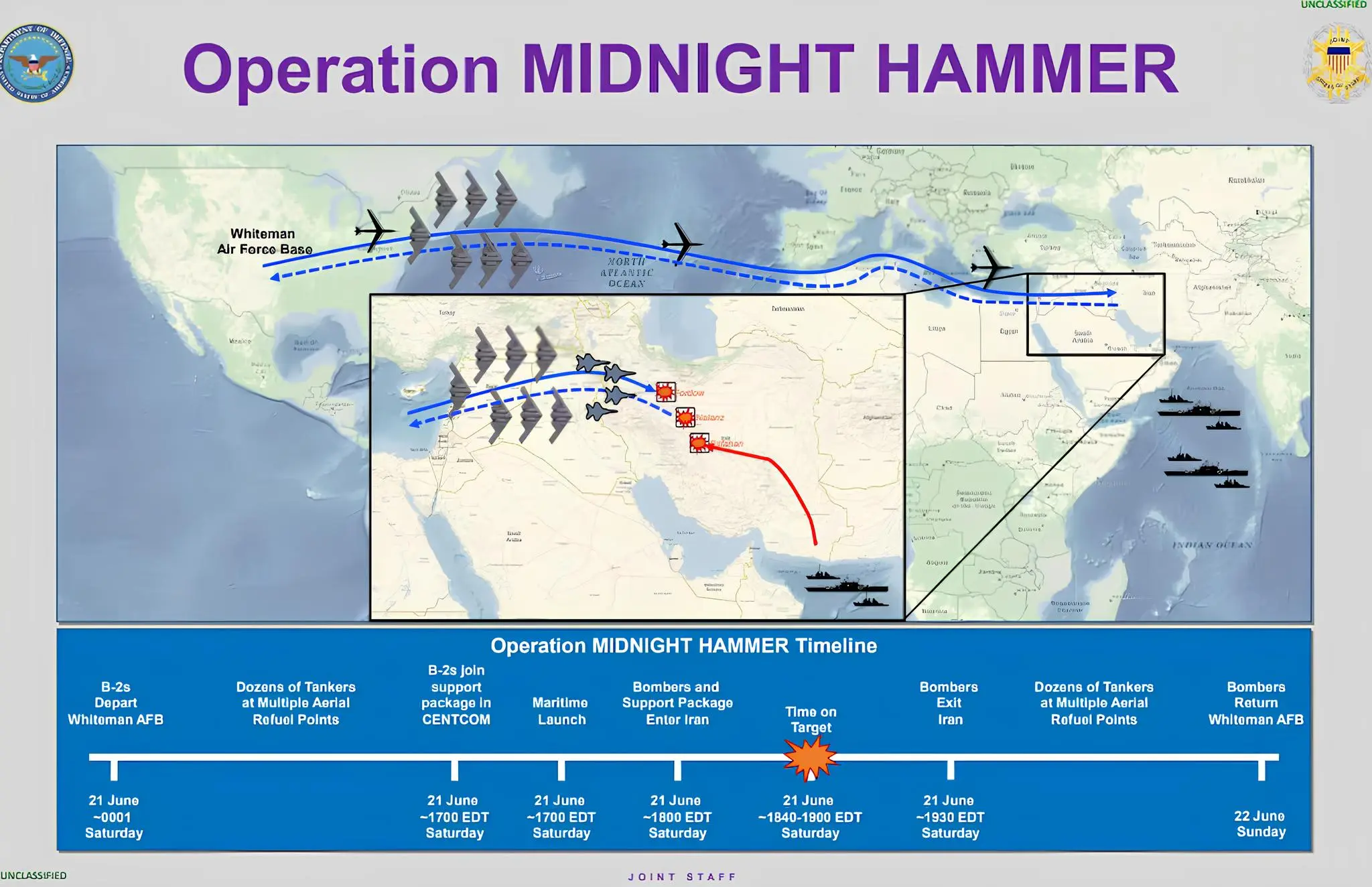
These bombs were previously used during Operation Midnight Hammer, when U.S. forces targeted deeply buried Iranian nuclear facilities, including Fordow and Natanz.
During that operation, multiple bunker-penetrating bombs were dropped in coordinated strikes to ensure penetration through hardened underground structures.
Defense officials have confirmed that B-2 bombers participated in early strikes during the current conflict. However, U.S. Central Command has declined to comment on whether the aircraft used GBU-57 bombs against the Taleghan 2 site.
Nuclear Site Target
Taleghan 2 is located within the larger Parchin military complex, which international observers have long linked to potential nuclear weapons development. The facility is believed to have produced specialized high explosives required for advanced nuclear weapon components.
Israel’s military later confirmed that it carried out strikes against the facility overnight.
The Israeli Air Force does not operate GBU-57 bunker-buster bombs, and its known arsenal includes smaller bunker-penetrating weapons in the 2,000-pound class.
Defense experts say multiple smaller bombs dropped in sequence could also produce similar structural damage if they repeatedly strike the same point.
At the same time, the size and depth of the visible impact craters have led some analysts to consider the possibility that heavier bunker-penetrating weapons were used.
The strike aligns with the broader objective of neutralizing Iran’s nuclear infrastructure during the ongoing military campaign. Still, the full extent of damage to the underground sections of the facility remains unclear.
Stay tuned with us. Further, follow us on social media for the latest updates.
Join us on Telegram Group for the Latest Aviation Updates. Subsequently, follow us on Google News
