

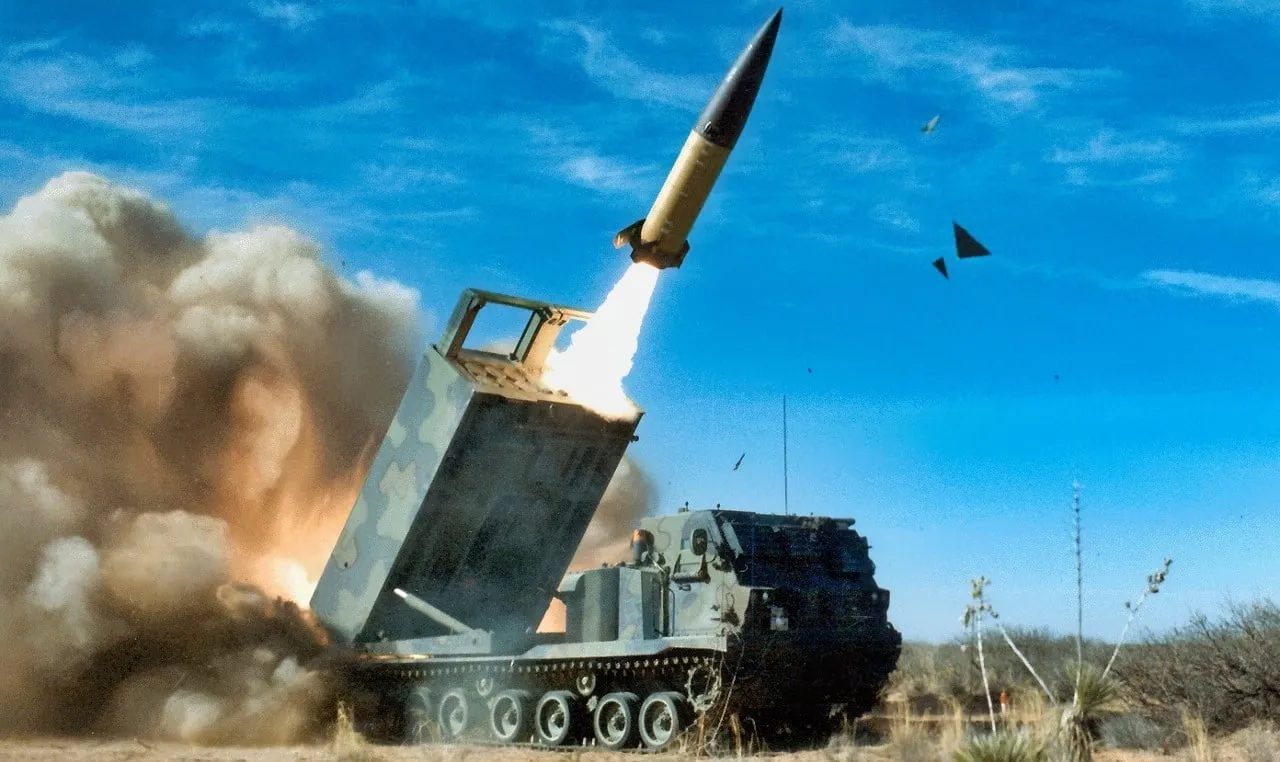
In 2026, air defence systems sit at the very heart of national security planning. With ballistic missiles, hypersonic glide vehicles, drones, cruise missiles, and even low-orbit threats now part of modern warfare, countries are investing heavily in layered air and missile defence.
The most advanced systems today are no longer built for a single threat—they are designed to detect, track, and intercept multiple targets simultaneously, often across enormous distances and altitudes.
Best Air Defence Systems in the World
From strategic missile shields capable of engaging space-based threats to short-range systems optimised for rockets and UAVs, the global air defence landscape has never been more complex.
Below are the ten most capable and influential air defence systems in service or entering service in 2026, ranked by overall capability, reach, versatility, and strategic impact.
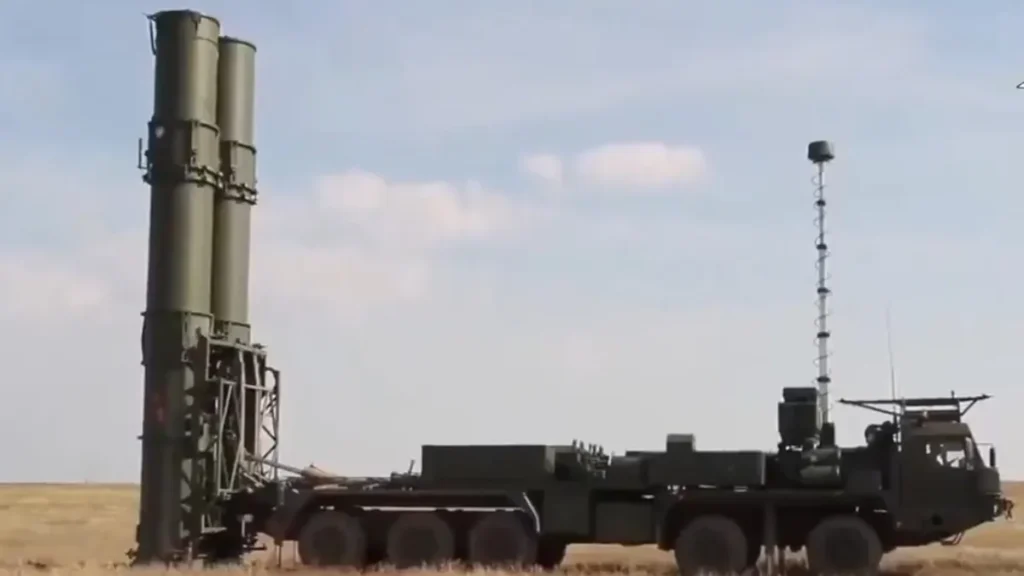
1. S-500 Prometheus – Russia
The S-500 Prometheus represents the pinnacle of Russian air and missile defence ambition. Designed to operate beyond traditional air defence roles, it can intercept intercontinental ballistic missiles, hypersonic weapons, and even low-earth-orbit satellites.
With a reported range of 500–600 km and interception altitudes approaching space, the S-500 moves firmly into strategic defence territory.
Unlike earlier systems, the S-500 is optimised for exo-atmospheric engagement, acting as a protective shield for critical national assets. Its advanced radar network allows it to track multiple high-speed targets simultaneously. While still being deployed in limited numbers, the S-500’s capabilities fundamentally alter the balance of strategic deterrence and missile defence at the highest level.
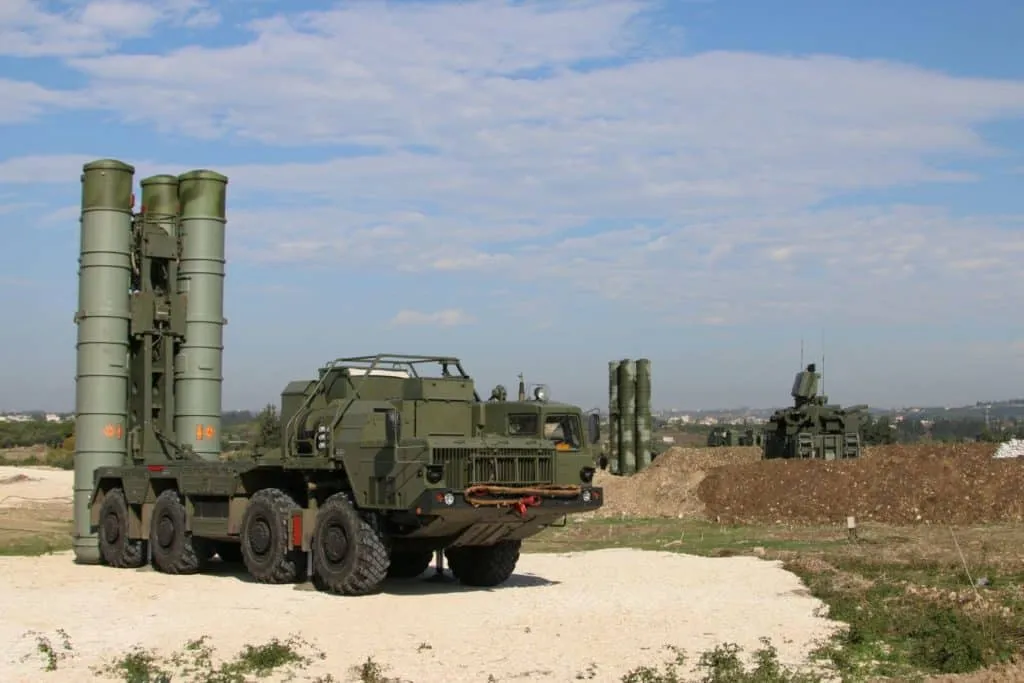
2. S-400 Triumph – Russia
The S-400 remains one of the most widely deployed and battle-proven long-range air defence systems in the world. Capable of engaging aircraft, cruise missiles, ballistic missiles, and drones, it offers exceptional flexibility.
With a maximum range of up to 400 km and a layered missile approach, the S-400 is adaptable to multiple threat environments.
Its ability to integrate with existing air defence networks and operate in dense electronic warfare conditions has made it attractive to several countries beyond Russia. Even in 2026, despite newer systems emerging, the S-400 continues to be a benchmark for long-range air defence reliability and multi-target engagement capacity.
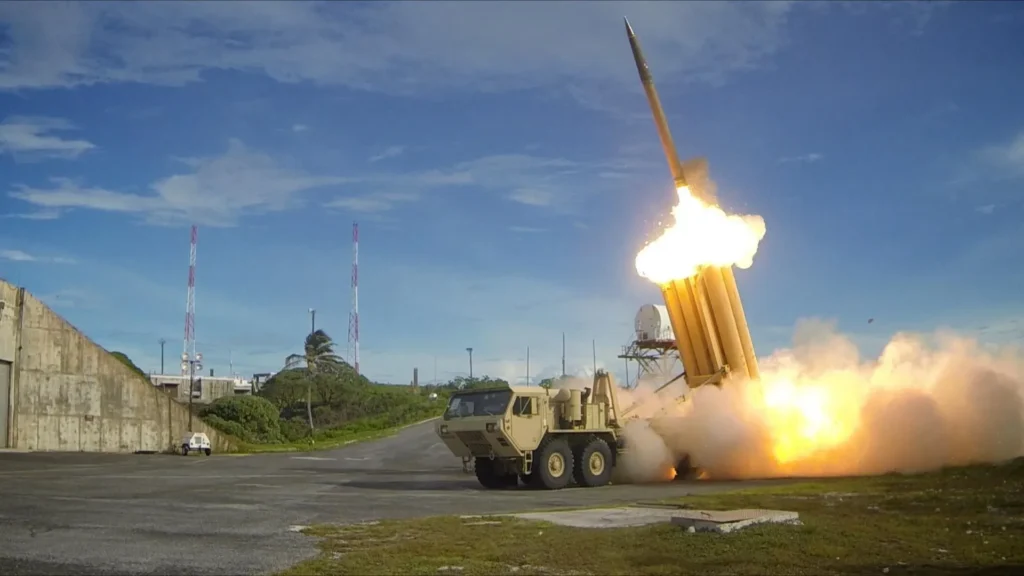
3. THAAD – United States
Terminal High Altitude Area Defense (THAAD) is purpose-built for intercepting ballistic missiles during their terminal phase. Unlike conventional air defence systems, THAAD focuses almost exclusively on high-altitude missile interception, with engagement altitudes reaching up to 150 km.
Its hit-to-kill technology relies on kinetic energy rather than explosive warheads, increasing precision while reducing collateral damage. Deployed primarily to protect strategic locations and allied territories, THAAD integrates seamlessly with broader missile defence architectures such as Aegis and Patriot. In 2026, it remains a cornerstone of high-altitude ballistic missile defence.
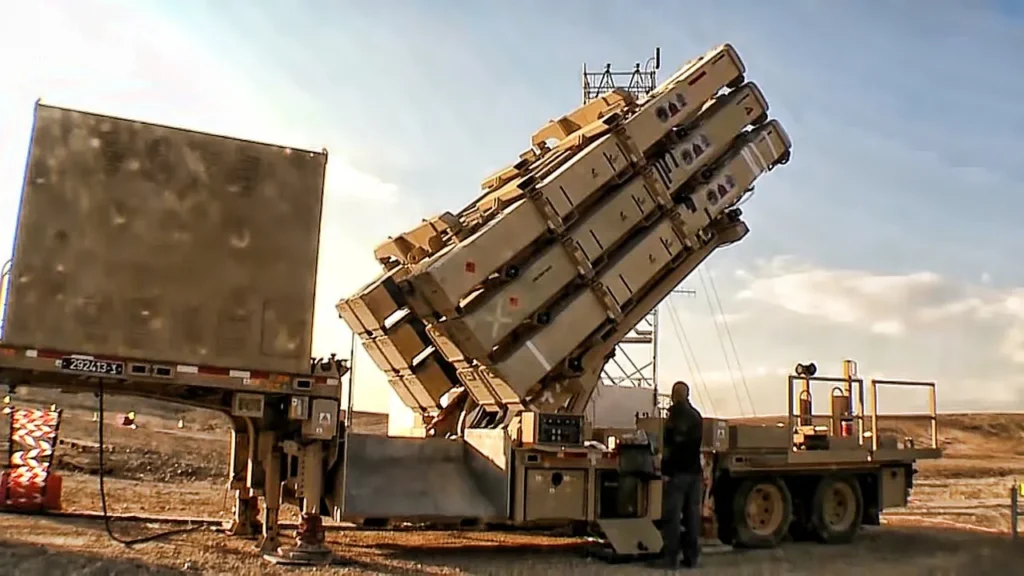
4. David’s Sling – Israel & United States
David’s Sling fills a critical gap between short-range systems like Iron Dome and long-range interceptors. Designed to counter tactical ballistic missiles, cruise missiles, and aircraft, it offers a reach of up to 300 km.
Its advanced Stunner interceptor is highly manoeuvrable and capable of engaging complex targets at medium altitudes. The system has proven its effectiveness in real-world conditions, reinforcing Israel’s multi-layered defence doctrine. David’s Sling stands out for its precision, adaptability, and ability to counter emerging regional missile threats.
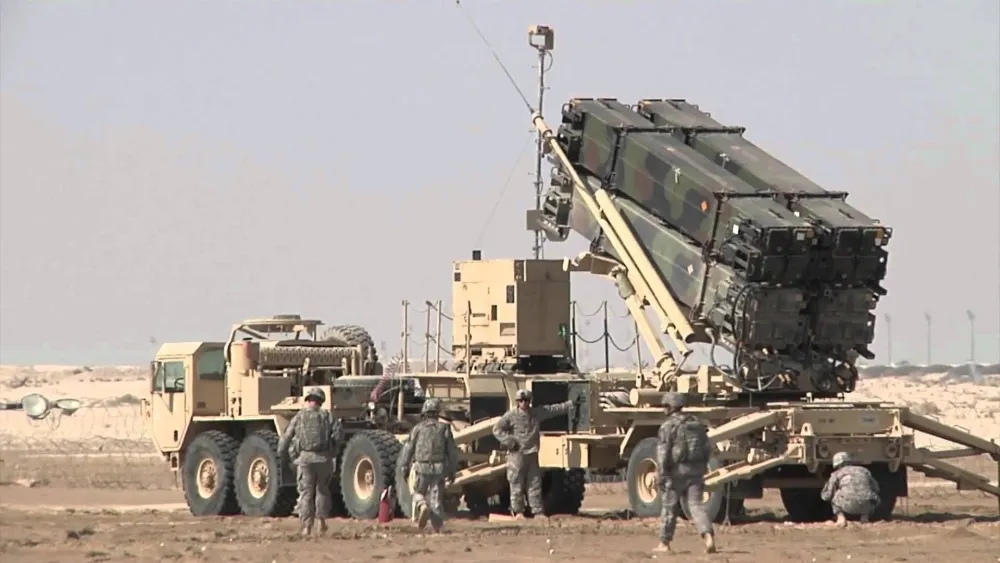
5. Patriot PAC-3 – United States
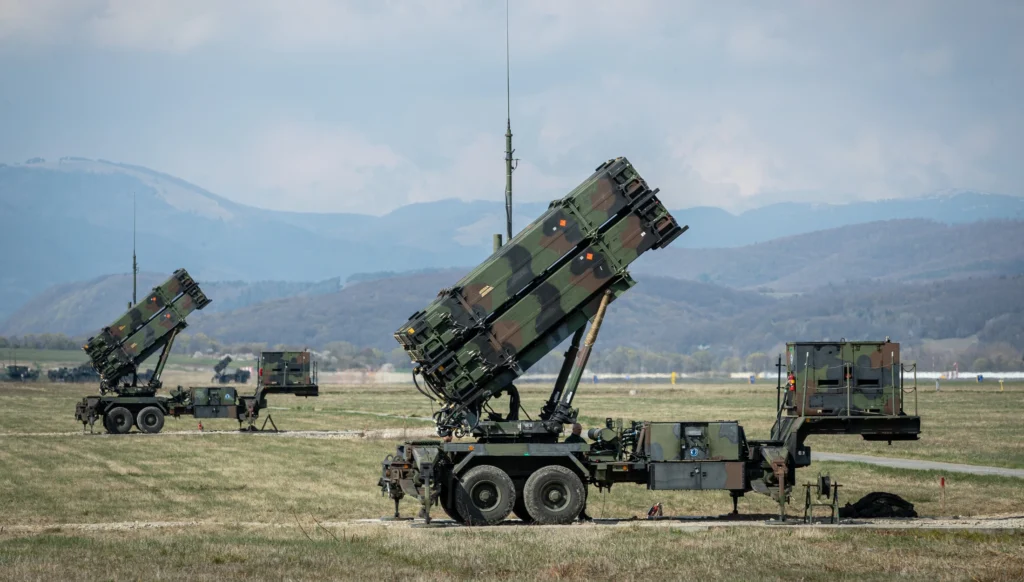
The Patriot PAC-3 remains one of the most globally deployed air and missile defence systems. Optimised primarily for ballistic missile interception, it also retains strong capabilities against aircraft and cruise missiles.
With a maximum range of around 160–170 km and highly accurate interceptors, PAC-3 has undergone continuous upgrades to remain relevant against modern threats. Its combat record and extensive international adoption underline its reliability. While not the longest-range system, Patriot’s proven performance keeps it firmly among the world’s elite.
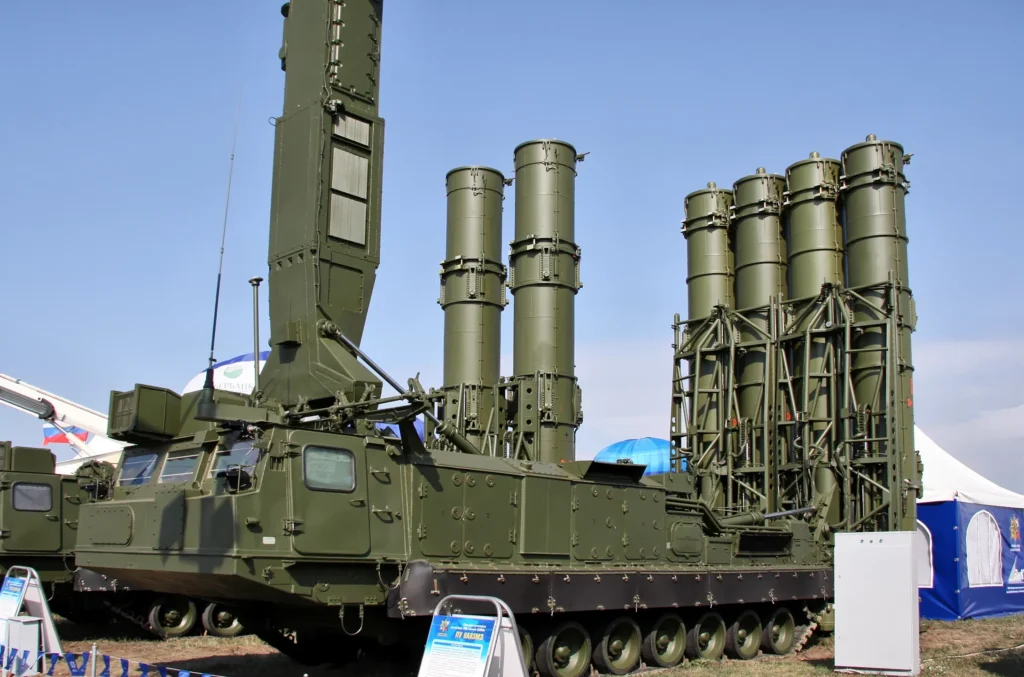
6. S-300VM Antey-2500 – Russia
The S-300VM, also known as Antey-2500, is a specialised variant focused on countering intermediate-range ballistic missiles and high-speed aerial threats. With a range of up to 250 km, it bridges the gap between older systems and newer strategic defences.
Its tracked mobility allows deployment alongside armoured formations, making it suitable for both territorial defence and battlefield protection. The system’s robust radar and interceptor combination continues to offer credible defence against a wide range of aerial threats in 2026.
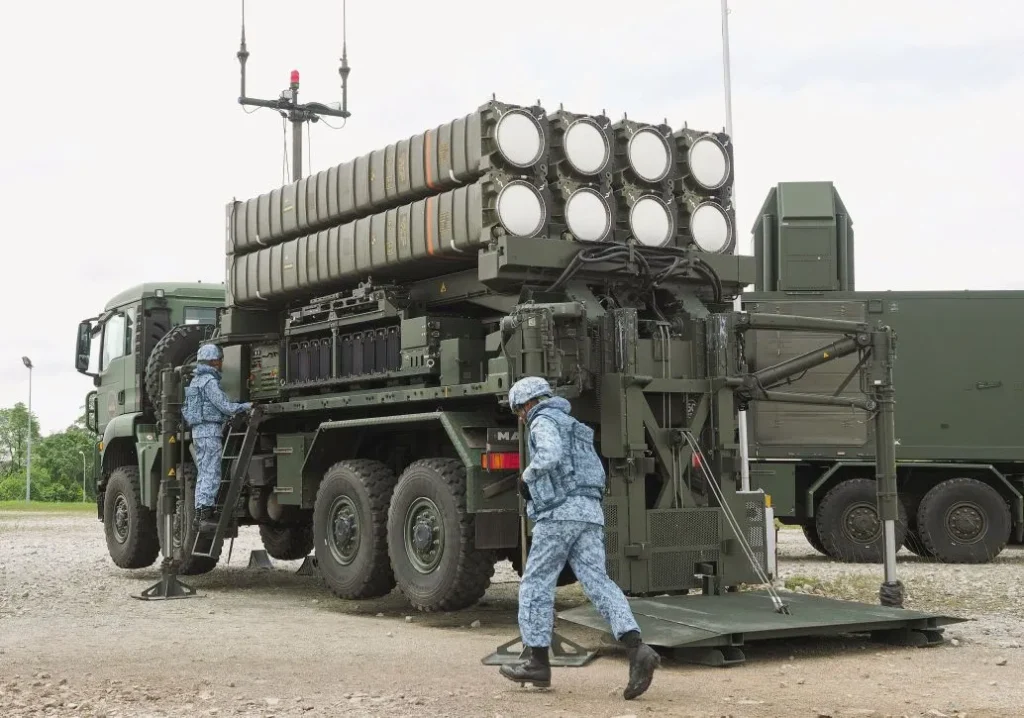
7. Aster 30 SAMP/T – France & Italy
The Aster 30 SAMP/T system represents Europe’s flagship air and missile defence capability. Designed to intercept aircraft, cruise missiles and short-range ballistic missiles, it offers a range of up to 150 km.
Its strength lies in network integration, rapid reaction time and high manoeuvrability interceptors. Increasingly adopted by NATO and allied nations, SAMP/T plays a vital role in Europe’s evolving missile defence architecture, particularly against regional and theatre-level threats.
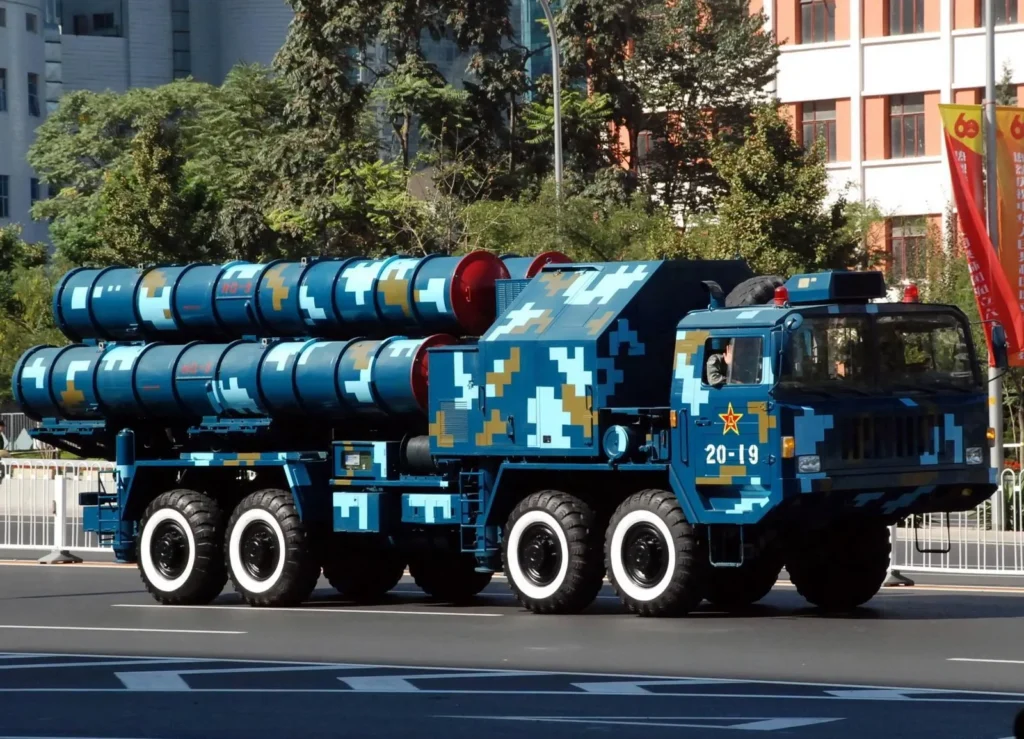
8. HQ-9 – China
China’s HQ-9 is a long-range surface-to-air missile system developed to counter aircraft, cruise missiles and ballistic missiles. With a reported range of around 200 km, it forms the backbone of China’s strategic air defence network.
The HQ-9 has undergone multiple upgrades, improving radar performance, electronic counter-countermeasures and missile accuracy. In 2026, it remains a key component of China’s layered defence strategy, particularly for protecting major cities and military installations.
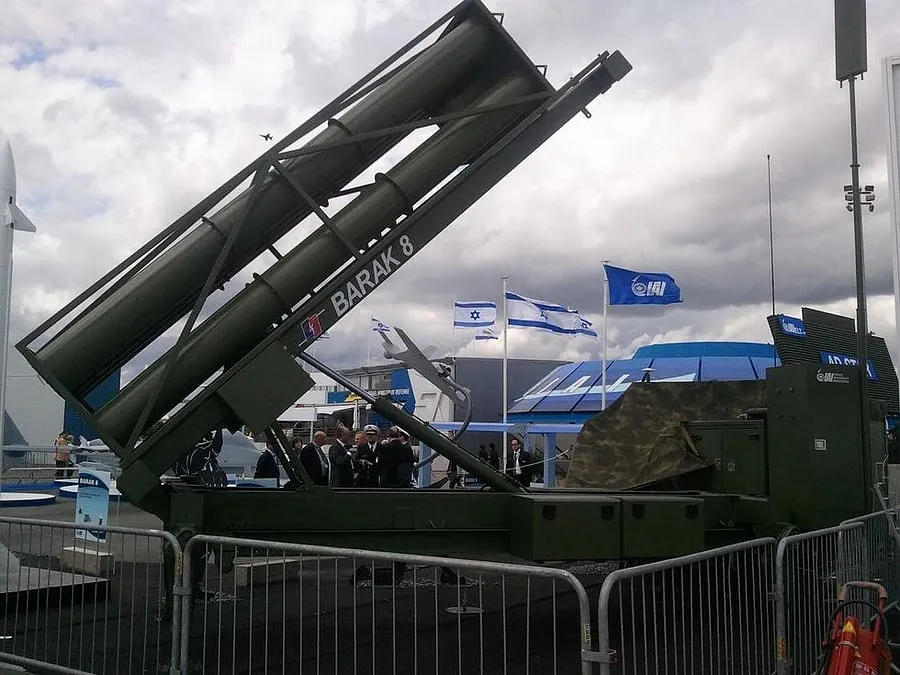
9. Barak-8 – India & Israel
Barak-8 is a modern, flexible air defence system designed for both land and naval use. With a range of up to 100 km, it excels at intercepting aircraft, UAVs, cruise missiles and anti-ship missiles.
Its active radar seeker and high agility allow it to counter highly manoeuvrable threats effectively. Widely deployed across Indian naval and land forces, Barak-8 reflects a successful example of international defence collaboration delivering cutting-edge capability.
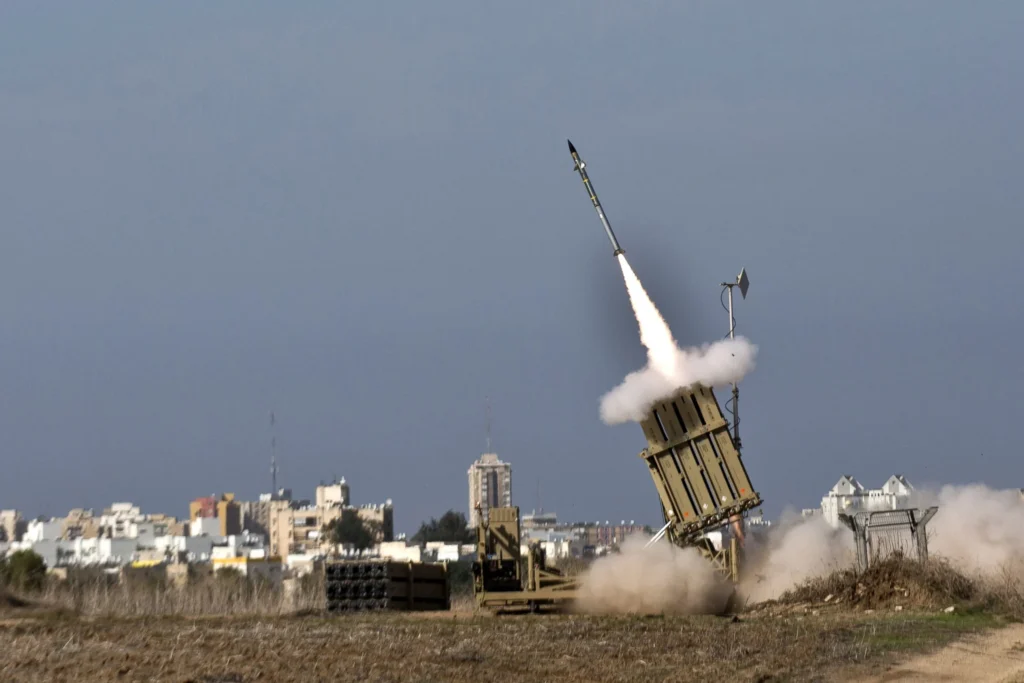
10. Iron Dome – Israel
Iron Dome is uniquely optimised for short-range threats such as rockets, artillery shells, and mortars. While its range is limited compared to other systems on this list, its effectiveness is unmatched in its specific role.
Using rapid detection and selective interception, Iron Dome engages only projectiles that pose a real threat, making it both efficient and cost-effective. In 2026, it remains the gold standard for point defence against saturation rocket attacks and low-cost aerial threats.
Bottom Line
The world’s leading air defence systems in 2026 reflect a shift toward layered, multi-domain protection.
From space-capable interceptors like the S-500 to highly specialised systems such as Iron Dome, modern air defence is no longer about a single shield but an interconnected network. As missile technology continues to evolve, these systems will define how nations deter, defend, and respond in an increasingly contested airspace.
Best Air Defense Systems FAQs
Range, interception altitude, multi-target capability, radar sophistication, and integration with wider defence networks are the key factors.
Only a few systems, such as the S-500, are specifically designed with hypersonic interception in mind, and this remains one of the biggest challenges in defence today.
Different threats operate at different ranges and altitudes. Layered systems ensure no single vulnerability can be easily exploited.
Stay tuned with us. Further, follow us on social media for the latest updates.
Join us on Telegram Group for the Latest Aviation Updates. Subsequently, follow us on Google News
