

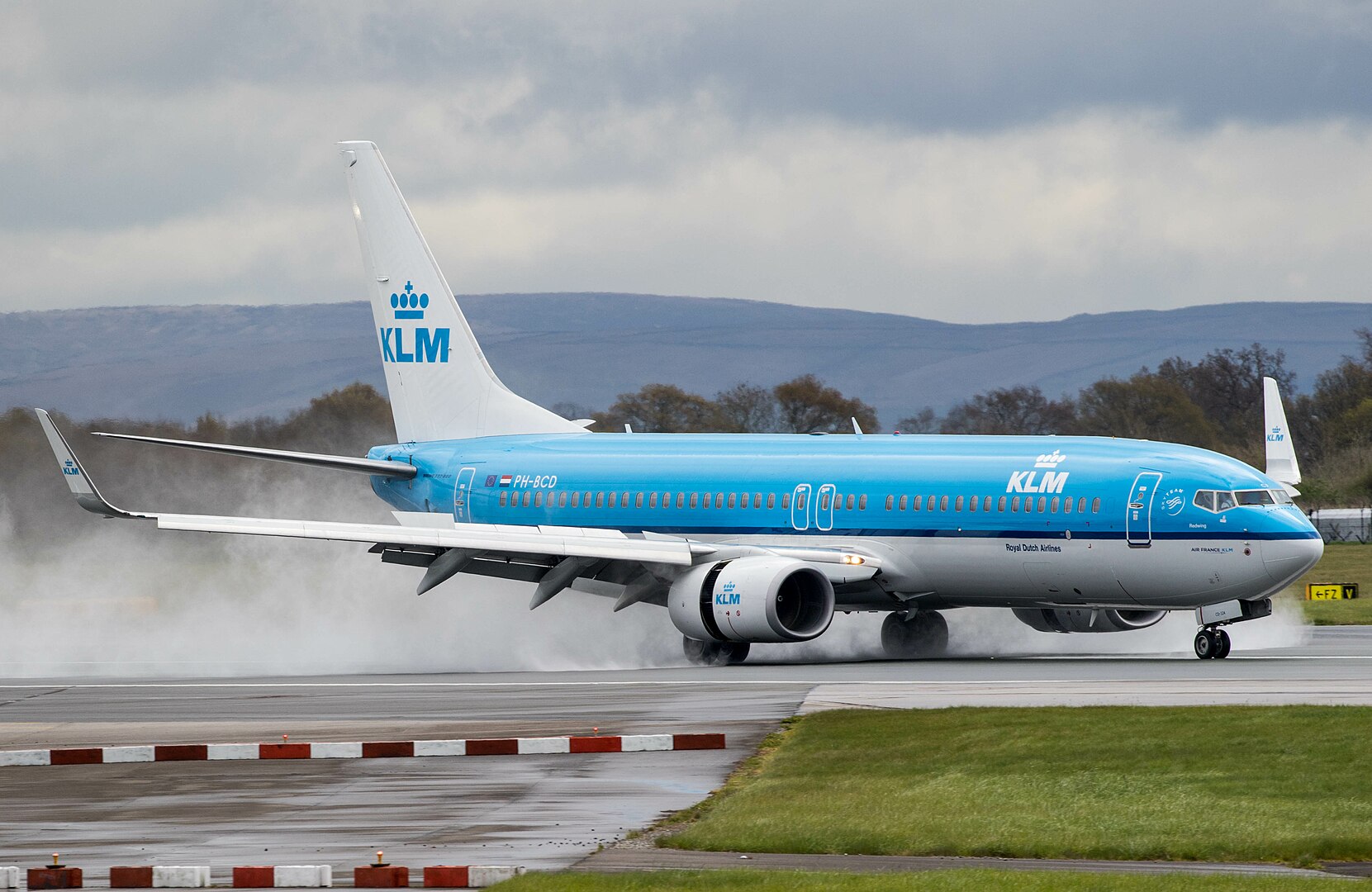
AMSTERDAM— King Willem-Alexander of the Netherlands has completed his final scheduled flight as a co-pilot on a KLM Royal Dutch Airlines (KL) Boeing 737, marking the end of an unusual chapter where a reigning monarch regularly flew commercial passengers.
The Dutch King will now retrain on the Airbus A321neo, aligning with KLM’s wider fleet transition as the airline gradually retires its Boeing 737 aircraft from European routes, aeroTELEGRAPH reported.
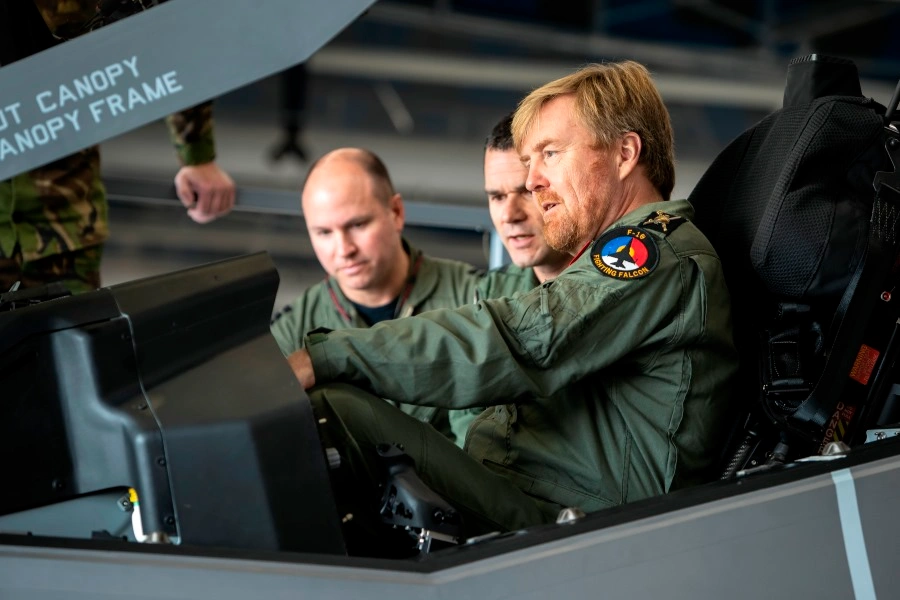
King Willem-Alexander Ends His Boeing 737 Era With KLM
King Willem-Alexander has maintained an active aviation career alongside his royal duties for nearly three decades. The monarch began flying part-time for KLM in 1996 and accumulated regular flight hours to maintain his pilot qualifications.
Although he occasionally made cockpit announcements, the King never revealed his identity to passengers. Instead, he simply introduced himself as the co-pilot during flights. His role allowed him to stay connected to aviation while quietly serving aboard commercial services.
The King initially flew the Fokker 70 with KLM Cityhopper, the airline’s regional subsidiary. When the aircraft was retired in 2017, he transitioned to the Boeing 737, which had long served as the backbone of KLM’s European network.
On March 11, the monarch completed his final Boeing 737 flight with the airline. According to PYOK, the milestone reflects both a personal transition for the King and a broader transformation within KLM’s narrowbody fleet.

A Passion for Aviation Beyond Royal Duties
The Dutch monarch has openly expressed his passion for flying. He once stated that if he had not been born into the royal family, he would have pursued a full-time career as an airline pilot flying large aircraft such as the Boeing 747.
Over the years, the King transported thousands of passengers across Europe. His flights included holiday travelers, football fans heading to European matches, and children traveling to Lapland to meet Santa Claus.
In an official statement from the Royal Household, he reflected on the variety of passengers he carried while flying the Boeing 737. The King noted that the mix of people and travel moments made the experience particularly meaningful.
Despite stepping away from the 737, aviation will remain part of his life. The monarch also pilots the Boeing 737-700 Business Jet (PH-GOV) used by the Dutch government for official travel.
Retraining for the Airbus A321neo
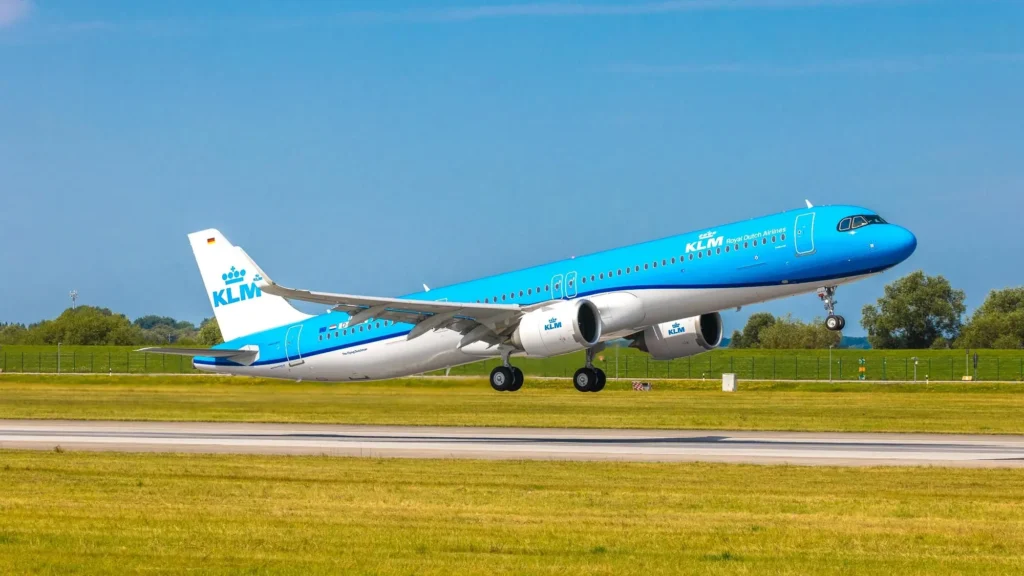
King Willem-Alexander will now begin training on the Airbus A321neo, one of the new aircraft entering KLM’s fleet. The transition ensures he remains qualified to fly aircraft that match the airline’s evolving operations.
The Airbus A320neo family will gradually replace KLM’s aging Boeing 737NG fleet across European routes. The airline introduced its first A321neo in 2024 and has already deployed the aircraft on multiple short-haul services from Amsterdam.
KLM selected the A320neo family in 2021 as part of a major fleet modernization strategy. The decision was driven by improved efficiency, lower noise levels, and reduced fuel consumption compared with the Boeing 737NG aircraft currently in service.
The new aircraft are about 50 percent quieter and deliver fuel burn and carbon emission reductions of up to 15 percent. The larger A321neo also allows KLM to carry more passengers on busy routes while operating within capacity limits at Amsterdam Schiphol Airport.
KLM’s Largest Short-Haul Fleet Transformation
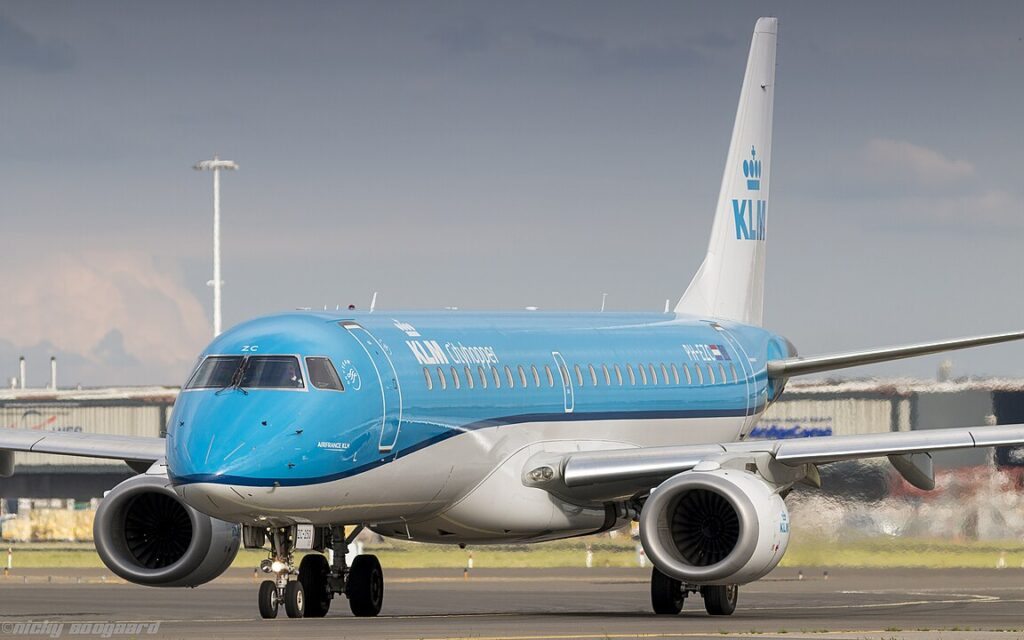
The airline’s fleet modernization extends beyond its Airbus order. KLM Cityhopper is also upgrading its regional fleet with Embraer 195-E2 aircraft, which are replacing older Embraer 190 jets.
These aircraft provide greater passenger capacity while maintaining the flexibility required for thinner European routes and high-frequency connections into Schiphol. The E195-E2 also delivers lower noise levels and improved fuel efficiency.
Together, the Airbus and Embraer upgrades represent one of the most significant fleet renewals in KLM’s recent history. The transition will gradually reshape the airline’s European network while improving operational efficiency and environmental performance.
Within this broader shift, King Willem-Alexander’s final Boeing 737 flight symbolizes the end of a long-standing era for both the monarch and the airline.
Stay tuned with us. Further, follow us on social media for the latest updates.
Join us on Telegram Group for the Latest Aviation Updates. Subsequently, follow us on Google News
