

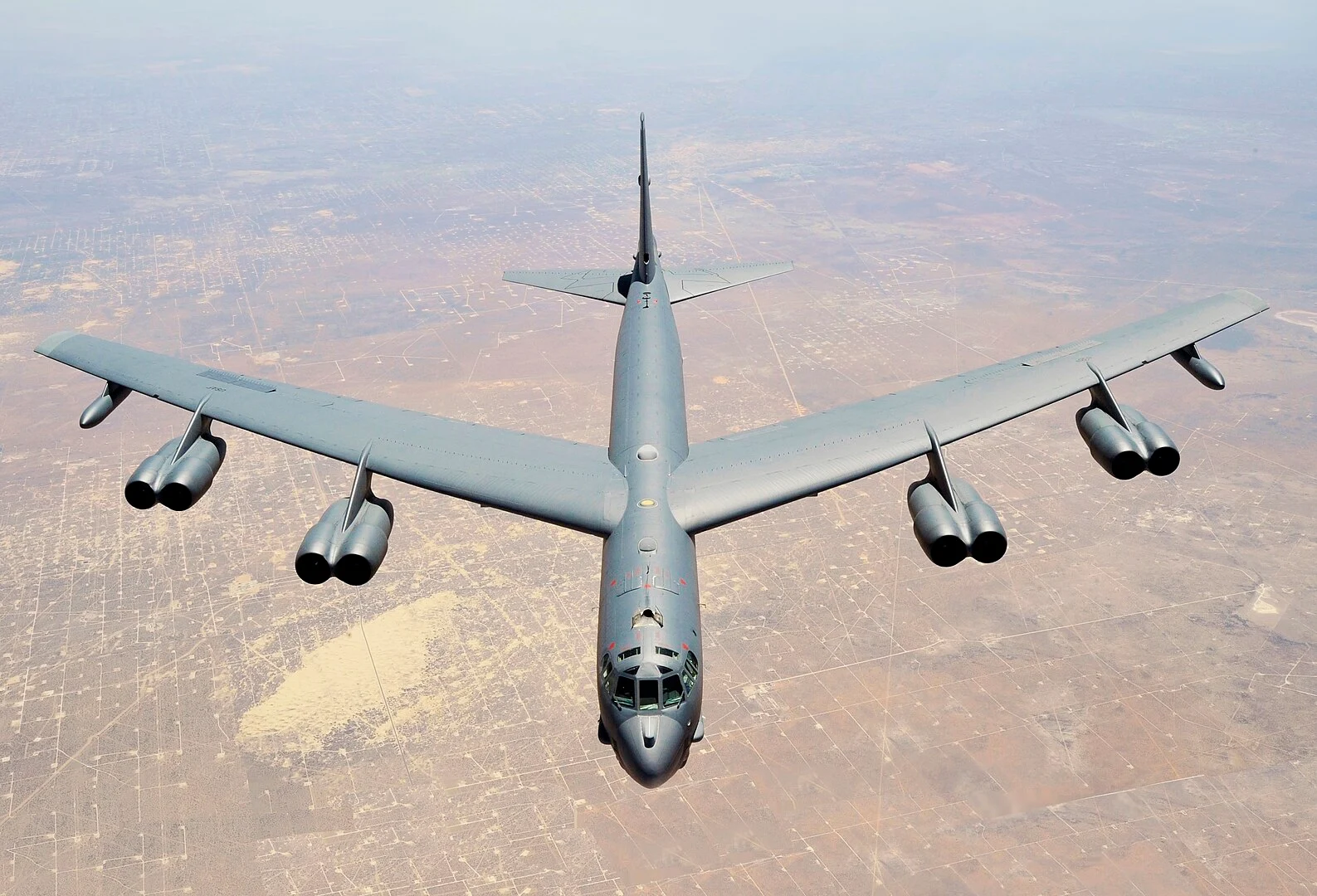
TEHRAN— The United States Air Force (USAF) has deployed one of its oldest strategic bombers, the B-52 Stratofortress, in recent air operations targeting Iranian military infrastructure. The strikes form part of Operation Epic Fury, a campaign launched on February 28, 2026, that focuses on ballistic missile sites and command facilities across the country, including areas near Tehran.
U.S. military officials confirmed that long-range bombers have played a major role in the expanding campaign. Command authorities coordinating from Washington, D.C., stated that the operation has already struck more than 2,000 targets across Iran since the opening phase of the conflict.
US-Iran Strikes with Old Bombers
Operation Epic Fury represents one of the most extensive U.S. air campaigns in recent years. U.S. Central Command said the effort focuses on degrading Iran’s missile capabilities and dismantling command-and-control infrastructure.
Strategic bombers, including the B-1B Lancer and B-52 Stratofortress, have carried out deep-strike missions against hardened targets.
Military leaders say the bombers targeted ballistic missile facilities, storage depots, and operational command centers.
According to the chairman of the Joint Chiefs of Staff, the strikes helped establish localized air superiority in several regions. This control allows coalition forces to conduct sustained operations while reducing risks to deployed personnel.
Pentagon officials added that the campaign has also destroyed more than 20 Iranian naval vessels. These actions aim to weaken Iran’s ability to project military power in the surrounding waters.
B-52 Combat Role
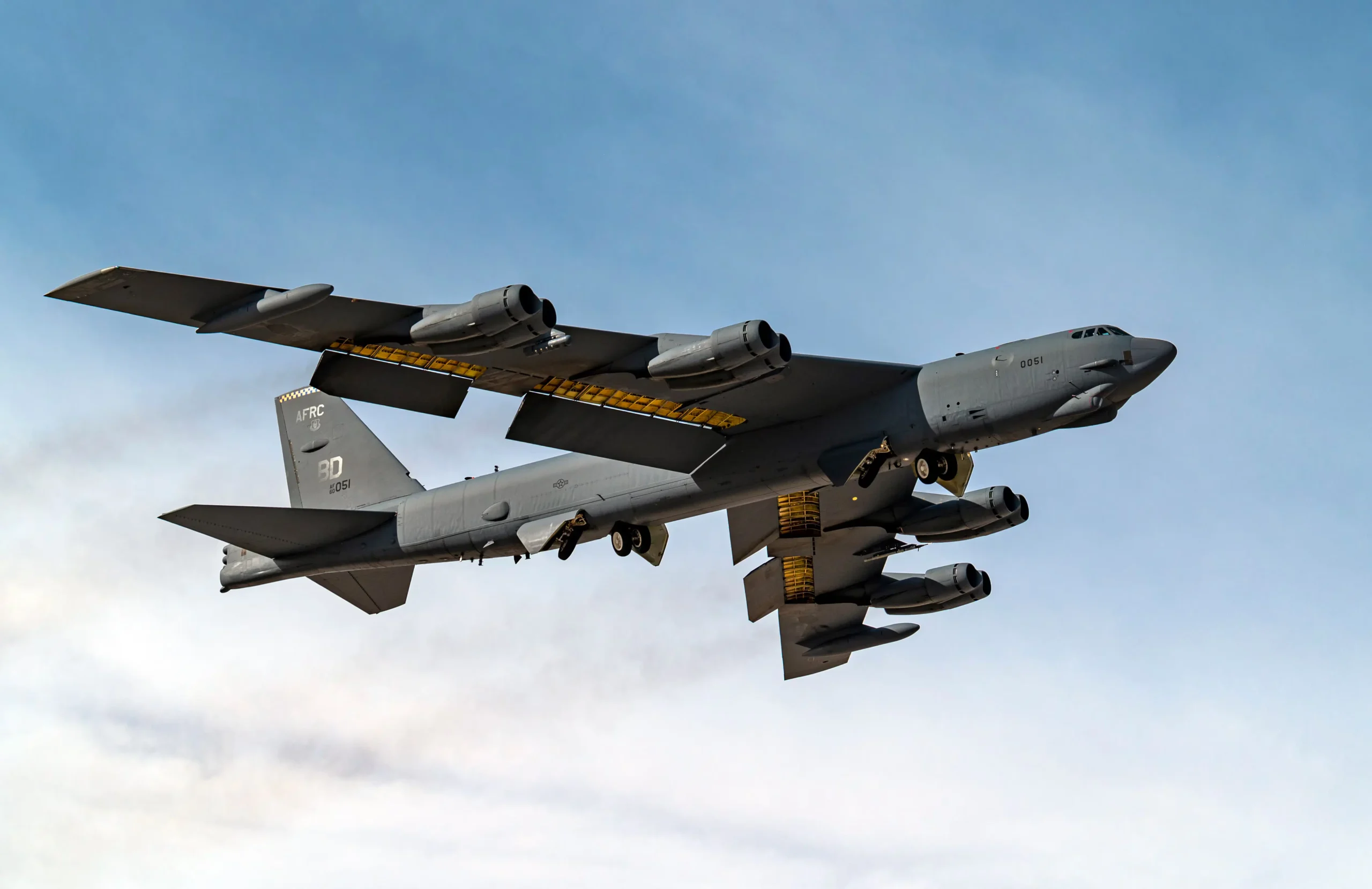
The B-52H Stratofortress remains one of the most versatile long-range bombers in the U.S. arsenal.
Despite its age, the aircraft continues to support modern combat missions due to constant upgrades and mission adaptability.
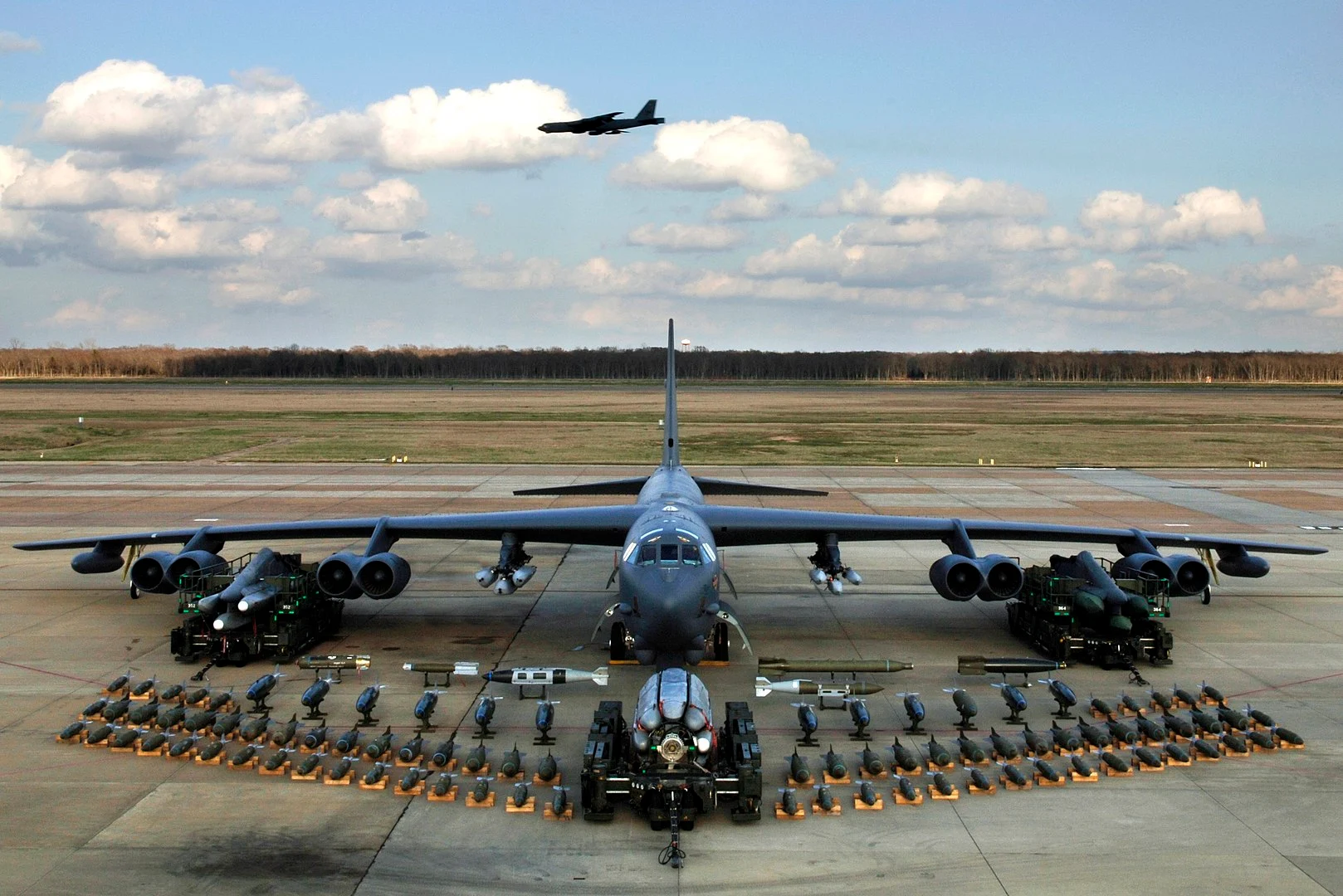
The bomber can fly at high subsonic speeds and reach altitudes of roughly 50,000 feet. Its design allows it to carry a payload of nearly 70,000 pounds consisting of bombs, mines, and guided missiles.
This capacity enables the aircraft to conduct precision strikes as well as large-scale bombardment missions. The bomber can also deploy both nuclear and conventional weapons depending on mission requirements.
Military planners often rely on the B-52 for long-range strike operations because of its endurance and heavy payload. Its ability to operate from distant bases allows the aircraft to strike targets across vast geographic areas.
Seven Decades of Service
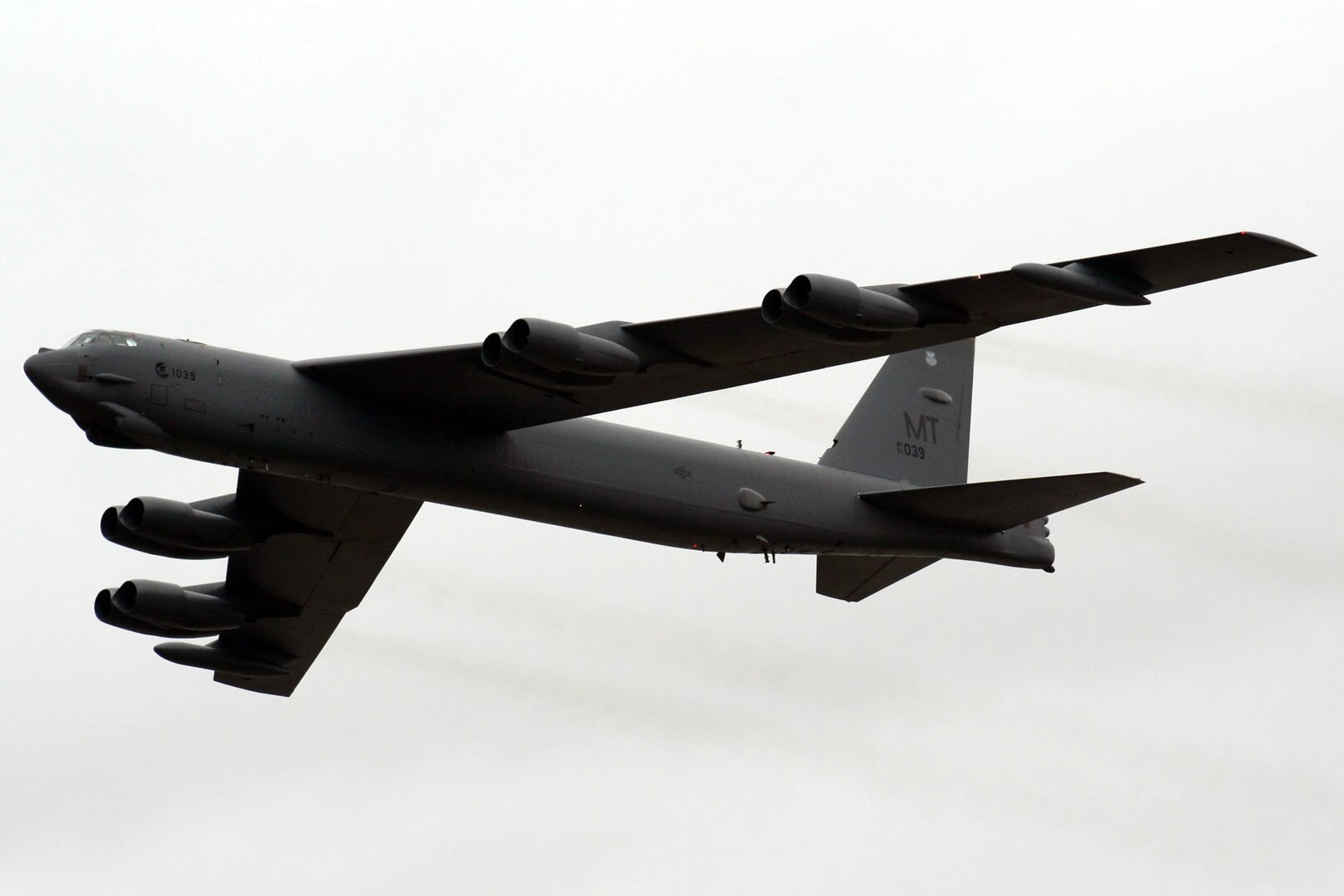
According to Defense News, the B-52 Stratofortress first flew on April 15, 1952, marking the introduction of America’s first jet-powered intercontinental strategic bomber.
Engineers designed the aircraft with a lightweight yet durable airframe that allowed for decades of modernization.
During the Vietnam War, the B-52 became the backbone of the United States strategic bomber force. Large-scale missions such as Operation Linebacker II demonstrated the aircraft’s ability to deliver sustained bombardment over heavily defended territory.
The bomber continued serving through later conflicts including the Gulf War and the Global War on Terror. Continuous upgrades to avionics, engines, and weapons systems have kept the aircraft operational well into the twenty-first century.
Defense analysts now note that the B-52 could remain active for nearly 100 years if modernization programs continue as planned.
Its latest deployment over Iran underscores how a Cold War-era aircraft still plays a central role in modern air warfare.
Stay tuned with us. Further, follow us on social media for the latest updates.
Join us on Telegram Group for the Latest Aviation Updates. Subsequently, follow us on Google News
