

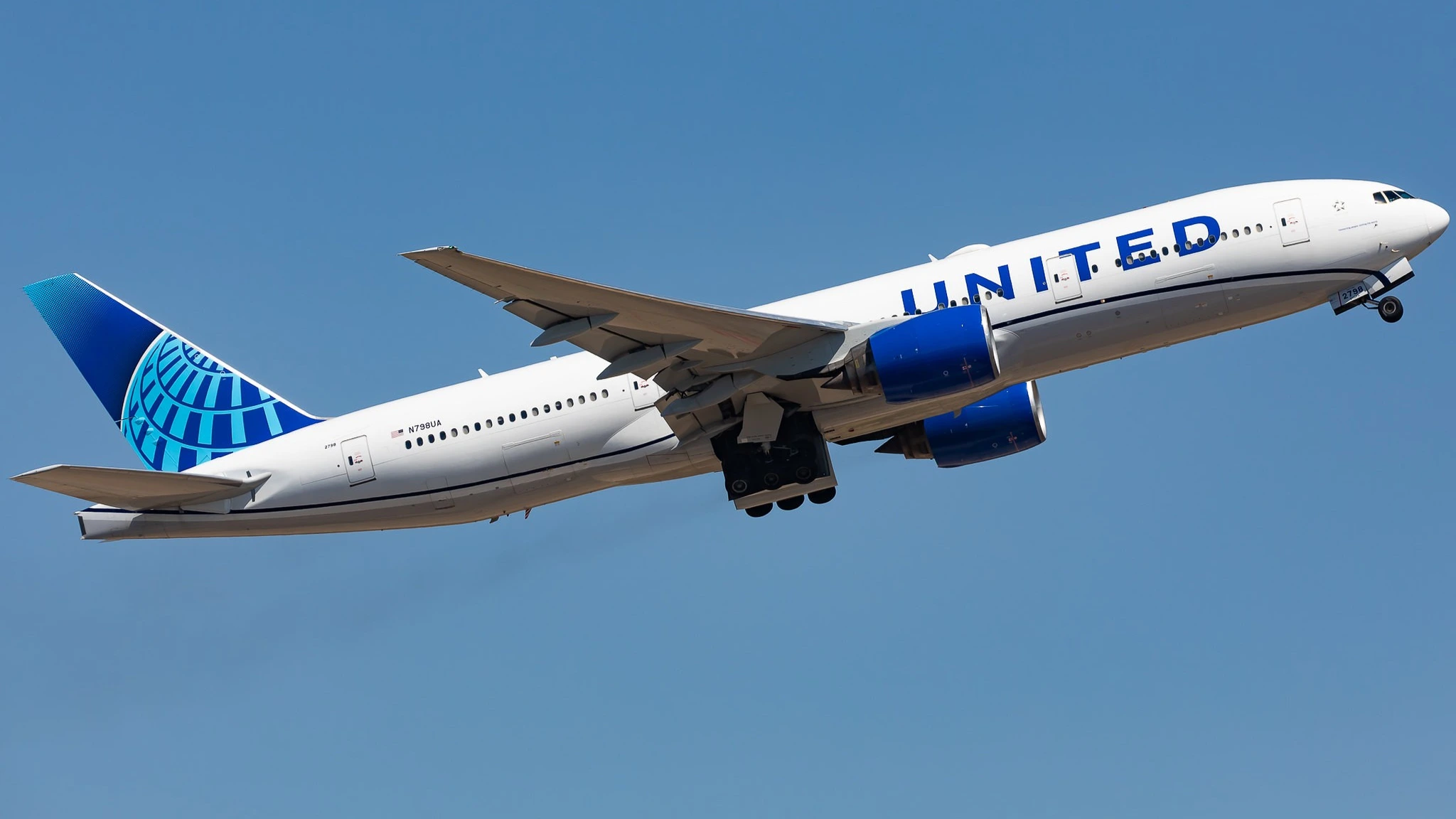
CHICAGO- United Airlines (UA) is facing continued legal scrutiny after a federal appeals court rejected its attempt to dismiss a class action lawsuit linked to its COVID-19 vaccine mandate.
The case centers on employees connected to Chicago (ORD), where the airline is headquartered, and challenges how United handled workers who requested religious or medical vaccine exemptions.
United Vaccine Mandate Lawsuit Goes Ahead
A United States federal appeals court has rejected an effort by United Airlines to dismiss a class action lawsuit filed by employees over the airline’s COVID-19 vaccine policy introduced in 2021.
The policy required employees to receive a COVID-19 vaccine within five weeks or risk termination. United became the first major US airline to impose such a mandate during the pandemic.
The airline allowed workers to request exemptions on medical or religious grounds. Nearly 6,000 employees submitted exemption requests, while the airline approved just over 4,000 of those applications.
Employees whose requests were denied faced possible termination. Workers who received exemptions were initially informed that they would be placed on indefinite unpaid leave until pandemic conditions significantly improved.
Legal challenges quickly followed from employees who argued that the policy forced them to choose between their religious beliefs and their employment.
According to PYOK, the dispute evolved into a broader legal battle over how companies handled vaccine mandates during the pandemic.
How United Adjusted Its Vaccine Policy
Following early lawsuits, United Airlines modified parts of its policy.
Some non-customer-facing employees were allowed to continue working if they agreed to regular COVID-19 testing and wore masks while on duty.
However, frontline employees, including pilots and flight attendants, were not offered the same option. Many of these workers were placed on unpaid leave for approximately five months until pandemic restrictions eased across the United States.
The policy resulted in around 2,221 employees being placed on unpaid leave, which later formed the core of the class action lawsuit.
Structure of the Class Action Case
The lawsuit originally proposed three groups of plaintiffs.
The first group included employees who applied for a religious or medical exemption but then faced termination, unpaid leave, or pressure to receive the vaccine.
The second group included employees who were allowed to work under strict testing and masking requirements.
The third group consisted of frontline workers who were only offered unpaid leave as an accommodation.
A federal district court declined to certify the first two groups as part of the class action. However, the court allowed the third group to proceed.
Appeals Court Upholds Lower Court Ruling
Both United Airlines and the employees appealed the district court’s decision to the US Court of Appeals for the Fifth Circuit.
Employees sought certification for the first two groups, while United requested that the third group be removed from the case.
After several years of legal proceedings, the appeals court upheld the lower court’s ruling. This means the third group of employees, mainly frontline staff placed on unpaid leave, can continue pursuing their class action lawsuit.
The decision ensures that the dispute will move forward in federal court rather than being dismissed.
Wider Attention on United Leadership
The ruling comes during increased political attention around United Airlines’ leadership.
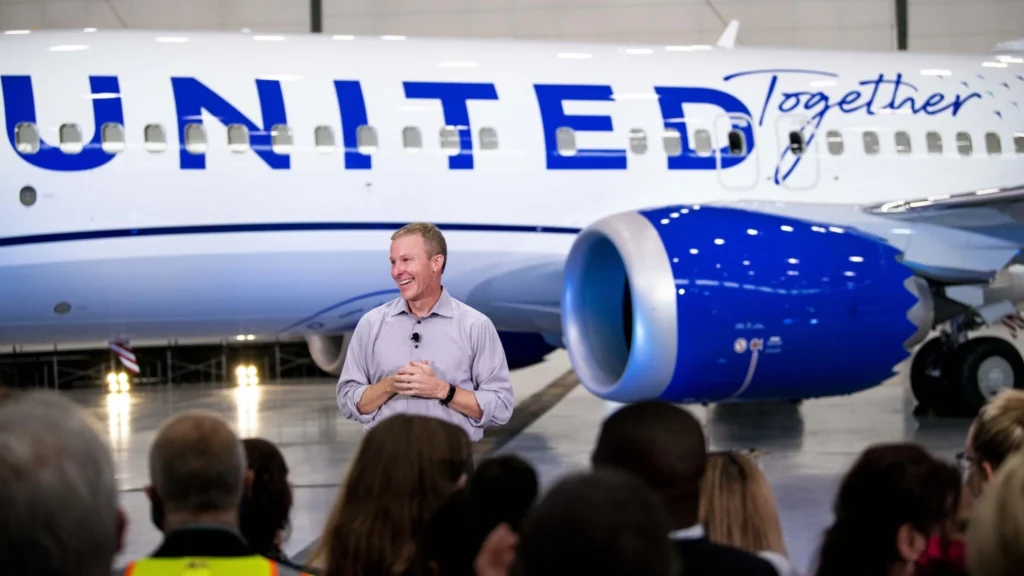
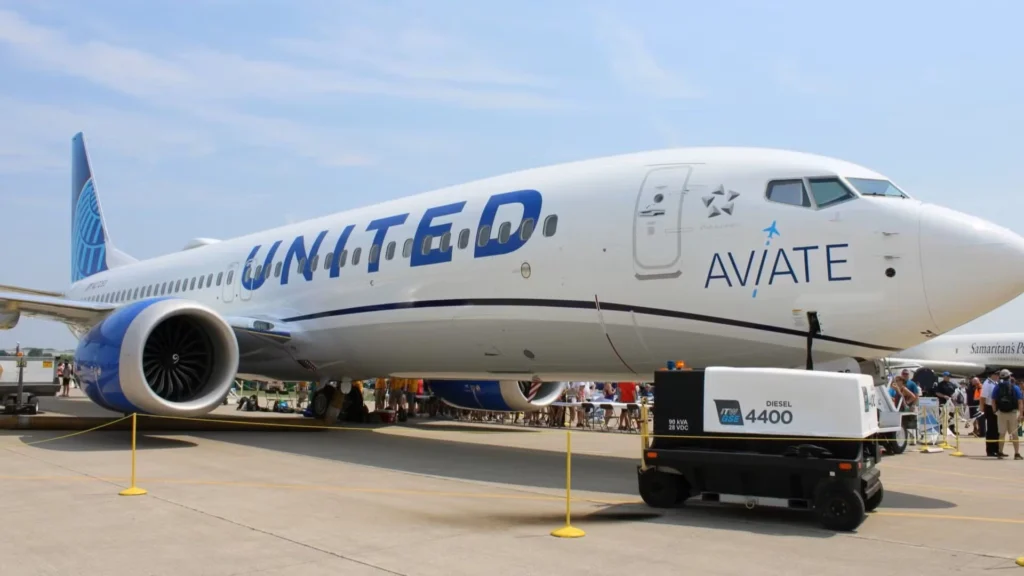
Chief Executive Officer (CEO) Scott Kirby recently faced criticism from some conservative commentators after an earlier video resurfaced discussing diversity goals within United’s Aviate pilot training academy.
In the video, Kirby stated that the airline aimed for half of pilot trainees to be women or people of color. The clip gained renewed attention after Kirby appeared on a podcast and emphasized that United hires only the most qualified candidates.
The legal case regarding the vaccine mandate remains separate from this political debate but continues to draw attention due to its implications for workplace policies introduced during the pandemic.
Stay tuned with us. Further, follow us on social media for the latest updates.
Join us on Telegram Group for the Latest Aviation Updates. Subsequently, follow us on Google News
