


BARBADOS- A sudden walkout strike by air traffic controllers (ATC) forced Barbados to close its airspace for around seven and a half hours on March 7, disrupting multiple international flights.
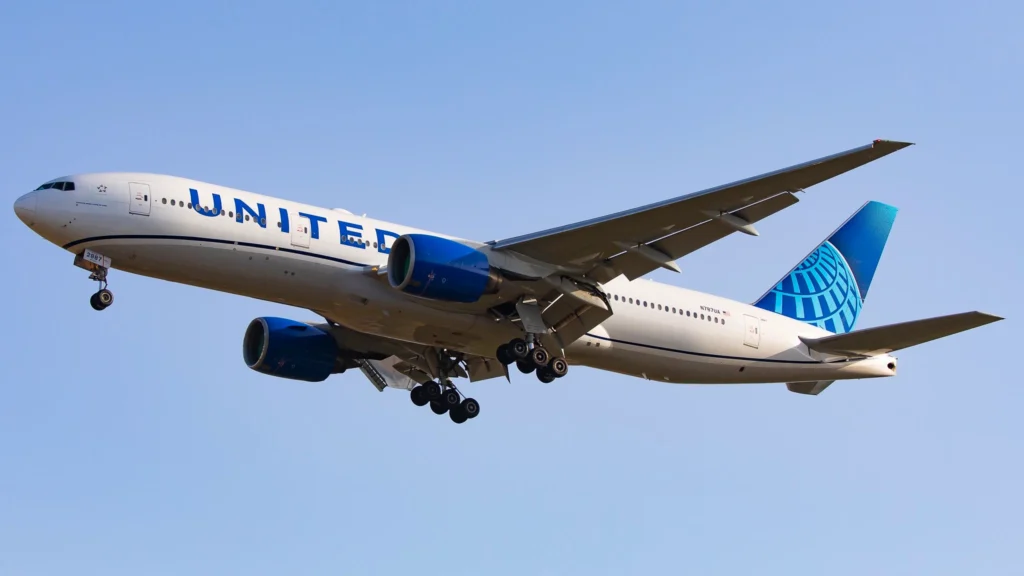
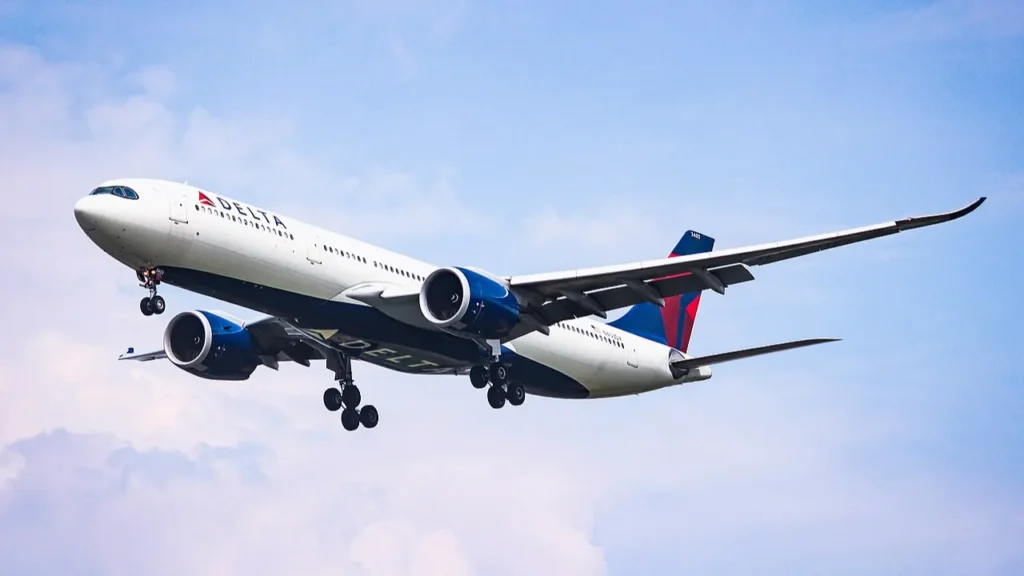
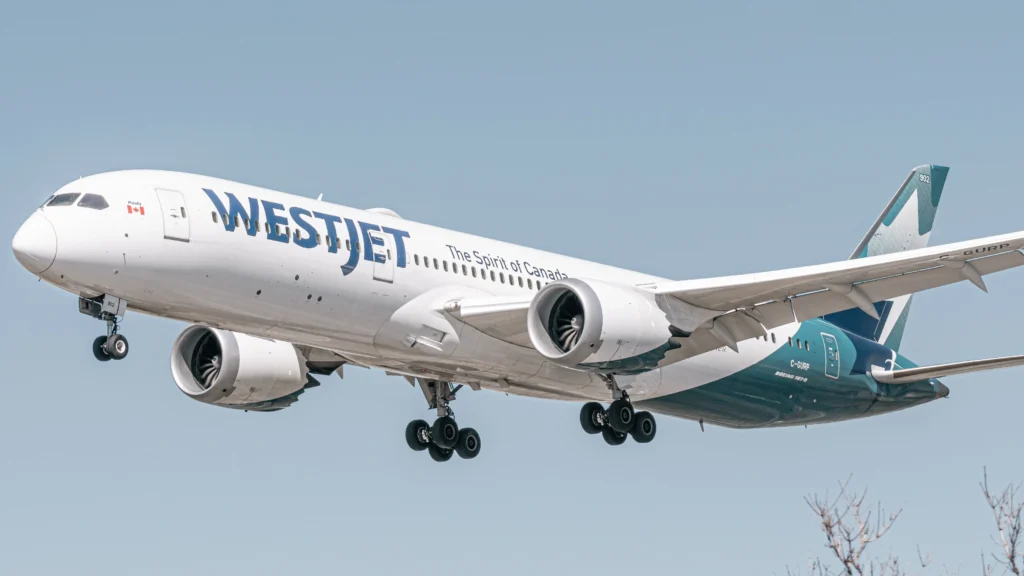
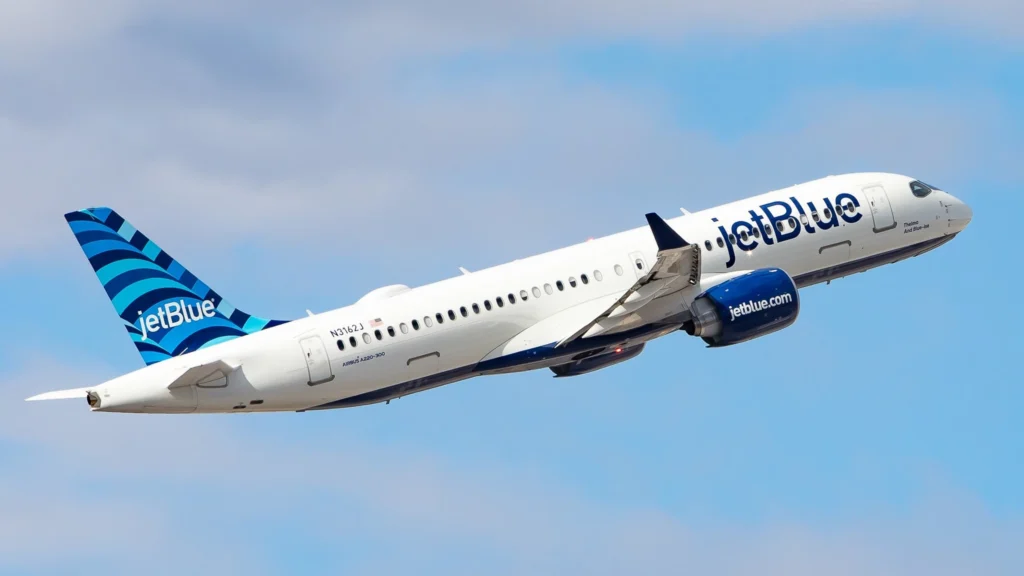
Airlines, including Air Canada (AC), WestJet (WS), United Airlines (UA), JetBlue (B6), and Delta Air Lines (DL) were forced to divert, cancel, or return flights.
The disruption affected flights from Toronto Pearson International Airport (YYZ), Newark Liberty International Airport (EWR), John F. Kennedy International Airport (JFK), and Hartsfield-Jackson Atlanta International Airport (ATL) to Grantley Adams International Airport (BGI). The sudden closure left aircraft already en route with no option but to divert or return.
Barbados ATC Strike
One of the most notable disruptions involved Air Canada (AC) flight AC966, operated by a Boeing 787 Dreamliner.
The packed aircraft departed Toronto Pearson International Airport (YYZ) at around 9 AM for what should have been a routine four and a half hour flight to Grantley Adams International Airport (BGI).
Nearly 4 hours into the journey, after passing near Bermuda, the aircraft was forced to perform a U-turn due to the closure of Barbados airspace.
The aircraft ultimately returned to Toronto, spending almost the same amount of time in the air that it would normally take to reach Barbados.
The unusual situation effectively created a “flight to nowhere,” where passengers departed normally but returned to their origin without reaching their destination.
The Barbados Ministry of Tourism and International Transport confirmed that the island’s airspace remained closed for about seven and a half hours on March 7.
The shutdown occurred after air traffic controllers staged an unsanctioned strike. The protest reportedly stemmed from unresolved workplace grievances, including staff shortages that forced controllers to take on additional responsibilities without extra compensation.
As the walkout began, flights were grounded and inbound aircraft were unable to land. Passengers were also stranded at Grantley Adams International Airport (BGI) during the disruption.
According to PYOK, the unexpected strike quickly forced aviation authorities to suspend air traffic operations until the situation could be resolved.
Government Intervention to Restore Operations
The Barbadian government intervened to resolve the dispute as the aviation disruption intensified.
Officials convened an emergency meeting involving two unions representing air traffic controllers:
- Barbados Workers’ Union
- National Union of Public Workers
The discussions lasted several hours as authorities attempted to reach a temporary solution and restore airspace operations.
Sources described the talks as productive. Controllers eventually returned to work after the government agreed to hold further negotiations on March 11 to address the outstanding issues.
Multiple Airlines Forced to Divert or Cancel Flights
The sudden closure disrupted several international airline operations.
A WestJet (WS) flight from Toronto Pearson International Airport (YYZ) to Grantley Adams International Airport (BGI) was also forced to turn back mid-flight. Because the aircraft departed later than the Air Canada flight, the time spent in the air was shorter for passengers.
United Airlines (UA) diverted its daily service from Newark Liberty International Airport (EWR) back toward New York roughly 90 minutes after departure.
JetBlue (B6) also turned a flight around and returned it to John F. Kennedy International Airport (JFK).
Delta Air Lines (DL) diverted a flight from JFK to Puerto Rico during the disruption. The airline also cancelled its daily departure between Hartsfield-Jackson Atlanta International Airport (ATL) and Grantley Adams International Airport (BGI) on the same day.
Impact on Passengers and Airline Operations
The unexpected airspace shutdown caused widespread disruption for passengers traveling to Barbados.
Aircraft already airborne were forced to return or divert, while passengers waiting at the airport faced delays and uncertainty.
Airlines had to manage aircraft repositioning, crew duty limits, and passenger rebooking once operations resumed.
Although air traffic controllers eventually returned to duty and airspace reopened, the incident demonstrated how labor disputes in air traffic control can quickly disrupt international aviation networks.
Stay tuned with us. Further, follow us on social media for the latest updates.
Join us on Telegram Group for the Latest Aviation Updates. Subsequently, follow us on Google News
