

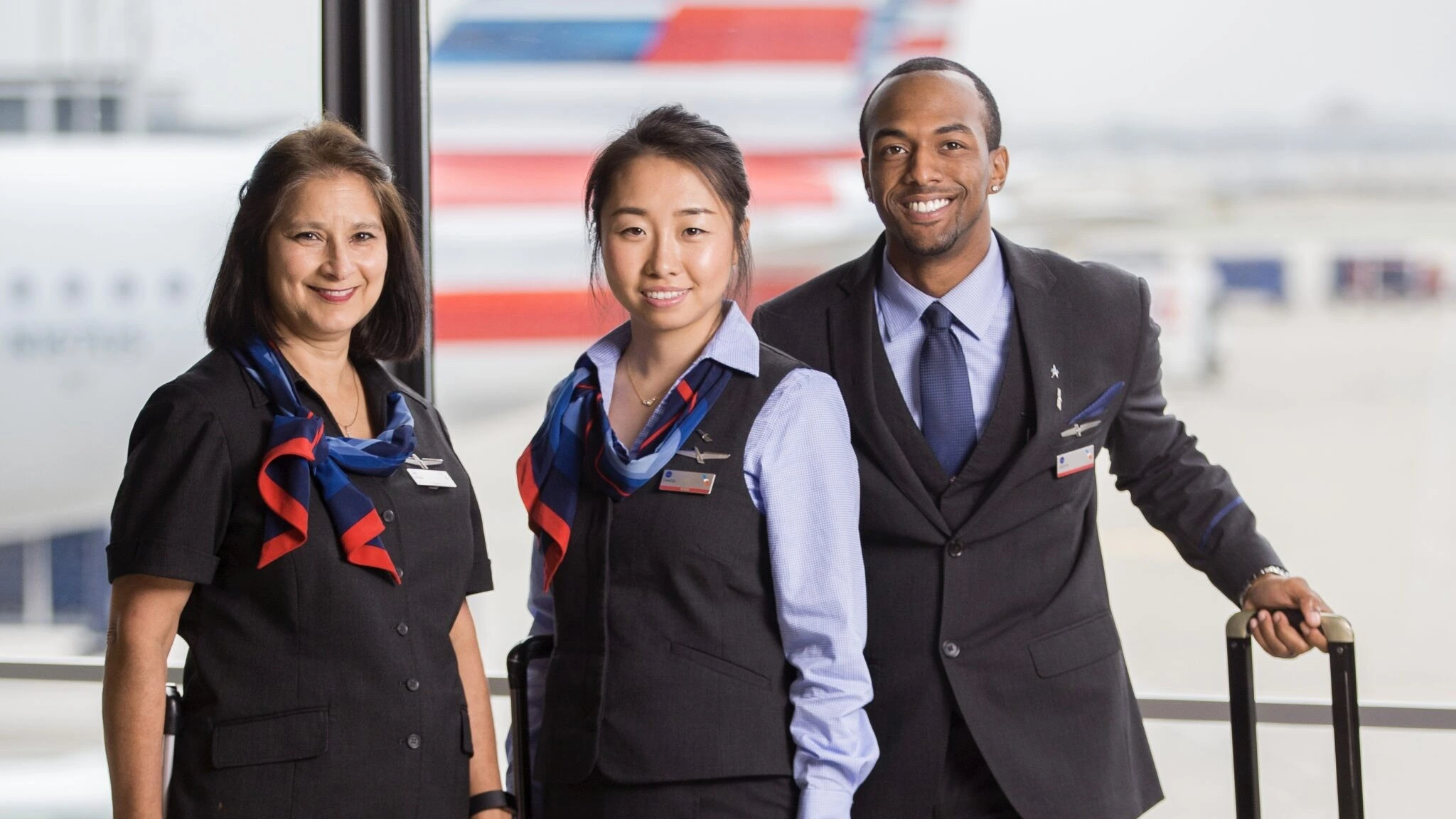
FORT WORTH- American Airlines (AA) has begun reviewing hotels used by its flight attendants as part of a wider cost-cutting strategy. The move has triggered concern from the Association of Professional Flight Attendants (AFPA), which argues the changes may affect crew rest and working conditions.
The airline’s latest cost review comes amid pressure to improve financial performance against rivals. The dispute involves crew layover locations across several cities and airports, such as Dallas Fort Worth International Airport (DFW) and New York John F. Kennedy International Airport (JFK).
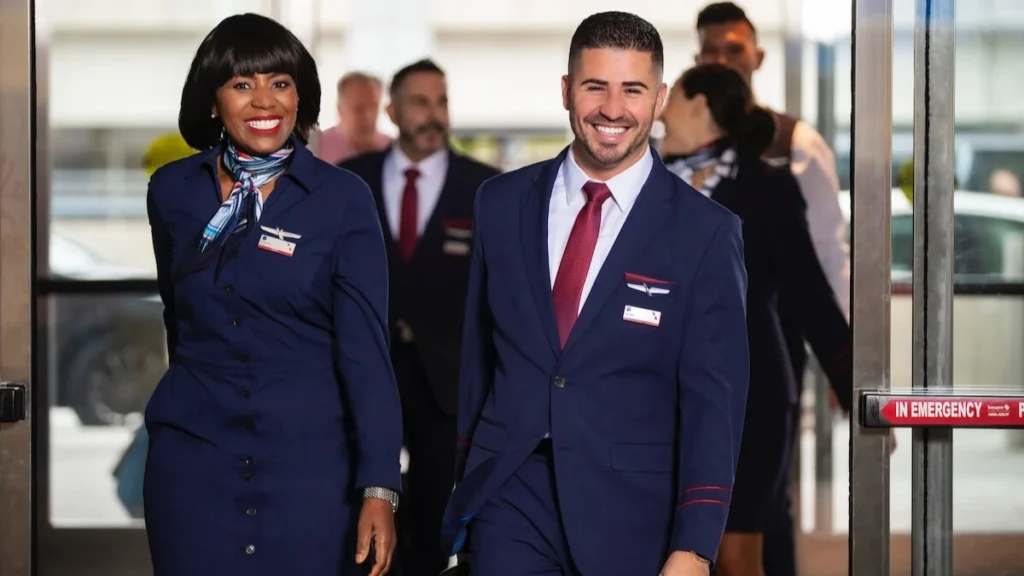
American Airlines Reviews Crew Layover Hotels
American Airlines has started evaluating hotels used for flight attendant layovers across its global network. The initiative is part of a broader effort to reduce operational costs and narrow the earnings gap with Delta Air Lines (DL) and United Airlines (UA).
The Association of Professional Flight Attendants (APFA), which represents American’s cabin crew, warned that the airline plans to reassess nearly every layover city. According to the union, management intends to replace several long-standing hotels with lower-cost alternatives.
According to PYOK, an internal memo circulated with PYOK exclusively by the union states that the airline plans to significantly increase hotel site inspections. American Airlines reportedly aims to conduct at least eight hotel reviews each month as part of the process.
Hotel site visits normally occur when contracts approach renewal or when concerns about safety or quality arise. In this case, however, the union claims that many of the targeted hotels currently meet contractual standards and have no reported issues.
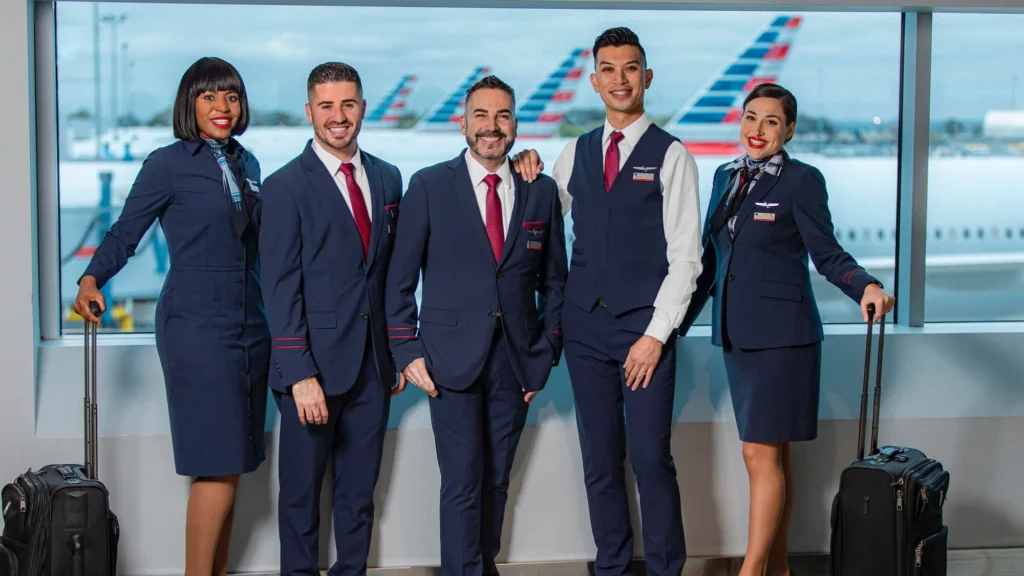
Union Raises Concerns Over Crew Safety and Rest
APFA argues that the hotel selection process is governed by contractual provisions that prioritize crew safety, comfort, and accessibility. These standards include secure transportation, quiet rooms, safe locations, and adequate dining options.
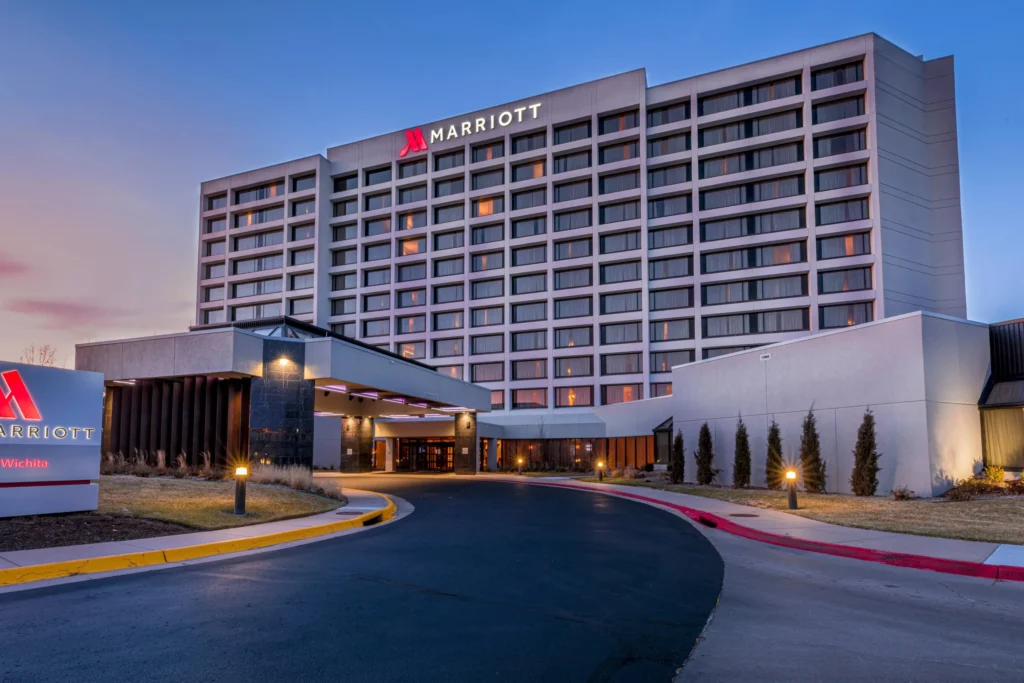
The union warned that shifting to cheaper accommodations could move crew members away from central locations or reduce the quality of facilities available during layovers. Such changes could impact rest periods that are critical for flight attendants performing safety duties.
Union representatives also claim that some of their hotel recommendations have been ignored during the evaluation process. They insist that the airline must respect the contract language governing crew accommodations.
Cost Pressure Following Financial Decline
The tension comes after American Airlines reported a sharp drop in profitability. The airline’s profits declined by 84 percent in 2025, increasing pressure on management to reduce expenses and improve financial performance.
In response, the APFA issued a unanimous vote of no confidence in CEO Robert Isom earlier this year. The union criticized leadership decisions and argued that cost reductions should not compromise employee working conditions.
Despite the criticism, Isom has rejected calls to step down and continues to receive support from the airline’s board of directors.
Strategy Reflects Broader Industry Trend
American’s approach mirrors strategies already used by other airlines. United Airlines, for example, has used contractual wording to relocate crew hotels away from central city areas in certain international destinations.
United flight attendants no longer stay in central areas of cities such as Amsterdam, London, and Rome. In the London market, crews are now housed in Woking, roughly 24 miles from Central London. Travel to major attractions such as Piccadilly Circus can take around 45 minutes by train.
The issue has become a point of contention in contract negotiations between United Airlines and the Association of Flight Attendants (AFA-CWA). The union has indicated that future agreements may strengthen rules governing layover accommodations.

Continued Cost Focus Under CEO Robert Isom
Robert Isom has built a reputation for implementing aggressive cost controls since taking the top job at American Airlines. One widely debated decision was the removal of seatback entertainment screens from many narrowbody aircraft.
Critics argued that the move reduced the onboard experience at a time when competitors were investing heavily in premium cabins and upgraded inflight technology.
Despite the criticism, American Airlines leadership has signaled that the current strategy will remain in place. The airline continues to pursue efficiency improvements as it works to strengthen profitability and compete with other major U.S. carriers.
Stay tuned with us. Further, follow us on social media for the latest updates.
Join us on Telegram Group for the Latest Aviation Updates. Subsequently, follow us on Google News
