

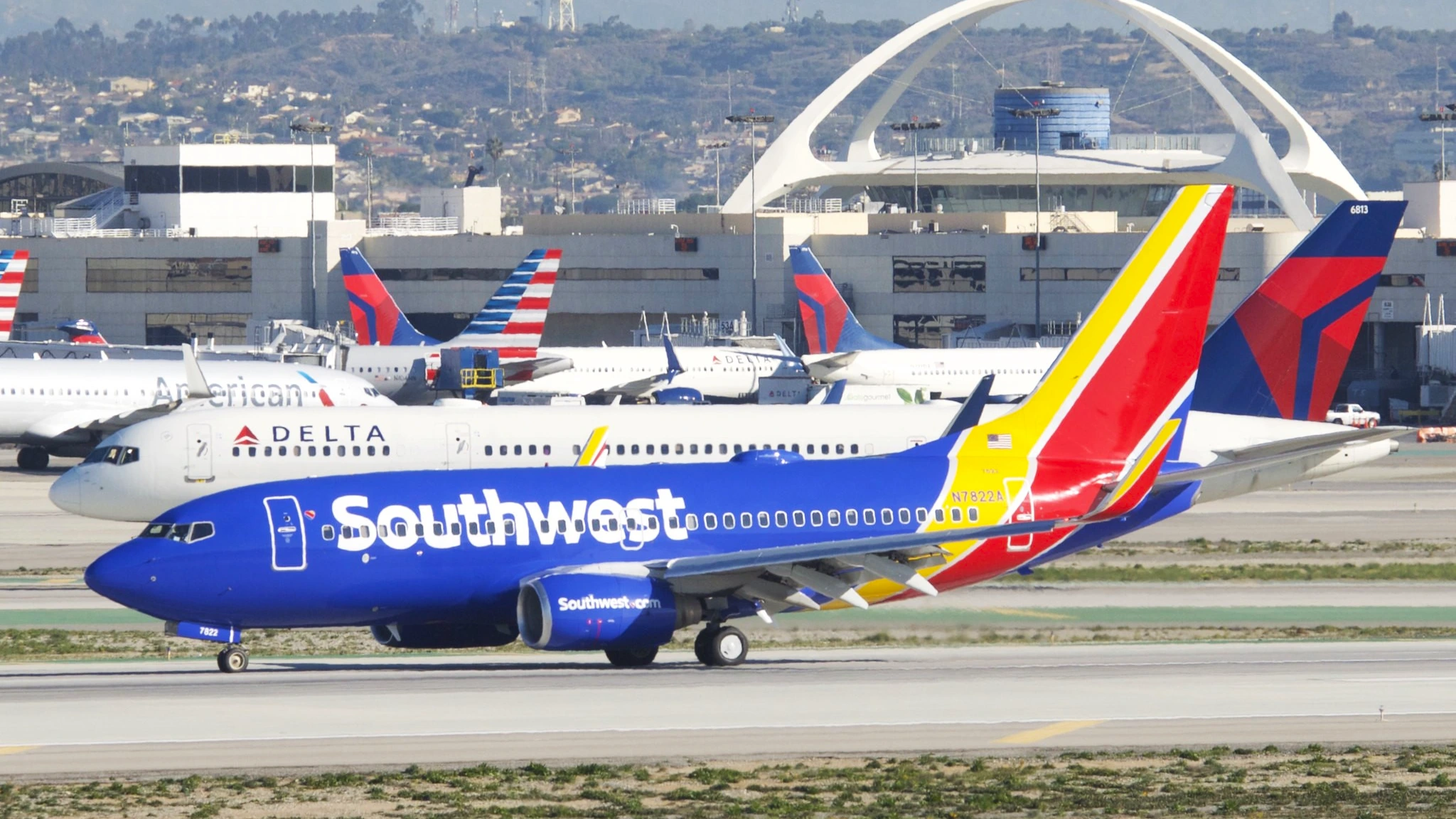
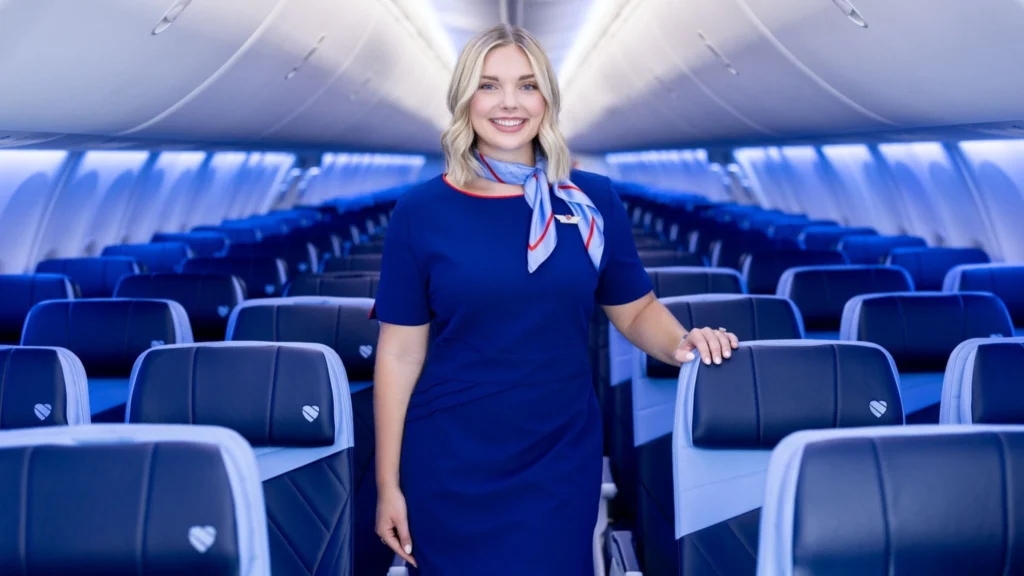
DALLAS- Southwest Airlines (WN) is testing a new aircraft cleaning approach that targets only premium extra legroom seats between flights.
The airline operates primarily from Dallas Love Field (DAL), where fast aircraft turnaround remains central to its operational strategy.
The experiment involves bringing cabin cleaners onboard during short ground stops to sanitize the premium seating area.
While the effort aims to improve the experience for passengers paying extra, a flight attendant’s union leader argues the approach creates unequal service within the cabin.
Southwest Experiments With Premium Seats Cleaning
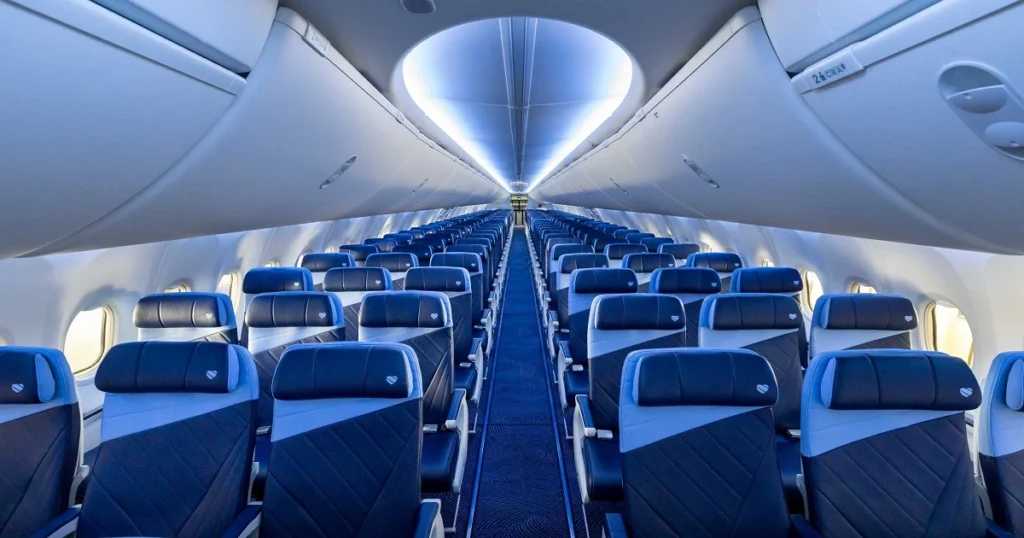
Southwest Airlines (WN) has begun testing a process where cleaners briefly board aircraft between flights to clean only the premium extra legroom seating section.
The trial marks a change from the airline’s traditional approach, which relies on flight attendants to tidy the cabin during quick turnarounds.
Chris Click, a flight attendants’ union board member and safety chair, raised concerns about the experiment in a video shared with crewmembers.
He said he received an internal memo from the airline on Tuesday explaining that cleaners would board aircraft during certain turnarounds to clean the airplane.
Click criticized the decision to clean only the premium seating area. He said the policy resembles the class divisions depicted in the movie Titanic, where upper class passengers enjoyed luxury while others received fewer services.
He described the situation as similar to passengers in the upper decks “having cigars and sipping brandy and telling their stories of their untold fortunes” while passengers below deck received less attention.
According to him, the policy effectively introduces a class-based service structure within the cabin.
Reported by View from the Wing, Click stated that although Southwest often says it does not offer class-based service, the cleaning experiment suggests otherwise.
He argued that bringing cleaners onboard to provide a different level of cleaning in the front of the aircraft amounts to a form of first-class service.
Difference Between Tidying and Cleaning
Southwest flight attendants typically tidy the cabin between flights as part of the turnaround process.
Their responsibilities include collecting visible trash, arranging seatbelts across seats, and preparing the cabin for the next boarding.
However, these tasks are limited to surface level tidying. Flight attendants are not expected to reach into seatback pockets or perform deeper cleaning tasks. Click noted that there is a clear difference between tidying an aircraft and properly cleaning it.
He argued that under the current experiment the front of the cabin would appear thoroughly cleaned while the rest of the aircraft would only receive what he described as basic or limited tidying.
Concerns About Passenger Perception
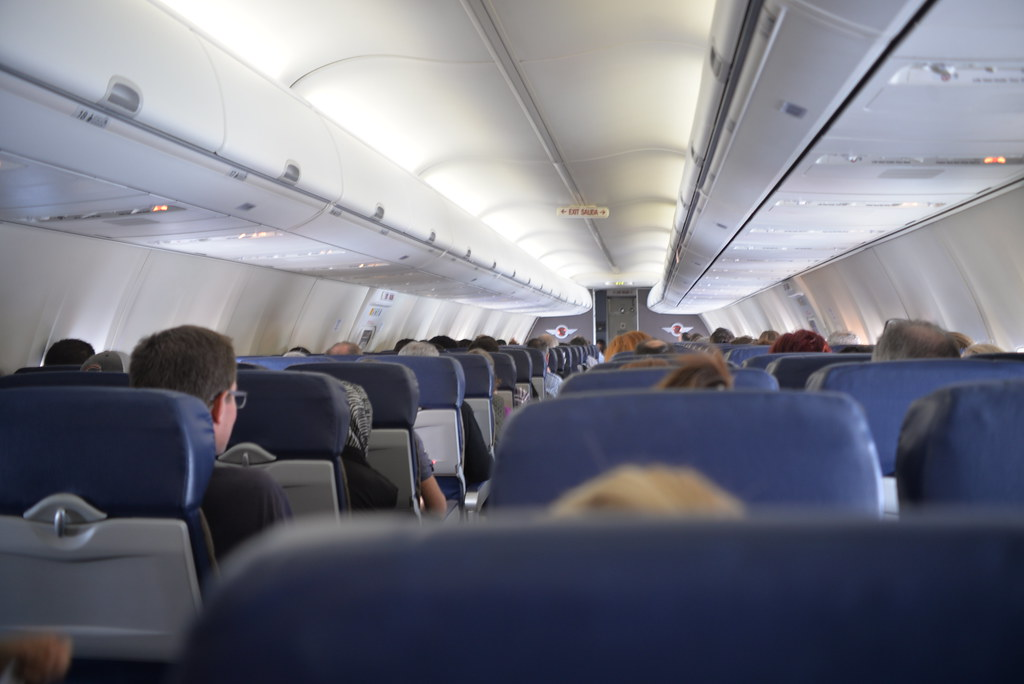
Click warned that passengers boarding the aircraft could easily notice the difference between sections. If premium seats appear freshly cleaned while other areas do not, travelers may question the airline’s service standards.
He also predicted that passengers who become frustrated with uneven cleaning will direct complaints toward flight attendants working onboard the aircraft.
These crew members remain responsible for preparing the cabin even though the new process introduces separate cleaning standards.
The union representative also described the existing tidying efforts as “half-hearted” when compared with a full cleaning performed by professional crews.
The remark drew attention because flight attendants themselves currently perform most of the turnaround cabin preparation.
Operational Strategy
Southwest Airlines has long prioritized quick aircraft turnaround times to keep planes flying and maintain efficiency.
Unlike many competitors, the airline has traditionally avoided bringing contract cleaners onto aircraft between flights.
This practice reduces time on the ground and increases aircraft utilization. However, it can also mean cabins receive less thorough cleaning compared with airlines that regularly use dedicated cleaning crews.
Even airlines that rely on contract cleaners often face similar challenges. Cleaning teams are sometimes given very limited time between flights, which can reduce the effectiveness of the cleaning process.
Labor and Workload Considerations
From the union perspective, assigning cleaners to the entire aircraft would reduce the workload placed on flight attendants during short turnarounds.
The union would prefer a system where professional cleaners handle the full cabin while flight attendants focus on safety and passenger service duties.
Critics argue that cleaning only part of the aircraft solves only a portion of the workload issue while introducing new concerns about passenger perception and service consistency.
Changing Travel Patterns and Cabin Conditions
Airline operations have also changed in recent years due to shifting passenger behavior. Many airlines charge fees for checked baggage, which encourages travelers to bring more carry-on luggage onboard.
This trend increases boarding times and often results in additional gate checked bags. As boarding takes longer, airlines must carefully balance turnaround efficiency with cabin preparation.
The union also pointed out that families with young children often sit in the rear of the aircraft rather than paying extra for premium seating.
These areas tend to become messier during flights, which raises concerns if those sections receive less cleaning attention.
Southwest’s Traditional Service Model
Southwest Airlines historically built its brand around simple and uniform service across the cabin.
The introduction of premium seating products and targeted cleaning efforts could signal a shift toward differentiated onboard experiences.
If passengers begin to see visible differences in cleanliness between seating areas, it may reshape perceptions of the airline’s long standing egalitarian approach.
The trial reflects the challenge airlines face when trying to deliver improved premium experiences without slowing down aircraft operations.
Stay tuned with us. Further, follow us on social media for the latest updates.
Join us on Telegram Group for the Latest Aviation Updates. Subsequently, follow us on Google News
