

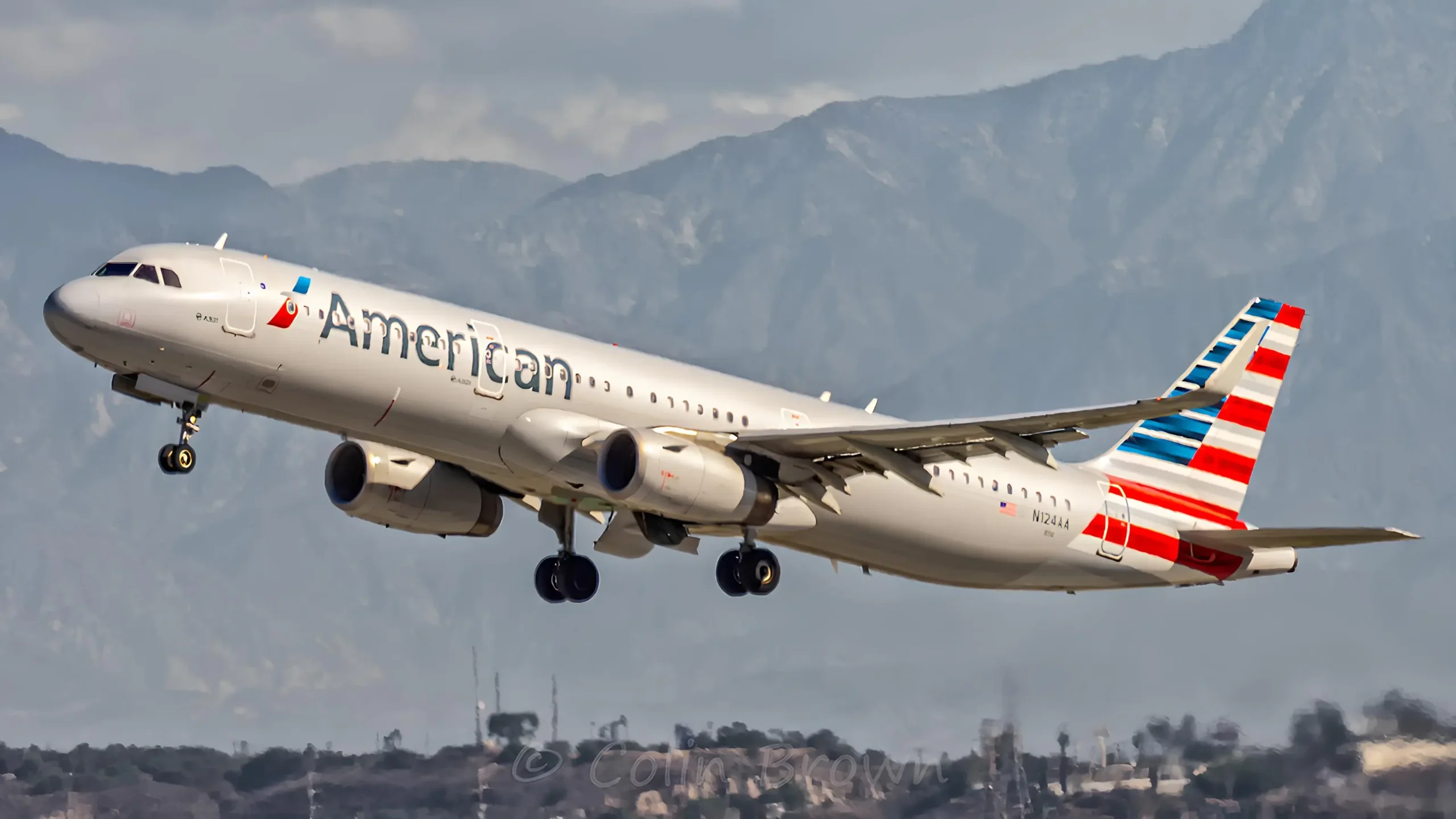
FORT WORTH- American Airlines (AA) has revised its Contract of Carriage with stricter reporting deadlines for damaged mobility devices and clearer rules for compensation when passengers are downgraded from premium cabins.
The updated policy changes how wheelchair claims are filed and how refund amounts are calculated for involuntary downgrades.
Passengers traveling through hubs such as Dallas/Fort Worth (DFW) must now report wheelchair damage within 24 hours on domestic flights, while refunds for downgrades from business or first class to economy are capped at 40 percent of the ticketed fare for the affected segment.
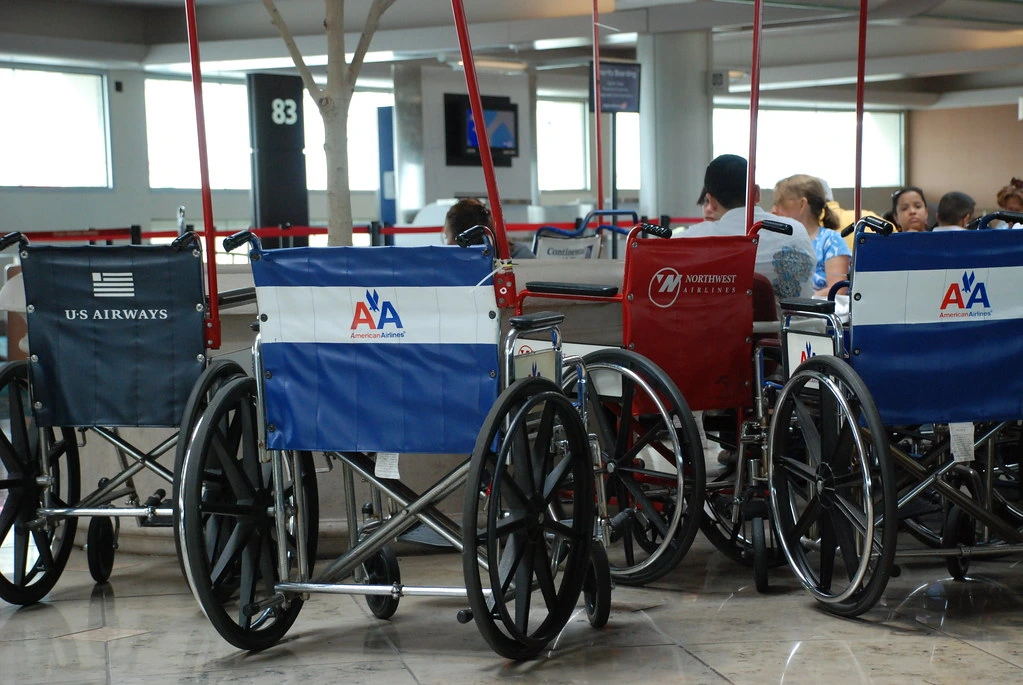
American Airlines Adds 24 Hour Wheelchair Claim
American Airlines introduced two key revisions to its passenger contract. These updates address liability timelines for mobility devices and refund calculations when passengers are moved to a lower cabin.
The changes follow a broader industry trend of airlines tightening operational rules.
For example, United Airlines (UA) recently updated its own policies to prevent passengers from purchasing multiple tickets to reduce fares and to restrict onboard activities such as video calls and viewing offensive content.
The updated contract establishes strict deadlines for reporting problems involving mobility or medical devices.
For domestic travel:
- Delayed delivery of mobility or medical devices must be reported within 24 hours.
- Damaged mobility or medical devices must also be reported within 24 hours.
For international travel:
- Delayed device delivery must be reported within 21 days.
- Damaged devices must be reported within 7 days.
Earlier versions of the contract did not include a specific filing deadline in the “Mobility and Medical Devices” section under liability time limits.
The new language introduces a defined reporting window that determines whether a claim will be accepted.
Reported by View from the Wing, American Airlines has historically recorded more wheelchair damage incidents per passenger than other US carriers.
A strict reporting window could reduce the number of claims accepted if passengers fail to file reports within the required timeframe.
Operational Challenges for Mobility Device Claims
Passengers may face several practical issues when filing damage claims.
A traveler might report damage verbally at the airport but fail to receive a formal claim number. In some cases, airline staff may categorize the issue as an assistance request instead of a mishandled assistive device report, which can affect eligibility for compensation.
Claims can also be rejected if passengers submit reports through Customer Relations instead of the Baggage Service office.
On multi-airline itineraries, passengers may initially report the issue to the wrong carrier, creating additional complications.
Another challenge involves damage that is not immediately visible. Wheelchairs can suffer issues such as:
- Bent frames
- Component misalignment
- Electronic system failures
- Joystick control malfunctions
These problems may appear only after the passenger begins using the chair later in the day or the following day.
Under the new domestic rule, such damage might be discovered after the 24-hour reporting window has already passed.
Passengers may also encounter long lines at baggage service offices or closed counters late at night.
Travelers experiencing pain, mobility limitations, or caregiver constraints may find it difficult to remain in line long enough to file a report immediately.
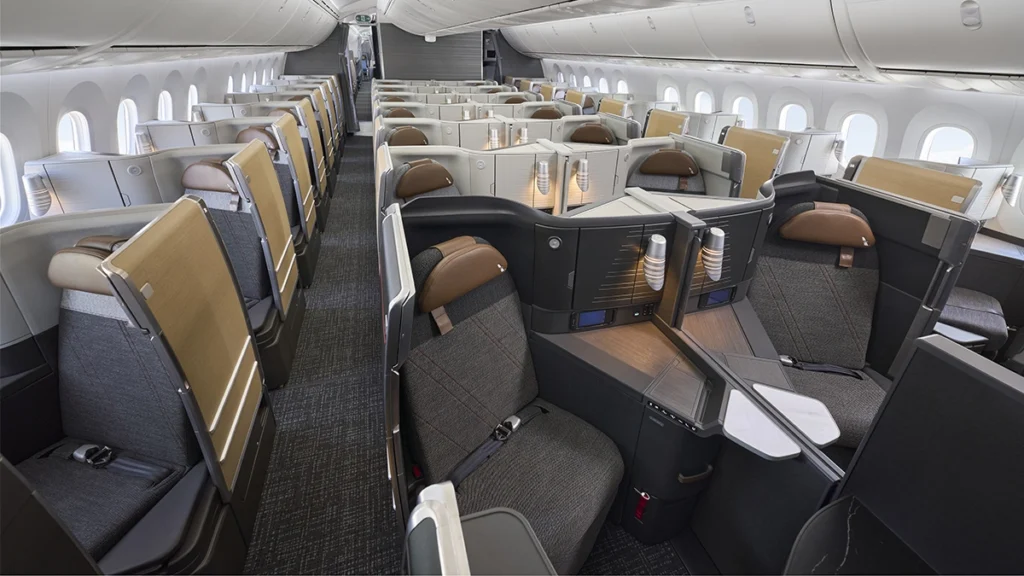
New Refund Structure for Cabin Downgrades
American Airlines also clarified its refund formula when a passenger is involuntarily downgraded to a lower cabin class.
The updated contract states that refunds will be issued at 40 percent of the ticketed fare for the affected segment.
Domestic Example
- Business class ticket: $1,050
- Economy ticket on the same route: $200
If the passenger is downgraded to economy, the airline would refund $420, which represents 40 percent of the ticketed segment fare.
International Example
- Business class ticket: $5,000
- Economy ticket: $500 or less
Under the new policy, the passenger would receive $2,000, even though the difference between the purchased cabin and economy may be far greater.
Past Refund Practices and Passenger Experiences
Passengers have previously reported difficulties with how downgrade refunds are calculated.
In many cases, the airline calculated compensation based on the highest economy fare sold on the flight, rather than the difference between premium and economy cabins.
One reported case involved a comedian who purchased first class tickets costing several thousand dollars but was moved to coach seats to accommodate deadheading pilots. Despite the high ticket price, the passenger stated that the compensation offered was only about $400.
In some situations, the new 40 percent refund rule could provide slightly higher compensation than the earlier calculation method.
However, the new formula still does not necessarily match the price difference between the purchased cabin and the one actually flown.
Regulatory Expectations and Passenger Rights
The US Department of Transportation generally states that airlines should refund the difference between the original fare and the fare for the downgraded cabin.
Critics argue that the fixed 40 percent refund formula does not always reflect that difference. On routes with large price gaps between premium cabins and economy, passengers may recover only part of the additional amount they paid.
Some passenger advocates argue that a fair downgrade policy should include:
- A refund based on the actual fare difference at the time of purchase.
- A refund reflecting the highest and lowest fares paid within each cabin.
- Financial penalties when airlines fail to deliver the purchased cabin product.
- Future travel compensation in the originally purchased premium cabin.
Travelers often select specific flights or airlines to access premium cabin products. If the airline cannot provide the purchased service, passengers may have chosen a different flight or carrier if that information had been known earlier.
Limited Avenues for Dispute Resolution
Passengers may submit complaints to the U.S. Department of Transportation, but regulatory intervention in individual disputes can be limited.
As a result, most complaints about damaged mobility devices or downgrade compensation must be handled through the airline’s internal baggage and customer relations processes.
Understanding the updated Contract of Carriage has therefore become important for travelers who rely on assistive devices or purchase premium cabin tickets.
Stay tuned with us. Further, follow us on social media for the latest updates.
Join us on Telegram Group for the Latest Aviation Updates. Subsequently, follow us on Google News
