

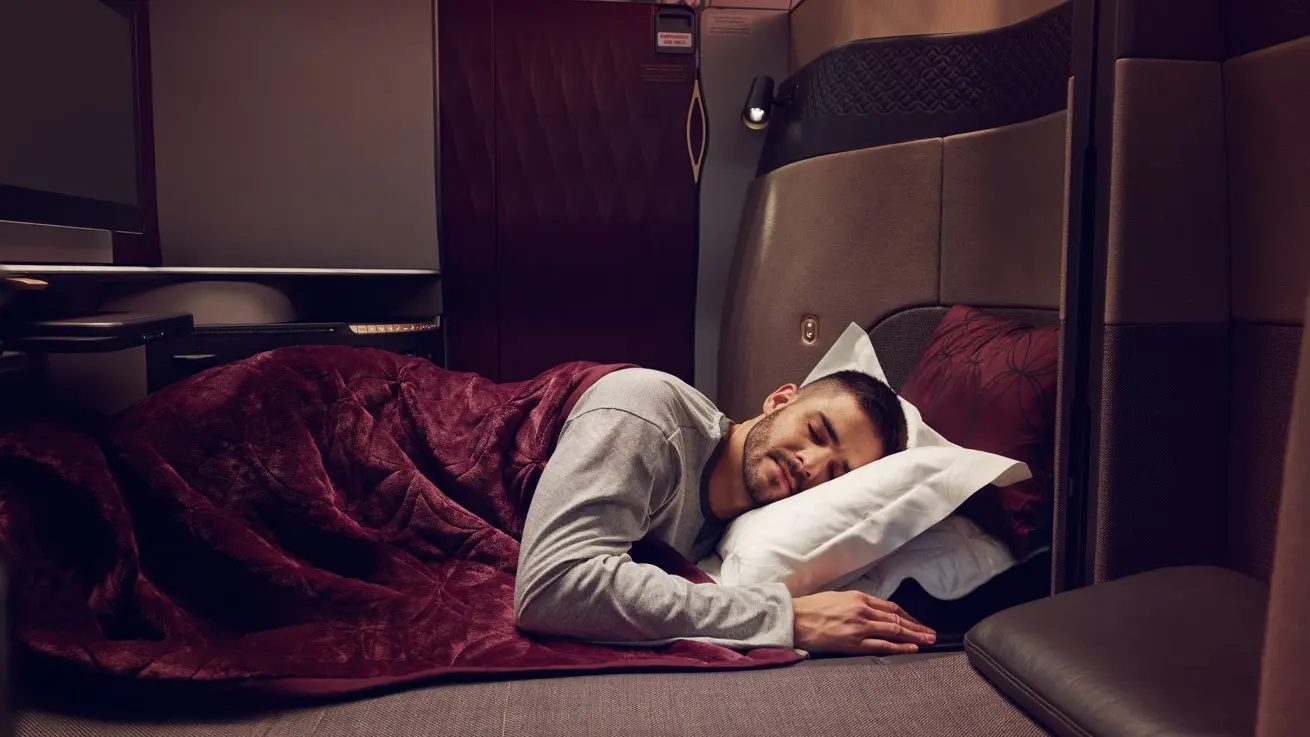
A senior cabin crew member from Virgin Atlantic (VS) has revealed practical advice on choosing the best economy seat for sleep on long-haul flights. The guidance, shared in collaboration with AllClear Travel Insurance and reported in Travel and Leisure, focuses on turbulence zones, cabin noise, and seat positioning.
The recommendations apply to major long-haul departures from hubs such as London Heathrow Airport (LHR) and other global gateways. By selecting the right seat and preparing in advance, passengers can significantly improve sleep quality during overnight and ultra-long-haul flights.
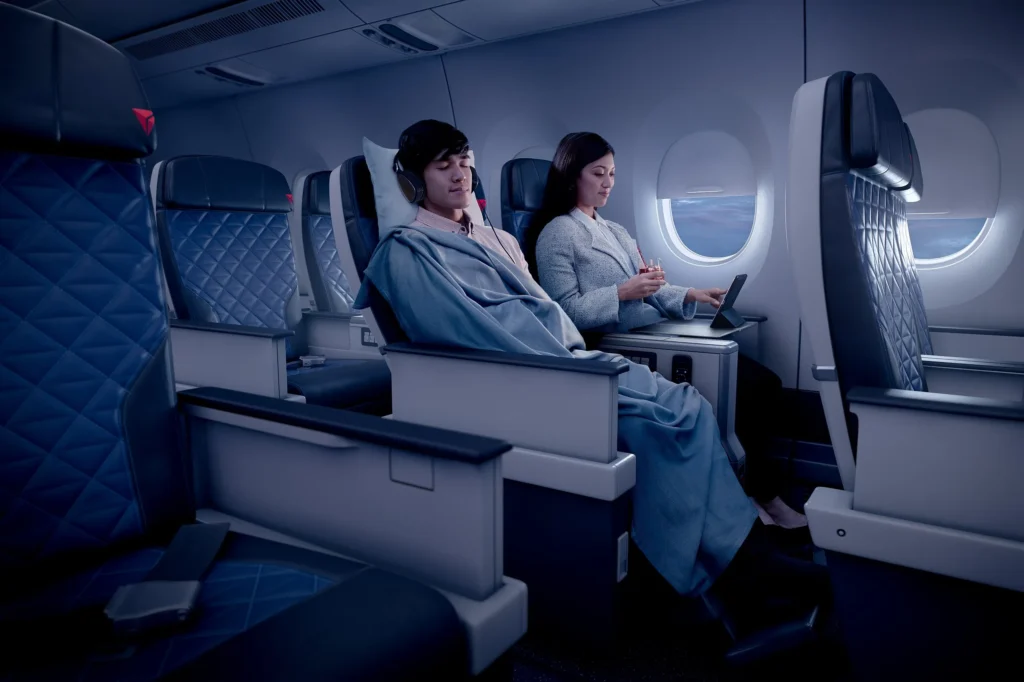
Best Seats for Sleep
According to the experienced flight attendant, passengers should prioritize seats located over the aircraft’s wings. These seats sit closest to the plane’s center of gravity, which reduces the sensation of movement during turbulence.
If wing seats are unavailable, travelers should choose seats toward the front of the economy cabin. Forward sections typically experience less vibration than the rear, where turbulence effects can feel more pronounced.
The crew member also recommends selecting a seat approximately five rows from the front or five rows from the back of the economy cabin. These positions balance proximity to exits and service areas while avoiding high-traffic zones.
Avoid Noise Zones
While exit row seats offer extra legroom, they may not be ideal for sleeping. On certain aircraft, these rows can feel colder due to their proximity to emergency doors, and they often attract passengers waiting for restrooms.
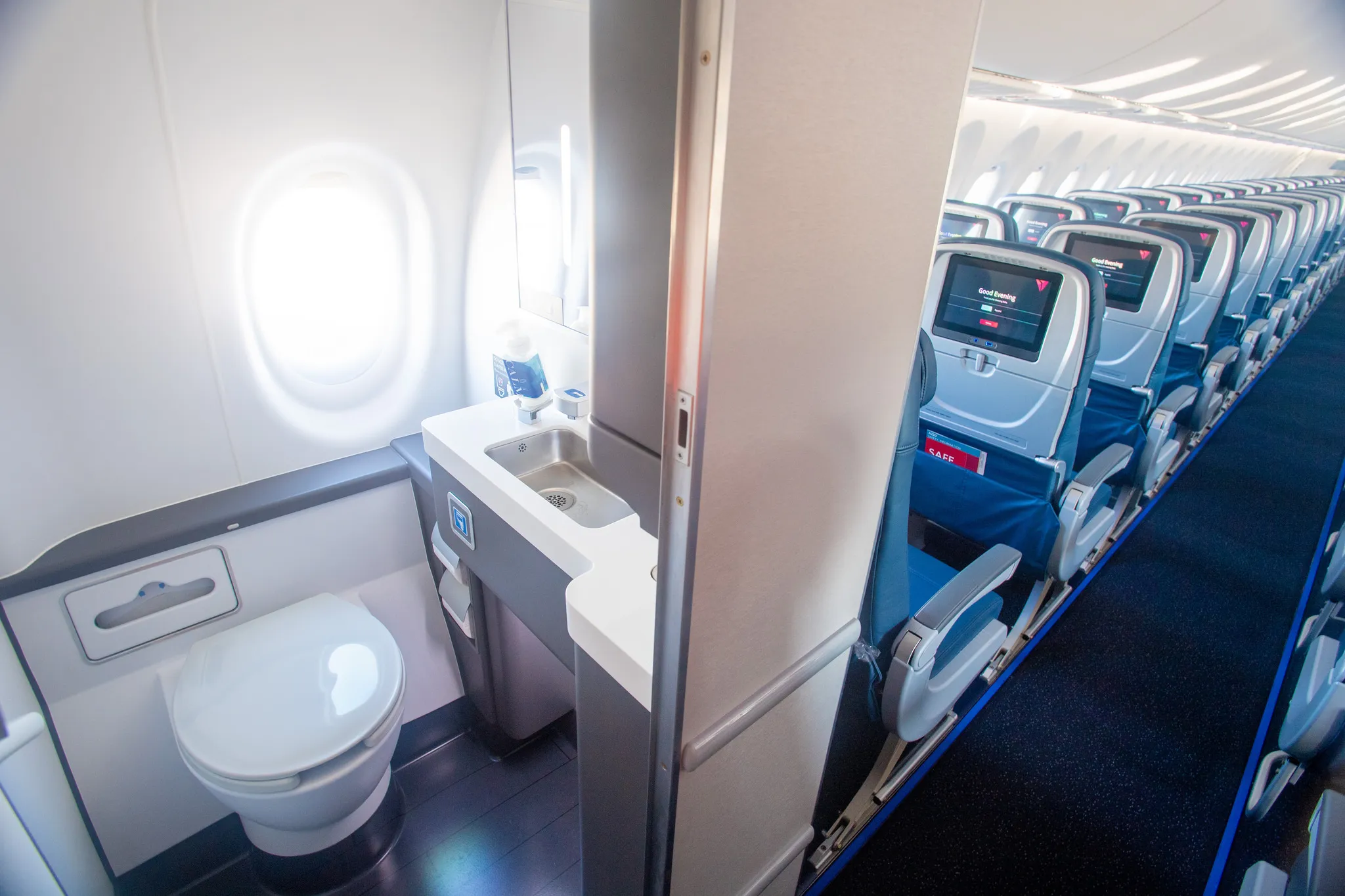
Seats near galleys and lavatories also experience frequent disturbances. Cabin crew conduct meal services from both ends of the aircraft, so selecting a seat slightly away from these service hubs reduces interruptions.
The middle section of the economy cabin often provides a quieter environment compared to the bulkhead or rear sections. Passengers seated too close to lavatories may encounter foot traffic and door noise throughout the flight.
Sleep Preparation Tips
Seat selection is only part of the equation for sleeping well on long flights. The flight attendant advises passengers to avoid heavy meals before attempting to sleep, as digestion can interfere with rest.
Travelers should carry essential sleep aids such as earplugs and eye masks to block cabin noise and light. Cabin noise levels, especially on full flights, can rise due to conversations, in-flight announcements, and engine hum.
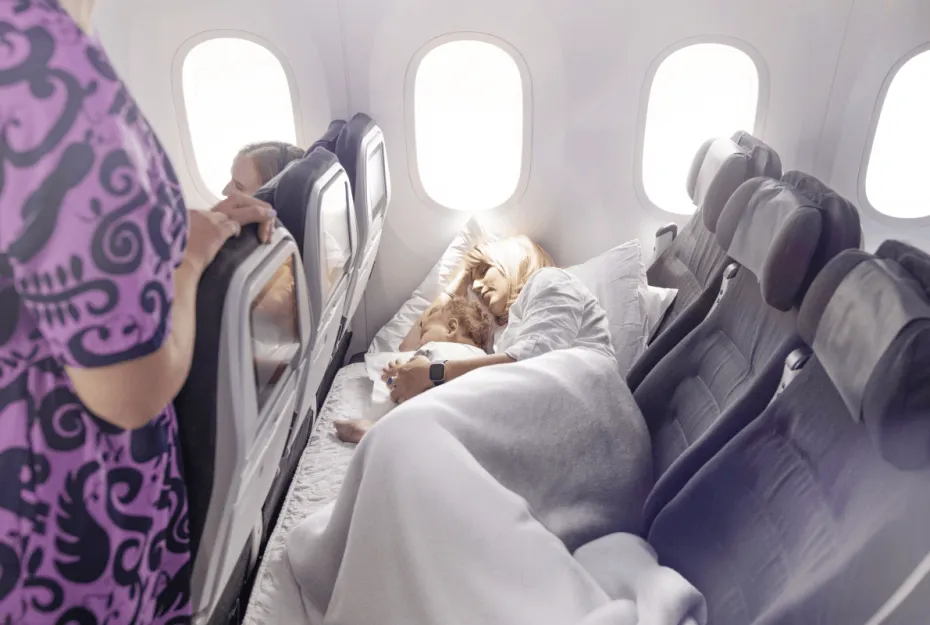
Passengers on red-eye flights should match their usual sleep duration instead of oversleeping, which can lead to grogginess upon arrival. Asking the crew for an extra blanket can also improve comfort, particularly on overnight services where cabin temperatures may fluctuate.
By combining strategic seat selection with proper planning, passengers can enhance rest even in economy class.
The advice highlights that comfort on long-haul travel depends not only on seat type but also on understanding aircraft layout and cabin dynamics.
Stay tuned with us. Further, follow us on social media for the latest updates.
Join us on Telegram Group for the Latest Aviation Updates. Subsequently, follow us on Google News
