

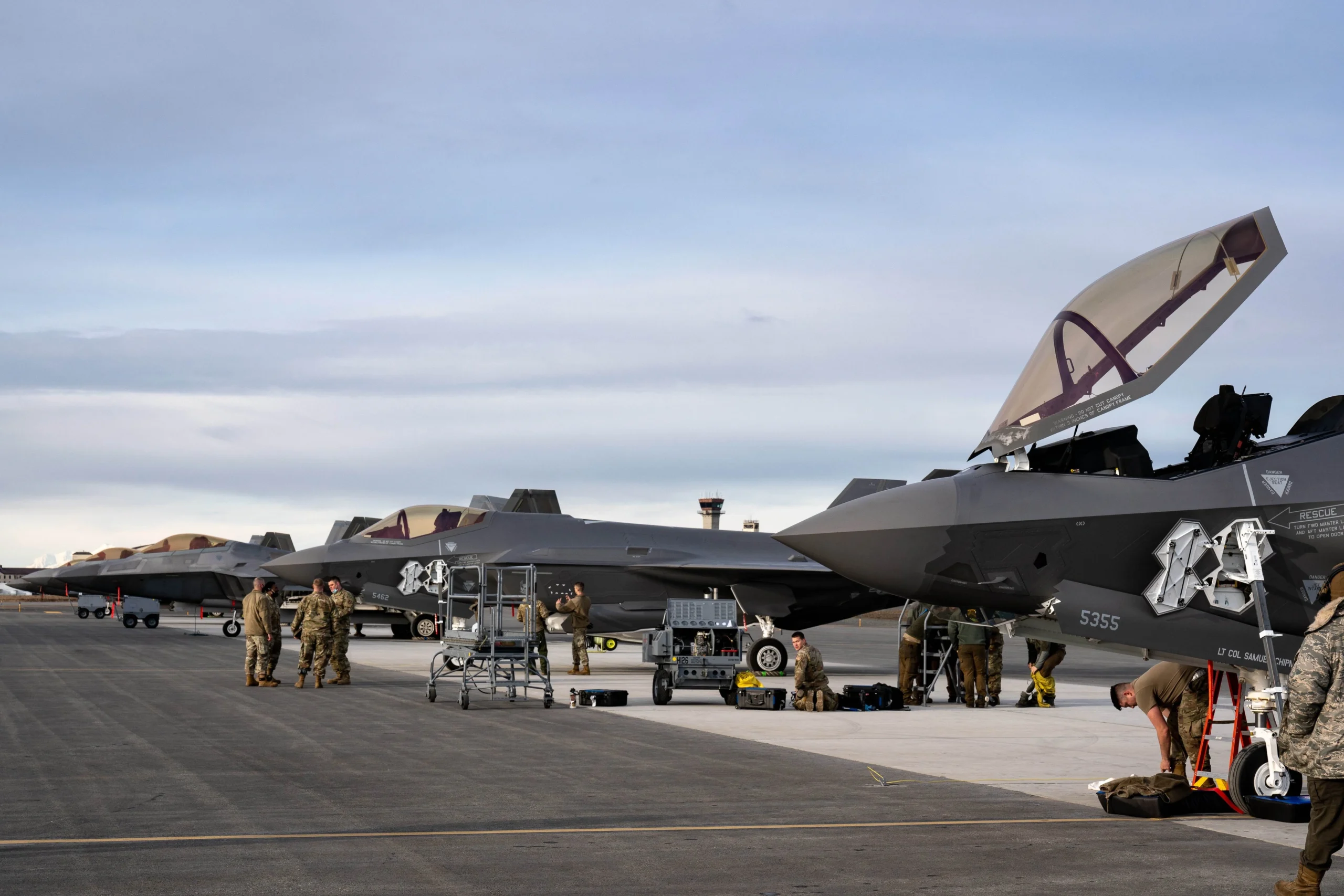
Fighter jet pilots represent one of the most elite and highly trained groups in global aviation. Although commercial airlines and military aviation operate under different systems, comparisons often arise because both require rigorous training and high operational standards.
However, fighter jet pilot salaries depend on rank, service years, allowances, and national defense structures rather than aircraft type alone.
Fighter pilots form a small fraction of total armed forces personnel. The US Air Force has roughly 13,000 pilots out of hundreds of thousands of total active and reserve members, highlighting the exclusivity of the role.
US Fighter Pilot Salary
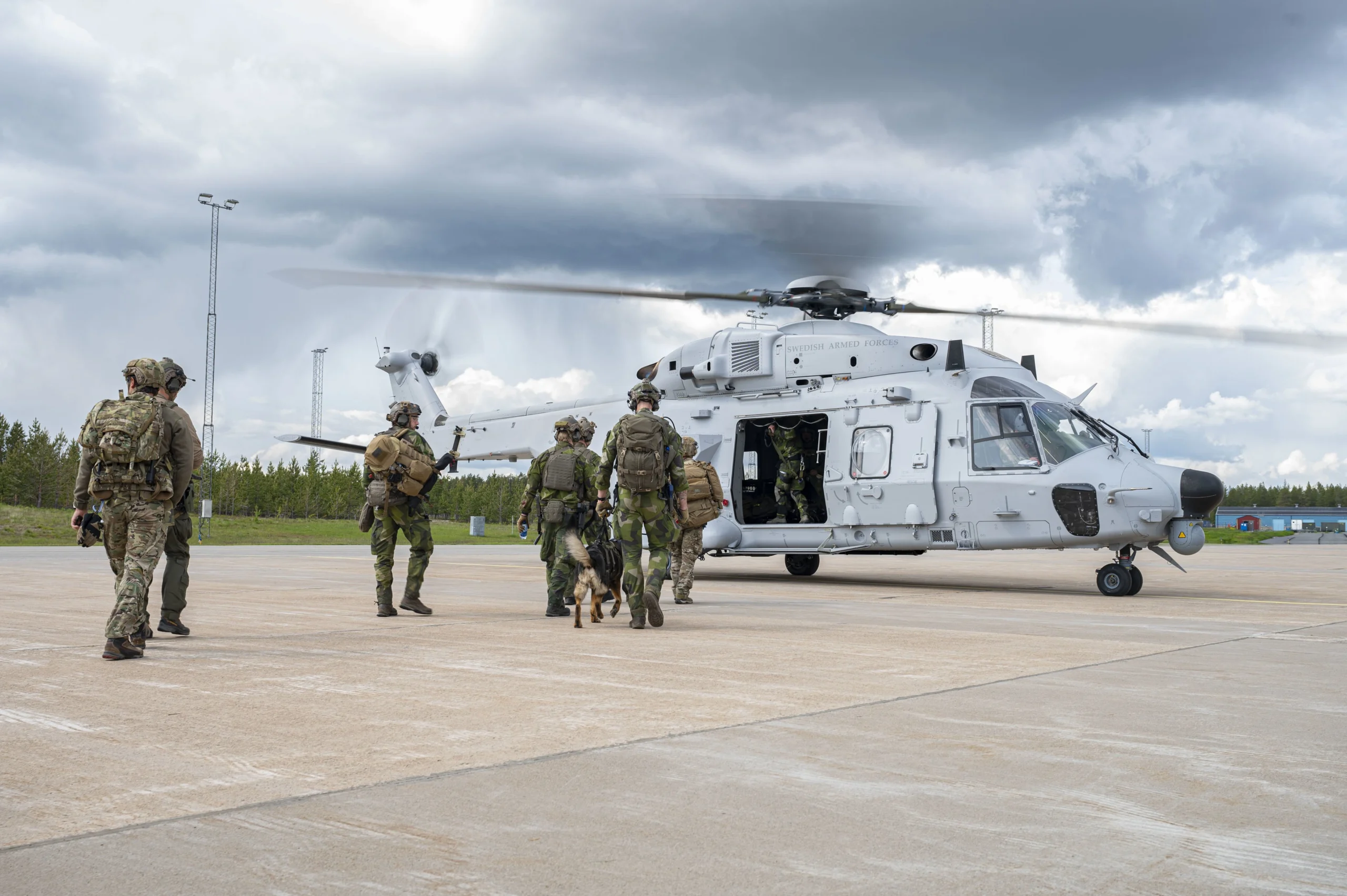
In the United States, fighter jet pilots serve as commissioned officers. Their base salary depends strictly on rank and years of service, not on whether they fly a stealth fighter, bomber, tanker, or transport aircraft.
A Second Lieutenant (O-1) earns about $49,800 annually in base pay during the first two years, increasing to approximately $62,700 after three years. A First Lieutenant (O-2) begins around $57,300 and can reach roughly $79,400 by the sixth year of service.
Captains (O-3), a common rank among operational fighter pilots, start near $66,400 and can earn over $92,800 within six years. Majors (O-4) earn between $75,500 and nearly $100,000, while Lieutenant Colonels (O-5) range from $87,500 to over $110,000.
Colonels (O-6), who may command wings or major units, earn base salaries starting at about $105,000 and exceeding $123,000 with additional service years. These figures represent base pay only and exclude significant allowances and bonuses.
Fighter pilots also receive Aviation Incentive Pay, commonly referred to as flight pay. Monthly aviation bonuses vary depending on service length and retention needs, often adding tens of thousands of dollars annually.
Retention bonuses remain a critical factor because training a fighter pilot can cost more than $10 million. The US military uses multi-year Aviation Bonus contracts to retain experienced aviators, especially those qualified in advanced fighter platforms.
Additional earnings may include Basic Allowance for Housing (BAH), Basic Allowance for Subsistence (BAS), hazardous duty pay, and combat zone tax exclusions. These supplements significantly increase total compensation, especially during deployments.
ALSO READ: US Air Force Fighter Pilots’ Salary in 2026
International Fighter Pilot Pay
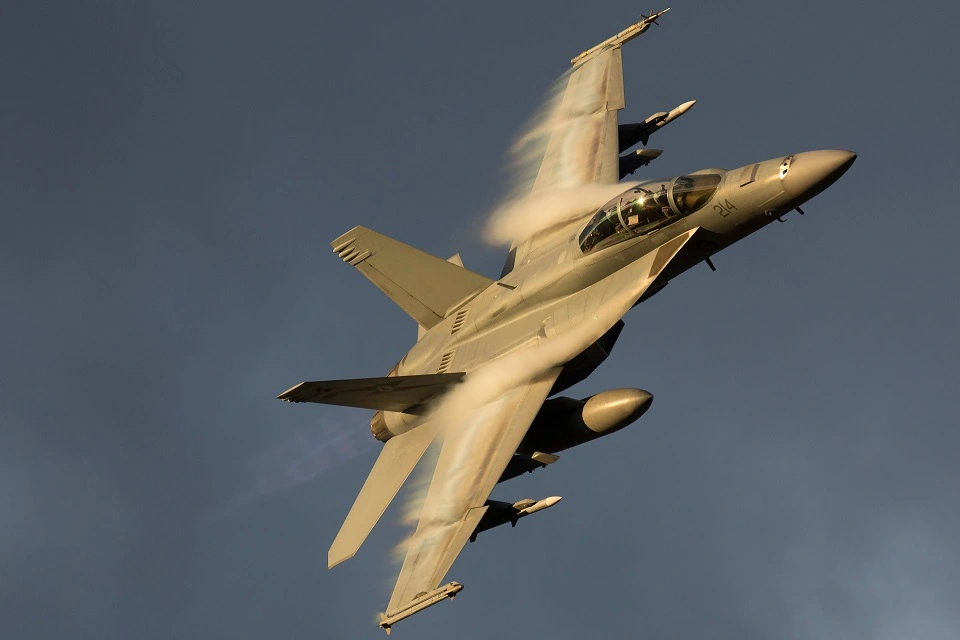
Fighter pilot salaries vary widely across allied nations. Western European air forces typically offer competitive compensation, although differences exist due to currency values, taxation, and cost-of-living factors.
In the United Kingdom, Royal Air Force pilots begin at roughly $44,000 to $45,000 upon commissioning. With promotion to Flight Lieutenant or Squadron Leader, total annual compensation can rise above $90,000, with experienced pilots earning around $120,000 in overall packages.
Germany, Norway, and the Netherlands report total fighter pilot compensation between $137,000 and $143,000. France averages closer to $118,000, while Italy and Sweden range between $109,000 and $112,000 annually, Simple Flying reported.
Switzerland stands out in Europe, with fighter pilot compensation estimated at around $230,000, reflecting the country’s high-income structure. Denmark also ranks high at approximately $161,000 per year.
Eastern European countries offer lower salaries by comparison. Poland averages around $73,000, while the Czech Republic and Slovakia report figures near $67,000, and Bulgaria remains closer to $40,000 annually.
Canada publishes pilot-specific pay scales. A Royal Canadian Air Force Captain typically earns between $80,000 and $160,000, while Majors and Lieutenant-Colonels can range from $120,000 to $200,000 depending on experience and allowances.
Australia ranks among the higher-paying allied nations, with fighter pilot earnings estimated at around $144,000 annually. The Royal Australian Air Force maintains a small but technologically advanced fleet, which supports competitive compensation structures.
New Zealand does not operate fighter jets but pays senior military pilots up to approximately $127,000 annually. However, it cannot consistently match Australian pay levels.
ALSO READ: European Fighter Pilots’ Salary in 2026
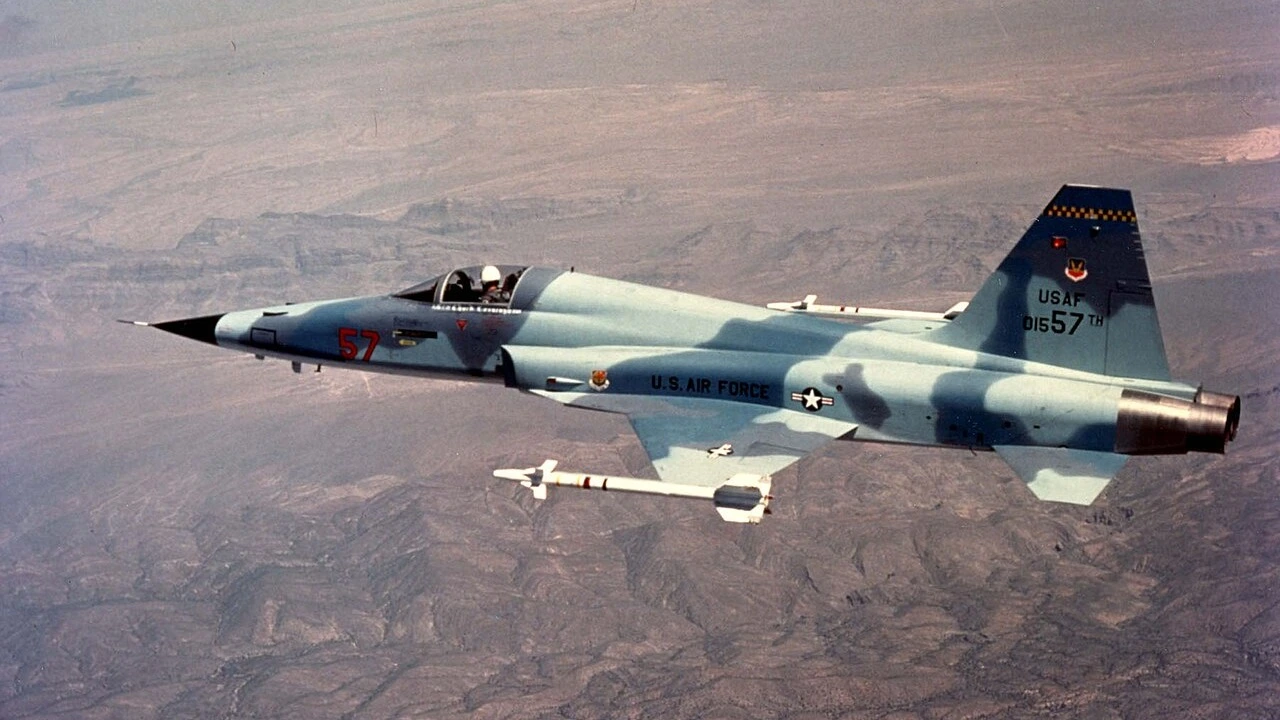
| Wikimedia Commons
https://commons.wikimedia.org/wiki/File:Northrop_F-5E_(Tail_No._01557)_061006-F-1234S-073.jpg
Factors Affecting Fighter Pilot Earnings
Rank progression remains the single most important determinant of base pay. Fighter pilots must hold commissioned officer status because they carry the authority to deploy weapons and execute independent mission decisions.
Flight hours and retention contracts influence bonus eligibility. Pilots who commit to longer service agreements typically secure higher Aviation Bonus packages.
Deployment status also impacts take-home pay. Combat zone assignments can increase income through tax benefits and special duty pay, although these conditions vary by mission and theater.
Active-duty pilots, Air National Guard members, and Reserve pilots may receive different compensation structures. Guard and Reserve pilots often combine military service with civilian airline careers, which can significantly raise overall annual income.
Leadership roles further affect pay. Squadron commanders and wing commanders, typically Lieutenant Colonels or Colonels, earn higher salaries and additional responsibility pay compared with junior officers.
Generals may still hold pilot qualifications, but they rarely participate in regular combat sorties. Operational fighter missions are usually led by Majors or experienced Captains.
When comparing US pay with allied nations, total compensation rather than base salary offers the clearest picture. Allowances, healthcare benefits, retirement plans, and tax structures all influence the final income.
Overall, US fighter pilots rank among the highest paid globally, although Switzerland and Denmark occasionally exceed US totals depending on exchange rates and national compensation policies.
Fighter pilot salaries reflect high training costs, operational risk, and strategic value. Governments invest heavily in retaining experienced aviators because replacing them requires years of training and substantial financial resources.
Stay tuned with us. Further, follow us on social media for the latest updates.
Join us on Telegram Group for the Latest Aviation Updates. Subsequently, follow us on Google News
Note: This Post was originally published on March 3, 2026.
